Deer-Vehicle Collisions and Herd Size
Nebraska deer herd sizes and local population densities explain vehicle collision frequency on highways and rural roads.
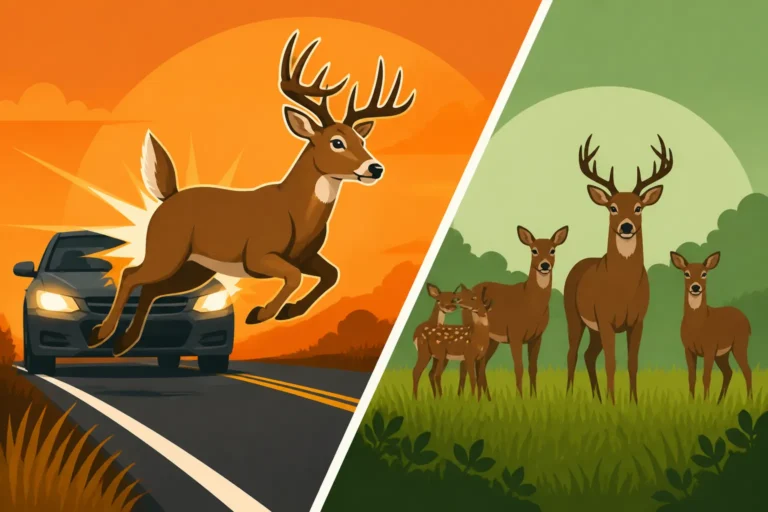
Nebraska deer herd sizes and local population densities explain vehicle collision frequency on highways and rural roads.
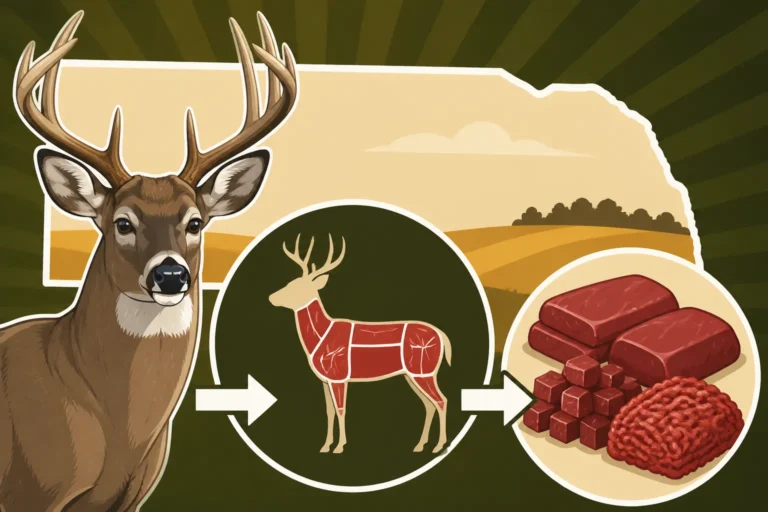
Deer meat yield from a Nebraska buck depends on live weight, dressed weight, age, species, and shot placement damage.
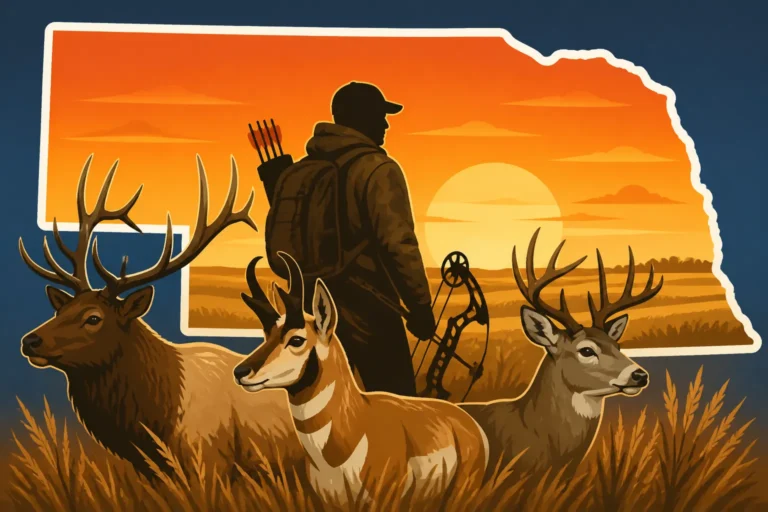
The Nebraska Big Game Records Program tracks exceptional wildlife harvests and documents historical trophy data for hunters.
Nebraska mule deer scoring standards, typical minimum scores of 180 inches, and requirements for Boone and Crockett and Pope and Young record books.
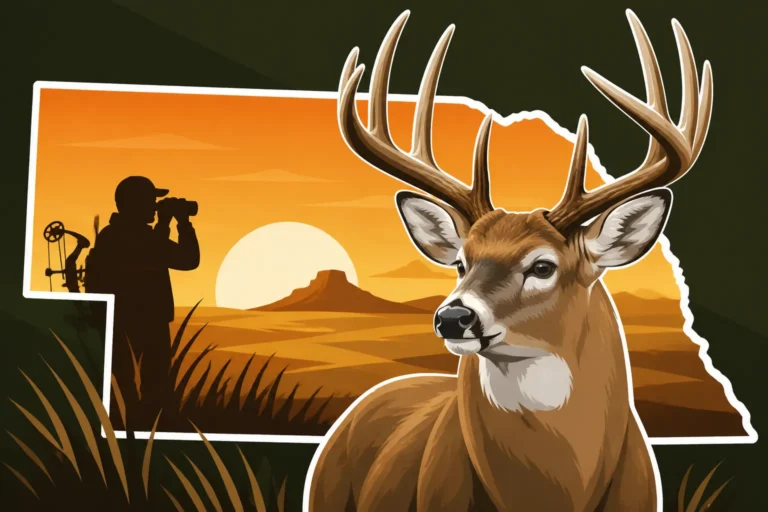
Nebraska record book whitetails require understanding Boone and Crockett and Pope and Young scoring criteria for typical and non-typical antlers.
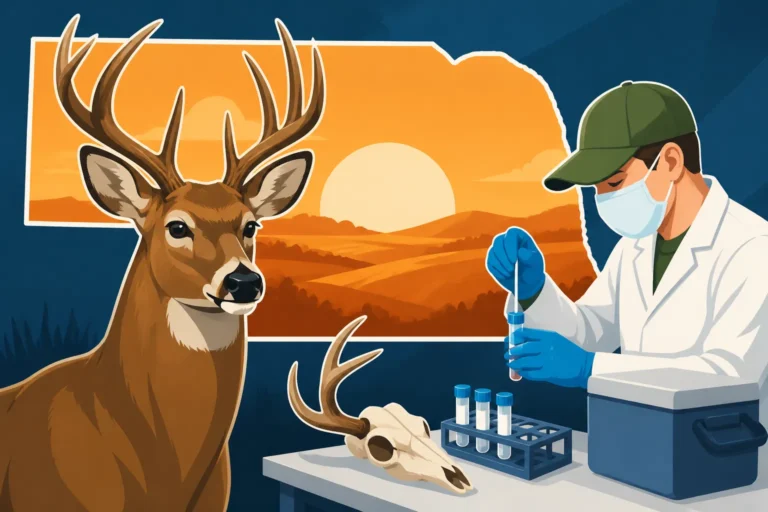
Nebraska deer testing for Chronic Wasting Disease helps hunters protect wildlife populations and ensures safe meat consumption.
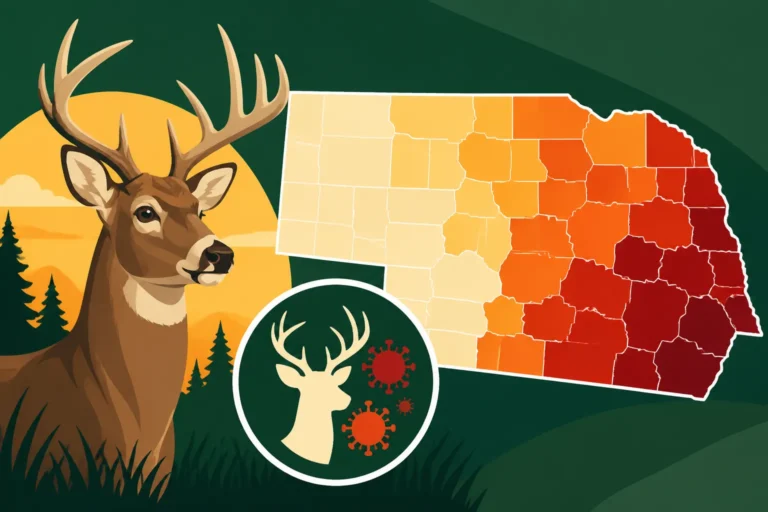
Chronic Wasting Disease prevalence rates across Nebraska deer units help hunters make informed decisions for their season.
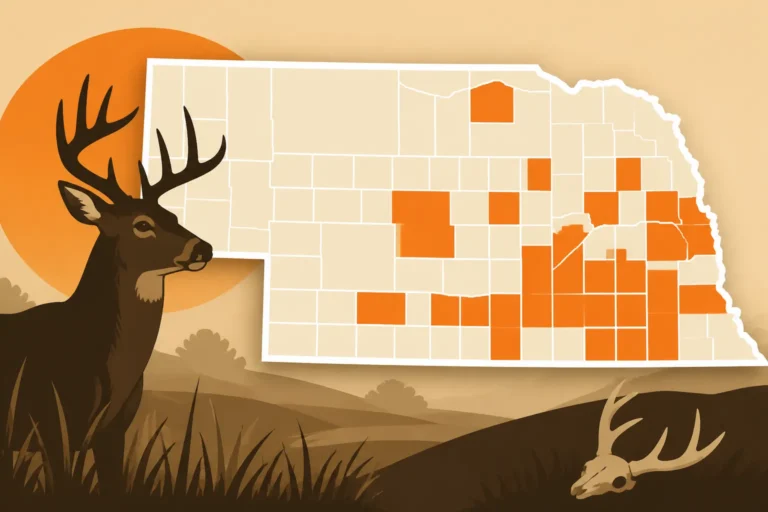
Chronic Wasting Disease in Nebraska deer and elk details locations, prion transmission routes, and specific impacts on local herds.
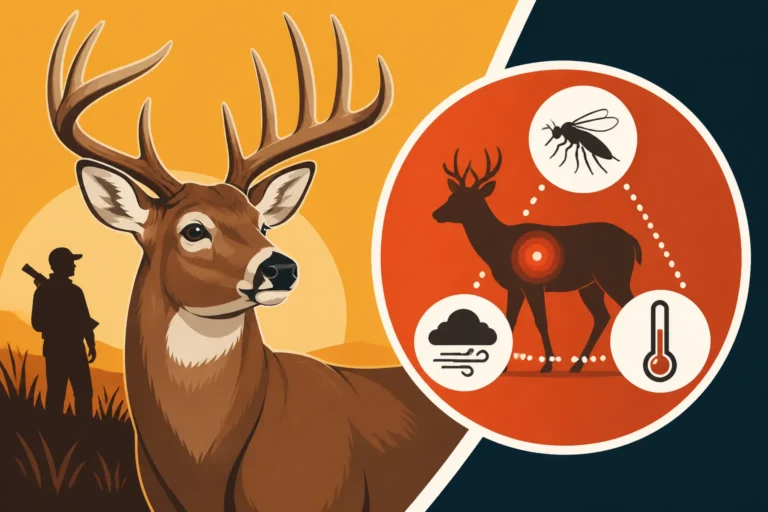
Epizootic Hemorrhagic Disease outbreaks in deer occur when an orbivirus spreads through biting midges, causing internal bleeding.
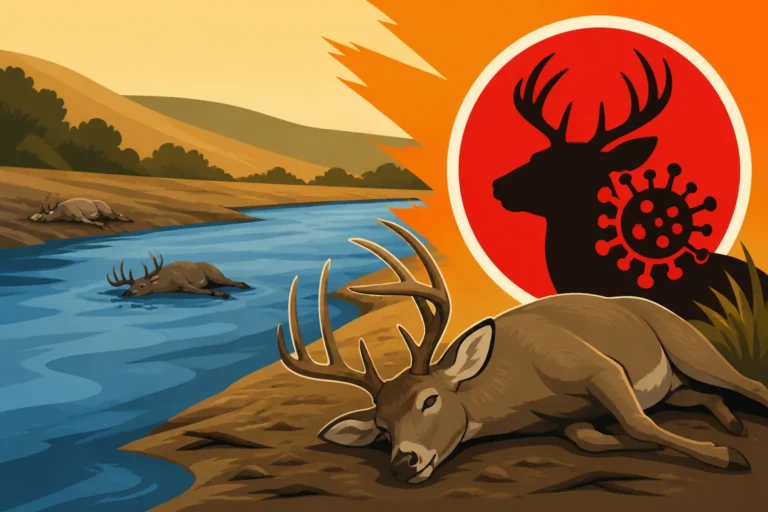
Epizootic Hemorrhagic Disease causes severe deer die-offs along Nebraska rivers when biting midges breed in muddy water.