What the Berggren Plan Set Out to Do
The Berggren Plan aimed to restore pheasant habitat across Nebraska to reverse population decline and boost hunter success.

The Berggren Plan aimed to restore pheasant habitat across Nebraska to reverse population decline and boost hunter success.
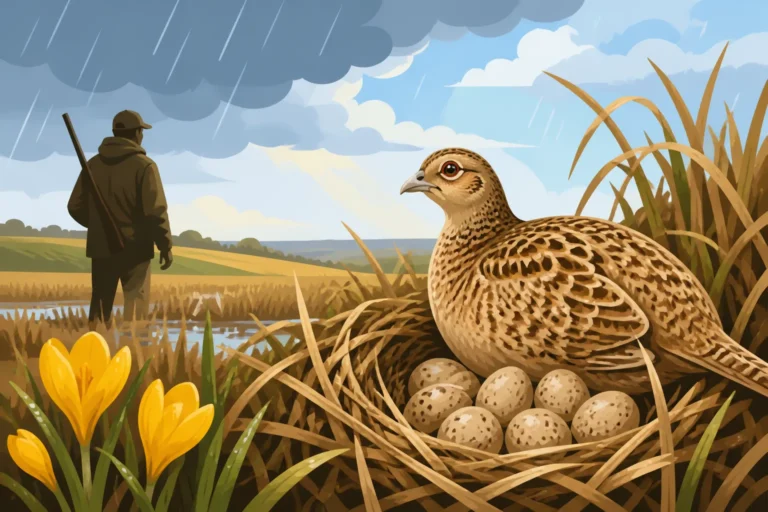
Spring rain affects pheasant nesting and brood survival in Nebraska by controlling vegetation cover and insect food supplies.

Nebraska pheasant winter survival depends on heavy snow management, food availability, and protective habitat against predators.
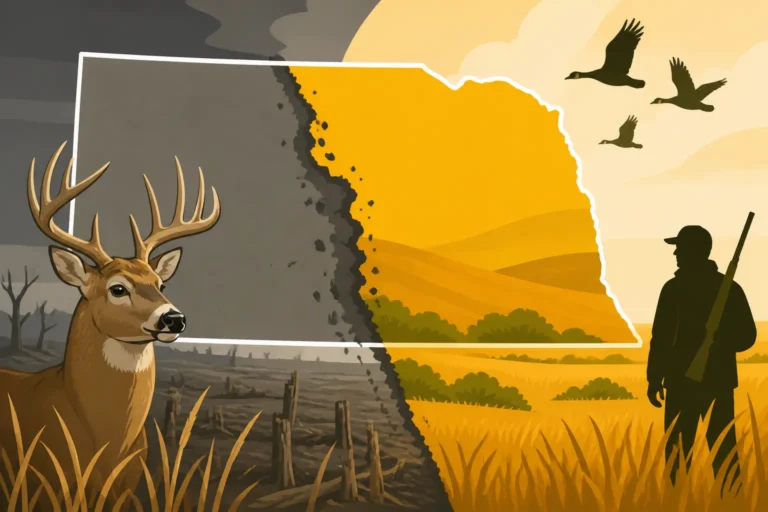
Nebraska’s reduction in Conservation Reserve Program acres explains the pheasant population decline and habitat loss for hunters.
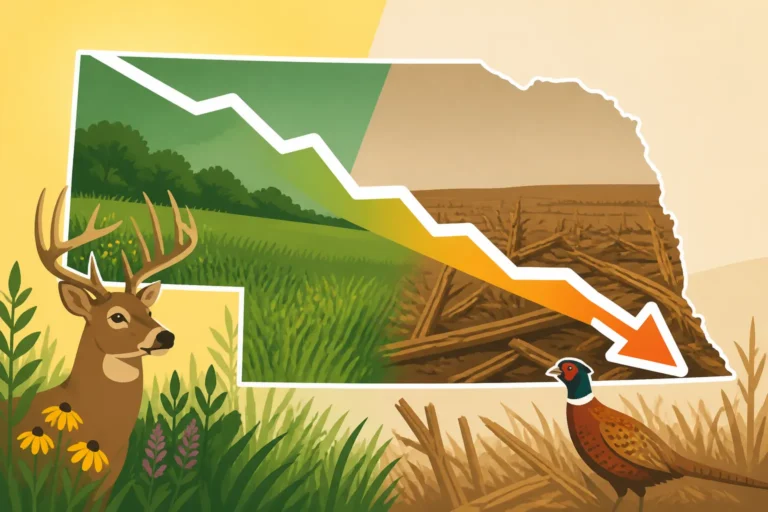
Conservation Reserve Program acreage reductions in Nebraska since the 1990s peak and the resulting habitat loss for pheasants.

The Nebraska Rural Mail Carrier Survey tracks June game populations so the Game and Parks Commission can manage wildlife.
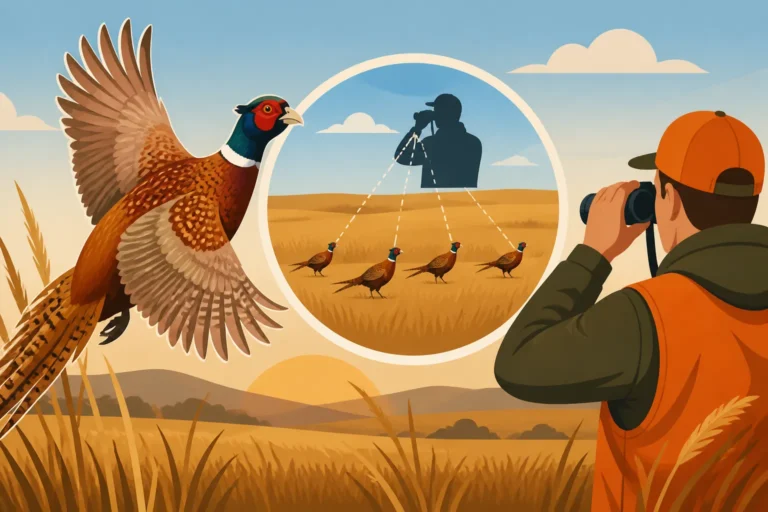
Nebraska pheasant population surveys use rural mail carrier counts to guide hunting forecasts and conservation decisions.
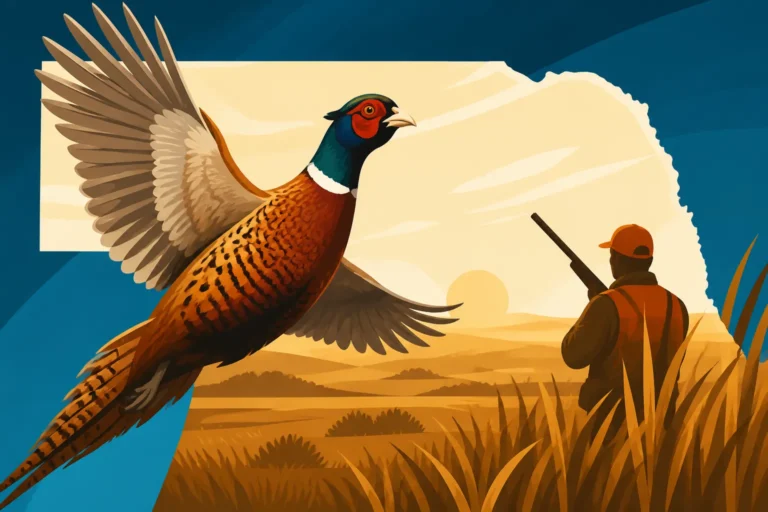
Nebraska pheasant populations and modern hunting trends, influenced by changing agricultural habitats, weather conditions, and predator impacts.

Nebraska pheasant population history, peak decades, and historical survey data explaining the golden era of bird abundance.
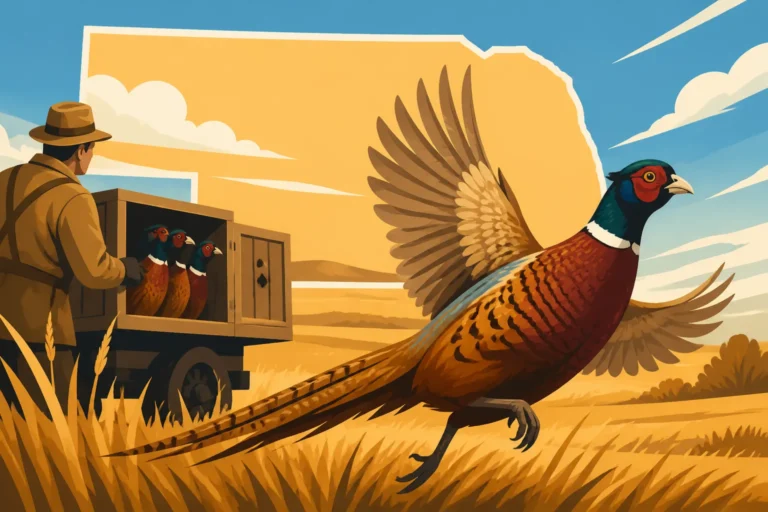
Ring-necked pheasant history in Nebraska explains how imported game birds arrived around the 1890s and survived harsh winters.