Flooding and Access on Nebraska Rivers
Nebraska river flooding impacts hunter access, river systems, and game movement for deer, ducks, and turkeys along major waterways.
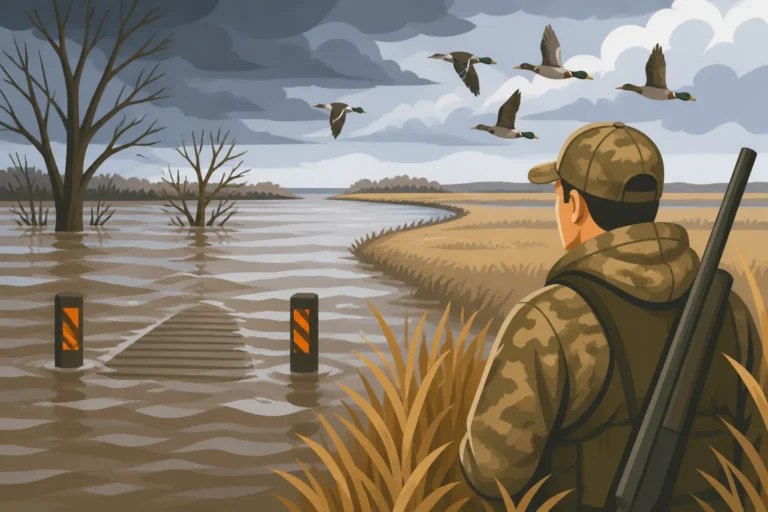
Nebraska river flooding impacts hunter access, river systems, and game movement for deer, ducks, and turkeys along major waterways.
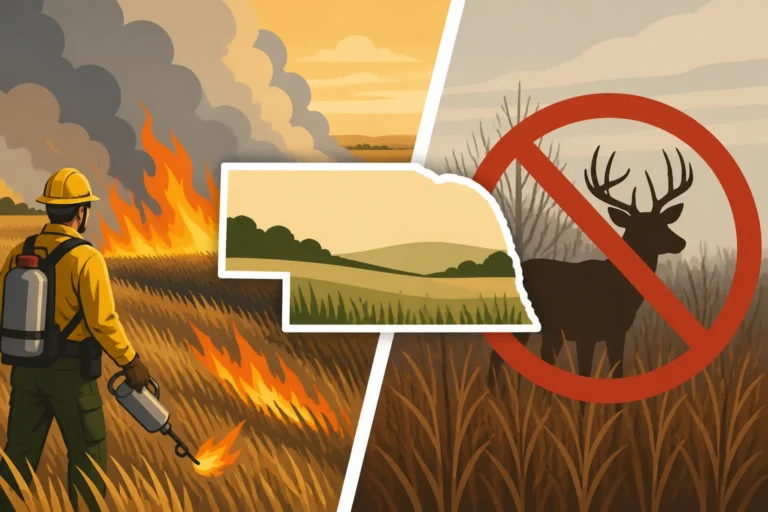
Prescribed burns in Nebraska cause temporary hunting closures while improving wildlife habitats, controlling invasive trees, and preventing wildfires.
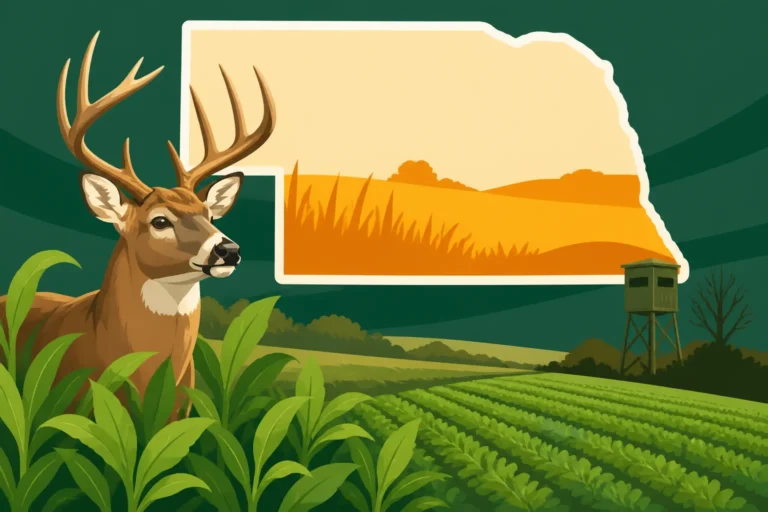
Nebraska Wildlife Management Areas lack traditional food plots because managers prioritize native ecosystems over agricultural crops.
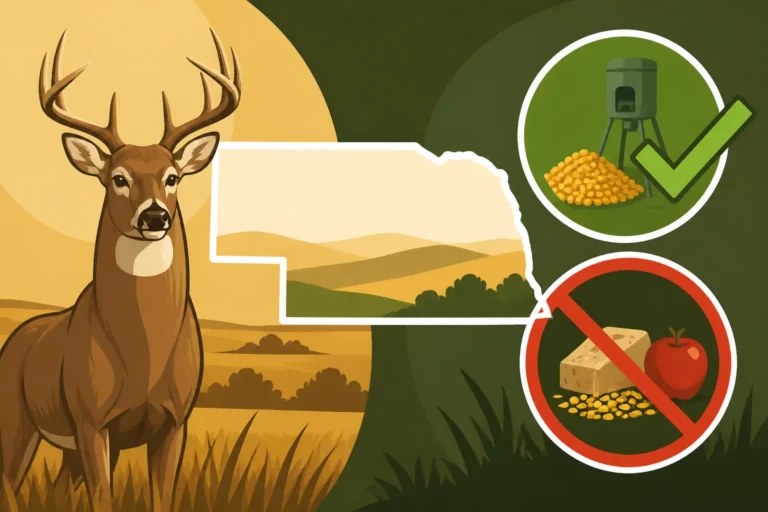
Nebraska public ground hunting regulations prohibit baiting deer and elk to maintain fair chase and prevent Chronic Wasting Disease.
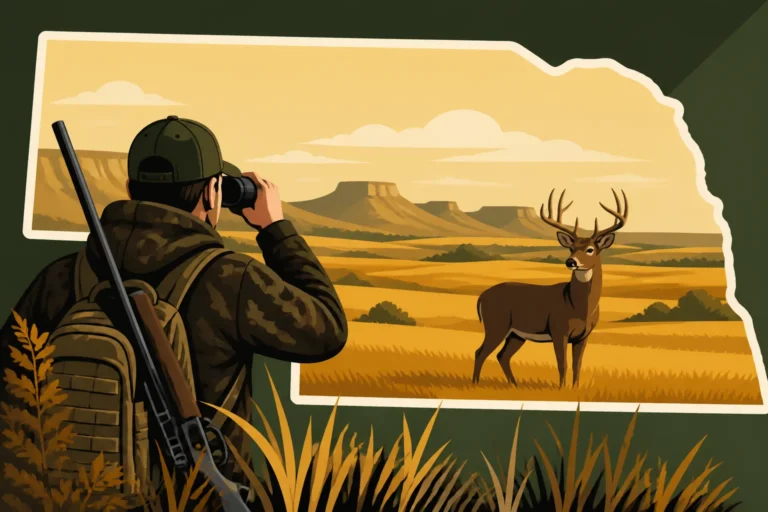
Nonresident access to Nebraska public land involves wildlife management areas, federal grasslands, and open public access programs.
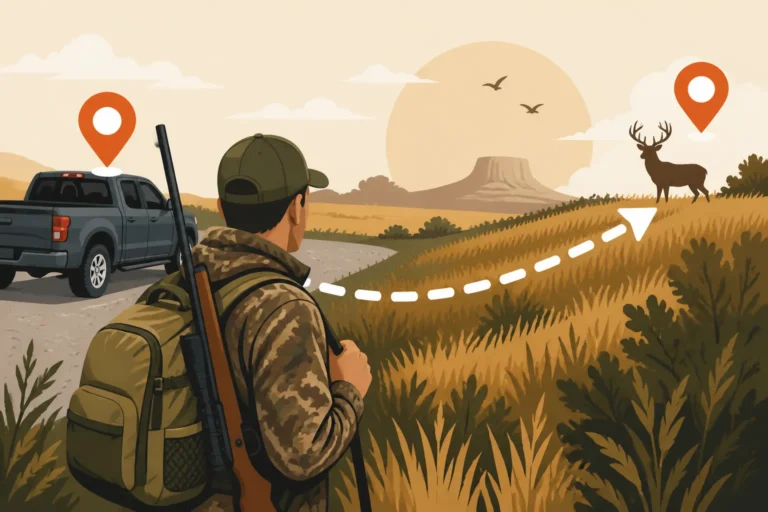
Walking distance from Nebraska public land parking areas helps hunters find less pressured deer, pheasants, and game animals.
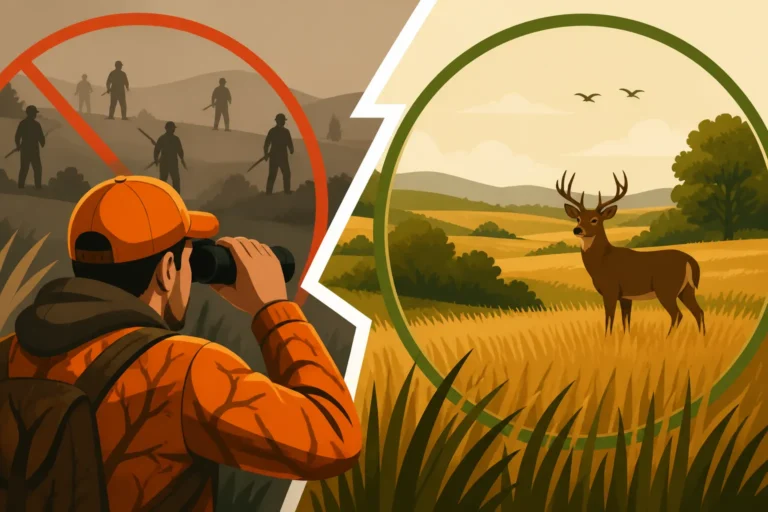
Nebraska public land hunting strategies help locate unpressured game by avoiding crowded parking lots and walking further.
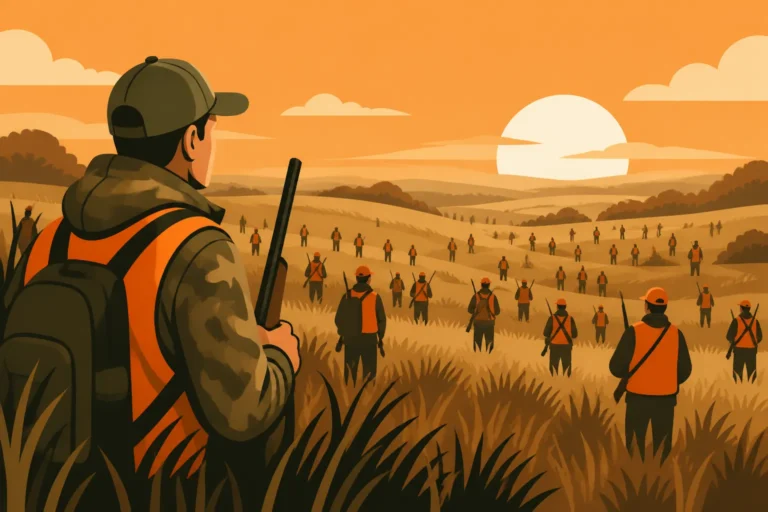
Crowded public hunting grounds in Nebraska during opening weekend require hunters to adapt their strategies for success.
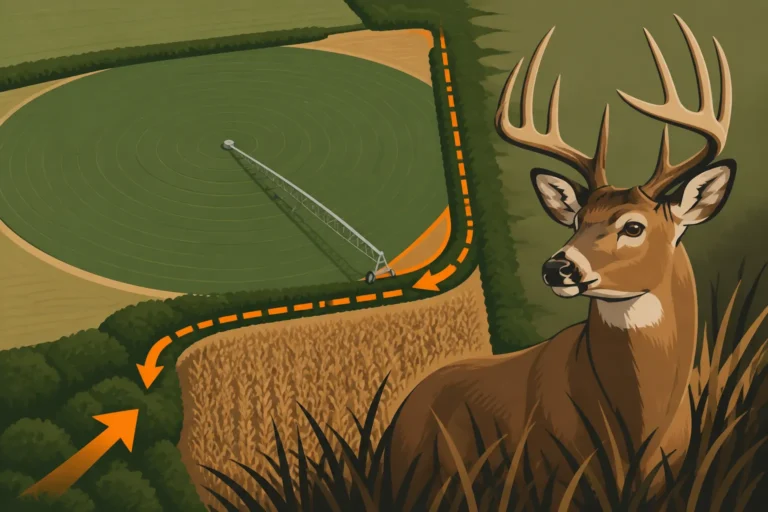
Nebraska center-pivot irrigation corners provide crucial wildlife habitat for deer and pheasants, but legal access rules remain complex for hunters.
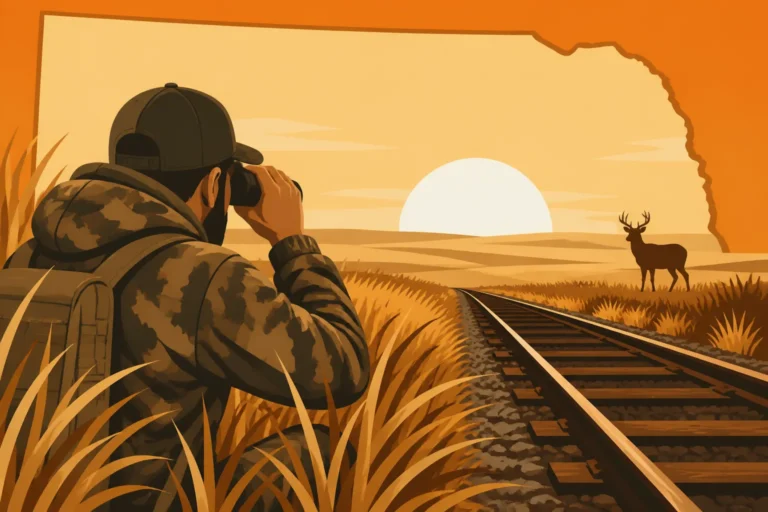
Railroad right-of-way in Nebraska constitutes private property where hunting remains illegal without explicit permission from the company.