Hunting Bobwhite in Southeast Nebraska
Bobwhite quail hunting in southeast Nebraska requires scouting agricultural fields, brushy draws, and thick shelterbelts for birds.
Close the distance.
Archery, muzzleloader, and firearm techniques — calling, stand placement, still-hunting, spot-and-stalk, and the weapon rules that change at the state line.
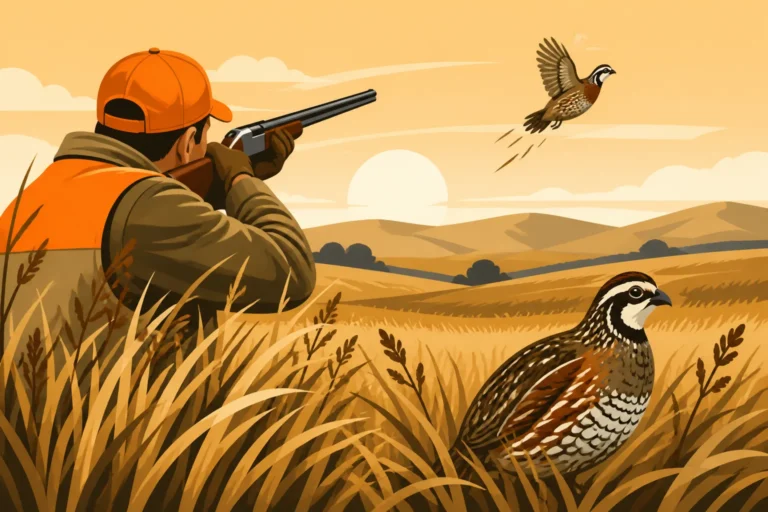
Bobwhite quail hunting in southeast Nebraska requires scouting agricultural fields, brushy draws, and thick shelterbelts for birds.
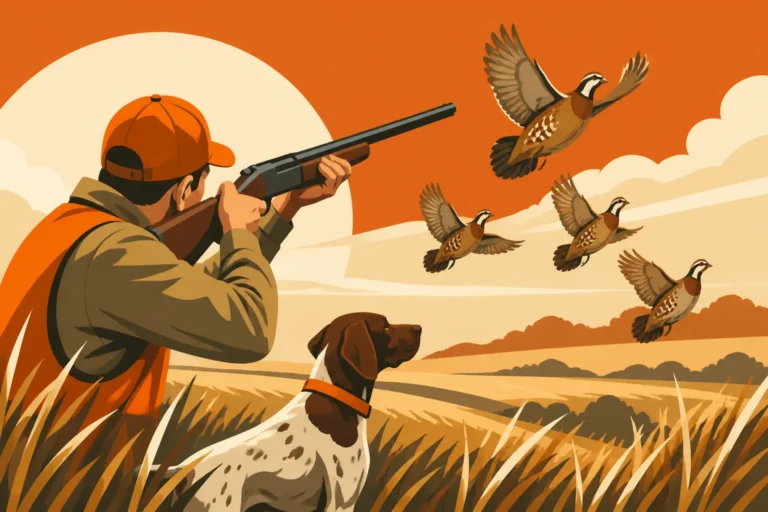
Upland hunters learn how to maintain discipline during sudden pheasant and quail flushes to hit targets without missing.
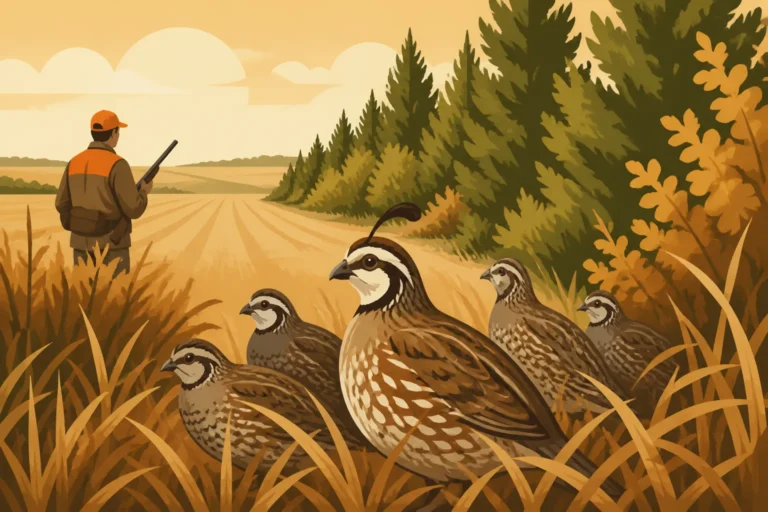
Nebraska shelterbelts provide bobwhite quail with thermal regulation, predator protection, and reliable food sources during harsh winter months.
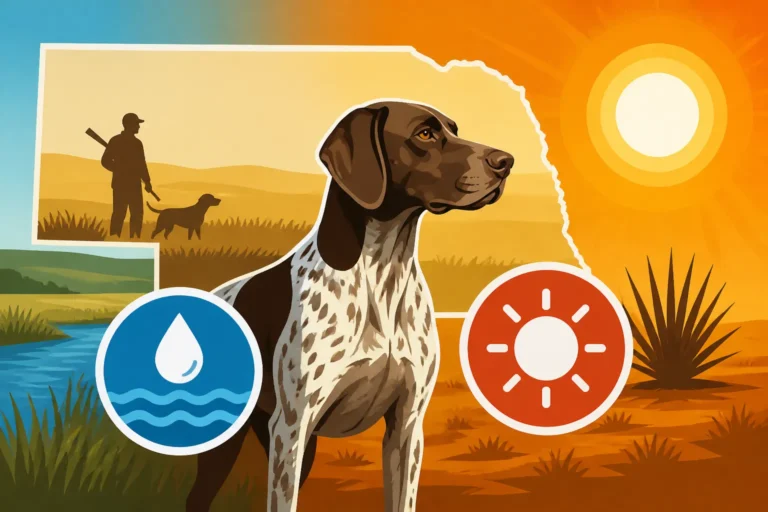
Water and heat risk for Nebraska bird dogs explains canine hyperthermia warning signs, normal temperatures, and dehydration prevention.
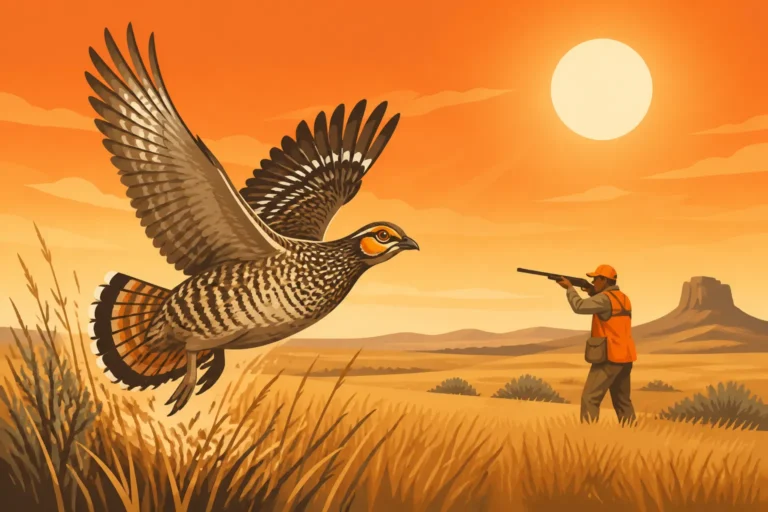
Nebraska sharp-tailed grouse and greater prairie-chicken hunting strategies help hunters navigate September heat and find birds safely.
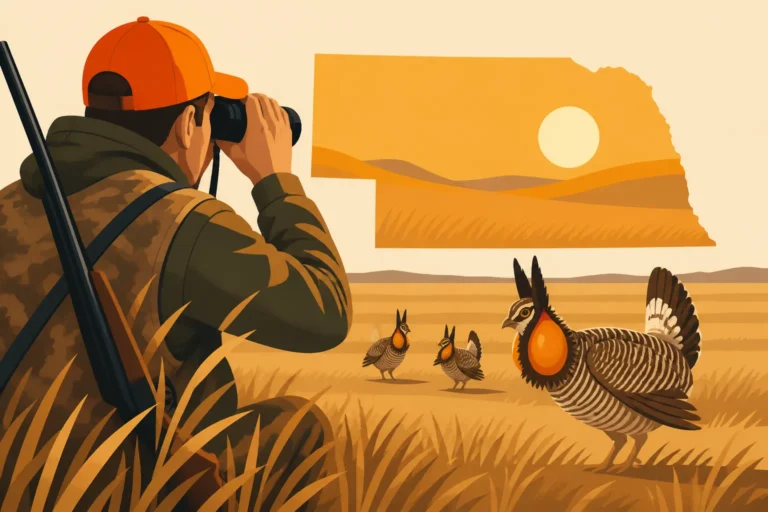
Locating prairie chicken lek ranges in Nebraska helps hunters find core habitats and bird populations outside of spring.
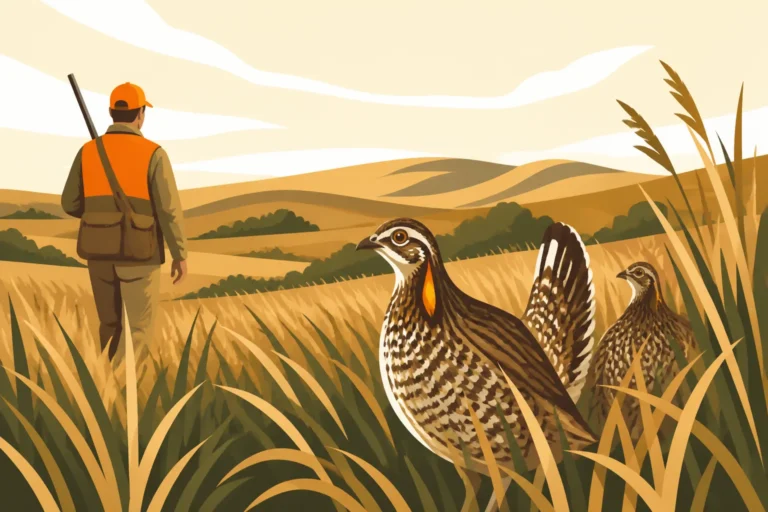
Walking Nebraska Sandhills meadows for sharptail grouse requires practical strategies for navigating vast prairies and finding birds.
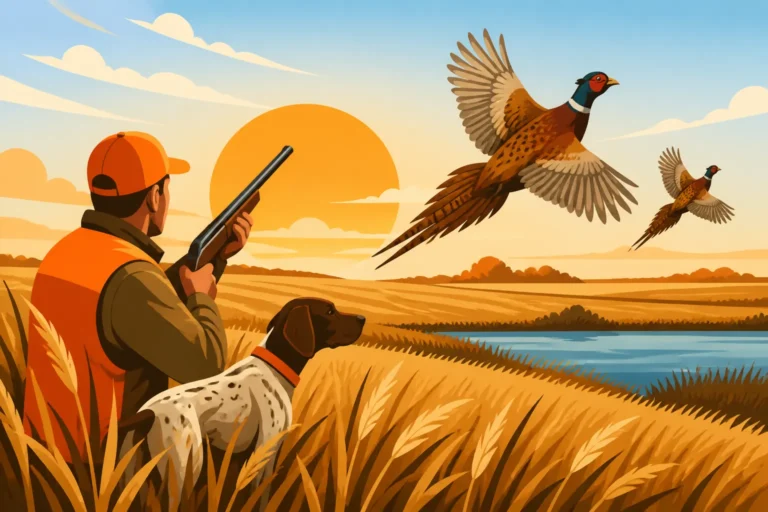
Nebraska Open Fields and Waters program tracts provide public pheasant hunting access on leased private lands using the Public Access Atlas.
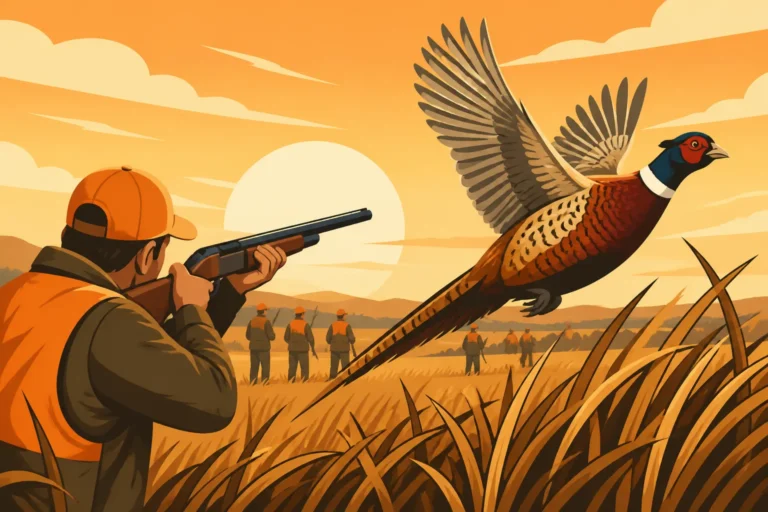
Nebraska pheasant opener crowds on public land and Wildlife Management Areas require new strategies to find birds and succeed.
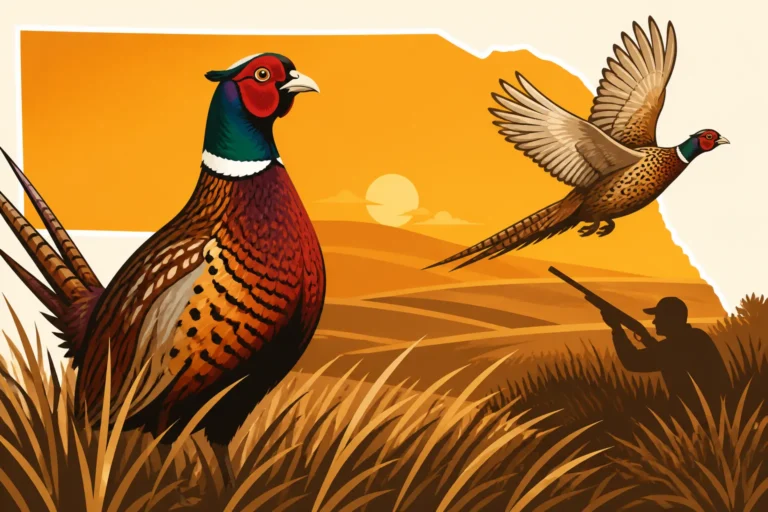
Late-season Nebraska roosters and educated survival tactics explain why smart pheasants flush fifty yards out of shotgun range.