Hunting Rainwater Basin Wetlands
Nebraska Rainwater Basin wetlands hunting strategies help waterfowl hunters track changing water levels and bird habits.
Close the distance.
Archery, muzzleloader, and firearm techniques — calling, stand placement, still-hunting, spot-and-stalk, and the weapon rules that change at the state line.
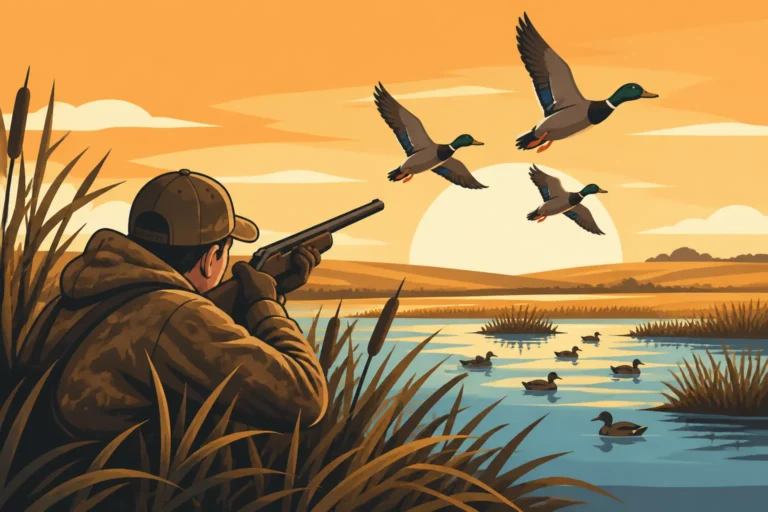
Nebraska Rainwater Basin wetlands hunting strategies help waterfowl hunters track changing water levels and bird habits.
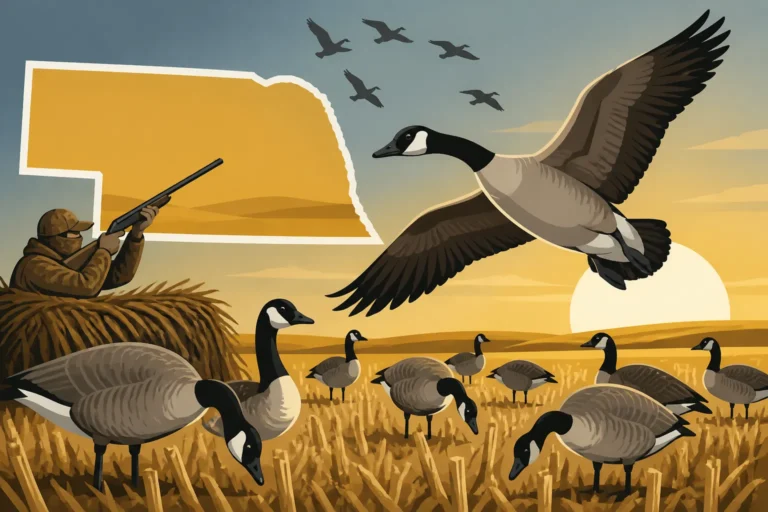
Full-body decoy spreads for Nebraska geese deliver unmatched realism, high durability, and better confidence during hunts.
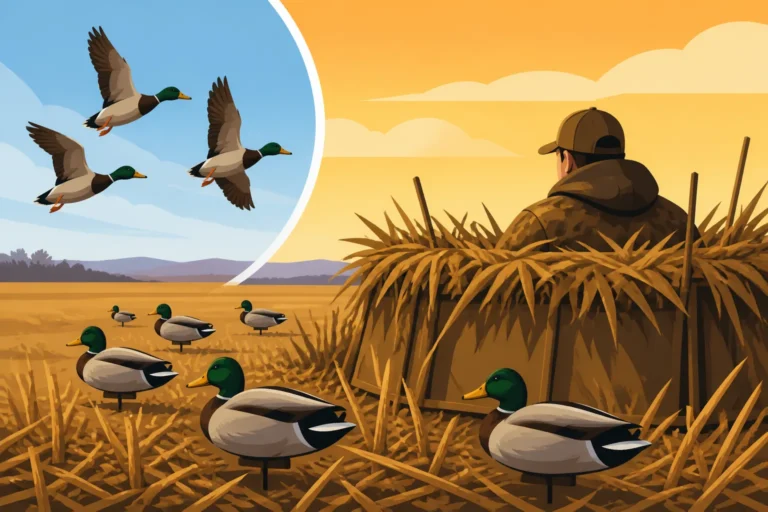
Effective decoy placement and natural vegetation brushing help hunters conceal layout blinds and attract wary Nebraska waterfowl.
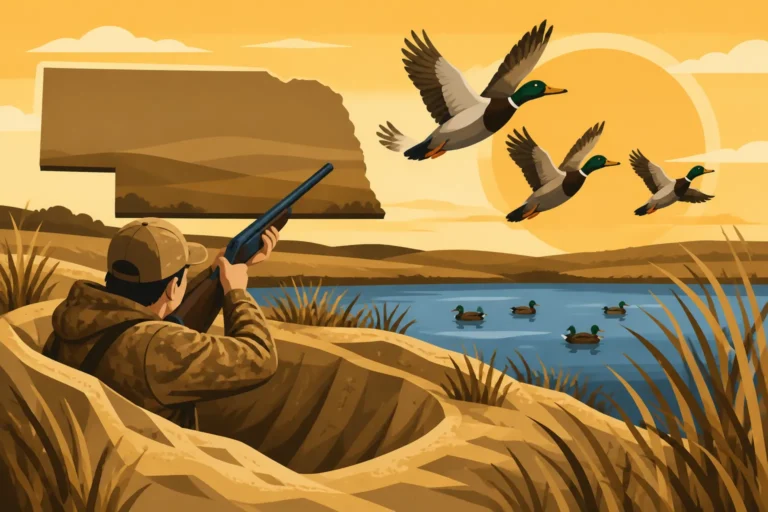
Nebraska sandpits offer ducks deep, clear water and shelter, providing waterfowl hunters intimate locations away from crowded public areas.
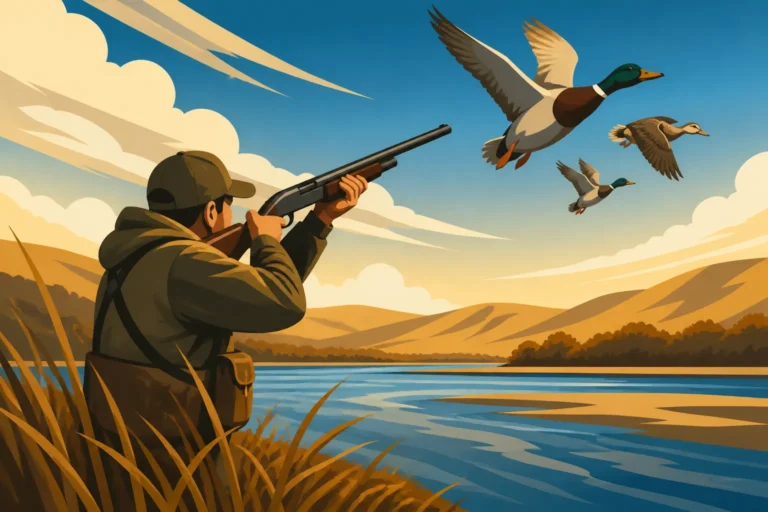
Jump shooting on the Platte River provides close duck encounters and requires understanding river dynamics, habitat, and gear.
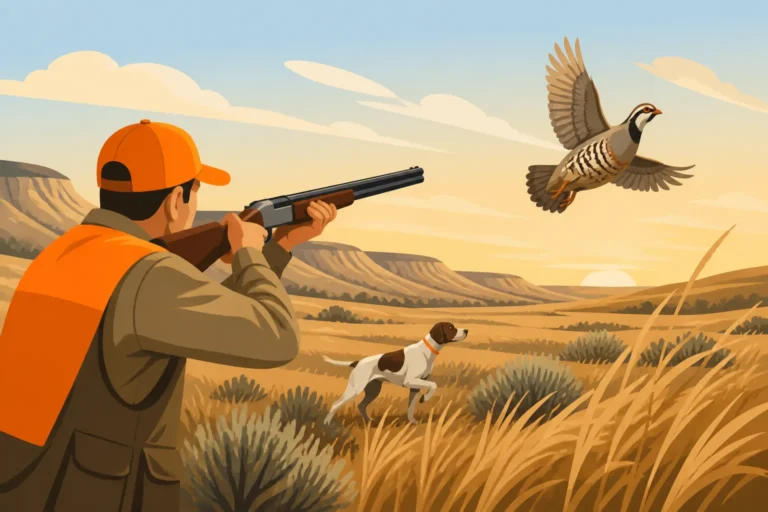
Hungarian partridge hunting in Nebraska requires knowing specific rangeland habitats, current season dates, and bag limits.
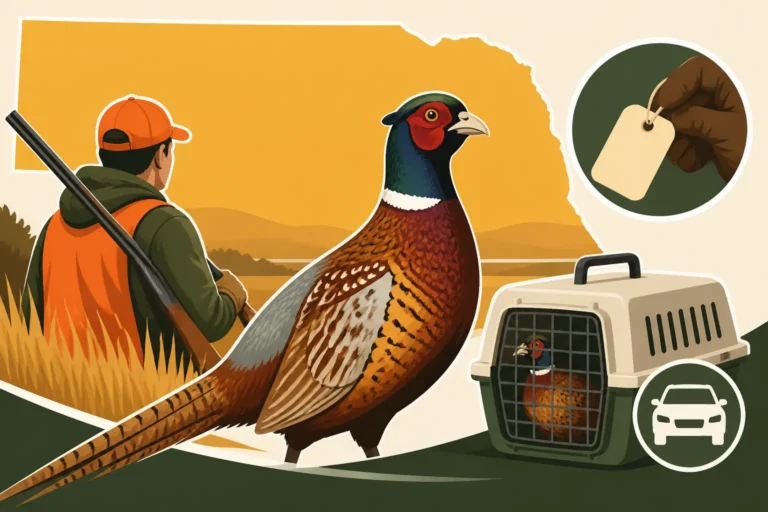
Nebraska pheasant tagging rules require leaving the head or feathered wing attached for species and sex identification during transport.
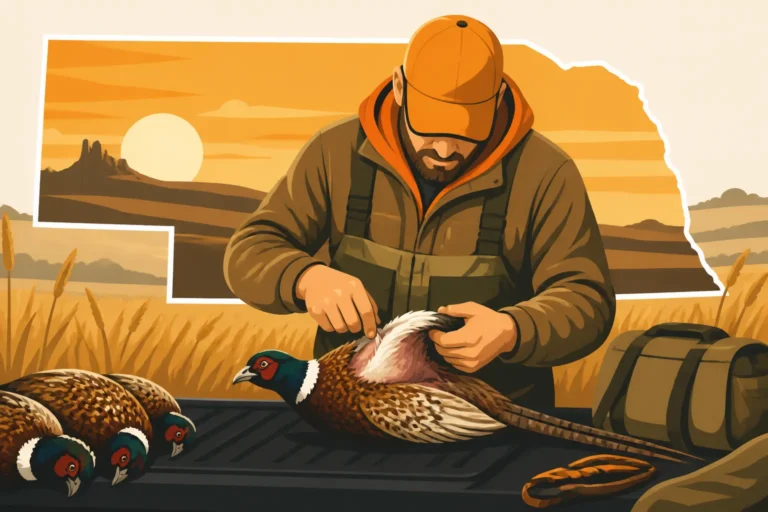
Field dressing game birds in Nebraska preserves meat quality, cools internal heat, and meets NGPC transport regulations.
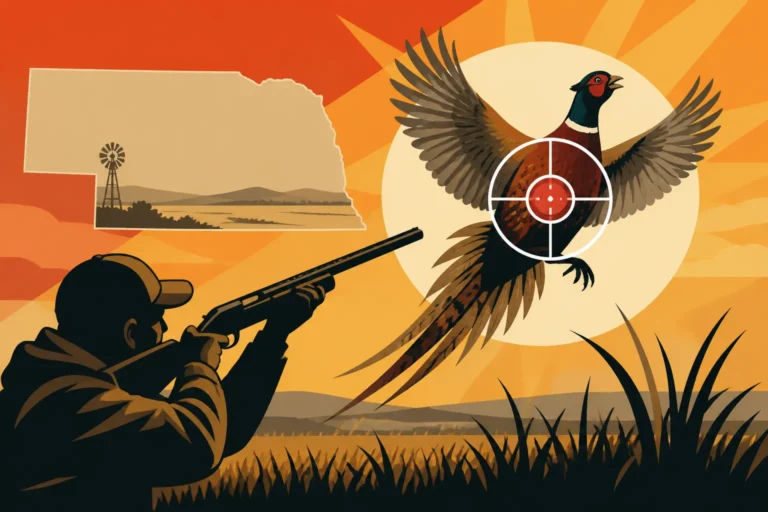
Proper shot placement on a rising rooster in Nebraska requires understanding its initial vertical burst and horizontal flight transition.
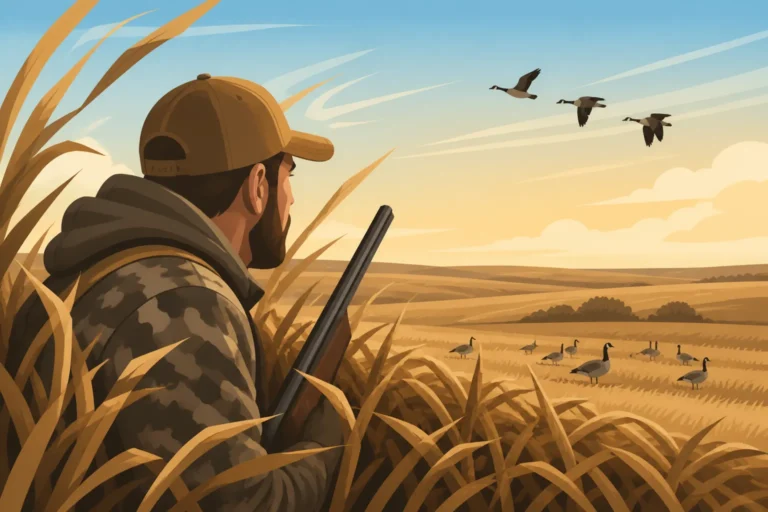
Nebraska wind events reshape deer cover, altering snow drifts, food sources, and debris fields to change animal movement.