Cottonwood Bottoms and Deer Density
Cottonwood bottoms in Nebraska attract high white-tailed deer densities by providing dense thermal cover, water, and varied food sources.
Know what you’re after.
Big game, small game, upland birds, and waterfowl — identification, behavior, rut and migration timing, and how each species moves through the season.
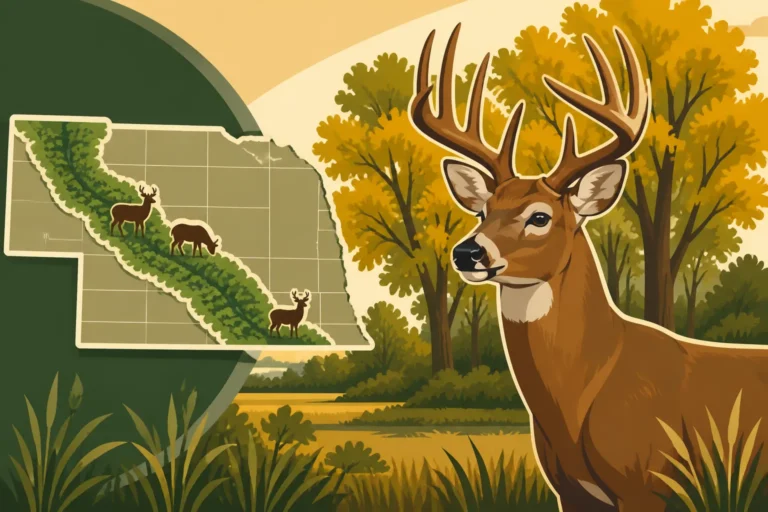
Cottonwood bottoms in Nebraska attract high white-tailed deer densities by providing dense thermal cover, water, and varied food sources.
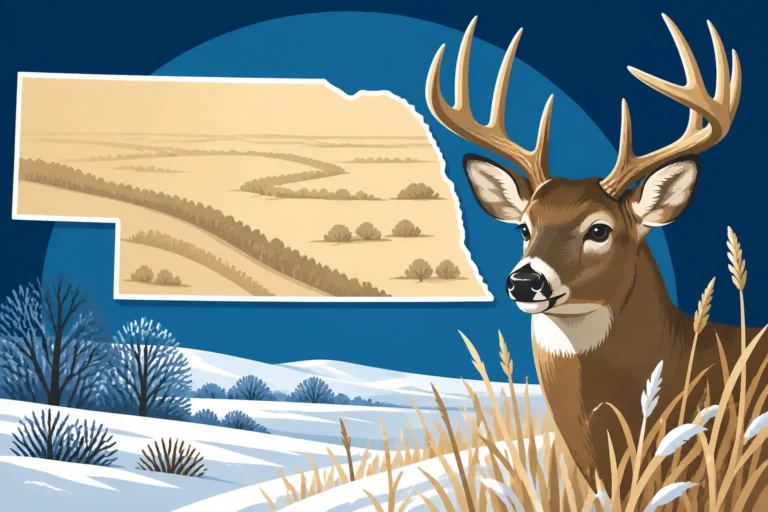
Nebraska whitetail winter habitats include dense thermal cover like cedar groves and high-calorie food sources such as unharvested cornfields.
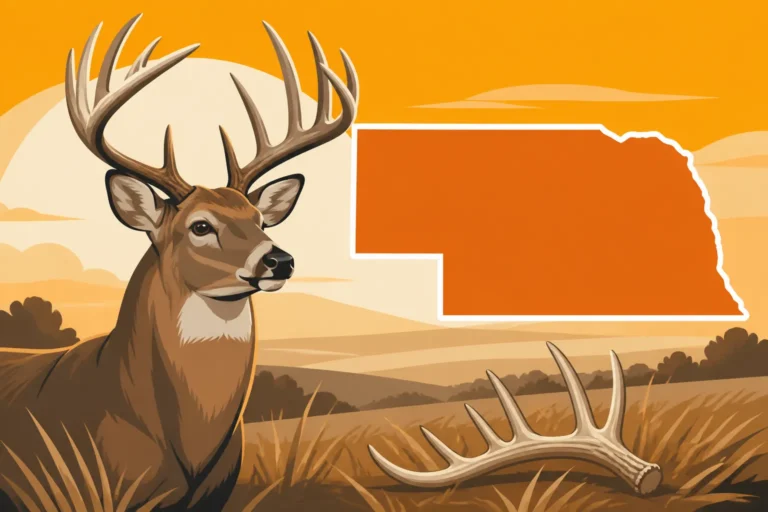
Nebraska deer shedding timelines, driven by testosterone drops, explain when whitetail and mule deer bucks drop antlers.
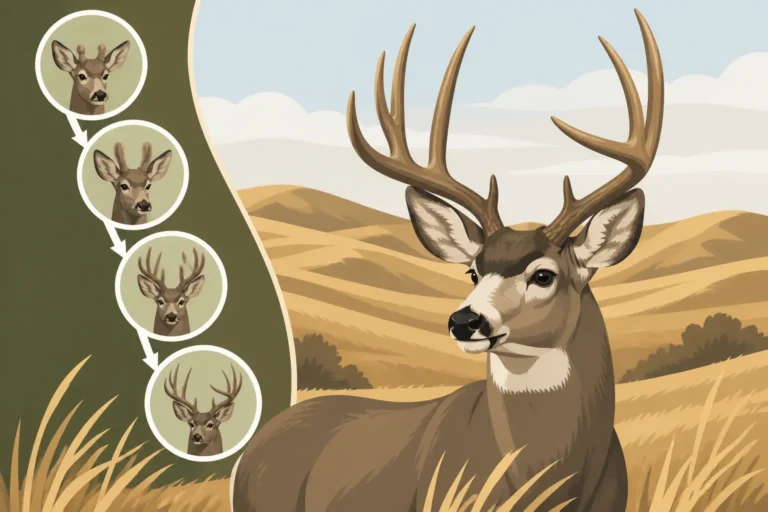
Mule deer antler growth in the Nebraska Sandhills depends on environmental factors, forage quality, and water availability.
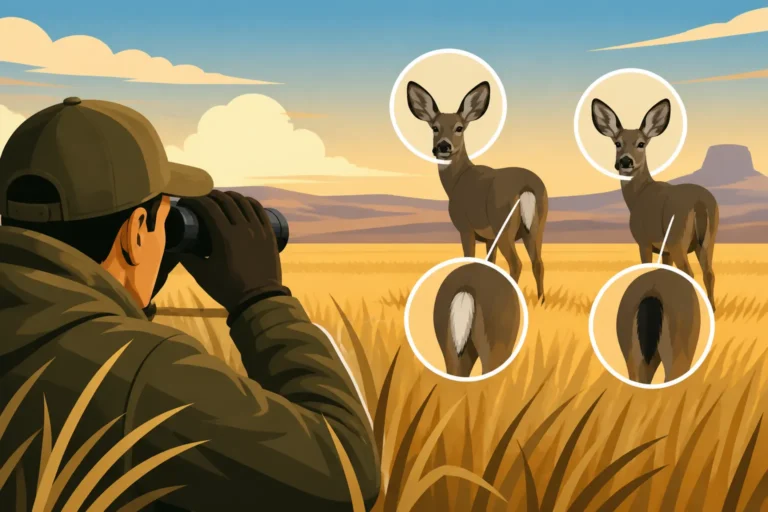
Ear size and tail colour help Nebraska hunters distinguish whitetails from mule deer at a distance across transition zones.
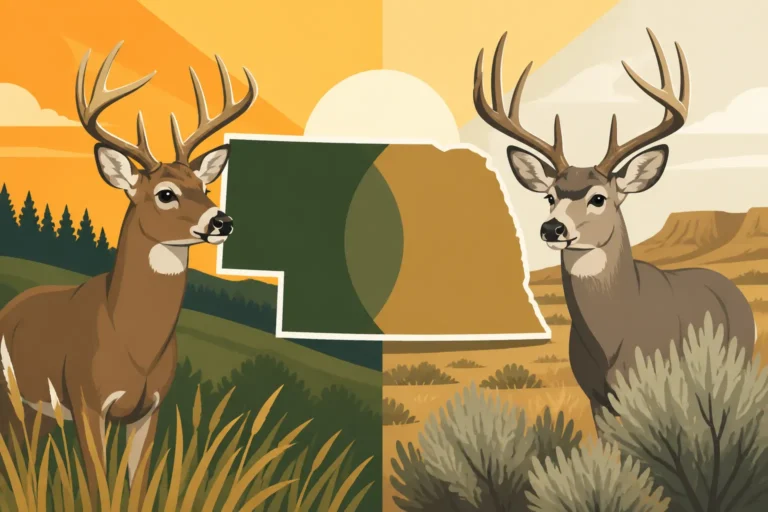
Nebraska deer transition zones create unique hunting opportunities where white-tailed and mule deer populations share the same ground.
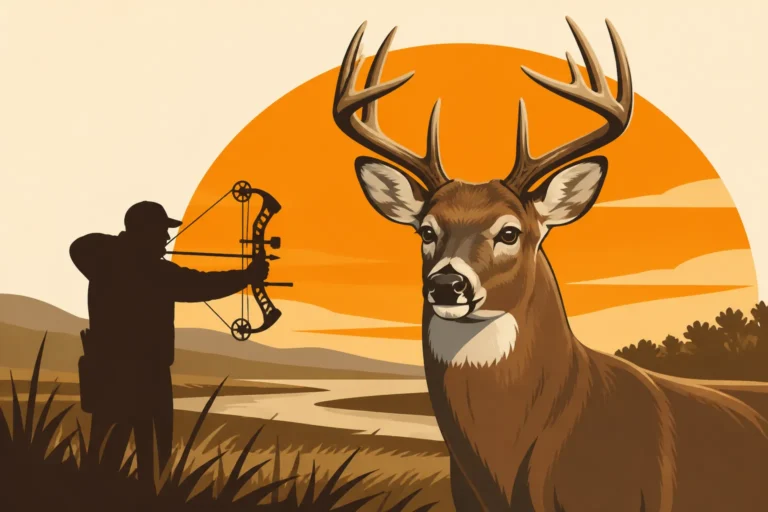
Calamus West Unit deer harvest data helps Nebraska hunters set realistic expectations, analyze herd health, and plan hunts.

Plains Unit mule deer harvest trends, population rebounds, and spot and stalk hunting strategies in the Nebraska Sandhills.

Sandhills Unit mule deer harvest trends, historical data, and terrain challenges help hunters increase their odds of success.
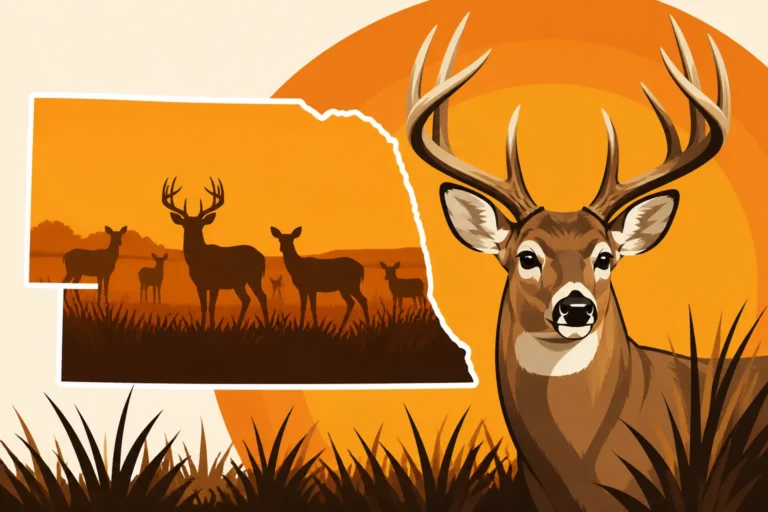
Wahoo Unit deer numbers and population trends explained using harvest data, aerial surveys, and Nebraska habitat factors.