When Ducks Migrate Through Nebraska
Duck migration timing across Nebraska helps hunters predict prime opportunities using weather, food, and Central Flyway corridors.
Know what you’re after.
Big game, small game, upland birds, and waterfowl — identification, behavior, rut and migration timing, and how each species moves through the season.
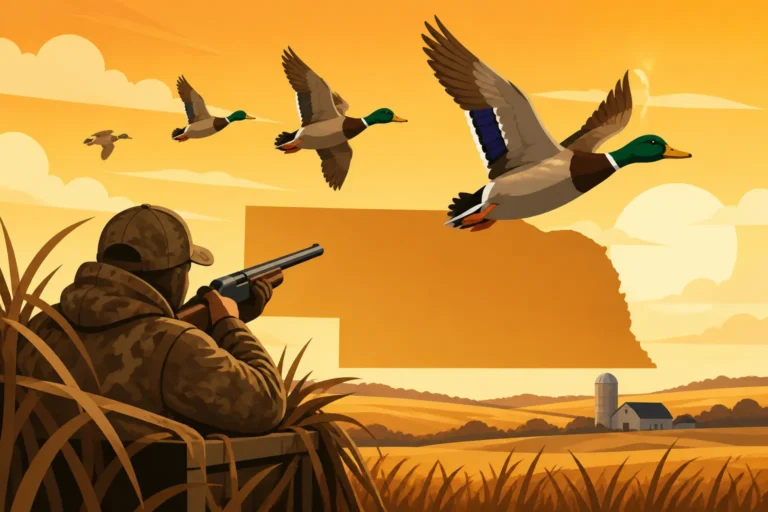
Duck migration timing across Nebraska helps hunters predict prime opportunities using weather, food, and Central Flyway corridors.
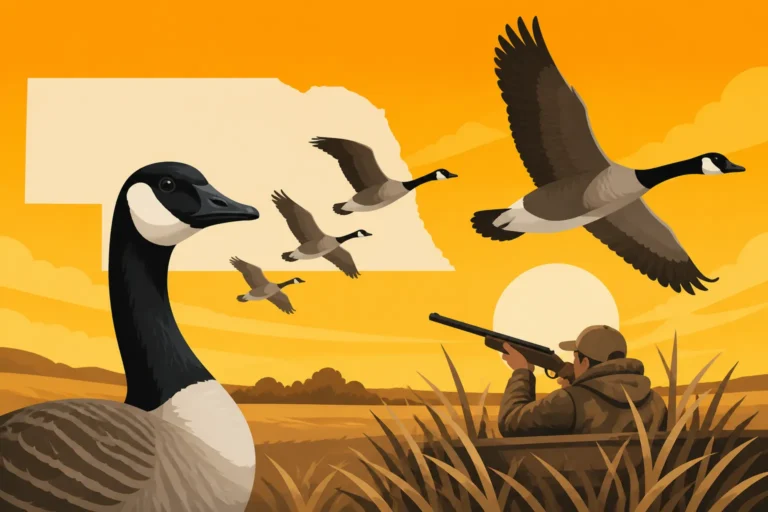
Canada goose population growth in Nebraska is explained by conservation efforts, adaptability, plentiful habitats, and abundant agricultural food sources.
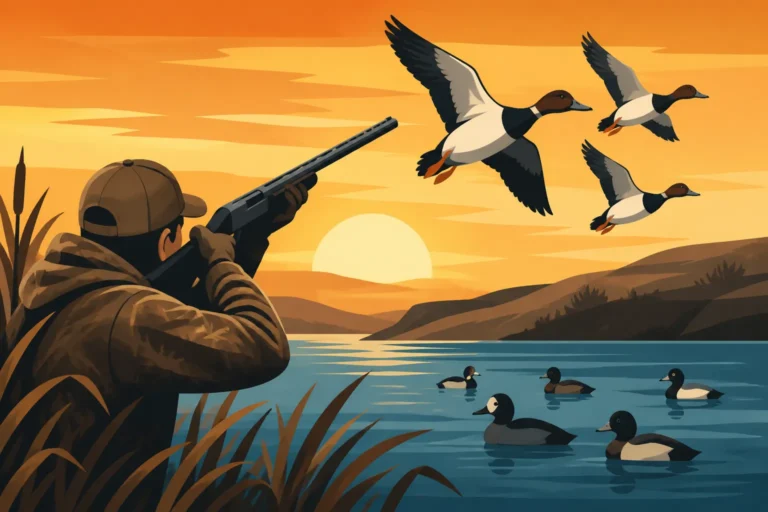
Diver duck hunting on Nebraska reservoirs requires knowing bird behavior, feeding habits, and key species preferences for success.
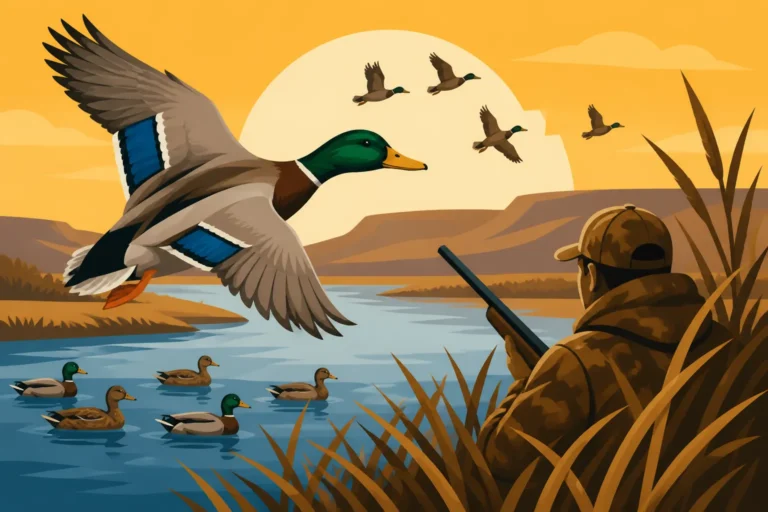
Mallard numbers on the Nebraska Platte River depend on northern breeding conditions, weather triggers, and food sources along the Central Flyway.
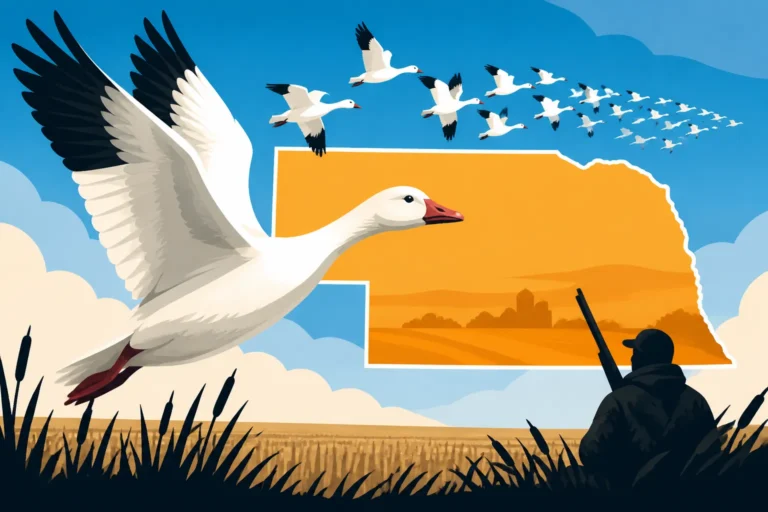
Snow goose spring migration numbers in Nebraska involve millions of birds driven by agricultural food sources and weather.
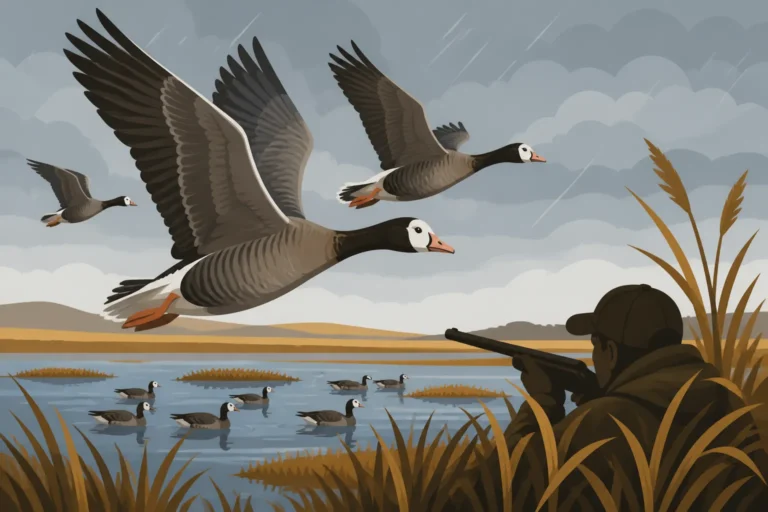
White-fronted geese in Nebraska wetlands provide challenging hunts and require hunters to understand local bird behavior and migration patterns.
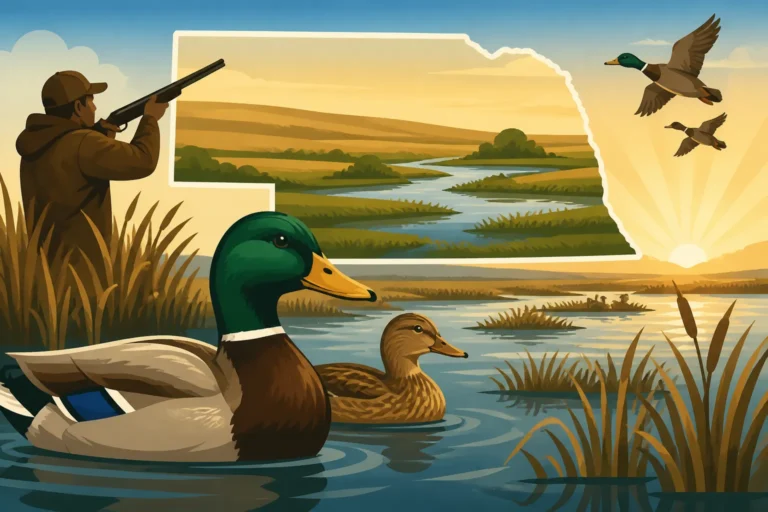
The Rainwater Basin in Nebraska provides clay-lined wetlands and vital food resources that support millions of migrating ducks.
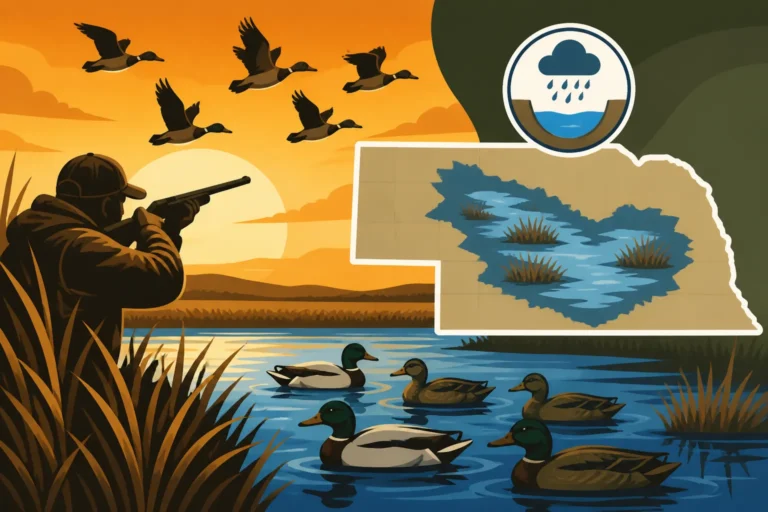
Rainwater Basin waterfowl populations in Nebraska reveal current trends and historical wetland conservation efforts for hunters.

Nebraska bighorn ram records explain Boone and Crockett scoring measurements and the history of sheep conservation in the Pine Ridge.
Nebraska bighorn sheep restoration efforts enabled the first historic hunting season in the Pine Ridge region after decades.