Bighorn Pneumonia in Nebraska Herds
Bighorn pneumonia causes severe respiratory disease in western Nebraska herds through bacterial infections and domestic sheep contact.
Know what you’re after.
Big game, small game, upland birds, and waterfowl — identification, behavior, rut and migration timing, and how each species moves through the season.
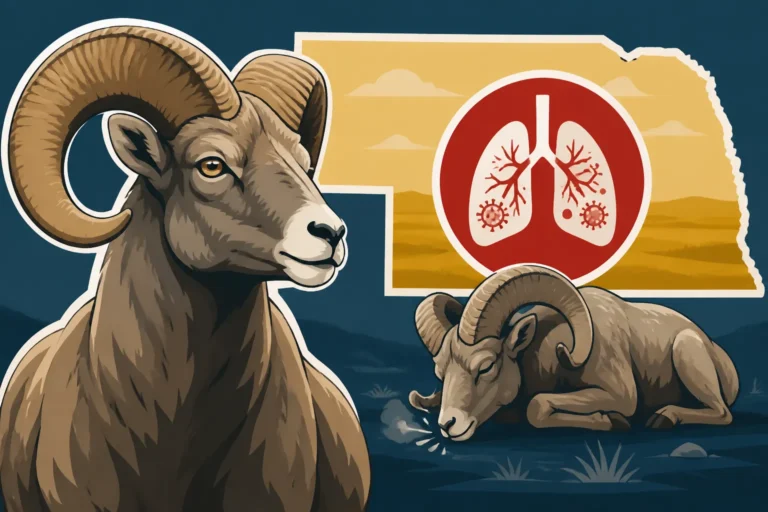
Bighorn pneumonia causes severe respiratory disease in western Nebraska herds through bacterial infections and domestic sheep contact.
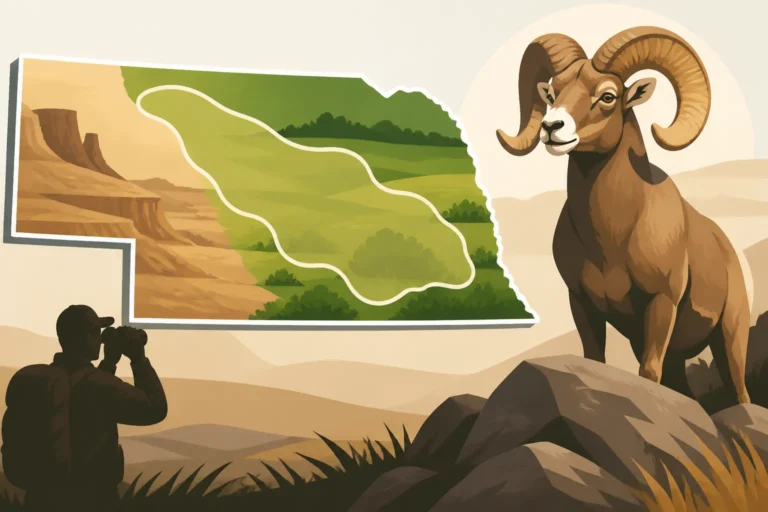
Nebraska bighorn sheep populations and their specific Pine Ridge habitats are explained through local conservation and reintroduction efforts.
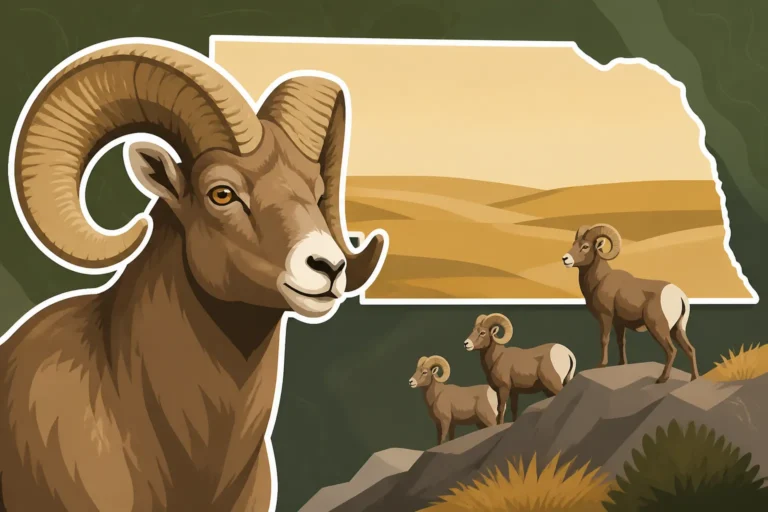
Nebraska bighorn sheep history and population numbers in the Pine Ridge region following reintroductions from Montana and Colorado.
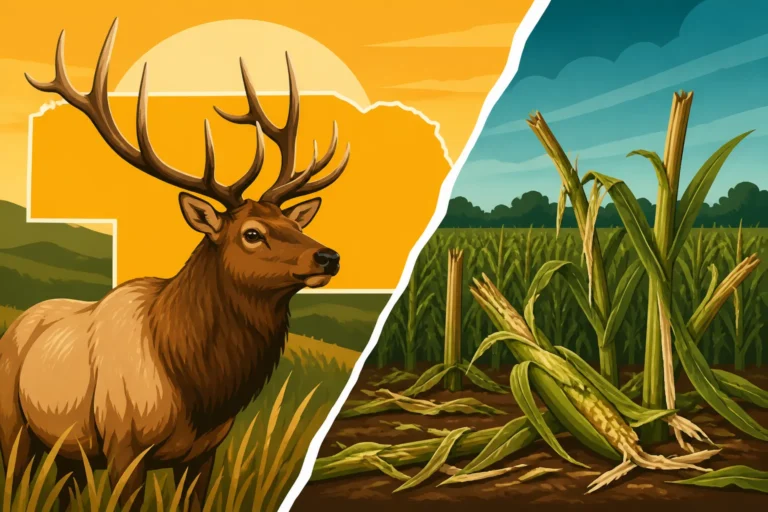
Elk crop damage in Nebraska affects farms because growing herds consume corn, alfalfa, and soybeans during the growing and winter seasons.
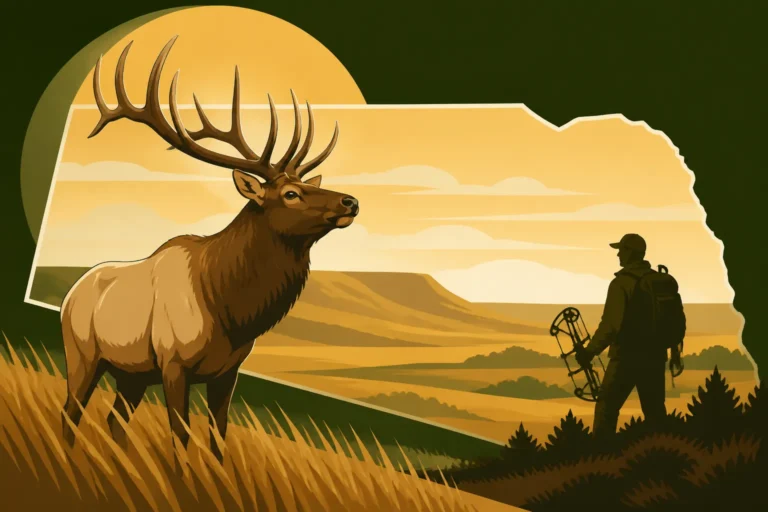
Elk disappearance from Nebraska and natural return explains how herds reclaimed the state ecosystems after historical extirpation.
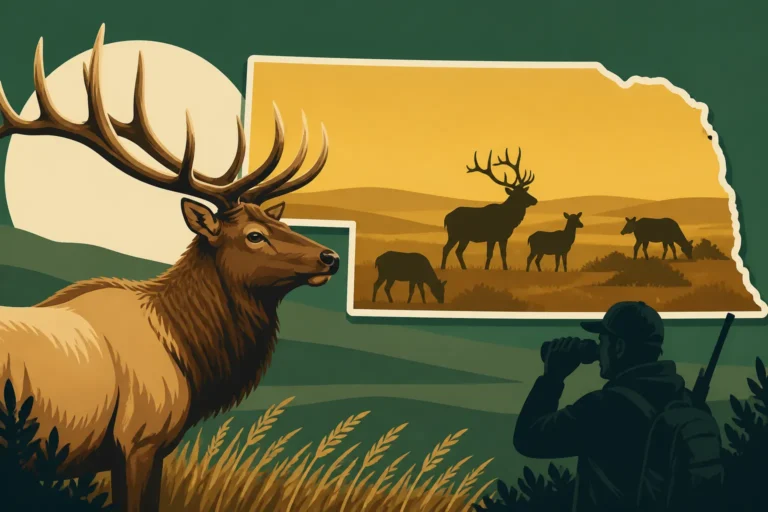
Nebraska elk population estimates and regional herd distribution across the state, including the Pine Ridge region and river systems.
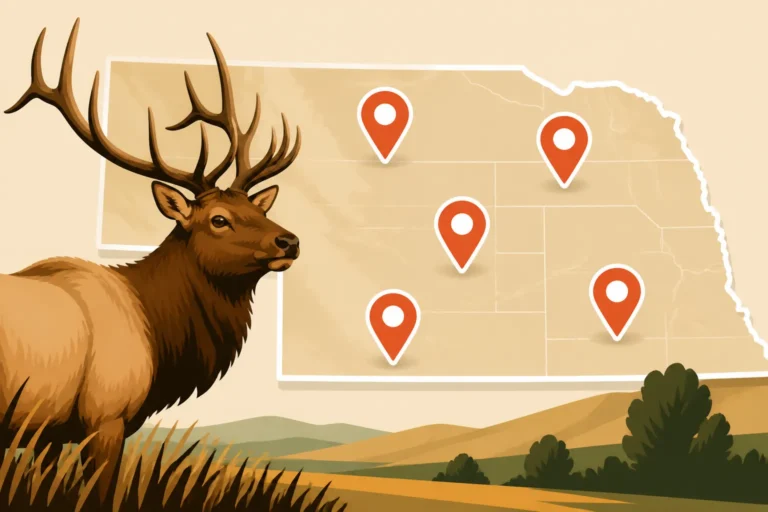
Nebraska elk herd locations span the Pine Ridge and the Niobrara River drainage, revealing where these animals live across the state.
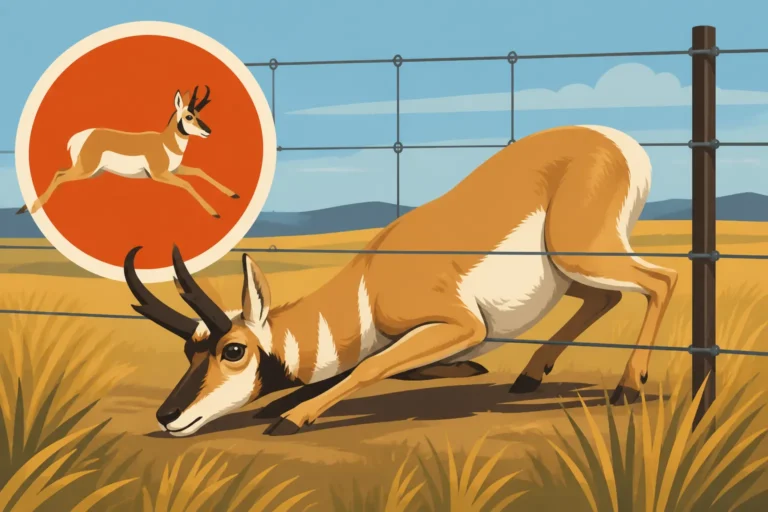
Pronghorn physical adaptations and evolutionary history explain why these animals crawl under fences instead of jumping.
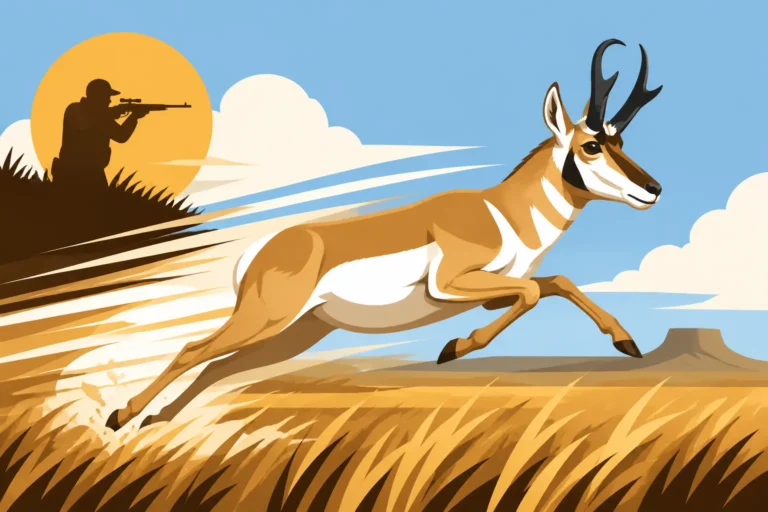
Pronghorn speed and endurance on Nebraska plains help hunters understand how large lungs and powerful hearts allow animals to outrun predators.
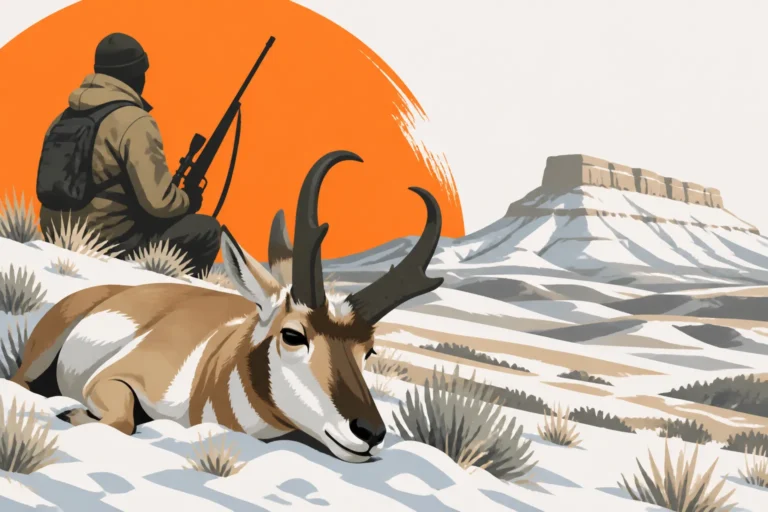
Pronghorn winter kill in the Nebraska Panhandle affects herd health, population levels, and future hunting opportunities.