Nebraska Predators and Furbearers
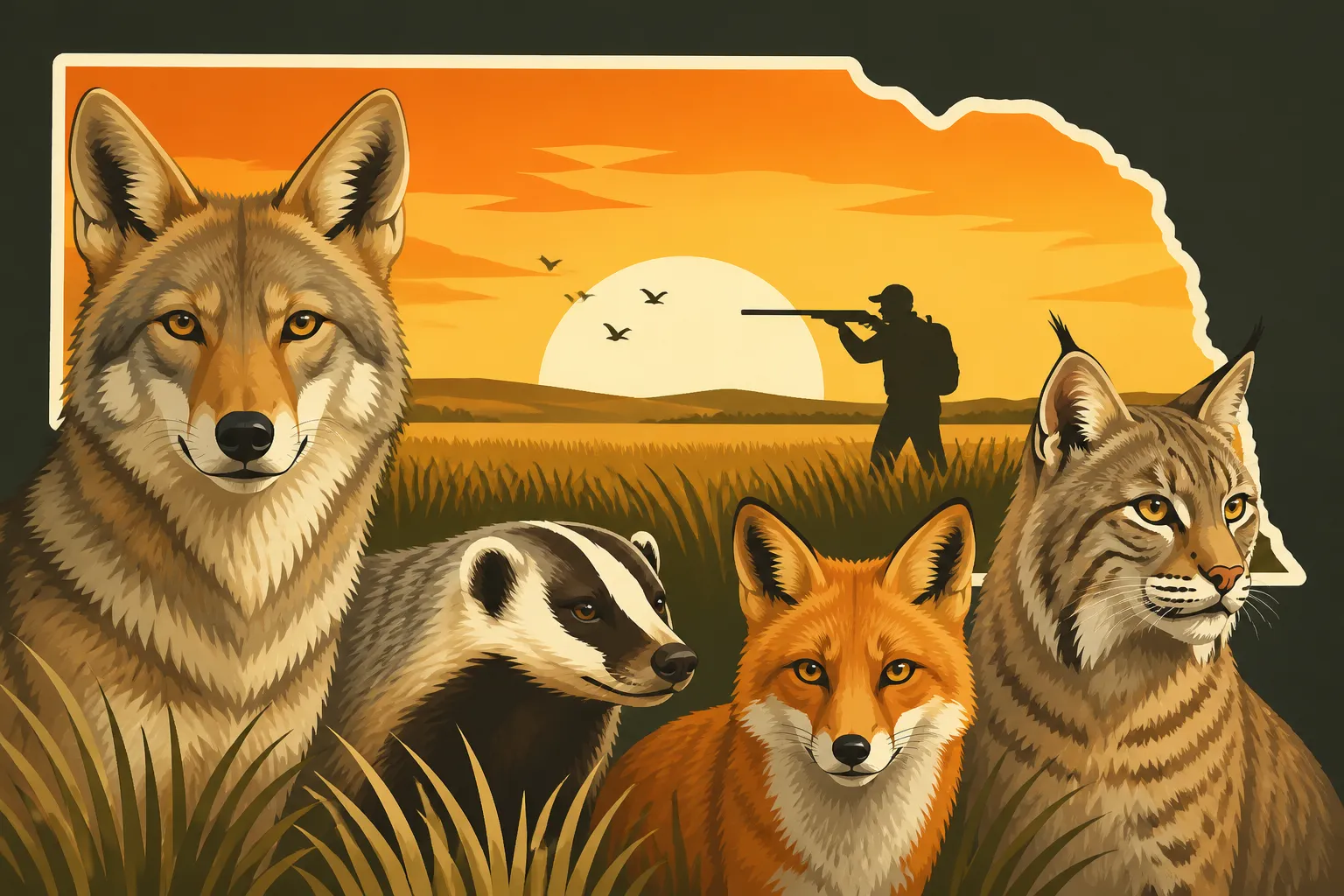
For many hunters and outdoor enthusiasts in Nebraska, the focus often gravitates towards big game like deer and elk, or the thrill of upland bird hunting. But beneath that well-trodden path lies a whole other world: the dynamic and often challenging realm of predators and furbearers. Understanding these cunning animals – from the ubiquitous coyote to the elusive bobcat and the returning mountain lion – isn't just for those specifically pursuing them; it enriches every hunter's knowledge of the ecosystem and can even improve your success with other species. This guide will take a deep dive into the diverse array of carnivores and furbearers that call Nebraska home, exploring their behaviors, preferred habitats, and the critical role they play in maintaining a balanced natural world.
Coyotes: The Ubiquitous Nebraska Predator
Coyotes are perhaps the most misunderstood and certainly one of the most resilient predators in Nebraska. They're everywhere, from the deepest Sandhills basins to the urban edges of Omaha and Lincoln, constantly adapting to whatever challenges human development or environmental shifts throw at them. This adaptability is precisely why they thrive, making them a fascinating subject for both observation and pursuit.
Understanding Coyote Behavior and Habitat
You'd be hard-pressed to find a corner of Nebraska where coyotes don't roam. They are incredibly adaptable animals, capable of living in almost any habitat, from dense timber and rugged river breaks to wide-open prairies and suburban fringe areas. Their diet is just as varied: primarily rabbits, rodents, and other small mammals, but they're also known to prey on deer fawns, game birds, and even livestock or domestic pets if opportunities arise. This opportunistic nature is a key to their success. While they can operate as solitary hunters, coyotes often live and hunt in family groups or packs, especially during the colder months when larger prey might be targeted. They are highly territorial, and you'll often hear their distinctive howls and yips, especially at dawn and dusk, which serve to communicate with their pack members and warn off intruders. Their keen senses of smell, sight, and hearing make them incredibly challenging to hunt, requiring a thoughtful approach.
Effective Coyote Hunting and Trapping Strategies
Successfully hunting coyotes often comes down to mastering calling techniques. Distress calls, mimicking an injured rabbit or fawn, are incredibly effective at drawing them in. Howling sequences can also be used to locate packs and challenge territorial males. The key is understanding how and when to use these calls and setting up strategically, always paying close attention to wind direction. Coyotes have an incredible sense of smell, and if they catch your scent, your hunt is likely over before it even begins. Winter, when their pelts are prime and visibility is often better, is a popular time for hunting. Many hunters also participate in coyote hunting to help manage local populations, especially where they might be impacting deer or pheasant numbers. For those interested in nighttime pursuits, it's crucial to be aware of Nebraska's specific Night Hunting Rules for Predators in Nebraska. Whether you're making a stand in a snow-covered field or setting up on a timber edge, scouting the area beforehand for tracks and scat can give you a significant advantage. Experienced callers often swear by specific strategies, like those outlined in guides to Coyote Calling in Nebraska Winter or Coyote Calling on Winter Grassland, adapting their approach to the specific terrain and weather conditions. Beyond hunting, trapping remains a vital tool for coyote management. Foothold traps and snares are common, but trappers must be intimately familiar with state regulations, trap types, and proper placement to ensure humane and effective results. Utilizing mapping tools like GoHunt can help pinpoint effective ambush locations or travel corridors by analyzing terrain features and historical animal movement patterns.
Population Trends and Management
Despite consistent hunting and trapping pressure, coyote populations in Nebraska remain robust, a testament to their incredible resilience and adaptability. They breed prolifically, and their numbers seem to hold strong, even expanding into new areas as landscapes change. This makes them a species managed through liberal hunting and trapping regulations, often without bag limits, giving hunters and trappers significant flexibility. While some view coyotes purely as pests, it's important to remember their ecological role. They serve as natural population control for rabbits, rodents, and other small game, helping to maintain overall ecosystem health. However, their impact on deer fawn survival or pheasant nesting success in certain areas means that active management, through hunting and trapping, is often encouraged to mitigate conflicts with livestock producers and maintain desired game populations. Responsible take, avoiding the creation of "educated" coyotes that become wary of calls and human presence, is key to sustained management efforts.
Bobcats: Elusive Felines of the Plains
Bobcats are among Nebraska's most enigmatic and beautiful predators. Their secretive nature and nocturnal habits make them a challenging pursuit, but catching a glimpse of their tawny, spotted coat and tufted ears is a rare and thrilling experience for any outdoors person.
Where Nebraska Bobcats Roam
Unlike coyotes, bobcats prefer more specific habitats. In Nebraska, you'll most often find them in areas with dense cover, such as timbered river bottoms, rugged bluffs, cedar breaks, and rocky outcroppings. The Pine Ridge in the Panhandle, the rough country along the Niobrara River, and the bluffs overlooking the Missouri River are prime bobcat territories. While historically more concentrated in western and central parts of the state, their populations have been expanding, and sightings are becoming more common in eastern Nebraska's river corridors. These solitary felines are primarily nocturnal or crepuscular (active at dawn and dusk), which is one reason they're so difficult to spot. Their diet consists mainly of rabbits, rodents, and birds, and they are adept ambush predators. Learning to identify their tracks and other signs, like those you might find while Reading Sign on a Nebraska Sandhills Two-Track, is often the best way to confirm their presence in an area. They use these rugged areas not only for hunting but also for denning and raising young, relying on the natural contours and vegetation for concealment.
Hunting and Trapping Challenges
Hunting bobcats is not for the faint of heart; it requires immense patience, skill, and often a bit of luck. Their reclusive nature makes still-hunting nearly impossible. Most successful bobcat hunters use calling techniques, similar to coyote calling, focusing on rabbit or fawn distress calls, but with a more subtle approach. Setting up in areas with thick cover and natural travel corridors is crucial. The season for bobcats usually falls within the broader fur harvester seasons, and regulations typically require a specific permit or tag, often limiting the number an individual can harvest. Trapping remains the most effective method for harvesting bobcats, appealing to skilled trappers who understand their movements and preferred ambush points. For the dedicated hunter or trapper, researching habitat with digital mapping tools, such as those found on GoHunt, can provide a critical edge in identifying potential bobcat strongholds and planning effective strategies.
Population Status and Conservation
After facing significant declines in the past, bobcat populations in Nebraska have made a remarkable comeback, demonstrating the effectiveness of modern wildlife management and conservation efforts. They are no longer considered endangered in the state, and their numbers are carefully monitored through harvest data and research. The Nebraska Game and Parks Commission manages bobcats as a valuable furbearer, with specific seasons, permit requirements, and harvest limits designed to ensure sustainable populations. Their fur is highly prized, providing an economic incentive for trappers who contribute to population management. This careful balance allows for recreational harvest while ensuring the long-term health of the species within Nebraska's diverse ecosystems. The expansion of their range speaks volumes about their resilience and the availability of suitable habitat, even as human presence continues to grow.
Mountain Lions: Return to the Pine Ridge
The majestic mountain lion, also known as cougar or puma, represents the pinnacle of wilderness in Nebraska. For many years, these apex predators were considered extirpated from the state. However, in recent decades, thanks to expanding populations in neighboring states and the natural movement of individuals, mountain lions have made a definitive return, establishing a small but significant presence, particularly in the rugged Pine Ridge.
Nebraska's Growing Mountain Lion Presence
The return of mountain lions to Nebraska is a fascinating chapter in the state's wildlife history. While individual mountain lions are occasionally sighted across Nebraska, the only confirmed breeding population is concentrated in the remote and rugged canyons and ponderosa pine forests of the Pine Ridge in the northwestern Panhandle. These areas offer the dense cover, challenging terrain, and abundant prey, primarily deer, that mountain lions require. Elk and bighorn sheep in the Pine Ridge also form part of their diet. As their numbers slowly increase, so does the frequency of sightings and confirmed tracks, indicating a steady, if cautious, re-establishment. Understanding their primary range and habits is critical for anyone recreating or hunting in these areas. For those curious about the specifics of their documented presence, delving into information like Where Mountain Lions Have Been Confirmed can provide valuable context on their distribution within the state.
Management and Limited Hunting Opportunities
Given their small population and status as a recovering species, mountain lion management in Nebraska is exceptionally cautious and highly regulated. Hunting opportunities are extremely limited, typically involving a very small number of tags issued through a lottery system, and usually only after thorough population surveys and in response to specific management goals, such as addressing depredation on livestock or human safety concerns. These hunts are often conducted under strict guidelines, sometimes even requiring specific methods or supervised participation, vastly different from general deer or elk seasons. Tags are incredibly rare and highly sought after. Unlike some western states, hunting with hounds is generally not permitted in Nebraska for mountain lions, unless in very specific circumstances related to depredation control. The primary focus of management is monitoring population health, educating the public, and minimizing conflicts with humans and livestock, rather than widespread recreational hunting. Tools like GoHunt can be invaluable for researchers and wildlife managers in tracking potential lion activity, mapping their movements, and analyzing habitat use through trail camera data and other observational records.
Coexisting with Large Predators
The presence of mountain lions brings both excitement and a new set of considerations for Nebraskans. Coexisting with large predators requires public education, especially for residents and visitors to the Pine Ridge. This includes understanding basic safety protocols when hiking or camping in lion country, as well as measures for protecting livestock. Ranchers, in particular, must be vigilant, and the Game and Parks Commission often works with landowners to implement strategies to reduce depredation. Trail cameras play an increasingly important role in monitoring lion activity without direct human disturbance, providing valuable data for wildlife managers and allowing hunters to gauge the presence of these elusive animals. As mountain lion numbers stabilize and potentially grow, fostering a respectful understanding of their ecological role and implementing proactive management strategies will be vital for a harmonious coexistence in the future.
Foxes: Red and Gray on the Landscape
Nebraska is home to two primary species of fox: the widespread red fox and the more reclusive gray fox. Both are captivating small predators that play a significant role in the state's ecosystems, each with their own unique behaviors and habitat preferences.
Red Foxes: The Opportunistic Hunter
The red fox is truly an iconic image of the North American countryside, and they are quite common across much of Nebraska. Highly adaptable, they thrive in a mosaic of habitats, preferring farmland edges, open grasslands interspersed with timber, and brushy areas. You'll even find them near human settlements, often taking advantage of suburban green spaces. Their diet is incredibly varied and opportunistic, consisting primarily of rodents, rabbits, and ground-nesting birds, but they will also readily consume insects, fruits, and carrion. This adaptability in diet and habitat is a major reason for their widespread success. Easily recognizable by their vibrant reddish-orange coat, white-tipped bushy tail, and black "stockings" on their legs, red foxes are often seen at dawn and dusk, silently patrolling fields or darting through cover. Their cunning nature and keen senses make them a challenging, yet rewarding, target for trappers and hunters.
Gray Foxes: The Climbers
The gray fox, while less common and often more elusive than its red cousin, also calls Nebraska home. Unlike red foxes, gray foxes typically prefer more timbered, brushy, and rugged habitats, particularly in the eastern and southern parts of the state. Their most distinguishing characteristic, and one that sets them apart from all other canids, is their remarkable ability to climb trees. This arboreal skill allows them to escape predators (like coyotes), find den sites, or even hunt for prey in the branches. Physically, they are smaller than red foxes, with a grizzled gray coat, a black stripe running down their tail, and a slightly shorter, coarser tail that has a black tip. Their diet is similar to that of the red fox, but they may incorporate more fruits and insects depending on the available cover. Spotting a gray fox requires a more deliberate effort, often involving scouting thicker river bottoms or dense shelterbelts.
Hunting and Trapping Foxes
Both red and gray foxes are popular targets for hunters and trappers, primarily for their valuable fur. Hunting methods often mirror those used for coyotes, with calling being a primary technique. High-pitched distress calls are particularly effective at drawing in curious foxes. Due to their smaller size and more cautious nature, a subtle approach and excellent concealment are paramount. Setting up with the wind in your favor, as you would when Using a Ground Blind on Nebraska Public Ground, is critical to avoid detection. Trapping is also a very effective method for harvesting foxes, with foothold traps and snares being commonly employed. Trappers must be knowledgeable about specific regulations regarding trap types, set locations, and checking intervals. Fox trapping seasons in Nebraska generally coincide with other furbearer seasons, typically running through the colder months when pelts are at their thickest and most valuable. Understanding the subtle differences in behavior and habitat preferences between red and gray foxes can significantly improve a hunter or trapper's success, tailoring their approach to each species.
Raccoons and Opossums: Opportunistic Scavengers
Raccoons and opossums are two of Nebraska's most recognizable and ubiquitous furbearers. While not typically thought of as predators in the same vein as coyotes or mountain lions, their opportunistic diets and adaptability mean they play a significant role in the ecosystem, often interacting with human environments. Both are managed as furbearers and provide recreational opportunities for hunters and trappers.
Raccoons: Nighttime Raiders
Raccoons are incredibly intelligent and adaptable animals, found throughout Nebraska, particularly near water sources and areas with mixed woodlands, brush, and agricultural land. Their distinctive "masked" faces and ringed tails make them easily identifiable. They are primarily nocturnal, using their incredibly dexterous front paws to explore and manipulate objects, earning them the reputation of "washing" their food, although this behavior is more about tactile exploration than actual cleaning. Their diet is incredibly broad, ranging from fruits, nuts, and berries to insects, eggs, frogs, fish, and even small mammals. They are also notorious for raiding trash cans, gardens, and agricultural crops, making them a nuisance for many landowners. Raccoon populations are generally robust, and their prolific breeding habits ensure their continued presence. For those interested in their management, knowing the Raccoon and Furbearer Trapping Seasons is essential.
Opossums: North America's Only Marsupial
The Virginia opossum holds a unique place in North American wildlife as the continent's only native marsupial. In Nebraska, they are most commonly found in the eastern and central parts of the state, preferring wooded areas near water but also adapting well to suburban and urban environments. Like raccoons, opossums are primarily nocturnal and highly opportunistic scavengers. Their diet is incredibly varied, consuming fruits, insects, snails, eggs, carrion, and small vertebrates. They are perhaps best known for their involuntary "playing dead" (or "playing 'possum") defense mechanism when threatened, a physiological response rather than a conscious choice. Opossums generally have a low metabolic rate and a relatively short lifespan, but their high reproductive rate ensures stable populations. They are often overlooked but are significant contributors to ecosystem cleanup, consuming ticks and other pests.
Hunting and Trapping for Management and Fur
Both raccoons and opossums are popular targets for hunters and trappers. "Coon hunting" with dogs at night is a traditional and highly social activity in many parts of Nebraska. Hunters typically use specially bred hounds to tree raccoons, providing exciting and challenging opportunities. Trapping, however, accounts for a significant portion of the harvest for both species, particularly for their fur, which has commercial value. Foothold traps, cage traps, and body-grip traps are commonly used, with specific regulations governing their deployment. Given their prolific breeding rates and tendency to cause damage around farms and homes, hunting and trapping serve as important management tools, helping to control populations and mitigate conflicts. In many areas, especially for raccoons, there isn't a closed season, allowing for continuous management, though specific regulations on methods and reporting always apply.
Smaller Furbearers: Weasels, Skunks, and Badgers
Beyond the headline predators, Nebraska's diverse ecosystems support a fascinating array of smaller furbearers. These animals, though often overlooked, play crucial roles in their respective niches and contribute significantly to the state's fur harvest.
Weasels: Small but Fierce Predators
Nebraska is home to several species of weasels, including the long-tailed weasel, short-tailed weasel (ermine), and the least weasel. These sleek, agile carnivores are formidable predators despite their small size. Long-tailed weasels, the most common, are found statewide in a variety of habitats, preying almost exclusively on rodents, often pursuing them into their burrows. Short-tailed weasels and least weasels are smaller and less common, typically found in more specific habitats. Weasels are known for their hyperactive nature and lightning-fast reflexes, making them incredibly efficient hunters. Their pelts, especially the ermine (short-tailed weasel in its white winter coat), have been historically valued. Weasel populations are managed primarily through trapping, which requires specific knowledge of their movements and preferred habitats to be successful.
Skunks: Defensive by Nature
You've undoubtedly smelled them before you've seen them! Nebraska hosts both striped skunks and, less commonly, eastern spotted skunks. Striped skunks are widespread and easily recognizable by their distinctive black-and-white patterns. They are omnivorous, consuming a broad diet of insects (especially grasshoppers and grubs), rodents, eggs, fruits, and carrion. Spotted skunks, smaller and more agile, have a more intricate pattern of white spots and broken stripes, and are primarily found in the southeastern and central parts of the state, often in more rugged, brushy terrain. Both species are primarily nocturnal and utilize their potent musk as a powerful defense mechanism. While their fur has some value, skunks are more frequently trapped or removed due to nuisance issues around homes or farms. Management mostly involves addressing conflicts and incidental take during furbearer seasons.
Badgers: Digging for Dinner
The American badger is a powerful and specialized furbearer found predominantly in the open grasslands and prairies of western and central Nebraska. These robust mustelids are perfectly adapted for a life of digging, with incredibly strong claws and a flattened body shape. Their diet consists almost entirely of fossorial rodents like ground squirrels, prairie dogs, and gophers, which they expertly excavate from their burrows. Badgers are largely solitary and can be active day or night, though they are most often observed during crepuscular hours. Their presence is often indicated by the numerous large holes they leave behind in pastures and fields. Badger populations in Nebraska are generally stable, and they are managed as a furbearer species, typically through trapping. Their dense, coarse fur has value, and trapping helps manage their numbers, especially where their digging habits might interfere with agricultural operations or livestock.
Aquatic Furbearers: Muskrats and Beavers
Nebraska's numerous rivers, lakes, ponds, and wetlands provide vital habitat for a range of aquatic furbearers. Among the most prominent are muskrats and beavers, both of which play significant ecological roles and are valuable targets for trappers.
Muskrats: Wetland Engineers
Muskrats are incredibly common throughout Nebraska's aquatic habitats, from the smallest farm ponds to vast marshes and the slow-moving stretches of rivers. These semi-aquatic rodents are herbivores, feeding primarily on aquatic vegetation like cattails, sedges, and water lilies. They construct distinctive lodges out of vegetation in shallow water or burrow into banks along deeper waterways. Muskrats are prolific breeders, and their populations can fluctuate dramatically depending on water levels and habitat availability. They are an important food source for a variety of predators, including mink, coyotes, and birds of prey. Historically, muskrats were a cornerstone of the fur trade, and their pelts continue to have value today. Managing muskrat populations through trapping is essential to prevent overgrazing of vegetation and bank erosion in sensitive wetland areas.
Beavers: Nature's Dam Builders
The largest rodent in North America, beavers are found in almost any permanent body of water across Nebraska, from major rivers to small creeks and reservoirs. They are renowned for their ability to fell trees and construct elaborate dams and lodges, fundamentally altering landscapes and creating new wetland habitats. Their diet consists of bark, leaves, and twigs, with a preference for aspen, willow, and cottonwood. While their engineering feats can create valuable habitat for other wildlife, beavers can also cause significant problems for landowners, including flooding agricultural fields, damaging timber, and blocking culverts. Because of this, beaver populations often require active management. Historically, beavers were the primary driver of the North American fur trade, and their dense, waterproof fur remains highly prized. Trapping remains the primary method for managing beaver populations for both fur harvest and damage control. Regulations often specify trap types and locations, particularly for water sets.
Trapping for Fur and Damage Control
Both muskrats and beavers have long been integral to Nebraska's fur harvesting tradition. Trapping seasons for these aquatic furbearers typically run during the colder months, when their pelts are prime. For muskrats, body-grip traps and conibear-style traps are effective for quick, humane dispatch. For beavers, larger body-grip traps, foothold traps, and snares are commonly used. Trapping these animals is not just about fur; it's a critical tool for managing their impact on the environment and human infrastructure. Beaver trapping, in particular, helps prevent property damage and maintains healthy water flow. Trappers must be acutely aware of specific regulations regarding trap sizes, locations, and landowner permissions. Knowledge of water dynamics, animal travel routes, and responsible trap placement is paramount for ethical and effective trapping.
The Critical Role of Predator Management in Nebraska
Understanding and managing Nebraska's diverse predator and furbearer populations is not just about hunting opportunities; it's a fundamental aspect of wildlife conservation that impacts nearly every other species in the state. From maintaining ecological balance to mitigating conflicts with human interests, active management is a complex but vital endeavor.
Ecological Balance and Wildlife Health
Predators, from the smallest weasel to the largest mountain lion, play an indispensable role in maintaining the health and balance of Nebraska's ecosystems. They act as natural selection agents, often targeting the weak, sick, or old individuals within prey populations. This helps to prevent overpopulation, which can lead to habitat degradation and the spread of disease. For instance, coyotes help keep rodent and rabbit populations in check, while mountain lions ensure deer herds remain robust. Similarly, scavengers like opossums and raccoons help clean up carrion, reducing disease vectors. The intricate food web connecting these species means that changes in one predator population can have cascading effects throughout the ecosystem. Understanding these interdependencies is crucial for any conservation strategy, highlighting how predator populations serve as vital indicators of overall ecosystem health.
Hunting and Trapping as Conservation Tools
For centuries, hunting and trapping have been recognized as effective wildlife management tools. In Nebraska, regulated hunting and trapping seasons for predators and furbearers serve multiple conservation purposes. They help manage populations at sustainable levels, preventing both overpopulation and the potential for increased disease transmission. For species like coyotes or beavers, where populations are robust, harvest helps mitigate conflicts with livestock producers and landowners, reducing depredation on cattle or damage to crops and waterways. The sale of furs also provides an economic incentive, encouraging landowners and trappers to participate in these management efforts. Modern trapping methods are highly regulated, with a strong emphasis on humane practices and selective harvest. Ethical hunting and trapping, therefore, contribute directly to the overall health and sustainability of Nebraska's wildlife. Additionally, tools like GoHunt can assist hunters in scouting areas for furbearer activity, identifying prime habitat based on terrain features, and even tracking regulations changes, ensuring a more informed and compliant approach to these pursuits.
Navigating Regulations and Public Access
Participating in predator hunting or furbearer trapping in Nebraska requires a thorough understanding of current regulations, seasons, and licensing requirements. All hunters and trappers must possess a valid Nebraska hunting permit and a Nebraska Habitat Stamp and Hunter Education. For certain species, like bobcats or mountain lions, specific tags or permits may be required. Regulations can change annually, so it's always critical to consult the most up-to-date Nebraska Game and Parks Commission guides. Finding access to land is another key consideration. While some predator hunting can occur on private land with permission, Nebraska offers extensive public hunting opportunities through its Wildlife Management Areas (WMAs) and the Nebraska's Open Fields and Waters Program. Resources like the Planning a Hunt From the Public Access Atlas or the user-friendly Nebraska Public Access Atlas Mobile App are invaluable for identifying publicly accessible lands and understanding specific rules for each area, such as vehicle restrictions or blind placement. Always respect private land boundaries, and remember that retrieving game from private land without permission constitutes trespass, which can lead to serious legal consequences under Nebraska Trespass and Permission Law. By being informed and responsible, hunters and trappers can contribute positively to wildlife management and enjoy the unique challenges offered by Nebraska's diverse predators and furbearers.
Disclaimer
Always check the latest Nebraska Game and Parks Commission regulations before hunting or trapping, as rules and seasons are subject to change.