Wild Turkeys in Nebraska and Their Decline
It's heartbreaking to witness a decline in any cherished game species, and for many of us who look forward to chasing gobblers across the Cornhusker State, the recent downturn in wild turkey populations has been a tough pill to swallow. Where once robust flocks seemed to thrive, now hunters are reporting fewer birds, quieter woods, and tougher hunts. This guide dives deep into the complex reasons behind this concerning trend, offering a candid look at what's truly happening on the ground and what it means for the future of turkey hunting in Nebraska.
The Rollercoaster Ride of Nebraska's Wild Turkey Populations
For decades, the story of wild turkeys in Nebraska was one of conservation success. From nearly disappearing in the early 20th century, wild turkeys — primarily Merriam's, Eastern, and Rio Grande subspecies — were reintroduced and thrived, spreading across the state’s diverse landscapes. Hunters flocked to Nebraska, drawn by generous bag limits and the promise of encountering multiple subspecies. It was a golden era, a testament to effective wildlife management and the adaptability of these incredible birds.
A Brief History of Resurgence
Back in the day, after their initial reintroduction efforts in the 1950s and 60s, Nebraska saw its wild turkey numbers absolutely explode. The Nebraska Game and Parks Commission, along with local conservation groups, spearheaded efforts to bring these magnificent birds back to areas where they had been absent for nearly a century. This involved trapping turkeys from areas with healthy populations and releasing them into suitable habitats across Nebraska, particularly in the Pine Ridge, river bottoms, and wooded areas. The birds found a welcoming home in the state's patchwork of timber, grasslands, and agricultural fields.
The initial success was remarkable. Populations quickly established themselves, expanded their range, and offered fantastic hunting opportunities. It truly felt like a win for wildlife and hunters alike. We saw birds not just in the traditional timbered river corridors but also venturing into shelterbelts and even suburban fringes. It was a clear sign of how well they had adapted to our landscape. You can learn more about the specific Turkey Subspecies Found in Nebraska and their historical ranges.
The Unmistakable Shift: Current Population Trends
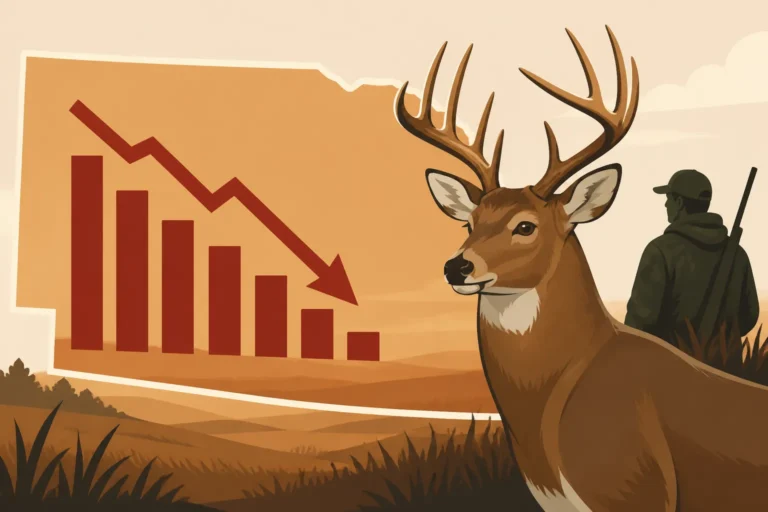
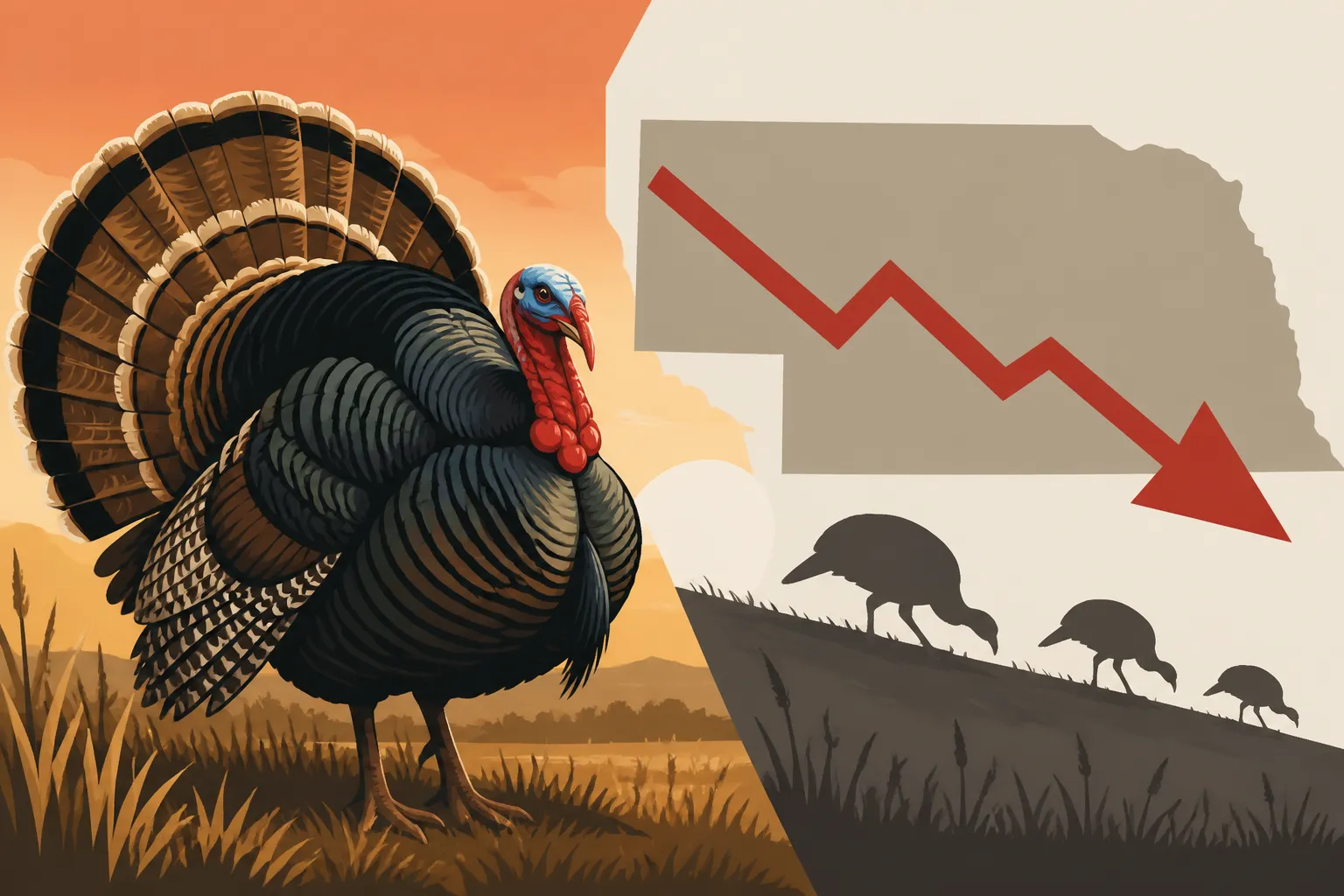
Fast forward to today, and the mood has shifted significantly. Over the last decade or so, a noticeable and concerning decline has taken hold. Hunters across the state are reporting fewer birds, and the silence in woods that once echoed with gobblers is stark. This isn't just anecdotal evidence; official surveys conducted by the Nebraska Game and Parks Commission confirm what many of us have been seeing and feeling on our hunts.
The peak of the turkey population in Nebraska seems to be behind us, and while we're not talking about a return to the near-extinction levels of the past, the downward trajectory is undeniable. We're talking about a significant drop, one that has led to a lot of questions, theories, and concern among the hunting community. It’s hard not to feel a pang of sadness when you remember those abundant years and compare them to the challenging seasons we're facing now.
Unpacking the Decline: What's Really Happening?
It's easy to point a finger at one single cause when you see a species struggling, but the reality with Nebraska's wild turkeys is far more complicated. There isn't a single "smoking gun" responsible for the decline; instead, it's a perfect storm of multiple environmental, biological, and anthropogenic factors that have converged to create this challenging situation. Understanding this complexity is the first step toward figuring out solutions.
The Multi-Faceted Nature of the Problem
The decline is a mosaic of interwoven issues, each contributing in its own way to the overall picture. We're looking at things like habitat degradation, harsh weather patterns, increased predation, and even potential disease impacts. It's not just about one bad winter or a single area losing its trees; it's a systemic challenge affecting turkeys across much of their Nebraska range. This multi-faceted problem means that any solutions will also need to be comprehensive and adaptive, rather than a quick fix.
It's truly frustrating because, as hunters, we often feel helpless in the face of these large-scale environmental changes. We see the effects firsthand, but the causes often seem too big to tackle individually. This is why understanding all the pieces of the puzzle is so important – it helps us know where our efforts, however small, might make a difference. The more informed we are, the better we can advocate for and participate in meaningful conservation efforts.
Data and Hunter Observations Aligning
What makes this decline so undeniable is that the scientific data and the firsthand accounts from hunters are telling the same story. Nebraska Game and Parks biologists conduct rigorous surveys, poult counts, and harvest analyses, and their findings consistently show a downward trend in turkey numbers. This data aligns eerily with what hunters are experiencing in the field: fewer gobblers heard, fewer hens with broods, and generally harder hunting.
When you're out there, day after day, and you're not seeing the birds you used to, it's disheartening. And when that gut feeling is backed up by official reports, it validates your concerns. This convergence of data and anecdotal evidence underscores the severity of the situation and highlights that it's not just a localized issue or a "bad year" – it's a sustained trend. GoHunt, a valuable resource for hunters, often compiles and presents state wildlife agency data, allowing hunters to see these trends for themselves and help inform their hunting strategies. This kind of transparency helps us all understand the challenges we're facing.
The Critical Role of Habitat: More Than Just Trees
Habitat is the foundation of any healthy wildlife population, and for wild turkeys, it's especially critical. They need a mosaic of different cover types for roosting, nesting, foraging, and raising their young. In Nebraska, changes to our landscape have undeniably played a significant role in their struggles. It’s not just about the presence of trees, but the quality and connectivity of those habitats that truly matter.
Loss of Quality Brood-Rearing Habitat
One of the most significant factors contributing to the decline in turkey numbers, particularly for our future generations of birds, is the loss of quality brood-rearing habitat. Young turkeys, or poults, are incredibly vulnerable during their first few weeks of life. They need dense, insect-rich cover to hide from predators and to feed on protein-packed bugs that fuel their rapid growth. Think of native grasses, dense forbs, and areas with good overhead cover but open understory that allows them to move easily.
Unfortunately, many of these ideal areas have diminished. Intensive agricultural practices, the conversion of grasslands to row crops, and even certain types of timber management can reduce the availability of this critical cover. When hens don't have safe places to nest and raise their poults, survival rates plummet. This is a major reason Why Nebraska Turkey Poult Survival Dropped has been such a concern for wildlife managers and hunters alike. Without successful reproduction, the overall population simply can't sustain itself.
Fragmentation and Its Impact on Roosting and Foraging
Beyond just the amount of habitat, the way it's laid out on the landscape – its fragmentation – also has a profound impact. Wild turkeys require large, interconnected blocks of suitable habitat. They roost in tall trees at night, forage across open fields and woodlands during the day, and hens need secluded spots for nesting. When these areas become isolated by roads, development, or vast monoculture crops, it makes life incredibly difficult for them.
Habitat fragmentation essentially creates islands of suitable land, making it harder for turkeys to safely move between crucial areas. This can lead to increased predator exposure, limits their genetic diversity, and restricts access to diverse food sources throughout the year. Imagine a hen trying to lead her brood across a wide-open cornfield with no cover for a quarter-mile to reach the nearest creek bottom – it’s a death trap. This isolation means that even if a pocket of habitat is good, it might not be enough if it’s disconnected from other vital areas.
Weather's Unpredictable Hand: A Threat to Young Turkeys
Nebraska weather is legendary for its extremes, and while wildlife has evolved to cope with its variations, recent patterns have been particularly challenging for wild turkeys, especially the fragile poults. The timing and intensity of weather events can be a brutal deciding factor in a turkey's first few weeks of life, directly impacting recruitment into the population.
Excessive Spring Moisture and Cold Snaps
Picture this: A hen successfully hatches a clutch of poults in late spring, a small victory after weeks of incubation. But then, a sudden cold snap rolls through, bringing with it torrential rains that last for days. Poults, especially those less than two weeks old, are incredibly susceptible to hypothermia. Their downy feathers offer little insulation when soaked, and they can chill quickly, often leading to mortality. Prolonged wet conditions also make them more vulnerable to disease.
We've seen years where Nebraska experienced unseasonably cold, wet springs right during the peak hatch. These events can wipe out entire broods, significantly reducing the number of young birds that make it to adulthood. It's a natural cycle, yes, but when these extreme weather events become more frequent or severe, the impact on turkey populations can be devastating. This directly contributes to the challenges of How Far Nebraska Turkey Numbers Have Fallen.
Drought and Its Lingering Effects
On the flip side, extreme drought conditions, which Nebraska has also experienced in recent years, present their own set of problems for turkeys. While not as immediately fatal to poults as cold, wet weather, drought profoundly impacts their environment in the long term. Dry conditions can reduce the abundance of insects – a crucial food source for growing poults and even adult hens – and limit the growth of lush, protective cover.
Furthermore, prolonged drought can stress adult birds, impacting their overall health and reproductive success in subsequent seasons. When water sources dry up, turkeys are forced to travel further, expending more energy and exposing themselves to predators. The cumulative effect of several dry years can weaken the entire population, making them less resilient to other stressors like disease or severe winters. It's a subtle but powerful force shaping the health of our wild turkey flocks.
The Balancing Act: Predators and Disease Pressures
Beyond habitat and weather, the daily struggle for survival against predators and the insidious threat of disease also plays a significant role in the wild turkey decline. While predators have always been part of the ecosystem, changes in their populations or turkey vulnerability can tip the scales. Similarly, disease can sweep through a population, especially one already stressed by other factors.
Predator Swings and Turkey Vulnerability
Nebraska is home to a robust population of various predators, including coyotes, raccoons, opossums, skunks, and various raptors. These animals have always preyed on turkeys, especially eggs and poults, and sometimes even adult birds. However, the balance can shift. If predator populations increase or if turkeys become more vulnerable due to habitat loss (less cover to hide in) or other stressors, the impact can be magnified.
For example, increased coyote populations, which thrive in many parts of Nebraska, can put significant pressure on turkey nests and poults. Raccoons are notorious nest predators. When hens are forced to nest in less secure areas due to habitat fragmentation, or if a severe winter has already weakened a flock, the cumulative effect of predation can become a major limiting factor. It's not necessarily an overpopulation of predators, but rather the increased effectiveness of predation due to other ecological changes that poses a threat. This constant pressure is another factor making it challenging to maintain Nebraska Turkey Population Estimate levels.
Disease Concerns: Avian Flu and Other Ailments
Disease can be an invisible enemy that silently decimates wildlife populations. While extensive statewide turkey die-offs directly attributable to a single disease haven't been widely reported in Nebraska, the threat is always present. Avian influenza, or bird flu, is a particular concern, especially as it can affect wild bird populations and has been detected in various parts of the country. While domestic poultry are often hit hardest, wild turkeys are susceptible.
Beyond large-scale outbreaks, turkeys can also be affected by other pathogens and parasites. A population already stressed by poor habitat, severe weather, or heavy predation might be more vulnerable to otherwise manageable diseases. Regular monitoring and, where possible, testing, are crucial for wildlife agencies like Nebraska Game and Parks to stay ahead of potential health crises. It’s a silent, ever-present threat that adds another layer of complexity to the turkey decline.
Adapting to the New Reality: Management and Hunting Adjustments
With wild turkey populations facing these numerous challenges, the Nebraska Game and Parks Commission has had to make some tough decisions regarding season structures and permit allocations. These changes are often met with mixed feelings from hunters, but they are crucial steps aimed at ensuring the long-term health and viability of the turkey resource.
Changes in Season Dates and Bag Limits
In response to the declining numbers, Nebraska Game and Parks has made adjustments to the turkey hunting seasons. For instance, the general statewide bag limit for spring turkeys was reduced, and the archery season opener was shifted to later in the year. These changes are designed to reduce overall harvest pressure and, in the case of the later opener, potentially reduce disturbance to nesting hens early in the breeding cycle.
Many hunters felt the sting of these changes, especially those who loved the traditional early spring archery opener. But it’s a necessary conservation measure. The goal is to provide birds a better chance at successful reproduction and ensure that the harvest is sustainable. These regulations are dynamic, so it's always important to check the current Nebraska Spring Turkey Season Dates and Nebraska Turkey Daily Harvest Limit before you head afield. These decisions are never made lightly and are based on years of data collection and biological understanding.
Hunter Behavior and Ethical Considerations
Beyond regulations, hunter behavior itself plays a critical role in conservation. In times of declining populations, it becomes even more important for hunters to be ethical, responsible, and mindful of their impact. This includes things like being absolutely certain of your shot, avoiding over-pressuring birds, and respecting private landowners.
For example, late-season pressure, especially on public lands, can push already wary birds out of an area, making it difficult for other hunters and potentially stressing the turkeys. Practicing good woodsmanship, knowing when to back off, and ensuring quick, clean kills are more vital than ever. As hunters, we are often the first line of defense for wildlife, and our actions directly reflect our commitment to the resource. We have a shared responsibility to ensure that future generations can also experience the thrill of a gobbler echoing through the timber.
Understanding Permit Dynamics
The availability and sale of turkey permits are a direct reflection of the population's health and the management strategies in place. As populations have declined, changes to permit sales and structures have been inevitable. For non-residents, this has meant facing limits and quicker sell-outs.
Nebraska has a The 10,000 Nonresident Turkey Permit Cap for spring turkey hunters, and in recent years, these permits have sold out much faster than they used to, sometimes in mere days. This creates a challenging situation for non-residents hoping to hunt Nebraska. Residents also see shifts in permit availability and often have to plan ahead for when Nebraska Spring Turkey Permit On-Sale Date arrives. GoHunt, a valuable platform, often tracks permit availability and draw odds for various species, which can be an immense help for hunters planning their seasons, especially when trying to navigate these more restrictive permit landscapes. Understanding these dynamics is crucial for anyone hoping to secure a Nebraska turkey tag in the coming years, especially as Turkey Permit Changes Since the Population Decline continue to evolve.
| Year | Season Type | Bag Limit (Spring) | Permit Sales (Non-Resident) | Notes on Management |
|---|---|---|---|---|
| Pre-2020 | Archery, Shotgun | Higher (e.g., 2-3 birds) | Readily Available | Robust populations, liberal seasons. |
| 2020-2022 | Archery, Shotgun | Reduced (e.g., 2 birds) | Selling Faster | Initial response to observed decline. |
| 2023+ | Archery, Shotgun | Further Reduced (e.g., 1-2 birds) | Selling Out Quickly | More aggressive measures due to continued decline, later archery opener. |
| Future | TBD | Could be further adjusted | Expect continued limitations | Dependent on population recovery, ongoing monitoring. |
What This Means for Your Nebraska Turkey Hunt
Given the current state of wild turkey populations in Nebraska, hunters need to adjust their expectations and strategies. Those "easy" hunts of yesteryear are largely gone, and success now requires more effort, smarter planning, and a dose of realism. It’s no longer a guarantee to find birds just by showing up; now, it’s about adapting to the challenges.
Increased Scouting Importance
If there was ever a time to emphasize pre-season scouting, it's now. With fewer birds on the landscape, finding them before the season even opens becomes paramount. This means more time in the field, listening for gobblers, looking for fresh sign like droppings and tracks, and identifying potential roosting and feeding areas. Don’t rely on old spots that used to be productive; turkeys move, and their numbers fluctuate.
Mapping tools and apps can be incredibly useful here. Using aerial imagery, topo maps, and land ownership overlays (which services like GoHunt offer) can help you identify promising habitat features from your couch, narrowing down your search before you even hit the dirt. Pay close attention to subtle terrain features, creek bottoms, and the edges where different habitat types meet. Thorough scouting dramatically increases your odds in a tougher hunting environment. You can also benefit from learning how to effectively Reading Sign on a Nebraska Sandhills Two-Track or other terrain types.
Tactical Shifts for Success
The days of just setting up a decoy and waiting for a gobbler to charge in might be fewer and further between. Hunters need to become more mobile, more patient, and more adaptable. "Run-and-gun" tactics, moving frequently to cover more ground and locate birds, can be highly effective, especially on larger tracts of Public Hunting Land in Nebraska. Calling strategies might need to be more subtle, less aggressive, to avoid spooking wary birds.
Understanding the specific habits of birds in the area you’re hunting – whether they’re Merriam's in the Pine Ridge or Easterns along a river corridor – is key. Consider changing your setup locations based on wind, sun, and cover. Learning Calling Spring Gobblers in Nebraska Timber effectively, and knowing when not to call, will become even more crucial. It's about outsmarting smarter birds, not just relying on sheer numbers. For archers, this may also involve adjusting tactics for Hunting Turkeys With a Bow in Nebraska.
Managing Expectations
Perhaps the hardest adjustment for hunters is managing expectations. It’s important to acknowledge that success rates will likely be lower than they were during the peak population years. There will be more quiet mornings, more days without a bird in hand, and more tags going unfilled. This doesn’t mean the hunt isn’t enjoyable or rewarding, but it does mean a shift in mindset is necessary.
Embrace the challenge, enjoy the process, and appreciate every gobble you hear and every bird you see. Focus on the experience of being in the outdoors, honing your skills, and connecting with nature. A successful hunt isn’t solely defined by punching a tag, especially when the resource is facing challenges. It's about respecting the animal and the opportunity.
Beyond the Hunt: Supporting Turkey Conservation
While the decline in wild turkey numbers is disheartening, it's not a reason for despair. There are tangible steps that hunters and conservationists can take to support recovery efforts. Our passion for hunting turkeys can be channeled into meaningful action that benefits the species for generations to come.
Habitat Improvement on Private and Public Lands
Habitat is the foundation, and improving it is arguably the most impactful way to support wild turkey populations. On private lands, this means working with landowners to encourage practices that benefit turkeys, such as planting native grasses for nesting and brood-rearing, maintaining diverse timber stands, and establishing food plots designed for wildlife. Programs are often available through local conservation districts to assist landowners with these efforts.
On public lands, hunters can advocate for and support projects undertaken by Nebraska Game and Parks and other conservation organizations. This could involve supporting prescribed burns to improve forest health and create better brooding cover, or working to restore native prairie. Every acre of enhanced habitat can make a difference, providing turkeys with the essential resources they need to thrive. Utilizing resources like Where Cameras Help on Pressured Ground can also help managers understand turkey movement patterns in response to habitat changes.
Getting Involved: Citizen Science and Advocacy
Hunters are often the eyes and ears of wildlife management agencies. Your observations from the field are incredibly valuable. Participate in citizen science initiatives, such as voluntary brood surveys where you report sightings of hens with poults. This data helps biologists understand reproductive success and population trends. Be honest and thorough in your harvest reports; this data is critical for setting future seasons and bag limits.
Beyond reporting, become an advocate for sound wildlife management. Support organizations like the National Wild Turkey Federation (NWTF), which dedicates significant resources to turkey habitat improvement and research. Attend public meetings, communicate with your state legislators, and make your voice heard on issues that impact wildlife. Purchasing a Nebraska Habitat Stamp and Hunter Education permit also directly contributes funds to these crucial conservation efforts. Our collective passion can translate into powerful advocacy for the future of wild turkeys in Nebraska.
Disclaimer
Please note: Hunting regulations, season dates, and permit availability are subject to change. Always consult the latest Nebraska Game and Parks Commission regulations before planning any hunt.