When Nebraska Archers Must Wear Orange
There's a common misconception, and frankly, a lot of understandable confusion, among archers in Nebraska about when exactly that bright blaze orange vest needs to come out of the pack. You spend hours meticulously camouflaging yourself for archery season, only to hit a wall of uncertainty when November rolls around. It’s frustrating to try and stay legal and safe when the rules can feel a bit nuanced. This guide is here to clear up that confusion, specifically addressing when Nebraska archers must wear blaze orange, and why adhering to these regulations isn't just about avoiding a ticket, but about ensuring everyone's safety in the field.
Understanding Nebraska's Blaze Orange Mandate for Archers
Let's cut right to the chase because this is where the primary confusion lies for many bowhunters. For the vast majority of Nebraska's archery deer season, from its opening in September all the way through October, you are not required to wear blaze orange. You've worked hard on your concealment, your scent control, and your stealth, and those efforts are perfectly in line with the regulations during these months. However, there's a specific, critically important window when this changes, and it's essential for every archer to be aware of it.
The Critical Overlap: Archery During Firearm Season
The moment Nebraska's nine-day November firearm deer season kicks off, the rules for archers shift dramatically. If you choose to continue bowhunting during this period, you are absolutely required to wear blaze orange. This isn't a suggestion; it's a mandatory safety regulation designed to prevent tragic accidents. Imagine this scenario: you're quietly still-hunting a river bottom or sitting in a treestand on a cornfield edge, fully camouflaged, and a firearm hunter, perhaps participating in a deer drive on small Nebraska timber, might mistake movement for a deer. This is precisely the kind of situation the blaze orange rule aims to mitigate. The woods suddenly become a shared space with hunters using different methods, and visibility becomes paramount. If you're planning on Bowhunting Through the November Firearm Season, this is the single most important rule to remember. Many archers choose to avoid hunting during this rifle season for this very reason, preferring the solitude and lower pressure of the pure archery months. But if you decide to brave it, make sure you're properly visible.
General Archery Season Rules When Orange Isn't Needed
Outside of that November firearm deer season overlap, Nebraska's archers enjoy the full benefit of camouflage. From the moment When Nebraska's Archery Deer Season Opens in early September, throughout the warmer early season, the exciting Hunting the Pre-Rut in Late October, and into the crucial period When the Whitetail Rut Peaks in Nebraska (which often extends into late October and early November before the rifle season), you can remain fully concealed. This allows you to truly embrace the stealth and close-quarters challenge that bowhunting offers. You're trying to fool a deer's keen senses, and a bright orange layer would completely defeat that purpose. Many hunters cherish these early archery months precisely because of this freedom to blend seamlessly into the environment. It’s a distinct advantage and part of the unique appeal of bowhunting. The key takeaway here is: if no firearm deer season is active, no blaze orange is required for archery deer hunting.
Deciphering the 400 Square Inch Rule
So, you know when you need to wear it, but what exactly does "blaze orange" mean in terms of coverage? Nebraska's regulations are quite specific about the amount of blaze orange you need to display. It's not just a hat; it's a significant portion of your upper body and head. Understanding this detail is crucial for compliance and, more importantly, for your safety.
What Counts as Legal Blaze Orange
Nebraska law stipulates that hunters must wear at least 400 square inches of blaze orange material on the head, chest, and back. This can't just be any orange; it must be true "blaze orange" or "hunter orange," a specific shade designed for high visibility in natural settings. Fluorescent pink or other bright colors, while visible, do not meet the legal definition. This means your hat, vest, or jacket needs to cover a substantial area. A simple orange baseball cap, for instance, won't cut it on its own. You'll need something more substantial, like a vest or an outer layer of a jacket that provides the necessary square inch coverage. When checking your gear, think about visibility from all angles – front, back, and sides. Websites like GoHunt often have great resources for understanding specific state regulations and even gear recommendations that meet these standards, helping you ensure you're squared away before hitting the timber.
Practical Application for Bowhunters
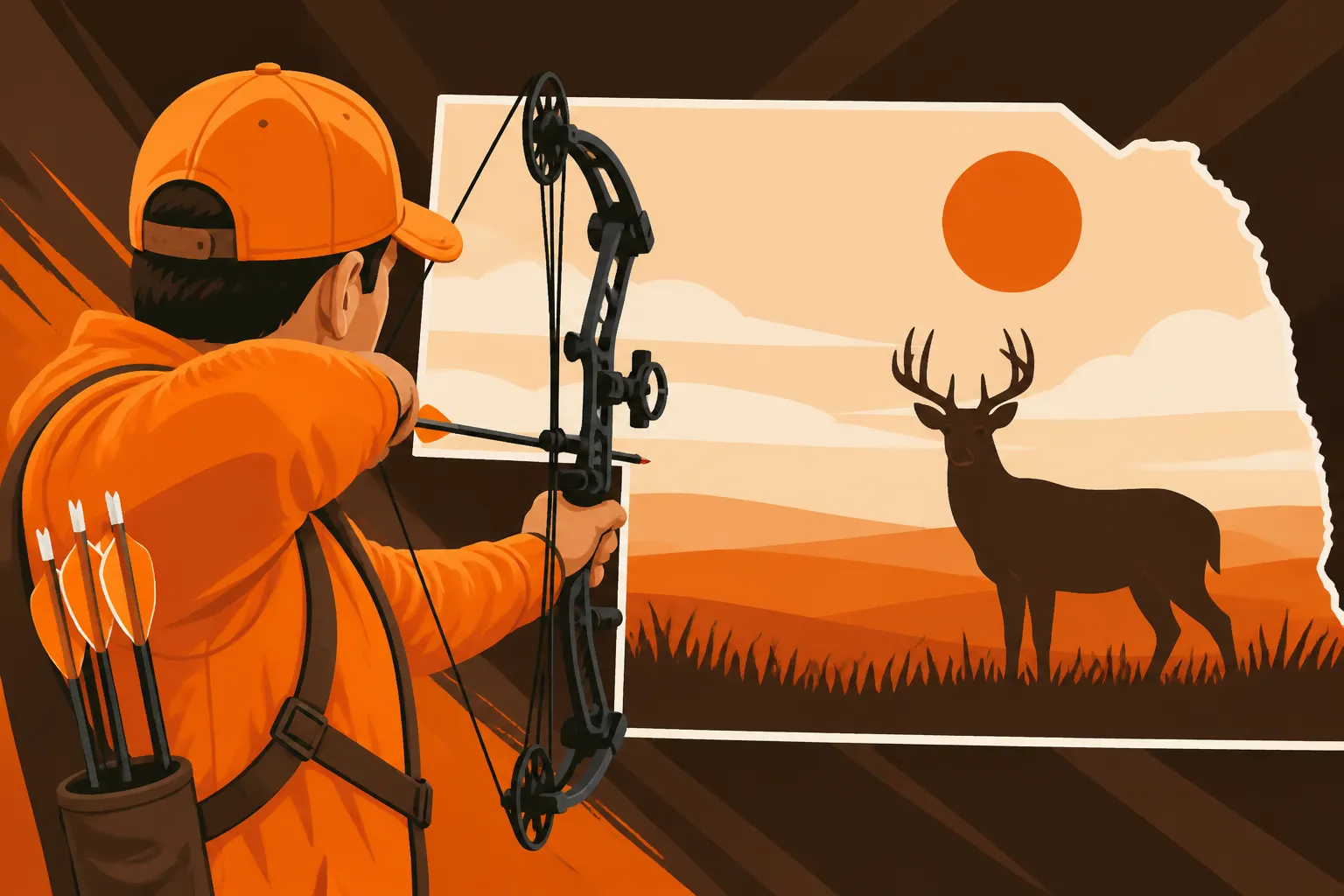
For archers, this means that during the overlap with the firearm season, you'll likely be layering blaze orange over your camouflage. This can feel counterintuitive, but it's the law. A common setup involves a blaze orange vest worn over your camo jacket, along with a blaze orange hat or cap. Some hunters opt for a full blaze orange jacket that's large enough to fit over their insulating layers. It's not about being fully camouflaged and then just adding a tiny splash of orange; it's about making yourself unmistakably human to another hunter, even from a distance or in less-than-ideal lighting. Remember, you might be still-hunting or moving slowly through cover, and other hunters could be actively pursuing deer with firearms. The less ambiguity there is about your identity, the safer everyone will be. This is also why understanding Nebraska's 400-Square-Inch Orange Rule is so vital for all hunters, not just archers.
Why This Rule Matters: Prioritizing Hunter Safety
While it might feel like an inconvenience to don blaze orange when your entire hunting strategy revolves around concealment, this rule is rooted in a critical principle: safety. The statistics on hunting accidents clearly show the effectiveness of blaze orange in preventing incidents where one hunter shoots another. It’s a simple, yet incredibly powerful, tool for risk reduction in the field.
Reducing Accidental Shootings
The primary reason for blaze orange mandates during firearm seasons is to reduce the risk of mistaken-for-game or swing-through accidents. When a firearm hunter is scanning the woods, especially in low light or dense cover, movement and indistinct shapes can be easily misidentified as game animals. A flash of brown, gray, or even a branch swaying in the wind can, in a moment of heightened adrenaline, be mistaken for a deer. Blaze orange provides an immediate, unmistakable visual cue that says, "Human! Not a deer!" This differentiation is critical. In Nebraska, where deer hunting is incredibly popular, especially during the November rifle season, hunters are spread across various landscapes, from dense river bottoms to open plains. Having a clear, non-natural color on your person provides that crucial layer of distinction, allowing firearm hunters precious extra seconds to positively identify their target before making a potentially irreversible mistake. This isn't just about protecting yourself; it's about protecting every hunter in the field. Programs like Bowhunter Education for Big Game Hunters emphasize responsible hunting practices, and understanding and adhering to blaze orange requirements is a key component of that.
Increased Visibility in Dense Cover
Nebraska's diverse landscapes, from the thick cedar draws in the Sandhills to the dense timber of eastern river corridors, can make visibility challenging. Even with good light, a deer hunter focusing on subtle movements and natural camouflage might not pick up on a camouflaged archer. This is particularly true in areas Where Nebraska Whitetails Bed in Row-Crop Country or areas that offer significant cover. Blaze orange pops against natural backgrounds, even in conditions like heavy fog, light rain, or fading daylight. It acts as a beacon, making you visible to others even when they're not actively looking for another human hunter. This increased visibility helps prevent not only direct shooting accidents but also helps hunters avoid unknowingly walking into another hunter's line of fire or disrupting their hunt because they simply didn't see them. GoHunt often reminds hunters that situational awareness is key, and wearing blaze orange contributes significantly to that for everyone.
Navigating Exceptions and Best Practices
While the main rule about wearing blaze orange during the November firearm season overlap is clear, there are always nuances. Knowing these can help you plan your hunt better and ensure you’re always on the right side of the law and, more importantly, the safe side.
Special Permits and Considerations
It’s worth noting that some very specific situations or permits might have slightly different guidelines, but for general deer archery hunting, the rules outlined above are the standard. For example, if you are hunting specific late-season antlerless permits outside of any firearm season, the orange rule for archers would typically not apply. Always double-check the current Nebraska Game and Parks Commission regulations for any specific permit you hold, as rules can occasionally be updated or modified. If you're using a crossbow, which is also permitted during archery season, the blaze orange rules are identical to those for traditional bows. The type of archery equipment doesn't change the safety requirement during the firearm season overlap. Understanding all the permit types, such as the Nebraska Archery and Muzzleloader Deer Permits, is part of being a responsible hunter.
Beyond the Minimum: Going Above and Beyond for Safety
The 400 square inches is a minimum requirement, not a maximum. Many experienced hunters choose to wear more than the legal minimum, especially in areas with high hunter density or during periods of reduced visibility. Wearing a full blaze orange jacket and pants, or choosing a vest with extra-large coverage, can only increase your safety. It’s also wise to consider reflective strips on your blaze orange for any movement during low-light conditions, especially if you're entering or exiting the woods before sunrise or after sunset, even if you are just heading to or from your stand when Nebraska Legal Shooting Hours apply. Always inform someone where you are hunting and when you expect to return. While this article focuses on when archers must wear orange, it’s a good practice to always err on the side of caution. Consider the type of terrain you're in; if you're in an open area like a Sandhills basin, visibility is generally better than in dense cedar thickets. Regardless, the core rule remains: during the general November firearm deer season, if you're archery hunting, your blaze orange needs to be on and visible.
Here's a quick summary to keep things clear:
| Season Type | Weapon Type | Blaze Orange Requirement | Specific Notes |
|---|---|---|---|
| Archery Season (Sept – Oct) | Bow/Crossbow | No | No firearm deer season open. |
| November Firearm Deer Season | Bow/Crossbow | Yes | Minimum 400 sq. inches on head, chest, and back. |
| November Firearm Deer Season | Firearm | Yes | Minimum 400 sq. inches on head, chest, and back. |
| December Muzzleloader Season | Muzzleloader | Yes | Minimum 400 sq. inches on head, chest, and back. |
| Late Antlerless Hunts (Jan) | Bow/Crossbow | No | No firearm deer season open. |
Ultimately, being a responsible hunter means knowing the rules, abiding by them, and always prioritizing safety. The requirements around blaze orange are a crucial part of that.
Disclaimer
Please remember that hunting regulations can change. While this guide provides comprehensive information based on current Nebraska Game and Parks Commission regulations, it is your responsibility to consult the most recent official hunting guide and any applicable local regulations before heading afield. Safety should always be your number one priority.