Nebraska Pheasant Season Closing Date
That sinking feeling when you realize the hunting season is winding down, or worse, has already ended, is something many of us know all too well. It’s a scramble to remember the exact dates, hoping you haven’t missed those last precious opportunities to chase Nebraska pheasants. This guide is here to settle that anxious feeling once and for all, providing a definitive look at Nebraska's pheasant season closing date, along with essential late-season tactics and regulatory insights to help you make the most of every last minute.
When the Final Whistle Blows: Nebraska's Pheasant Season Closing Date
For many, the opening day of pheasant season in Nebraska feels like a national holiday, a crisp autumn morning filled with eager dogs and even more eager hunters. But just as surely as the season begins, it also draws to a close, often leaving us wishing for just a few more days. Knowing the exact closing date isn't just about planning your last hunt; it's about understanding the biological cycles of the birds and the management decisions that shape our hunting opportunities.
The General Season's End: The Official Closing Date
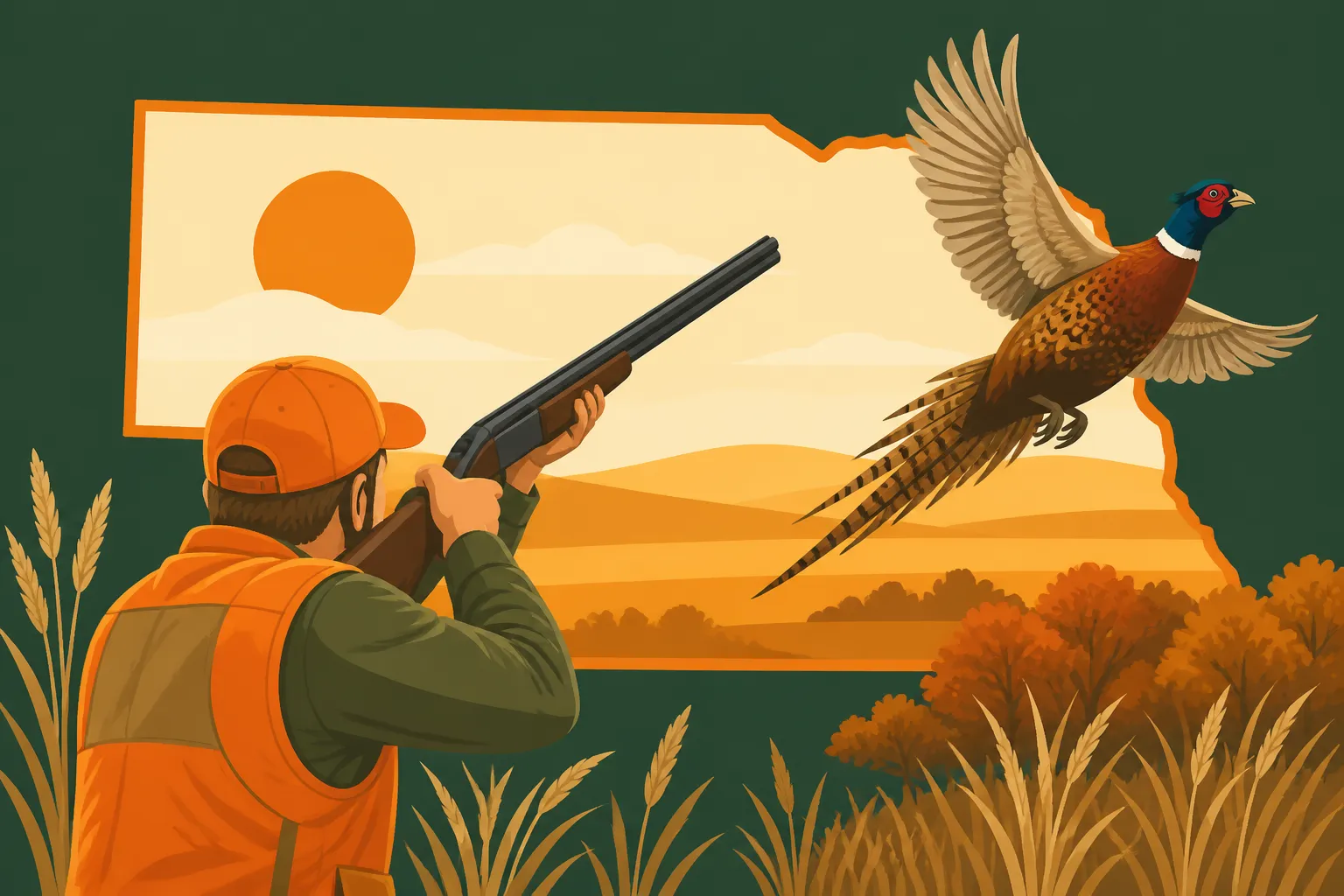
In Nebraska, the general pheasant season traditionally concludes on January 31st. This date holds steady year after year, providing a consistent benchmark for hunters to plan around. While the opening day can sometimes shift slightly depending on the calendar, the end date typically remains firm, giving hunters a solid four-month window, starting in late October, to pursue these vibrant upland birds. This consistent end date is a critical piece of information for everyone, from seasoned veterans who've been walking corn stubble for decades to newcomers just getting their boots dirty. It signals the shift from active hunting to a period of rest for both the birds and the land, allowing pheasants to focus on winter survival and prepare for the upcoming breeding season.
Youth Season Exceptions and Early Opportunities
It's important to clarify that while January 31st marks the close of the general pheasant season, Nebraska also offers specific youth hunting opportunities that fall outside of this timeframe. The youth pheasant season typically runs for a specific weekend prior to the general opener, usually in early October. This special early access is a fantastic initiative by the Nebraska Game and Parks Commission to introduce younger hunters to the sport in a less pressured environment. It provides a valuable chance for kids to learn the ropes, enjoy the outdoors, and hopefully, spark a lifelong passion for hunting. However, for most adult hunters, the January 31st date is the one to keep firmly in mind for the culmination of their pheasant pursuits. These early youth hunts don't extend the season for adults; they merely offer a head start for the next generation of hunters.
Why Closing Dates Matter for Bird Management
You might wonder why the season ends when it does. It's not arbitrary; these dates are carefully determined by wildlife biologists at the Nebraska Game and Parks Commission. The January 31st closing date is designed to balance hunting opportunity with the biological needs of the pheasant population. By late January, birds have already endured a good portion of winter, and their energy reserves are becoming increasingly important for survival through the coldest months. Furthermore, the breeding season for pheasants isn't far off. Ending the season allows the remaining birds to rest, conserve energy, and begin preparing for nesting and raising new broods in the spring. This thoughtful management helps ensure a healthy and sustainable pheasant population for future seasons. It’s a critical component of conservation, ensuring that we continue to have robust bird numbers to enjoy for years to come.
Making the Most of Those Final Weeks: Late-Season Pheasant Tactics
The late season, those last few weeks leading up to January 31st, presents a unique and often challenging hunting experience. The birds are smarter, the cover is sparser in some areas but incredibly dense in others, and the weather can be downright brutal. But for those willing to brave the elements and adapt their tactics, late-season pheasants offer some of the most rewarding hunts of the year.
Where the Wily Roosters Hide in Winter
As the season progresses and crops are harvested, pheasants concentrate in the densest, most protective cover they can find. Forget those easy flushes from open stubble fields in October. By January, you're looking for true sanctuaries. Think thick cattail sloughs, especially those with standing water or ice, which offer excellent thermal protection and escape routes. Large, dense cedar thickets are also prime spots, providing both warmth and cover from predators. Deep, brushy draws and unharvested standing corn or milo fields become critical refuges, particularly when snow blankets the surrounding landscape. These areas offer the best chance of finding birds when most other cover has disappeared. Understanding how to approach these bastions of late-season pheasants is key. For more in-depth advice on these tough spots, check out our guide on Hunting Cattail Sloughs Late in the Season.
Adapting to Educated Birds
Late-season pheasants are, simply put, survivors. They've been pressured for months, run from dogs, and heard countless shotgun blasts. This means they're incredibly wary, prone to running long distances ahead of dogs and hunters, and flushing far out of range. To combat this, you need to adjust your approach. Lone hunters might find it incredibly frustrating, as birds will often sneak out the back or flush wildly. This is where teamwork shines. Organizing small drives with a few hunters, strategically positioning blockers at the end of cover, and walking cover slowly and methodically can push birds towards waiting guns. Our article on Blocking the End of a Nebraska Field offers excellent strategies for this. Using a well-trained, experienced bird dog becomes even more crucial now, as they can track running birds and help pinpoint their exact location, often holding them just long enough for a shot. Even if you use a platform like GoHunt to find public land, successful late-season hunting often boils down to these fundamental tactics.
Weathering the Winter Chase: Gear and Safety
January in Nebraska can bring everything from mild, sunny days to brutal blizzards with sub-zero temperatures and biting winds. Being prepared for the weather is not just about comfort; it's about safety. Layering your clothing is paramount. Start with a moisture-wicking base layer, add insulating mid-layers like fleece or down, and top it off with a windproof and waterproof outer shell. Insulated, waterproof boots are essential for keeping your feet warm and dry, especially when navigating snowy fields or icy sloughs. Hand warmers, a thermos of hot coffee or tea, and plenty of high-energy snacks can make a huge difference in your endurance and enjoyment. Always carry a first-aid kit, and let someone know your hunting plan, including your route and expected return time. When the temperatures plummet, it's easy to get complacent, but the risk of hypothermia or frostbite is real. Staying hydrated is also crucial, even in cold weather. For more on preparing for the elements, read our piece on Winter Weather and Pheasant Survival.
Navigating Late-Season Regulations and Access
As the season winds down, it's just as important to be well-versed in the current regulations as it is to know where the birds are holding. Rules around bag limits, blaze orange, and particularly land access, can vary or take on new significance in the final weeks.
Daily Bag and Possession Limits
The daily bag limit for pheasants in Nebraska remains consistent throughout the entire general season, including those last precious weeks. Hunters are generally allowed a daily bag of three roosters, with a possession limit of twelve roosters. It’s important to remember that the possession limit applies to birds you have in your possession at home, in your vehicle, or otherwise under your control. Always ensure you accurately count your birds and stay within these limits. Proper tagging is also critical. Even in the late season, all harvested game birds must be tagged as required by state law. If you're unsure about the specifics, our guide on Pheasant Tagging and Transport Rules in Nebraska offers a comprehensive overview. Compliance ensures fair chase and helps biologists monitor harvest rates, which is vital for ongoing population management.
Blaze Orange: More Crucial Than Ever
While blaze orange is a requirement for upland bird hunting in Nebraska throughout the general season, its importance becomes even more pronounced in late season. With fewer leaves on trees and often snow on the ground, visibility can actually be quite good, but the presence of other hunters, especially those pursuing deer or other game that might still be open (like archery deer in some units, or specific late-season antlerless deer hunts), necessitates maximum caution. Nebraska law requires hunters to wear at least 400 square inches of blaze orange on their head, chest, and back while hunting upland game. This isn't just a suggestion; it's a legal requirement designed to keep everyone safe. Don't skimp on this. A bright orange vest and hat are non-negotiable. Even when hunting with a small group or alone, making yourself highly visible can prevent tragic accidents. Understanding the specifics of Nebraska Blaze Orange Square Inches is vital for every hunter.
Accessing Public and Private Land in the Final Weeks
Late-season access can be a mixed bag. On one hand, some private landowners, having finished their deer hunting or crop harvest, might be more amenable to allowing pheasant hunting. On the other hand, some might have shut down access for the season. This is where building relationships and asking for permission well in advance pays off. Always respect private property and leave it better than you found it.
For those relying on public access, programs like Nebraska's Open Fields and Waters (OFW) and Wildlife Management Areas (WMAs) remain open through the end of the season. These tracts of land, often marked with distinctive signs, provide crucial hunting opportunities. The Nebraska Public Access Atlas, available both online and as a physical map book, is an indispensable tool for locating these areas. Many hunters also use digital mapping applications that integrate public land layers, like those often found on platforms such as GoHunt, to identify and navigate these properties. These apps can be particularly helpful in verifying boundaries and understanding specific rules for each tract. While some areas might see increased pressure earlier in the season, by late January, crowds tend to thin out, especially on weekdays or in more remote locations. This can lead to a more peaceful and productive hunt. Our resource on Hunting Open Fields and Waters Tracts for Pheasants provides further details on navigating these important public access areas.
Here's a quick reference table for key pheasant season information:
| Aspect | General Season (Approx.) | Youth Season (Approx.) |
|---|---|---|
| Opening Date | Late October | Early October (weekend) |
| Closing Date | January 31st | Early October (weekend) |
| Daily Bag Limit | 3 Roosters | 3 Roosters |
| Possession Limit | 12 Roosters | 12 Roosters |
| Blaze Orange Req. | 400 sq. inches | 400 sq. inches |
Whether you're walking miles of Walking Milo and Corn Stubble for Pheasants or focusing on thicker cover, the late season offers a distinct challenge and unique rewards. The satisfaction of flushing a late-season rooster, especially a wild, cunning bird, is an experience that truly caps off the hunting year. Just remember that by this point, those birds will be much more prone to Late-Season Roosters and Longer Flushes. Careful planning, an understanding of bird behavior, and adherence to regulations are your best allies. And always remember, every walk in the field, especially during those final weeks, is an opportunity to make memories that will last until next season’s opener.
Disclaimer
The information provided in this guide is for general informational purposes only and is subject to change. Hunting regulations, season dates, and access rules are set by the Nebraska Game and Parks Commission and can be altered annually. Always consult the most current Nebraska hunting guide and regulations available from the Nebraska Game and Parks Commission directly before planning and undertaking any hunting activities.