Nebraska’s December Muzzleloader Deer Season
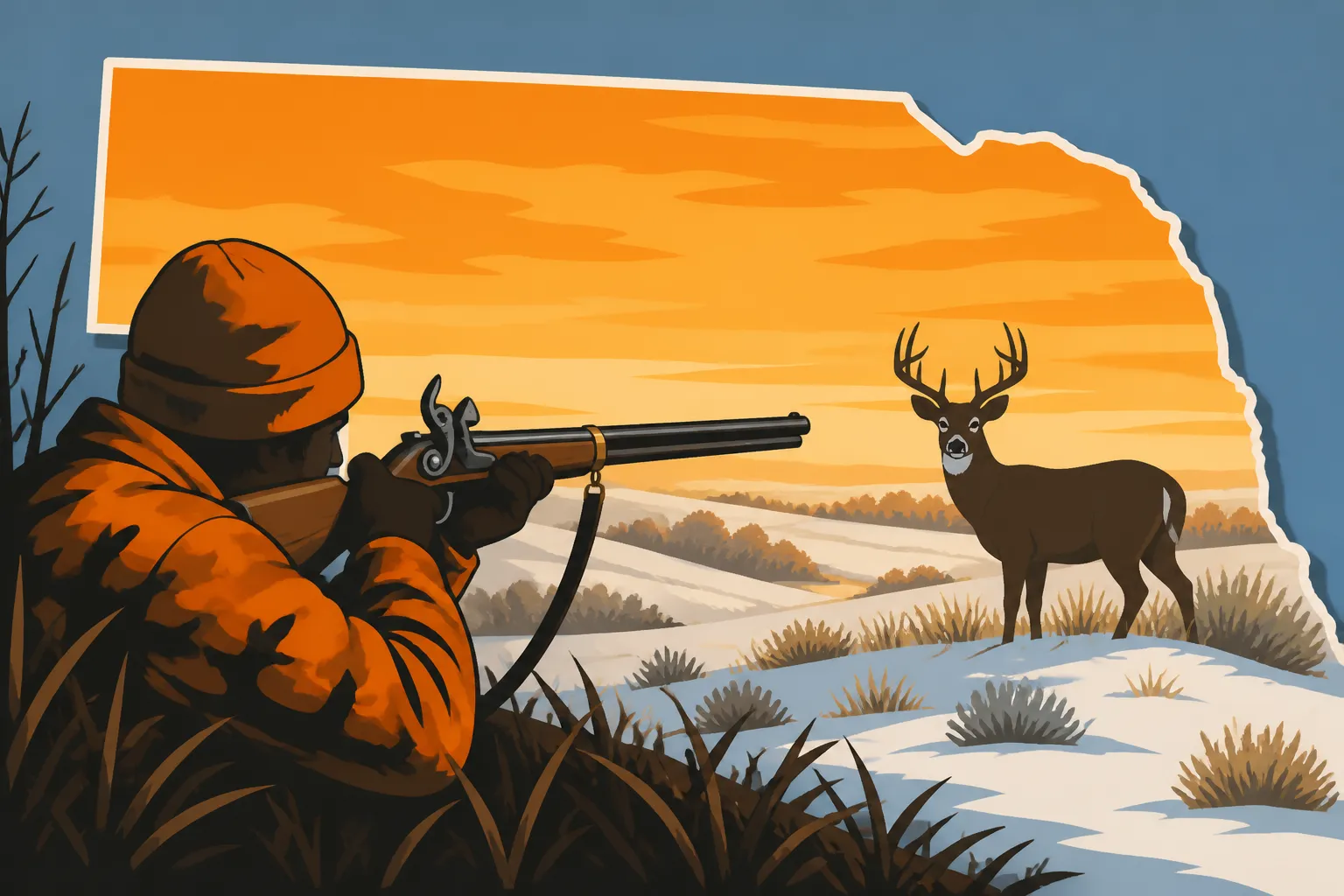
The crisp air of December settles over Nebraska, and for many deer hunters, the rifle season has come and gone, leaving a quiet void. But for a dedicated few, this isn't the end of the deer hunting story; it's just the beginning of a different, more challenging chapter: muzzleloader season. If you've ever felt that post-firearm season lull or wondered how to extend your time in the deer woods, this guide is for you. We're diving deep into Nebraska's December muzzleloader deer season, offering real-world advice to help you punch your tag when the snow flies and the temperatures drop.
Understanding Nebraska's Muzzleloader Season Structure
Nebraska's muzzleloader deer season offers a unique opportunity for hunters who appreciate the challenge and tradition of these primitive firearms. It typically runs for the entire month of December, providing ample time to pursue deer after the main firearm seasons have concluded. However, just because it's December doesn't mean you can throw caution to the wind; there are specific rules and permit structures you need to understand to stay legal and ethical.
Key Dates and Permit Types
The December muzzleloader season generally kicks off on December 1st and runs through December 31st. This month-long window is a fantastic opportunity, but it's not a free-for-all. Hunters need to secure a specific "Muzzleloader Deer Permit" for the unit they intend to hunt. These permits are typically available for purchase over-the-counter starting in July, though some popular units might have limited quotas that can sell out quickly, especially for nonresidents. It's always a good idea to check the Nebraska Game and Parks Commission (NGPC) website well in advance. You can also explore options like Nebraska Archery and Muzzleloader Deer Permits to understand the full scope of available tags.
When considering your permit, pay close attention to whether it's an "any deer" or "antlerless-only" tag. While the muzzleloader season often allows for "any deer" in many units, an antlerless-only tag can be a great way to fill the freezer and contribute to deer management, especially in areas with robust populations. This flexibility allows hunters to target specific harvest goals, whether it's a mature buck or venison for the table. Knowing your permit's specifics is crucial before you even step foot in the woods.
Legal Firearm and Ammunition Requirements
Muzzleloader hunting in Nebraska comes with strict regulations regarding the type of firearm and ammunition you can use. Generally, legal muzzleloaders must be at least .44 caliber and loaded with a single projectile from the muzzle. This means no breech-loading "muzzleloaders" or modern inline rifles that load from the breach with smokeless powder. We're talking traditional black powder or approved black powder substitutes like Pyrodex or Triple Seven, ignited by a percussion cap or 209 primer.
The projectile itself must be a single bullet, round ball, or conical bullet. Saboted bullets are typically allowed, offering hunters improved ballistic performance and accuracy, which can be a real advantage for those longer shots often presented in open Nebraska country. Understanding these specifics is paramount; showing up with an illegal firearm could lead to fines and loss of hunting privileges. It's not just about compliance, but honoring the tradition that muzzleloader season represents.
Essential Gear for December Muzzleloader Hunting
December in Nebraska is no joke when it comes to weather. The conditions can range from mild, sunny days to brutal blizzards with sub-zero wind chills. Preparing your gear specifically for muzzleloader hunting, with an emphasis on cold and wet weather, is crucial for both success and safety. You're not just fighting the deer; you're often battling the elements.
Muzzleloader Choices and Setup
When selecting a muzzleloader for December, reliability and accuracy in adverse conditions should be your top priorities. Modern in-line muzzleloaders from brands like CVA, Traditions, or Thompson/Center are popular choices due to their consistent ignition and accuracy, even in cold, damp weather. Look for models with stainless steel barrels and synthetic stocks for maximum weather resistance. A good muzzleloader setup will include a durable scope with clear optics, capable of gathering light in the dim December mornings and evenings. Zeroing your rifle for distances you're comfortable shooting, typically 100-150 yards, is critical.
Beyond the firearm itself, consider your accessories. A quality ramrod that won't bend or break, a capper or decapper tool that's easy to use with gloved hands, and a waterproof container for your percussion caps or primers are all non-negotiables. You might also want to look into methods for Keeping a Muzzleloader Dry in Snow, as moisture is the enemy of black powder. The last thing you want is a misfire when that trophy buck steps out. Practice loading and shooting your chosen setup in cold conditions to ensure you're confident when it counts.
Cold Weather Clothing and Optics
Staying warm and dry is arguably the most critical factor for December muzzleloader success. Layering is your best friend. Start with moisture-wicking base layers, add insulating mid-layers like fleece or down, and top it off with a waterproof and windproof outer shell. Brands like Sitka, Kuiu, and Cabela's offer excellent cold-weather hunting gear designed to keep you comfortable in extreme conditions. Don't forget insulated boots, wool socks, a warm hat, and gloves that allow for dexterity while handling your muzzleloader. Often, a hand muff with chemical warmers can be a lifesaver on long, cold sits.
Optics are also vital. While extreme long-range glassing might not be as critical as during the early archery or rifle seasons, quality binoculars (10×42 or 12×50) are essential for picking apart distant cover and identifying deer in low light. A rangefinder is also a must, as judging distance in open, snow-covered terrain can be deceptive, and precise range estimation is critical for accurate muzzleloader shots. Remember, a muzzleloader's trajectory is much different than a modern rifle, so knowing the exact yardage to your target is paramount.
Muzzleloader Tactics for Late-Season Deer
By December, deer have been pressured for months by bowhunters and then the intense nine-day firearm season. Their patterns have shifted, their food sources are dwindling, and their guard is up. Successful muzzleloader hunting requires adapting your tactics to these late-season conditions, focusing on deer survival instincts and limited resources.
Focusing on Prime Food Sources
As winter tightens its grip, deer become almost entirely focused on finding reliable food sources to build energy reserves. Agricultural fields, even after harvest, can still offer sustenance. Look for standing corn, which provides both food and cover, or bean fields where deer might be pawing through snow for missed morsels. Winter wheat or alfalfa fields, if available, can be absolute magnets for hungry deer. They often hit these fields at first light and last light, so careful scouting and setting up on entry and exit routes are key.
Natural browse also becomes crucial. Look for areas with cedar thickets, sumac, or persistent acorns if you're hunting timbered river bottoms. Deer will travel significant distances for concentrated food sources. Understanding Late-Season Food Sources in Nebraska is critical, as deer will often change their habits drastically from early season. Don't assume the same food plots or travel corridors that worked in October will be productive now. Snow cover can also reveal hidden food sources as deer browse the tops of plants sticking through the snow.
Locating Bedding Areas and Travel Corridors
With colder temperatures and increased hunting pressure, deer will seek out dense cover for bedding, especially areas that offer protection from the wind and snow. Thick cedar draws, dense cattail sloughs, and south-facing hillsides that catch the most sunlight are prime candidates. River bottom thickets, especially those with heavy brush and downed timber, also provide excellent thermal cover. Deer often bed in these areas during the day, only moving out to feed in the evenings and early mornings.
Your strategy should revolve around identifying these bedding areas and then intercepting deer as they move between bedding and feeding. This might involve setting up a ground blind along a transition line or still-hunting slowly and deliberately through heavy cover. Pay close attention to subtle terrain features like ditches, fence lines, and breaks in cover that funnel deer movement. A valuable tool like GoHunt can help you pinpoint potential bedding areas by analyzing satellite imagery and public land boundaries, allowing you to scout from your couch before ever stepping foot in the field. Understanding wind direction and thermals is even more critical in December, as cold air sinks and deer rely heavily on their noses.
Tracking in Snow and Reading Sign
Snow is a muzzleloader hunter's best friend. Fresh snowfall can dramatically improve your chances by revealing deer movement patterns, track size, and even the direction of travel. Learning to read deer tracks in the snow is an invaluable skill. Look for fresh tracks that are crisp and defined, indicating recent activity. Pay attention to the length of the stride and whether the deer was walking casually or running. A wide stride and displaced snow suggest a deer on the move, while a tight, deliberate gait often means they are feeding or browsing.
Even without fresh snow, deer sign from previous snowfalls can give you clues. Look for rubbed trees, scrapes (though less active now, they still mark territory), and fresh droppings. Droppings can indicate diet and recent activity. Tracking a deer in fresh snow can also be a highly effective tactic, especially if you're still-hunting. Take your time, move slowly, and constantly scan ahead for the deer itself or subtle changes in the track that indicate a stop or a turn. Remember that a deer will often circle back to watch its trail, so keep your head on a swivel.
Navigating Public and Private Land Access
Hunting in December often means encountering fewer hunters than during the firearm season, but finding available land can still be a challenge. Nebraska offers a mix of public and private opportunities, and understanding how to access them is crucial for a successful muzzleloader hunt.
Utilizing Nebraska's Public Lands
Nebraska has a fantastic system of public lands, including Wildlife Management Areas (WMAs), State Recreation Areas, and federal lands like the National Forests and Grasslands. Many of these areas are open to muzzleloader hunting, providing excellent opportunities. However, they can still see pressure, especially on weekends. It's important to scout these areas beforehand, looking for less-traveled corners or dense cover that other hunters might overlook. The Nebraska Public Access Atlas is an indispensable resource for locating and understanding the rules for these public tracts. It's updated annually and shows boundaries, available species, and any special regulations.
When hunting public land in December, consider focusing on larger WMAs or federal lands where you can get away from roads and find areas that offer more solitude. For example, some of the larger tracts in the Sandhills or the Pine Ridge offer vast landscapes where deer can evade pressure. Be prepared for longer walks and consider using a GPS or a mapping app like GoHunt to stay oriented and mark key features. Remember that camping rules on WMAs can vary, so always check before you set up a temporary camp for an extended hunt.
| Public Land Type | Typical Access | Best For (Deer) | Notes |
|---|---|---|---|
| Wildlife Management Areas (WMAs) | Good | Whitetail, Mule Deer | Can be pressured, scout remote areas |
| Open Fields and Waters (OFW) | Excellent | Whitetail, Pheasant | Private land, publicly accessible, check signs |
| State Recreation Areas (SRAs) | Limited/Varies | Whitetail | Often smaller, may have specific restrictions |
| National Forests/Grasslands | Excellent | Mule Deer, Whitetail | Vast, often less pressured, remote |
| School Trust Lands | Good | Whitetail, Mule Deer | Check for specific leasing or access rules |
Accessing Private Land
The vast majority of Nebraska is privately owned, making private land access a game-changer for deer hunting. However, securing permission in December can be tough if you haven't already established relationships with landowners. The key is respectful communication and starting early. Knock on doors, introduce yourself, and offer to help with chores or provide a hand after the hunting season in exchange for access. Many landowners appreciate responsible hunters who show respect for their property.
Don't overlook the potential of the Nebraska's Open Fields and Waters Program. This program enrolls private lands and opens them up for public hunting access, often providing fantastic opportunities for deer. These tracts are clearly marked with distinctive signs and listed in the Public Access Atlas. They offer an excellent alternative if you're struggling to secure traditional private land permission. Even if you only get permission for an antlerless deer, it's a foot in the door for future seasons. Always confirm with the landowner what specific rules they have for their property, such as vehicle access, stand placement, or retrieval of game.
Overcoming December Weather Challenges
December hunting is synonymous with cold, wind, and often snow. These conditions can be brutal, but with proper preparation and a resilient mindset, they can also work to your advantage, concentrating deer and quieting the woods.
Dealing with Extreme Cold and Wind
Nebraska's December winds can cut right through you, making even mild temperatures feel frigid. Proper layering, as discussed earlier, is paramount. Pay special attention to your extremities: hands, feet, and head. Chemical hand and foot warmers can provide crucial comfort on long sits. A well-insulated blind, whether a pop-up or a natural ground blind brushed in with cedars, can significantly reduce wind chill and make your hunt more bearable.
When the mercury truly plummets, deer will alter their behavior to conserve energy. They will move less and seek the thickest thermal cover available. This is when still-hunting slowly through dense bedding areas, or setting up on south-facing slopes, can be highly effective. Understanding Cold Weather Sitting Strategy is not just about comfort; it's about endurance and readiness when a deer finally makes an appearance. Don't be afraid to take breaks to warm up or to move around to keep your circulation going.
Hunting in Snow and Tracking Deer
Fresh snow transforms the Nebraska landscape, offering both challenges and incredible opportunities. While heavy snowfall can make travel difficult, it also makes deer highly visible and provides a canvas for tracking. As mentioned, learning to read tracks is vital. In deep snow, deer will often stick to established trails or areas of less resistance, like old logging roads or creek bottoms. This can funnel their movement and make them more predictable.
When hunting after a significant snowfall, consider focusing on areas where deer might be "yarding up" – concentrating in sheltered areas with available browse. This behavior is more common in severe winters but can happen during intense cold spells. Tracking a deer in fresh snow can be exhilarating and highly effective, but it requires patience and stealth. Be prepared for a long day and ensure you have the necessary gear to stay warm and dry, regardless of how long the chase takes. You can find more specific insights on Deep Snow and Deer Movement to enhance your understanding of how deer react to these conditions.
Field Care and Retrieval in Cold Weather
Successfully harvesting a deer in December is just half the battle. Properly field dressing, cooling, and retrieving your animal, especially in potentially extreme cold, is essential for preserving the meat.
Field Dressing and Cooling in Winter Conditions
One of the distinct advantages of December hunting is the natural refrigeration. Cold temperatures help cool the animal quickly, which is crucial for meat quality. However, don't let the cold make you complacent. Field dress your deer as quickly as possible to allow the body heat to escape. Remove all internal organs, including the windpipe and esophagus, to prevent spoilage. While gut piles may freeze quickly, the internal cavity needs air circulation to cool properly.
If temperatures are well below freezing, you might need to be careful not to let the meat freeze too quickly on the surface, which can prevent deeper cooling. Ideally, the carcass should cool slowly. Hang the deer in a shaded, well-ventilated spot, away from predators, if possible. If the weather is fluctuating, keep a close eye on it. The cold can be your friend, but neglecting proper field care can still lead to spoilage, especially if the deer is left in a sunny spot or piled in a vehicle too quickly.
Retrieval Challenges with Snow and Ice
Retrieving a deer in December can be physically demanding, especially if you're hunting in deep snow, across frozen fields, or through thick cover. A good deer sled or game cart is an invaluable tool for protecting the meat and making the drag easier. In deep snow, a sled can be pulled much more efficiently than dragging directly on the ground. For heavier bucks or longer retrieves, consider quartering the animal in the field to make it more manageable.
Be aware of ice. Frozen waterways or icy slopes can be treacherous. Exercise extreme caution when crossing anything that might be frozen over, as a fall with a heavy deer can lead to serious injury. If you're hunting remote public lands, planning your exit route before you even start hunting can save you a lot of grief. Having a hunting partner or two makes the retrieval process significantly easier and safer. Don't underestimate the physical toll of a December deer retrieval; it's often more challenging than during warmer months.
Disclaimer
Always check the current Nebraska Game and Parks Commission regulations before hunting. Hunting laws and regulations can change, and it is the hunter's responsibility to be aware of all applicable rules.