Recovering an Antelope in Warm Weather
Landing an antelope in the vast, open plains of Nebraska is an incredible feat, but the excitement can quickly turn to anxiety when the temperatures are climbing. The last thing any hunter wants is to risk spoiling that hard-earned meat, especially after all the effort. This guide will walk you through the critical steps for recovering your antelope quickly and efficiently when the mercury is high, ensuring your trophy and table fare are preserved.
The Immediate Aftermath: Speed is Your Ally
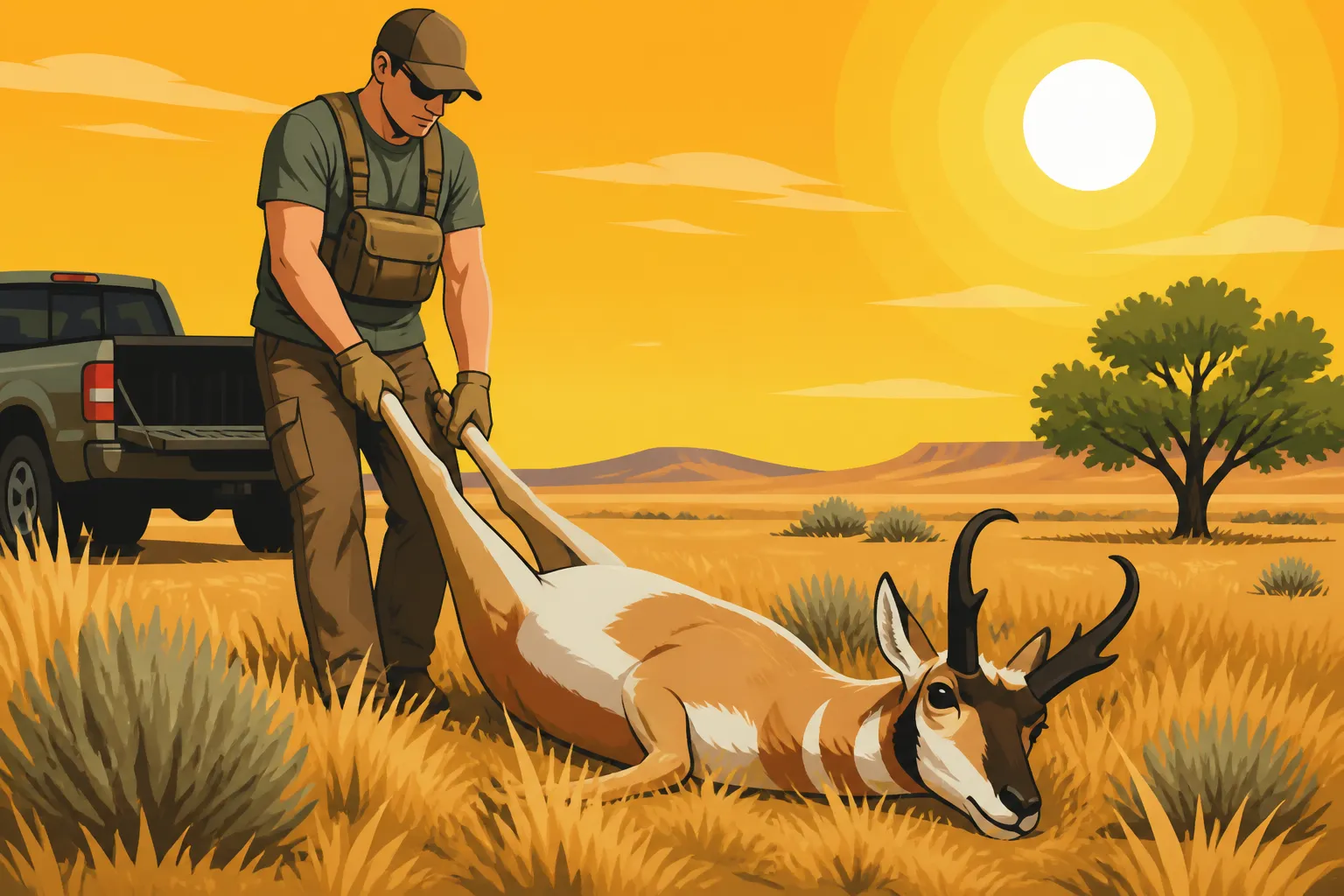
When an antelope goes down, especially in warm weather, the clock starts ticking. Unlike deer that might be found in shaded timber or brush, antelope are often harvested in wide-open country with little to no natural shade. This exposure to direct sunlight and warm air can rapidly degrade meat quality if you don't act fast.
The very first priority is to locate your animal quickly and safely. Before you even approach, take a moment to confirm it’s expired. Binoculars are your friend here. Once you’re certain, mark the spot mentally or with your GPS if it’s a long walk, and then get to the animal. Don't linger for photos for too long if the sun is beating down. While commemorating the hunt is important, meat care takes precedence. Be mindful of the terrain; the Nebraska Sandhills, for instance, can hide a downed animal surprisingly well in dips and valleys, and navigating them swiftly requires careful attention. Using a tool like GoHunt to pre-scout potential recovery routes or identify any nearby shade features (however sparse) can give you a crucial edge in these moments.
As soon as you reach the antelope, if it's in direct sun, try to move it to any available shade, even if it's just the shadow cast by your truck, a large sagebrush, or a small hill. If no natural shade is available, you need to create some. Many experienced hunters carry an emergency space blanket or a tarp specifically for this purpose. Drape it over the animal to block direct sunlight while you prepare for field dressing. The goal here is to reduce the external heat gain as much as possible, even for just a few minutes, before you begin the process of cooling the carcass from the inside out.
Efficient Field Dressing Under Pressure
Field dressing an antelope quickly and thoroughly is the single most important step in preventing meat spoilage in warm weather. The goal is to remove the internal organs, which retain heat the longest, as soon as possible. This allows the carcass to begin cooling immediately, a process often referred to as "evisceration."
Start by rolling the antelope onto its back. Make a shallow incision from the breastbone to the pelvis, being careful not to puncture the paunch or intestines. A sharp knife is indispensable here. Once the abdominal cavity is open, sever the esophagus and windpipe as high up in the chest as you can reach, then carefully work the organs free. If you have a partner, one person can hold the animal while the other works. You want to get everything out – the stomach, intestines, liver, heart, and lungs. While the heart and liver are often saved, they also generate heat and should be separated and cooled immediately if you intend to keep them. Don't forget to cut around the anus to completely free the lower intestines. The faster and cleaner you can get this done, the better. Consider reading up on "Field Dressing and Cooling Game in Warm Weather" for more detailed universal techniques that apply perfectly to antelope.
Once the cavity is clear, wipe it out with clean cloths or paper towels to remove any excess blood or debris. This helps prevent bacterial growth. Do not use water to rinse the cavity unless you can thoroughly dry it afterward. Adding moisture in warm conditions can accelerate bacterial growth, which is the opposite of what you want. If you're out in the field and need to hang the animal for a short period before transport, a small, lightweight gambrel can be a lifesaver. This helps open the body cavity to maximize air circulation. If you're on public land, remember that some areas, particularly in the Sandhills or on tracts found in the "Nebraska National Forest and Grasslands Hunting" program, might have restrictions on permanent stands or structures, so temporary solutions are key.
| Step | Action | Why It's Crucial |
|---|---|---|
| 1. Locate & Confirm | Use optics, approach cautiously. | Safety, confirm humane kill, avoids chasing a wounded animal. |
| 2. Seek/Create Shade | Move animal to shade or use a tarp/space blanket. | Reduces external heat absorption from direct sunlight. |
| 3. Prepare for Dressing | Position antelope on its back, have sharp knife ready. | Provides stable platform for efficient evisceration. |
| 4. Eviscerate Immediately | Remove all internal organs swiftly and cleanly. | Removes primary heat source, initiates internal cooling. |
| 5. Clean Cavity | Wipe out excess blood/debris with dry cloth. | Prevents bacterial growth; avoid water unless fully drying. |
| 6. Prop Open Cavity | Use sticks, a gambrel, or prop legs to allow airflow. | Maximizes air circulation for faster cooling. |
Cooling and Transport: Beating the Nebraska Heat
After field dressing, the immediate priority shifts to rapid cooling and careful transport. The external heat is still a major factor, and you need to get that internal body temperature down as quickly as possible. If you’re lucky enough to be hunting near a water source, such as during an "Archery Antelope Over Water in Nebraska" hunt, submerging the carcass (after proper field dressing) in cool water for a short period can drastically drop its core temperature. However, this isn't always practical or advisable if the water is stagnant or dirty, as it can contaminate the meat.
For most situations, getting the carcass into a cooler environment is paramount. If you have a short drive back to camp or home, and conditions are moderate, simply placing the field-dressed antelope in the back of your truck, propping the cavity open, and covering it with a wet burlap sack can help. The evaporation of water from the burlap provides some cooling. However, if it's genuinely hot (think 70°F+), you need ice. A large cooler packed with block ice or frozen water bottles is essential. You’re not trying to freeze the meat, but rather cool it down to around 35-40°F (1-4°C). Place ice inside the body cavity to directly cool the core. You can also pack ice around the exterior, but focus on getting that internal temperature down first. When considering what kind of coolers to bring, think about options mentioned in "Coolers and Game Bags for a Nebraska Opener", as those principles apply directly to antelope.
When it comes to transporting the antelope, especially if you have a long drive ahead, consider breaking the animal down into quarters. This allows for more efficient cooling and easier fitting into coolers. Antelope are relatively small compared to deer, so sometimes a field-dressed whole carcass can fit into a large cooler. However, quartering provides maximum surface area exposure to ice. Make sure to use quality game bags to protect the meat from dirt, flies, and debris, especially if quartering. If you're hunting in August or September when "When Nebraska's Antelope Rifle Season Opens" is often around the corner, these warm weather strategies are non-negotiable.
Preventing Spoilage: Long-Term Care and Processing
Once you've cooled the antelope, the battle isn't over. Proper care continues until the meat is processed. The primary goal is to maintain a cold chain, keeping the meat consistently at refrigerator temperatures until it can be butchered. This means monitoring the ice in your coolers and replenishing it as needed. Don't let the meat sit in a puddle of melted ice water; this can cause waterlogging and promote bacterial growth. Drain melted water frequently.
If you're not planning to process the animal yourself immediately, look for a reputable wild game processor. In Nebraska, many local butchers are well-versed in handling game. Call ahead to confirm their capacity and hours, especially during peak hunting seasons. Some hunters on an extended trip, especially those targeting species in areas like the "Pine Ridge Public Land in Nebraska" where services might be further apart, might need to rely on their own quartering and ice management for a few days before reaching a processor or their final destination. The sooner you can get the meat from the field to a professional processor or your own cutting table, the better the quality will be. This is particularly vital for a game animal like antelope, known for its lean, distinct flavor that can be easily compromised by improper handling.
For those planning to transport the meat out of state, be aware of specific regulations. Nebraska has rules regarding "Carcass Transport Rules Out of Nebraska", especially concerning Chronic Wasting Disease (CWD) and what parts of the carcass can be moved. Always check the latest Nebraska Game and Parks Commission regulations before you leave. Investing in high-quality game bags, like those discussed in "Game Bags for Early Archery Heat", will protect your meat from physical damage, dirt, and insects during storage and transport, giving you the best chance at a delicious, untainted harvest.
Disclaimer
This guide provides general information for recovering antelope in warm weather in Nebraska. Hunting regulations and best practices can change. Always consult the latest Nebraska Game and Parks Commission regulations before hunting. Proper meat handling is critical for safety and quality.