When Nebraska’s Archery Deer Season Opens
It’s a question that hums in the back of every bowhunter’s mind as summer fades into fall: "When can I finally get out there?" Knowing the exact start date for Nebraska's archery deer season isn't just about marking your calendar; it's about kicking off months of planning, anticipation, and dialing in your gear. This guide will walk you through the precise opening dates, what to expect from the early season, and how to make sure you're fully prepared to hit the timber or the sandhills running.
Understanding Nebraska's Archery Deer Season Opening Dates
For many of us who love chasing whitetails and mule deer with a bow, the opening day is practically a holiday. It signals the start of a long, often challenging, but incredibly rewarding season. Getting those dates locked in is the first step in your entire hunting strategy.
The Standard Statewide Opener
Let's cut right to the chase, because this is the information every archer needs to know: Nebraska's archery deer season consistently opens on September 1st each year. This date applies statewide, across all deer management units. It’s a beautifully simple and reliable start, meaning you can mark your calendar well in advance without worrying about last-minute changes. This consistency allows hunters to plan vacations, scout early, and prepare their equipment with a firm deadline in mind.
Starting on September 1st means bowhunters get a lengthy head start before the flurry of the November firearm season. You’re often hunting in warm, sometimes even hot, weather, which presents its own unique challenges for both the hunter and meat care. Deer are still largely in their summer patterns, focused heavily on food sources like alfalfa, soybeans, and growing corn. Bucks are still often in bachelor groups, and while they might be sporting hard antlers, their behavior isn't yet influenced by the impending rut. This early window offers a chance to catch deer in predictable patterns before the landscape changes and hunting pressure ramps up. If you're looking for more comprehensive details, you can dive into Nebraska Archery Deer Season Dates for a full breakdown.
The early September opener gives us a fantastic opportunity to be out there when the deer are still relatively unpressured. While you might not be dealing with the same level of excitement as the rut, this period is prime for observing deer behavior, identifying key travel corridors, and understanding local food sources. It’s a time for quiet, patient hunting, often from stands overlooking agricultural fields or water sources. The woods are typically still green and dense, providing excellent cover, but also making visibility a bit more challenging than later in the season.
Why Timing Matters for Early Season Success
The timing of the September 1st opener profoundly influences your early season strategy. Unlike later in the fall when the rut dictates much of deer movement, early season success often hinges on knowing where deer are feeding and bedding consistently. This period is less about calling or rattling and more about stealth, observation, and precise stand placement. Deer are still running largely on instinctual patterns driven by sustenance and safety.
Successful early season bowhunting often means rising before dawn to sneak into a stand overlooking a prime feeding area, or waiting patiently near a water source during the warmer parts of the day. You’ll be dealing with lush foliage, which means extra attention to scent control and quiet movement through the woods. The lack of leaf fall means your visibility might be restricted to shorter distances, making close-range shots more common, which is what most bowhunters prefer anyway. Moreover, with the sun still strong, especially through mid-September, consider what gear you’ll need to keep yourself comfortable and manage your harvested game responsibly. Thinking about Game Bags for Early Archery Heat is not just a suggestion, it's a necessity to protect your hard-earned venison.
Understanding how deer use the landscape in early September is crucial. They're typically seeking areas that offer both ample food and secure cover. River bottoms, creek drainages, and areas adjacent to expansive crop fields are often hotspots. As the season progresses through September and October, deer patterns will gradually shift as crops are harvested and the pre-rut begins to stir. This early season, however, is a golden window to observe undisturbed patterns and potentially tag an unsuspecting buck before he gets wise to hunting pressure. A valuable resource for staying ahead of these changes throughout the entire season is Bowhunting Nebraska's Four-Month Archery Season.
Navigating Overlapping Seasons and Special Regulations
Nebraska offers a unique and lengthy archery deer season, but it's important to understand how it interacts with other hunting opportunities throughout the fall. Knowing these nuances is key to a safe and successful hunt.
Archery Season During the November Firearm Season
One of the most distinctive aspects of Nebraska's archery deer season is its continuation right through the nine-day November firearm season. Yes, that's right – you can be out there with your bow during what is typically the busiest and most high-pressure time for deer hunting. This overlap can be a fantastic opportunity for archers, as the increased activity of firearm hunters can sometimes push deer onto properties or into cover where they might not normally venture. It can also create some challenges, mainly regarding safety and shared access.
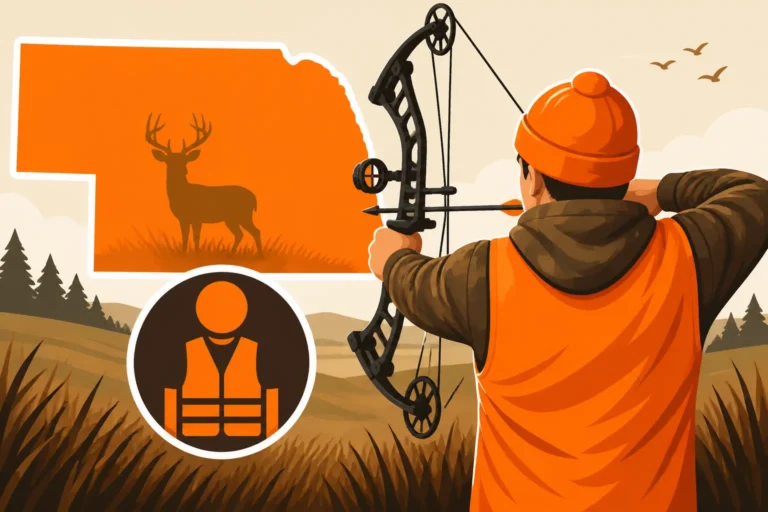
If you choose to Bowhunting Through the November Firearm Season, safety becomes paramount. Nebraska has specific requirements for wearing blaze orange during this period to ensure archers are visible to firearm hunters. Typically, this means wearing at least 400 square inches of blaze orange on your head, chest, and back. It's not just a rule; it's a critical safety measure that protects everyone in the field. Ignoring these regulations isn't just illegal; it puts you and others at risk. For a detailed rundown, make sure you check out Orange Requirements for Archers in November and understand exactly what's needed.
The key to successfully bowhunting during the firearm season is adapting your strategy. Many archers seek out properties where firearm hunting isn't permitted, or focus on smaller, hard-to-access pockets of cover that rifle hunters might overlook. Ground blinds can be particularly effective during this time, offering good concealment and a sense of security when sharing the woods. For more on this, consider exploring Ground Blinds in Open Nebraska Country or even Using a Ground Blind on Nebraska Public Ground if you’re hunting public land. Deer movement during the firearm season can be unpredictable, often driven by pressure, so being adaptable and ready to seize opportunities is crucial.
Crossbows and Special Archery Provisions
The world of archery hunting has evolved, and with it, the tools available to hunters. Nebraska recognizes this evolution and has specific regulations regarding crossbow use. Generally, crossbows are legal for hunting all species in Nebraska that can be hunted with archery equipment. This means if you prefer a crossbow, you can use it during the statewide archery deer season, right from that September 1st opener. However, it's always critical to consult the most current Nebraska Game and Parks Commission (NGPC) regulations, as rules can occasionally change.
There aren't separate permits or additional stamps required specifically for crossbow use in Nebraska, provided you meet the general hunting license and archery permit requirements. This inclusivity opens up archery hunting to a broader range of individuals, including those with physical limitations that might prevent them from drawing a traditional compound or recurve bow. It's a pragmatic approach that embraces more hunters while still maintaining the spirit of the archery season. For those interested in the specifics, a deeper dive into Crossbow Rules and Use in Nebraska will answer many questions.
It’s worth noting that while crossbows offer advantages in terms of draw weight, holding at full draw, and potentially accuracy at longer ranges for some, they still fall under the general "archery equipment" umbrella for deer season purposes. This means they are subject to the same season dates, bag limits, and ethical considerations as traditional bows. Regardless of your chosen archery implement, practicing regularly, understanding your equipment’s limitations, and committing to ethical shot placement remains paramount. This ensures a quick, humane harvest and reflects positively on the hunting community.
Permits, Planning, and Public Access for Early Archery
Once you know the season dates, the next logical steps involve securing your permit and meticulously planning your hunt. Nebraska offers a wealth of opportunities, but navigating the permit system and finding good hunting ground requires a bit of homework.
Securing Your Nebraska Archery Permit
Before you can even think about drawing back on a velvet-antlered buck on September 1st, you need to have the proper permit in your hand. For archery deer hunting in Nebraska, you'll need a combination of permits. First, a valid Nebraska Annual Hunt Permit (unless you're a youth or resident senior with specific exemptions). Second, and most importantly, you'll need an Archery Deer Permit. These permits are typically available for purchase over-the-counter and are generally not subject to a draw, making them much more accessible than many other big game tags in the state.
The Archery Deer Permit allows you to hunt deer with archery equipment statewide. There are also specific Nebraska Archery and Muzzleloader Deer Permits that may offer additional opportunities or unit-specific tags. Non-residents, in particular, should be aware of the Nebraska Nonresident Deer Permit Cost and plan accordingly, as fees can differ significantly from resident rates. While archery permits are generally plentiful, it's always a good idea to purchase yours well in advance of the September 1st opener to avoid any last-minute technical glitches or delays, especially if you plan to hunt close to opening day.
The permit year typically runs from January 1st to December 31st, so ensure your permit is valid for the current season you intend to hunt. Youth hunters also have specific permits and mentored hunting opportunities, which are fantastic ways to introduce the next generation to the outdoors. Don't forget that you’ll also need a Nebraska Habitat Stamp, which directly contributes to wildlife habitat conservation efforts across the state. This stamp is required for almost all hunting and fishing activities in Nebraska, serving a vital role in preserving the wild places we love to hunt.
Scouting and Preparing for the Opener
Once your permit is secured, the real fun — and hard work — of preparation begins. Early archery season success is built on thorough scouting. Deer behavior in early September is often patternable, especially around food and water. This means getting out into your hunting area weeks, or even months, before opening day is crucial. Pay attention to bedding areas, travel corridors connecting bedding to feeding sites, and reliable water sources. Look for fresh tracks, rub lines from the previous year, and most importantly, consistent feeding patterns. This is where tools like GoHunt can really shine, offering detailed maps and scouting layers to help you identify promising areas from your computer, then verify them in person.
When you're out scouting, especially on public land, remember that deer haven't been pressured yet. Their movements can be bolder and more predictable. Focus on areas that offer excellent cover and minimal disturbance. Early season often means dealing with mosquitoes, ticks, and warm temperatures, so dress appropriately and bring plenty of water. Setting up trail cameras can be an invaluable asset during this pre-season phase. They help confirm deer presence, identify specific bucks, and establish consistent movement times without putting too much human pressure on the area. Scouting Nebraska Public Ground Before Opening Day is a great resource if you're planning to hunt state or federal lands, emphasizing the importance of diligence and respect for fellow hunters.
Beyond scouting, your personal gear and physical preparation are equally important. Ensure your bow is perfectly tuned, your broadheads are razor sharp, and you’ve practiced extensively from various distances and angles. Early season temperatures can be warm, so consider using scent elimination sprays and proper hunting attire to minimize human odor. Planning for proper meat care is also critical; having coolers and ice ready for a quick field dress and cool-down can make all the difference in preserving your harvest. The comprehensive resource Bow Setups for Nebraska Whitetails will help you ensure your equipment is dialed in for the challenges of the season.
| Key Early Archery Season Considerations | Detail | Importance |
|---|---|---|
| Opening Date | September 1st, statewide | Essential for planning, marks the start of a long season |
| Weather | Often warm to hot in early September | Requires focus on scent control, hydration, and immediate meat care |
| Deer Behavior | Primarily patternable around food & water | Success relies on scouting, stealth, and stand placement |
| Permit Acquisition | Annual Hunt Permit + Archery Deer Permit (over-the-counter) | Must have before hunting; purchase well in advance |
| Overlap with Firearm Season | Archery runs concurrently in November | Requires strict adherence to blaze orange rules for safety |
| Crossbow Use | Legal for archery season (no special permit needed) | Opens opportunities for more hunters; follow all general archery rules |
| Scouting | Critical for identifying food, water, bedding, and travel | GoHunt, trail cameras, and boots-on-the-ground recon are invaluable |
| Gear Prep | Bow tune, broadheads, scent control, meat care gear | Ensures ethical harvest and preserves meat quality |
The Extended Archery Opportunity in Nebraska
Nebraska truly stands out for its incredibly long archery deer season. While the September 1st opener is the kick-off, it’s just the beginning of a hunt that stretches for months, offering diverse opportunities as the landscape and deer behavior evolve. This extended window is a real gift to bowhunters, allowing for flexibility in scheduling and adapting strategies throughout the fall.
From that first hint of cool air in September, through the fiery colors of October's pre-rut, the intense peak of the November rut, and into the late-season chill of December and January, archers can be in the woods. This means you’re not just hunting one deer season; you’re effectively hunting three or four mini-seasons, each with its own unique challenges and rewards. Understanding this long-term view is key to maximizing your chances. For a comprehensive overview of how to capitalize on this, you'll want to read up on Nebraska's Four-Month Archery Deer Season.
As the season progresses past the September opener, different tactics come into play. October brings the excitement of the pre-rut, where bucks begin to show more aggressive behavior, making rattling and grunting calls more effective. Then, the November rut offers a chance to catch cruising bucks looking for does, a period many bowhunters eagerly anticipate. Even after the firearm season ends, the late archery season in December and January can be highly productive, especially when focusing on late-season food sources and bedding areas in cold weather. Each phase presents a different puzzle to solve, keeping the hunt fresh and engaging for the dedicated bowhunter. This extended opportunity is a significant draw for many, allowing for multiple trips and a deeper understanding of deer throughout their seasonal cycle.
Disclaimer
This guide is intended for informational purposes only and does not supersede official Nebraska Game and Parks Commission regulations. Hunting regulations can change, and it is always the hunter's responsibility to consult the most current regulations directly from the Nebraska Game and Parks Commission before participating in any hunting activity.