Bone Saws Versus the Gutless Method
The moment of truth arrives after a successful hunt: getting that beautiful animal from the field to the freezer. For many Nebraska hunters, especially those of us who venture into the vast Sandhills, the thick river bottoms, or the sprawling public access lands, this isn't just a simple matter of loading up the truck. It's often a physically demanding, time-sensitive operation, particularly when temperatures are rising or you're miles from the nearest road. Deciding whether to use a traditional bone saw or adopt the increasingly popular gutless method can make all the difference in preserving your meat and your back. This guide will walk you through both approaches, highlighting their pros and cons specifically for the Nebraska landscape, so you can choose the best strategy for your next hunt.
The Classic Approach: Field Dressing with a Bone Saw in Nebraska
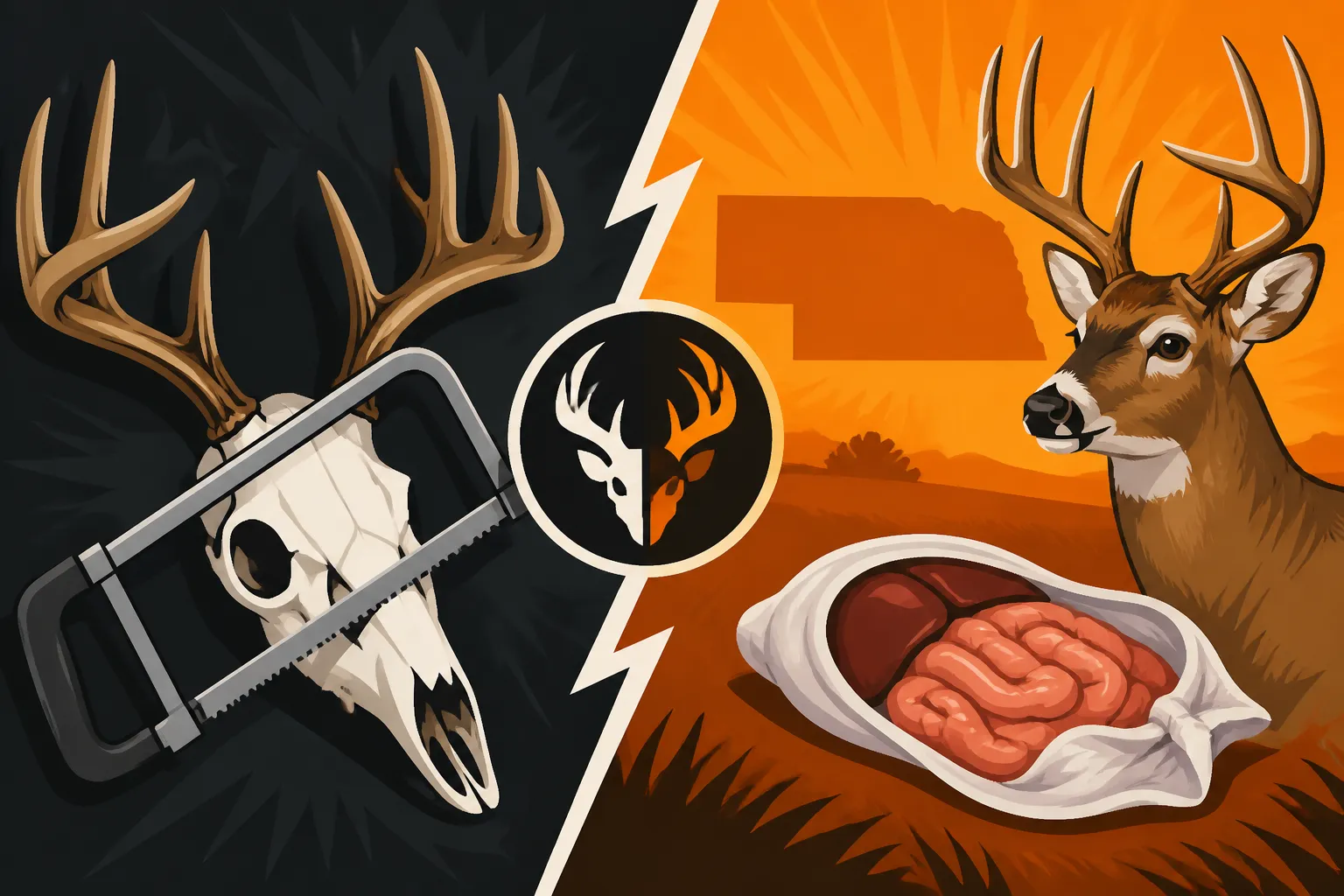
For generations, the standard field dressing technique involved opening up the cavity, removing all the internal organs, and often splitting the sternum and pelvis to facilitate cooling. A bone saw has always been a key tool in this method, especially for those tougher cuts through the chest or pelvic bones.
Why Hunters Still Opt for a Bone Saw
There's a certain tradition and familiarity with the bone saw method that many seasoned hunters appreciate. When you've done it the same way for decades, it feels natural, almost ritualistic. For one, it allows for a very thorough evisceration. By opening the chest cavity and pelvis, you can really get in there and clean out everything, ensuring excellent cooling from the inside out. This is particularly crucial on an early archery opener when temperatures can still soar into the 70s or 80s, especially in places like southeastern Nebraska's whitetail country. The quicker you can get that heat out of the carcass, the better the meat quality will be. Having the entire cavity open means maximum airflow, which is a big plus.
Another reason many prefer this method is that it leaves the animal largely intact, albeit field dressed. This can be beneficial if you're planning on taking your deer to a commercial processor who prefers to receive whole, field-dressed carcasses. Some processors have specific requirements, and a fully intact carcass makes it easier for them to break down the animal according to their system. Plus, if you're hunting closer to your vehicle, perhaps just a short drag from a Hanging a Stand on a Cornfield Edge or a Hunting a Shelterbelt Between Nebraska Fields, getting the whole animal out isn't as much of a monumental task. The full carcass also allows for specific cuts that might be harder to achieve if the animal is broken down in the field, such as a bone-in hindquarter if that's what you prefer for your venison roasts.
The Practical Realities and Challenges of Sawing Bone
While the traditional method has its merits, it definitely comes with its own set of challenges, especially in the diverse conditions Nebraska throws at us. First and foremost is the sheer physical effort. Dragging a whole deer, even a field-dressed one, out of a deep Sandhills blowout or across a mile of CRP grass can be brutal. You might be staring at a two-mile drag across rolling terrain, and suddenly that "traditional" method feels a lot less appealing. The added weight of the bones, hide, and legs really adds up, especially if you're by yourself. Many times, I've watched hunters struggle with this, realizing too late that their initial plan wasn't quite up to the task of the Nebraska landscape. Getting a deer out of a Getting a Deer Out of a Nebraska Sandhills Basin after a successful hunt can feel like climbing Mount Everest.
Then there's the mess. Field dressing with a bone saw means dealing with all the guts and blood in one go, which can be messy. While it's part of hunting, doing this in less-than-ideal conditions – imagine a muddy river bottom after a rain, or a dusty prairie on a windy day – can complicate things. You also need a clean, stable surface, which isn't always available in the wild. Sawing through bone, particularly the pelvis, can be tough work and can dull your saw blade quickly. You need to be careful to avoid contaminating the meat with bone fragments or hair, which requires a meticulous approach. And don't forget the tools themselves: a good bone saw is an extra piece of gear to carry, clean, and maintain. For those who travel light, every ounce counts.
Embracing Efficiency: The Gutless Method for Nebraska Game
The gutless method has gained significant traction, especially among those who hunt deep in the backcountry or simply prioritize efficiency and lighter loads. It's a game-changer for solo hunters or anyone facing a long pack-out.
A Step-by-Step Guide to Going Gutless
The core idea behind the gutless method is simple: instead of opening the body cavity to remove the organs, you process the animal from the outside in, removing all the desirable meat directly from the bone. You leave the internal organs, spine, head, and lower legs attached to the hide, right where the animal fell. Here’s a simplified breakdown:
- Position the animal: Lay the animal on its side.
- Skin one side: Make an incision along the spine from neck to tail, then another around the neck, and then down each leg to the knee/hock joint. Carefully skin one side of the animal back to the spine.
- Remove quarters: With the hide peeled back, you can now access the muscle groups. Remove the front quarter first by cutting the connective tissue where it meets the ribs. For the hindquarter, cut around the ball joint where it connects to the pelvis, then carefully work the knife to separate the leg.
- Debone backstraps and tenderloins: The backstraps run along both sides of the spine. Carefully cut them free. To get the tenderloins, you'll need to reach into the abdominal cavity from the skinned side and carefully slice them free from the inside of the spine. This is the only time you really breach the main body cavity.
- Flip and repeat: Roll the animal over and repeat steps 2-4 on the other side.
- Collect additional meat: Don't forget the neck meat, rib meat (if you want it), and any other smaller muscle groups that are accessible.
The result? Four deboned quarters, two backstraps, and two tenderloins, all ready to be placed into game bags. The remaining carcass, including the gut pile, stays put. This significantly reduces the weight you have to carry.
Situations Where Gutless Shines in Nebraska
This method is incredibly advantageous for several common Nebraska hunting scenarios. If you're Spot-and-Stalk Mule Deer in the Nebraska Sandhills, chances are you've put in some serious miles on foot. The last thing you want after a successful stalk is to spend hours dragging a heavy carcass across those rolling hills. The gutless method allows you to pack out high-quality meat in a fraction of the weight, making the pack-out manageable, even if you're alone. The same goes for Prairie Grouse Hunting on Nebraska's Open Range – if you happen to tag a deer while out for grouse (in units that allow it), the efficiency is invaluable.
For hunters working large tracts of public ground, like those found in the Nebraska National Forests or some of the more remote Open Fields and Waters tracts, the gutless method can save you from an exhausting and potentially meat-spoiling drag. When you’re miles from the nearest access point, a bone saw and a whole carcass become a liability. The gutless approach also minimizes the mess and blood trail back to your vehicle, which can be a consideration on heavily hunted public lands or if you're trying to be discreet. Moreover, in warmer early-season conditions, getting the meat off the bone and into game bags allows for better cooling of individual muscle groups, especially if you get them into shade quickly. Remember, Field Dressing and Cooling Game in Warm Weather is paramount for meat quality.
Potential Drawbacks and Considerations
While I'm a big proponent of the gutless method for its efficiency, it's not without its own set of considerations. The biggest one for many is simply the learning curve. It takes practice and a good understanding of deer anatomy to execute cleanly and efficiently. Your first time doing it might feel a bit awkward, and you might not get every last scrap of meat. However, with a few YouTube videos and some practice on smaller game or even just watching a buddy, you'll get the hang of it.
Another point to consider is leaving the organs. While this is the core of the gutless method, some hunters prefer to retrieve the liver or heart. With the traditional gutting method, these are easily accessible. If you want these organs with the gutless method, you'll need to make a separate, careful incision into the cavity to retrieve them. Additionally, some specific cuts, like bone-in shanks or certain roasts, are simply not possible if you debone everything in the field. You'll primarily be packing out deboned muscle groups. Finally, make sure you're aware of any specific state or unit regulations regarding proof of sex or harvest tagging that might require certain parts to remain with the meat until checked. In Nebraska, often proof of sex must be attached to the largest portion of the carcass or the head must remain attached, so understand those rules for your specific permit and unit. For instance, sometimes a specific number of leg bones need to remain with the quarter. Always check the current regulations!
Making the Call: Bone Saw or Gutless for Your Next Nebraska Hunt?
Deciding which method to use isn't about one being inherently "better" than the other. It's about making an informed choice based on the circumstances of your hunt.
Matching Your Method to the Terrain and Conditions
Think about where you're hunting in Nebraska. Are you nestled in a relatively accessible river bottom, where you might have easy ATV access or a short drag to a truck? If so, the traditional bone saw method might be perfectly fine, perhaps even preferred for keeping the carcass intact for your processor. However, if you find yourself traversing miles of rugged Hunting the Wildcat Hills Rimrock or navigating the dense cedar draws common in some parts of the state, the gutless method could be a lifesaver. When contemplating a long pack-out over challenging terrain, especially if you're hunting alone, the weight reduction of the gutless method is a huge advantage. Packs for a Day on Public Ground are one thing, but if you need to bring out a full deer, a Frame Packs for Hauling Meat is essential, and the less weight, the better.
Weather is another critical factor. On those surprisingly warm early fall archery days, rapid cooling is paramount. While traditional field dressing helps, the gutless method, with meat immediately put into breathable game bags and potentially cooled by the night air or even snow if it's a late season hunt, can be extremely effective. Conversely, in the biting cold of Nebraska Muzzleloader Deer Tactics in December, rapid cooling is less of a concern, but the physical labor of a full field dress can still leave you sweaty and prone to chilling. Knowing the forecast, and having a plan for Meat Care Gear for Warm Nebraska Openers is essential.
Factors Beyond the Field: Processing at Home and Regulations
Your post-hunt plans also play a significant role. If you plan to take your deer to a professional butcher, a quick call ahead to understand their preferred receiving method is smart. Some butchers might charge extra or have specific requirements for deboned meat versus a whole, field-dressed carcass. If you process your own game at home, consider your setup. Do you have a hoist and a dedicated space for hanging and breaking down a whole deer? Or do you prefer to work with smaller, deboned sections? Many home processors find the deboned quarters from the gutless method much easier to manage on a cutting table.
Finally, always, always check the current Nebraska hunting regulations for your specific permit and unit. While generally accepted, rules around proof of sex (often requiring the head or a portion of the hide to remain attached to the carcass or a quarter) and tagging requirements must be followed. Some units, especially those with antler point restrictions or mule deer restrictions, might have additional requirements for proof of species or antler status. GoHunt and other mapping apps can be invaluable for understanding unit boundaries and planning your hunt strategy, which includes considering how you'll process your animal if successful. Being prepared with this knowledge before you head out is crucial.
Here’s a quick comparison of the two methods:
| Feature | Bone Saw / Traditional Field Dress | Gutless Method |
|---|---|---|
| Weight | Heavier pack-out (whole carcass) | Significantly lighter (deboned meat only) |
| Effort | Often involves heavy dragging; some sawing through bone | Requires more careful knife work; less dragging/carrying |
| Cooling | Excellent internal cooling (full cavity open) | Good cooling of individual meat sections in game bags |
| Mess | All organs removed at once, potentially messier | Organs remain with hide, less blood/mess on meat sections |
| Tools | Requires a sturdy knife, bone saw, potentially gloves | Primarily a very sharp knife (or two) and game bags |
| Skill Level | Relatively easy to learn; traditional | Moderate learning curve; requires understanding anatomy |
| Meat Cuts | Allows for bone-in cuts (e.g., bone-in quarters) | Primarily yields deboned cuts; harder to get bone-in parts |
| Best For | Short drags, easily accessible areas, commercial processors | Long pack-outs, remote areas, solo hunters, home processors |
| Considerations | Heavy lifting, potential for contamination from gutting process | Need to be meticulous with knife, may leave some scrap meat, check regulations |
Essential Gear and Preparation for Either Field Strategy
Regardless of which method you choose, being prepared with the right gear and knowledge is non-negotiable for a successful and ethical recovery in Nebraska.
First, knives are paramount. For the gutless method, a very sharp, sturdy knife with a comfortable grip is your most important tool. Many hunters carry two: one for initial skinning and quartering, and a smaller, sharper one for delicate work and the tenderloins. Keep a sharpener handy! Even for traditional field dressing, a reliable knife is indispensable.
Game bags are absolutely critical for both methods, but especially the gutless. Breathable, durable game bags protect your meat from dirt, insects, and provide crucial airflow for cooling. Don't skimp here; cheap game bags can tear, leaving your hard-earned venison exposed. If you're using the gutless method, you'll need at least four bags for the quarters, plus one or two for backstraps and miscellaneous meat. For traditionalists, a single large game bag can help keep the carcass clean during a drag.
For carrying, a sturdy backpack or frame pack is a must. If you're going gutless, a good Frame Packs for Hauling Meat will distribute the weight effectively and make those long walks manageable. Even for traditional field dressing, a daypack with water, snacks, first aid, and basic processing tools is essential. When looking at your hunting areas, especially on larger tracts of Public Hunting Land in Nebraska, tools like those found on the GoHunt platform can help you analyze terrain and plan your recovery routes, giving you a better idea of how far you might need to carry meat. This insight directly impacts your method choice.
Don't forget gloves – disposable surgical gloves are excellent for keeping your hands clean and minimizing contamination, a huge plus for food safety. Also, have plenty of water, both for yourself and for rinsing hands or tools if needed. For early season hunts, planning for how you'll keep the meat cool once it's in bags or in the vehicle is vital, so consider your Ice Requirements for Hauling a Deer. Even a traditional field-dressed animal still needs proper cooling, so a large cooler with ice is a good idea, especially after a successful archery hunt that coincides with warm weather.
Finally, know your route. Whether you're dragging a whole deer or packing out quarters, understanding the easiest way back to your vehicle is crucial. This is where scouting, maps, and even GPS apps come into play. Knowing if you have to cross a creek, climb a steep bank, or navigate a thicket will influence your method choice. The more prepared you are before the shot, the smoother the recovery will be, ensuring that delicious Nebraska venison makes it to your dinner plate.
Disclaimer
This article is for general informational purposes only and does not constitute professional advice. Laws, prices and regulations vary by location and change over time. Consult a qualified professional for guidance on your specific situation.