Frame Packs for Hauling Meat
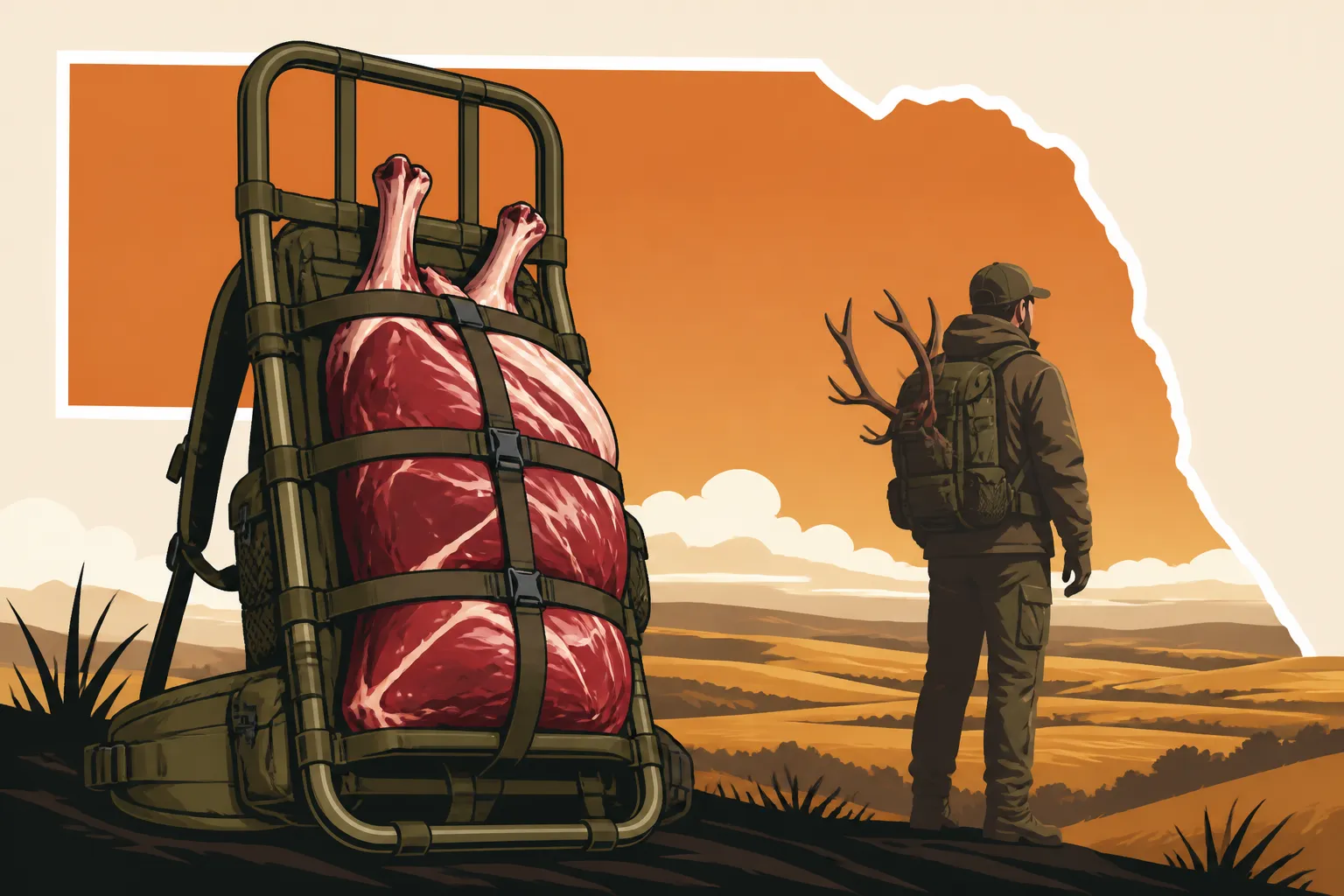
There's nothing quite like the immense satisfaction of tagging an animal in Nebraska's vast open spaces—whether it's a mule deer deep in the Sandhills or a whitetail along a remote river bottom. But that feeling of triumph can quickly be overshadowed by the daunting reality of getting that hard-earned meat back to your vehicle, especially when you're miles from the nearest two-track. Hauling a heavy load of venison, bone, and hide through sand, tall grass, or thick cedars can quickly turn an incredible memory into a grueling test of endurance. This guide is all about one piece of gear that makes this critical part of the hunt not just bearable, but genuinely achievable: the frame pack.
The Anatomy of a Frame Pack for Big Game Hunting
When you think about a backpack, you might picture something you'd take on a day hike or a weekend camping trip. Those packs are great for clothes, snacks, and a sleeping bag. But when it comes to carrying hundreds of pounds of meat and bone out of the backcountry, they simply don't cut it. That's where a true frame pack steps in, designed specifically to handle extreme loads and distribute weight efficiently, preventing shoulder and back strain that can lead to injury or, at the very least, a very miserable pack-out.
External vs. Internal Frames
The core difference in high-capacity packs lies in their frame structure. You'll typically encounter two main types: external and internal frames.
External frame packs, often seen as old-school, actually have a significant advantage when it comes to hauling bulky, heavy, and often awkward loads like boned-out game. The frame itself is rigid and visible, typically made of aluminum, with the pack bag attaching to it. This design allows for excellent load separation—you can lash game bags directly to the frame, between the frame and the main bag, or even completely remove the main bag and just use the frame to carry meat. This means blood and grime from the meat don't contaminate your sleeping bag, extra clothes, or other gear inside the main compartment. The rigidity of the external frame also excels at stabilizing incredibly heavy, unbalanced loads, which is a common scenario when you're packing out a quartered deer or antelope. The downside can be that they sometimes feel less "part of you" on rough terrain, and can catch on brush more easily.
Internal frame packs, on the other hand, have rigid stays (often aluminum or carbon fiber) integrated directly into the pack body, hidden from view. These are fantastic for conforming to your body, offering a more stable and agile feel when moving through dense cover or over uneven ground. Many modern hunting packs use internal frames, often with a "load shelf" or "meat shelf" feature. This is a brilliant design that allows you to separate the main pack bag from the frame itself, creating an open space to sandwich your game bags directly against the frame, then secure them with compression straps before reattaching or securing the main pack bag on top. This offers a good compromise, providing the body-hugging comfort of an internal frame with the meat-carrying functionality of an external one. For many Nebraska hunters navigating diverse terrain, from river bottoms to open plains, a well-designed internal frame pack with a meat shelf provides excellent versatility.
Load Shelf and Suspension Systems
This is where the magic really happens in a meat-hauling pack. A robust load shelf, whether it's an inherent feature of an external frame or a clever design in an internal frame pack, is paramount. It creates a platform, often reinforced and expandable, where you can place your heavy game bags directly against the frame and closest to your back. This placement is crucial because it keeps the heaviest part of the load high and tight to your body, minimizing sway and leveraging your natural balance. Without a dedicated load shelf or proper compression, heavy meat can sag, pulling the pack down and away from your body, leading to agonizing back and shoulder strain.
Equally important is the suspension system. This includes the shoulder straps, hip belt, and back panel. For a frame pack, these components must be significantly more robust and well-padded than on a typical day pack. The hip belt, especially, is designed to transfer the majority of the load (often 70-80%) from your shoulders to your hips, which are much better equipped to handle heavy weight over long distances. Look for thick, comfortable padding on the hip belt and shoulder straps, and ensure the entire system is highly adjustable. Being able to fine-tune the torso length, shoulder strap angle, and hip belt tension is critical for achieving a custom fit that can effectively distribute a heavy, unwieldy load. A poorly fitting pack, even with a great frame, will punish you relentlessly.
Material Durability and Design
Nebraska hunting isn't always kind to gear. From abrasive Sandhills blowout sand to thorny river bottom thickets, your pack needs to withstand a beating. The materials used in a frame pack are therefore incredibly important. You'll want to look for heavy-duty, abrasion-resistant fabrics like Cordura or similar high-denier nylons. These materials can take the abuse of being dragged across rocks, rubbing against tree bark, and enduring repeated heavy loads without tearing or failing.
Beyond the fabric, pay attention to the stitching and zippers. Stress points, like where shoulder straps attach to the frame or where the main pack bag connects, should be heavily reinforced. Zippers should be robust, self-healing YKK zippers that can handle being overstuffed and aren't prone to snagging or breaking when covered in dirt or blood. Smart design elements like ample external compression straps are also critical for cinching down game bags and ensuring a stable, wobble-free load. Having a separate, easily cleanable compartment or dedicated space for a water bladder is also a huge plus, as staying hydrated is key on a tough pack-out. Many hunters rely on resources like GoHunt to research the best materials and designs for different hunting scenarios, providing detailed reviews and comparisons.
Why a Frame Pack is Crucial for Nebraska Hunts
Nebraska's diverse hunting landscape, from the vast Sandhills to the dense river corridors of the Platte, presents unique challenges that a standard backpack simply isn't built for. When you finally connect with an animal, the real work often begins, and a dedicated frame pack becomes an indispensable tool.
Distant Kills and Rugged Terrain
Imagine you've just stalked a mule deer buck across several miles of open range in the Oglala National Grassland. Or perhaps you've arrowed a whitetail in a remote corner of an Open Fields and Waters tract, deep in a cedar draw. The feeling of success is immense, but the thought of getting that animal back to the truck can be overwhelming. Standard backpacks, even large ones, quickly become unstable and uncomfortable once you try to stuff in a heavy quarter or boned-out meat. The weight sags, the pack pulls away from your back, and every step becomes a painful struggle.
A frame pack, with its robust structure and advanced suspension system, is designed precisely for these scenarios. It allows you to effectively carry heavy, awkward loads over uneven ground, through tall grass that can trip you up, and even up steep, sandy hills. The ability to distribute hundreds of pounds across your hips and shoulders means you can cover greater distances with less fatigue and a significantly reduced risk of injury. It literally turns what could be a multi-trip, back-breaking ordeal into a manageable (though still challenging!) single-trip pack-out. This is especially true when you find yourself in remote areas, needing to get an animal out of a tricky spot, as discussed in Getting a Deer Out of a Nebraska Sandhills Basin.
Comfort Under Extreme Weight
Let's be realistic: carrying 50, 100, or even 150+ pounds of meat on your back is never going to feel like a walk in the park. But a well-chosen and properly fitted frame pack can make a monumental difference in how you experience that effort. The ergonomic design, coupled with a load shelf that keeps the weight close to your center of gravity, drastically improves stability and reduces the muscle strain that would otherwise lead to burning shoulders and a screaming lower back.
Think about a boned-out whitetail buck. You're easily looking at 60-80 pounds of meat, plus the hide and head if you're taking them. Add in your rifle, water, emergency gear, and whatever else you're carrying, and you quickly hit triple-digit weights. Trying to handle that with a flimsy pack is a recipe for disaster. A quality frame pack's hip belt and shoulder straps are designed to cradle your body, distributing the pressure evenly and preventing hot spots or nerve impingement. This enhanced comfort translates directly into greater endurance, allowing you to push through those last few miles when every fiber of your being is telling you to stop.
Dealing with Unexpected Conditions
Nebraska weather can be notoriously unpredictable. An early archery season opener might bring sweltering heat, while a late-season firearm hunt could mean frigid temperatures and snow. A frame pack's design often makes it easier to adapt to these changing conditions, especially concerning meat care.
In warm weather, the ability to lash game bags to an external frame or a dedicated meat shelf, away from your personal gear, is invaluable. This prevents blood from soaking into your clothing or other essentials, and also allows for better airflow around the meat, which is crucial for cooling it down quickly and preventing spoilage. You'll find great tips on this in Field Dressing and Cooling Game in Warm Weather and specific gear suggestions in Meat Care Gear for Warm Nebraska Openers. If you're hunting in cold, wet conditions, the durable, often water-resistant materials of a good frame pack, along with waterproof game bags, help protect the meat from the elements, ensuring it arrives at camp in prime condition. The robust compression straps on these packs also help keep your load tight and secure, preventing shifting that can throw you off balance on icy or muddy trails.
| Feature | External Frame Pack (Meat Hauling Focus) | Internal Frame Pack (Meat Hauling Focus) |
|---|---|---|
| Frame Type | Rigid, visible metal frame | Stays integrated within pack body |
| Load Shelf | Inherent part of frame, highly versatile | Dedicated "meat shelf" or removable bag |
| Weight Transfer | Excellent, primarily to hips | Excellent, primarily to hips |
| Stability | High, especially with bulky loads | High, conforms to body |
| Blood/Grime | Easy separation, less contamination | Requires careful bagging, some risk |
| Agility | Can be less agile in dense brush | More agile, moves with body |
| Comfort (Heavy Loads) | Very good, especially with proper fit | Very good, especially with proper fit |
| Best For | Extremely heavy, awkward, bulky loads | Versatile, heavy loads, varied terrain |
Key Features to Look for in a Nebraska Meat Hauler
Choosing the right frame pack can feel like a big decision because it's a significant investment in your hunting success and comfort. Focus on these critical features to ensure you pick a pack that can truly stand up to the rigors of Nebraska big game hunting.
Weight Capacity and Adjustability
When we talk about weight capacity, we're not just referring to the volume of the main bag, but the overall structural integrity of the pack to handle sheer mass. A dedicated meat-hauling frame pack should comfortably manage 80 to 150 pounds or more. While you might not carry that much on every trip, knowing your pack can handle it provides immense peace of mind. Check the manufacturer's stated weight limits and read reviews from hunters who have actually packed out big game with the model you're considering. Many outdoor retailers or even specific hunting research platforms like GoHunt provide comprehensive gear reviews and capacity tests.
Beyond raw strength, adjustability is king. No two hunters are built alike, and even the same hunter might need different adjustments depending on the load. Look for packs with easily adjustable torso lengths, hip belt angles, and shoulder strap positions. A pack that allows you to micro-adjust the fit means you can dial it in precisely to your body, ensuring the weight sits where it should—on your hips—and not solely on your shoulders. A proper fit is the difference between a painful slog and a strenuous but manageable journey. Don't be afraid to try on packs in a store, if possible, even with some weight in them, to get a feel for the fit and adjustment mechanisms.
Access and Organization for Field Processing
Field processing an animal, whether you're quartering on the bone or boning out, requires quick access to specific tools: knives, game bags, a bone saw, maybe some rope or flagging tape. A well-designed frame pack will have exterior pockets or easily accessible compartments that allow you to grab these essentials without having to uncinch your entire pack or dig through your main gear. Some packs feature side pockets large enough for a spotting scope or a tripod, which can double as quick-access spots for processing tools.
Furthermore, consider the pack's ability to compress and hold odd-shaped items. If you're bringing a head and antlers out, for example, many frame packs have straps specifically designed for lashing these external to the main bag or above the load shelf. Internal organization within the main bag isn't as critical as with a smaller pack, as the priority for a meat hauler is often simplicity and robust capacity, but a few well-placed pockets for small items like a headlamp, first-aid kit, or map are always appreciated. Remember that blood and fluids are a factor, so easily washable or separated compartments for game bags are a huge plus.
Weather Resistance and Blood Management
Nebraska's weather can shift from hot and dry to cold and wet in a single day. Your pack needs to protect both your gear and the precious meat you're carrying. While most modern packs use water-resistant fabrics, truly waterproof materials are rare. Look for packs made from tightly woven, durable synthetic fabrics that shed water effectively. Consider investing in a good quality rain cover for your pack, especially if you're hunting during periods prone to rain or snow.
However, a unique challenge with meat hauling is blood management. Nothing ruins gear faster than stale blood. Look for packs with features that minimize blood contact with your main gear. The external frame design inherently excels here, as meat can be strapped directly to the frame without touching the main pack bag. For internal frame packs with a meat shelf, ensure the material of the shelf itself is easy to wipe clean and that your game bags are robust and leak-proof. Many hunters also carry a designated "blood bag" or a heavy-duty contractor bag to line the meat compartment or wrap game bags in, providing an extra layer of protection. This thoughtful approach ensures your valuable venison stays clean and your gear remains functional for seasons to come.
Integrating a Frame Pack into Your Hunting Strategy
A frame pack isn't just another piece of gear; it's a strategic asset that requires planning and practice to use effectively. Simply buying one isn't enough; you need to understand how to maximize its potential.
Pre-Season Training and Fit
Just like you wouldn't run a marathon without training, you shouldn't expect to pack out a heavy animal without preparing your body. Before the season starts, get familiar with your frame pack. Load it up with progressively heavier weights—start with 30-40 pounds and work your way up to 70-100 pounds. Use sandbags, water jugs, or even just bags of feed to simulate the bulk and weight. Walk your local trails, hike hills, and get your body accustomed to carrying significant weight. This not only builds the necessary strength and endurance but also allows you to fine-tune the pack's fit.
Adjust the shoulder straps, the hip belt, and the load lifters (straps that pull the top of the pack closer to your shoulders) until the weight feels balanced and comfortable. The goal is to transfer most of the weight to your hips, with your shoulders primarily stabilizing the load. A properly fitted pack will feel like an extension of your body, rather than a dead weight dragging you down. Don't underestimate this step; ignoring it is a common mistake that leads to unnecessary suffering in the field.
Loading Principles for Stability and Comfort
Once you've made the kill, proper loading of the meat is critical. Whether you're boning out or quartering on the bone, place the heaviest items as close to your back and as high on the frame as possible. For internal frame packs with a meat shelf, this means placing your game bags on the shelf, compressing them tightly against the frame with the integrated straps, and then securing your main pack bag on top. For external frames, you'll often lash the meat directly to the frame, ensuring it's centered and secured.
Distribute the weight evenly from side to side to maintain balance. Use all available compression straps to cinch down the load as tightly as possible. A loose, shifting load is incredibly unstable and fatiguing. Imagine trying to walk with a wobbly bowling ball strapped to your back—you'll constantly be fighting it. A well-compressed load feels much more stable and manageable, even when you're traversing uneven ground or navigating obstacles. Taking an extra 5-10 minutes to load your pack correctly in the field will save you hours of discomfort and potential injury on the pack-out. For those bigger animals, understanding the yield can help you plan your loads, as discussed in Deer Meat Yield From a Nebraska Buck.
Maintenance and Care
A quality frame pack is an investment, and like any good tool, it requires proper care to last. After a successful hunt, especially one involving a meat pack-out, your pack will likely be covered in blood, dirt, and sweat. As soon as you can, unpack all your gear and completely remove any game bags.
Clean the pack thoroughly. For bloodstains, cold water is your best friend. Hot water can set bloodstains, making them much harder to remove. Use a mild soap and a brush to scrub away dirt and grime, paying special attention to the hip belt and shoulder straps, where sweat and oils can build up. Many hunters find using a hose or shower works best for a thorough rinse. Make sure to clean the load shelf and any buckles or zippers that might have accumulated debris. Once clean, hang the pack in a well-ventilated area, preferably out of direct sunlight, to dry completely. Storing a damp pack can lead to mildew and degradation of materials. Checking online resources like GoHunt's gear care guides can also provide excellent tips on maintaining your specific pack model for longevity. Regular inspection for any tears, loose stitching, or damaged buckles will allow you to make repairs before they become bigger issues, ensuring your frame pack is always ready for your next Nebraska adventure.
Disclaimer
This article is for general informational purposes only and does not constitute professional advice. Laws, prices and regulations vary by location and change over time. Consult a qualified professional for guidance on your specific situation.