Muzzleloader Powder Choices for December
Hunting in Nebraska during December with a muzzleloader presents a unique set of challenges, from biting cold winds to unpredictable snow and sleet. The last thing you want after enduring frigid temperatures for hours is a misfire because your powder couldn't handle the conditions. Choosing the right muzzleloader powder isn't just about velocity; it's about reliability when a big Nebraska whitetail or mule deer steps out, and this guide will walk you through the options to keep your hunt from turning into a frustrating dud.
The Unique Challenges of December Muzzleloading in Nebraska
When the calendar flips to December in Nebraska, the hunting conditions shift dramatically. We're talking about a landscape that can transform from a crisp, sunny day to a blizzard overnight. This harsh environment poses significant hurdles for muzzleloader hunters, making powder selection absolutely critical.
Moisture Is the Enemy of Reliability
December weather often brings higher humidity, freezing rain, wet snow, or even just heavy frost that settles into every crevice. Black powder and many of its synthetic substitutes are highly susceptible to moisture. Even a tiny bit of dampness can render your charge inert, leading to a dreaded "fizzle" instead of a bang. Imagine sitting in a ground blind, bundled up against the chill, watching a mature buck work its way towards you through a cedar draw. You settle your crosshairs, squeeze the trigger, and all you hear is a weak puff, or worse, nothing at all. It's a gut-wrenching experience that can be largely avoided with proper powder choice and handling. Keeping your powder dry in these conditions is paramount, and some powders are inherently more forgiving than others when faced with the elements. For tactics on dealing with the elements, check out Keeping a Muzzleloader Dry in Snow.
Cold Temperatures Affect Performance
Beyond moisture, the sheer cold of a Nebraska December can impact powder performance. While modern powders are designed to be stable across a wide temperature range, extreme cold can subtly alter burn rates, potentially affecting accuracy and consistency. You might not notice it on a warm autumn day, but when the mercury dips well below freezing, every variable counts. Hunters often report slight changes in point of impact or velocity when shooting in severely cold conditions. Understanding how your chosen powder reacts to these low temperatures, and making sure your charge is consistent, can be the difference between a clean kill and a frustrating miss. Planning for these cold conditions extends beyond your firearm to your personal comfort, as discussed in Cold Weather Sitting Strategy.
The Need for Consistent Ignition
A reliable muzzleloader hunt hinges on consistent ignition. In December, when deer are often focused on the remaining Late-Season Food Sources in Nebraska, opportunities can be fleeting. You need a system that you trust implicitly to perform every single time. This means not only selecting a powder known for its dependable ignition but also ensuring you're using high-quality primers or percussion caps designed for cold weather. Weak ignition can lead to hangfires – a terrifying delay between pulling the trigger and the gun firing – or even complete misfires. When you've put in the effort to find the deer, brave the cold, and set up your shot, the last thing you want is a question mark over your ignition system.
Granular Powders: The Tried and True Options for Cold Weather
For many traditionalists and those seeking maximum control over their loads, granular powders remain the go-to choice. These powders offer versatility in charge weight and can often be more forgiving in terms of achieving optimal accuracy for specific rifles.
Traditional Black Powder
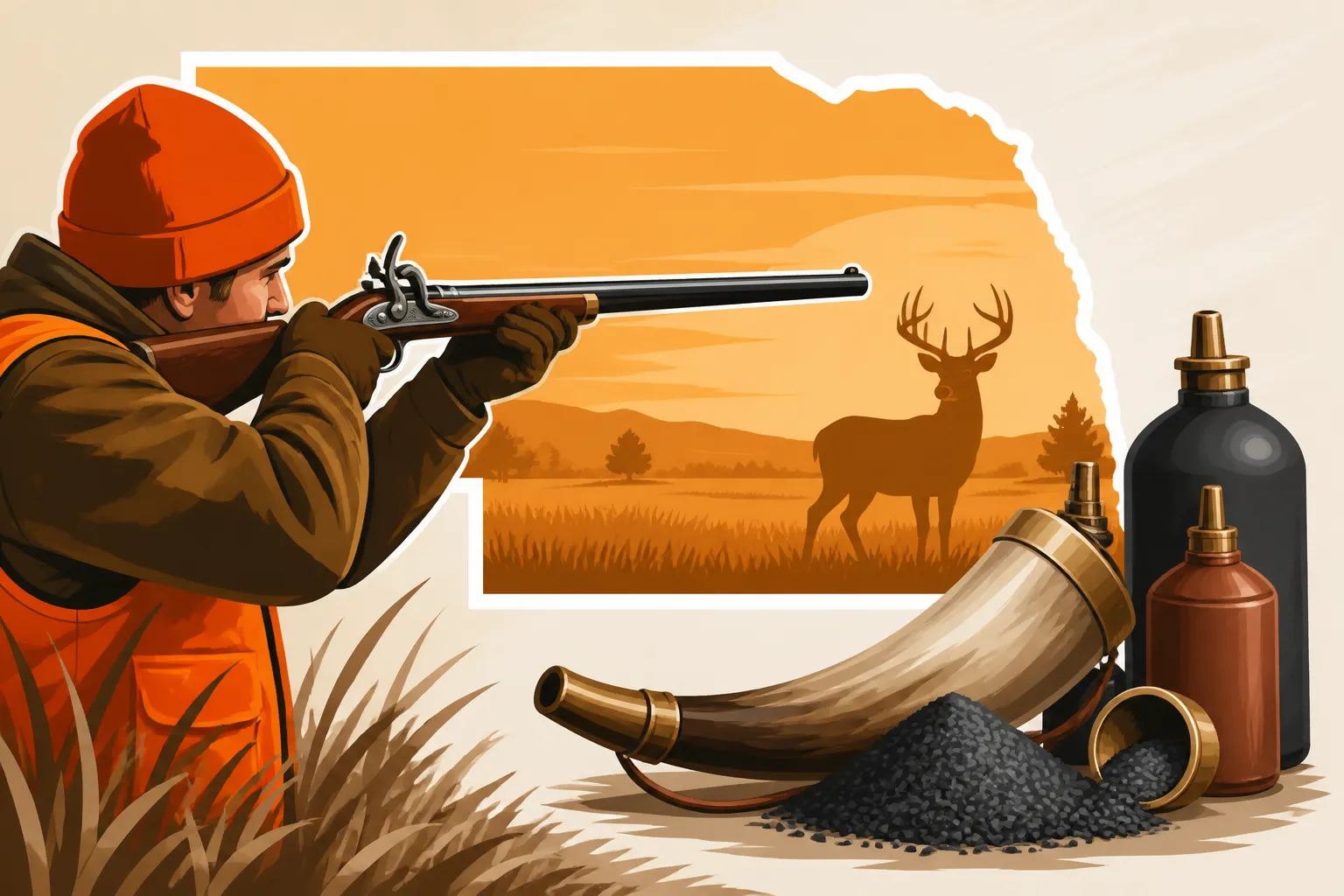
Ah, true black powder. The historical foundation of muzzleloading, and still a viable option for many hunters. Available in different granulations (Fg, FFg, FFFg, FFFFg), it offers excellent ignition even with traditional percussion caps. Many purists swear by its consistent burn and classic muzzleloader "boom."
However, black powder is extremely corrosive. It leaves behind a significant amount of fouling that needs to be cleaned promptly after shooting, especially in cold, damp conditions where rust can set in quickly. If you're planning a multi-day hunt or expect to take multiple shots, the regular cleaning required can be a real logistical challenge in the field. But for those who embrace the tradition and don't mind the cleanup, it's a solid, reliable choice, especially when meticulously kept dry.
Pyrodex: A Popular Black Powder Substitute
Pyrodex, produced by Hodgdon Powder Company, has long been a favorite black powder substitute. It’s available in granular forms like Pyrodex Select, RS (Rifle/Shotgun), and P (Pistol), allowing for precise charge adjustments. Pyrodex is less corrosive than traditional black powder, which means you get a bit more leeway before a full cleaning is absolutely necessary, though it still requires diligent care.
One of the main advantages of Pyrodex is its availability and versatility. It measures volumetrically very similarly to black powder, making load development straightforward for many shooters. It tends to ignite well in cold conditions, and its consistency has been proven over decades in the field. When planning your muzzleloader setup, you might even find online forums or resources like those accessible through GoHunt that detail specific Pyrodex loads that perform exceptionally well in Nebraska's winter conditions. Just remember, while less corrosive, it still fouls, and moisture is still its enemy, so careful loading and protection from the elements are a must, as outlined in Loading and Keeping Powder Dry in December.
Pellets and Cleaner Alternatives: Convenience vs. Performance
In recent years, powder manufacturers have developed pelletized powders and cleaner-burning granular substitutes that offer significant advantages, particularly for hunters who prioritize convenience and reduced fouling.
Triple Seven: Hodgdon's Clean-Burning Option
Triple Seven, another offering from Hodgdon Powder Company, has gained immense popularity for its significantly cleaner burn compared to black powder and Pyrodex. It produces less fouling, which means you can often take more shots between cleanings, a huge advantage on a cold December day when you don't want to break down your rifle in the field. It also has a higher energy content, often resulting in slightly higher velocities with equivalent volumetric charges.
Triple Seven is available in both granular (FFg and FFFg) and pelletized forms. The pellets, usually 50-grain equivalents, offer unparalleled convenience; just drop them down the barrel. However, some hunters find that pellets don't always provide the same tack-driving accuracy as carefully weighed granular charges in all rifles. While cleaner, Triple Seven still benefits from meticulous moisture protection and proper cleaning techniques. If you're looking for a cleaner shooting experience without completely sacrificing power, Triple Seven, especially the granular version, is a strong contender for your Nebraska Muzzleloader Deer Tactics in December.
Other Pelletized Substitutes (e.g., IMR White Hots, Hodgdon Triple Seven Pellets)
The market offers several other pelletized black powder substitutes, such as IMR White Hots and various forms of Hodgdon Triple Seven pellets. These products are designed for ultimate ease of use: simply drop the pre-measured pellets down the barrel, seat your bullet, and you're ready to go. This can be a huge time-saver in the field, especially when hands are cold and fumbling with loose powder isn’t ideal.
While convenient, pelletized powders have a few considerations. They often require magnum primers for reliable ignition, especially in cold weather. Some rifles might also prefer the consistency of a granular charge over pellets for optimal accuracy. The "no-measure" aspect is great, but it means you're stuck with predefined charge weights, which might not always be the absolute best for your specific bullet and rifle combination. It’s always a good idea to test different pellet configurations and primer types with your muzzleloader to see what provides the best results for your setup before heading into the field for that crucial December hunt. Many hunters use hunting apps like GoHunt to find specific product reviews or community discussions about what pellets perform best with various muzzleloader models.
Here's a quick comparison of common muzzleloader powder types:
| Powder Type | Key Characteristics | Corrosion | Fouling | Cold Weather Reliability | Common Forms |
|---|---|---|---|---|---|
| Traditional Black Powder | Authentic, consistent ignition, distinct smoke | High | High | Good (if kept dry) | Granular (Fg, FFg, FFFg) |
| Pyrodex (RS, P, Select) | Less corrosive than black powder, good ignition | Medium | Medium | Good | Granular |
| Hodgdon Triple Seven | Cleaner burning, higher energy, less fouling | Low | Low | Very Good | Granular, Pellets |
| IMR White Hots | Very clean, high velocity, convenient | Very Low | Very Low | Very Good | Pellets |
Storage, Loading, and Field Care: Maximizing Your Powder's Potential
No matter which powder you choose, how you store it, load it, and care for it in the field will have a huge impact on your success during a December muzzleloader hunt in Nebraska.
Proper Storage Before the Hunt
Before you even step foot in the woods, proper storage of your powder is paramount. All muzzleloader powders, especially black powder and its substitutes, are hygroscopic, meaning they readily absorb moisture from the air. Store your powder in its original, airtight container in a cool, dry place. Avoid storing it in areas with high humidity fluctuations, like a damp basement or garage, as this can degrade the powder over time, leading to inconsistent performance or even complete failure. Think of it like keeping your Clothing for Nebraska Wind and Cold dry before you wear it – if it's damp going in, it won't perform when you need it most.
When preparing for a hunt, I like to pre-measure my charges and store them in small, sealed, waterproof containers or vials. This not only speeds up reloading in the field but also provides an extra layer of protection against moisture. Just make sure these containers are clearly labeled for safety and convenience. Some hunters even add a small desiccant packet to their powder storage box for added moisture control, especially if they live in a humid climate.
Loading Techniques for Cold, Wet Conditions
Loading your muzzleloader in cold, potentially wet conditions requires extra care and attention. First, ensure your hands are as dry as possible to avoid transferring moisture to the powder. This might mean wearing gloves designed for dexterity, or even taking them off for a moment if you can manage the cold. When pouring granular powder, use a funnel to minimize spillage and ensure all the powder goes down the bore. With pellets, simply drop them in carefully.
After seating your powder and bullet, pay close attention to sealing the breach. If you're using a percussion cap system, ensure the cap is firmly seated and consider adding a small piece of electrical tape over the cap for extra moisture protection. For 209 primer systems, make sure the primer is fully seated in the breech plug. Some hunters even apply a thin layer of grease or wax around the primer to create a watertight seal. This meticulous approach to Muzzleloader Choices for December Cold helps ensure that the ignition source remains dry and ready to fire, even if you’re caught in an unexpected snow shower or a long, damp sit.
Field Care and Contingencies
Once you're in the field, protecting your muzzleloader from the elements is a continuous process. If you’re sitting in a stand, always keep your muzzleloader pointed down or protected under a cover to prevent rain or snow from entering the bore. A simple muzzle cover, like a piece of electrical tape or a balloon, can prevent moisture from getting into the barrel and compromising your powder charge. If you need to reload in the field, try to find a sheltered spot – perhaps under a thick pine tree or inside a ground blind – to minimize exposure to wind and moisture.
Carry extra primers or caps in a waterproof container, as these are just as critical for ignition as the powder itself. Also, consider carrying a small, dry cloth to wipe down your rifle frequently, removing any accumulated moisture. While your Boots for Walking Nebraska Grass and Sand are important for covering ground, your attention to detail with your firearm's field care is what ensures it performs when the moment arrives. Having a backup plan, like carrying a small, sealed container of pre-measured powder charges and extra primers, can save a hunt from being cut short by a simple misfire.
Disclaimer
This article is for general informational purposes only and does not constitute professional advice. Laws, prices and regulations vary by location and change over time. Consult a qualified professional for guidance on your specific situation.