Blaze Orange Caps and Vests in Nebraska
There's nothing quite like the crisp air of a Nebraska fall morning, the anticipation of a hunt, and then the nagging doubt: "Am I wearing enough orange? Do I even need orange today?" The rules around blaze orange for hunters in Nebraska can feel like a tangled web, leaving many of us scratching our heads and second-guessing our gear choices. This guide is here to clear up that confusion, diving deep into the specific requirements for blaze orange caps and vests in Nebraska, ensuring you're safe, legal, and confident in the field.
The Imperative of Visibility: Why Blaze Orange Matters So Much
Blaze orange isn't just a brightly colored fashion statement for hunters; it's a critical safety tool, backed by science and years of accident prevention. For many of us, it feels like another rule to remember, but understanding why it's so important can shift our perspective from mere compliance to genuine commitment to safety.
Understanding Human and Deer Vision
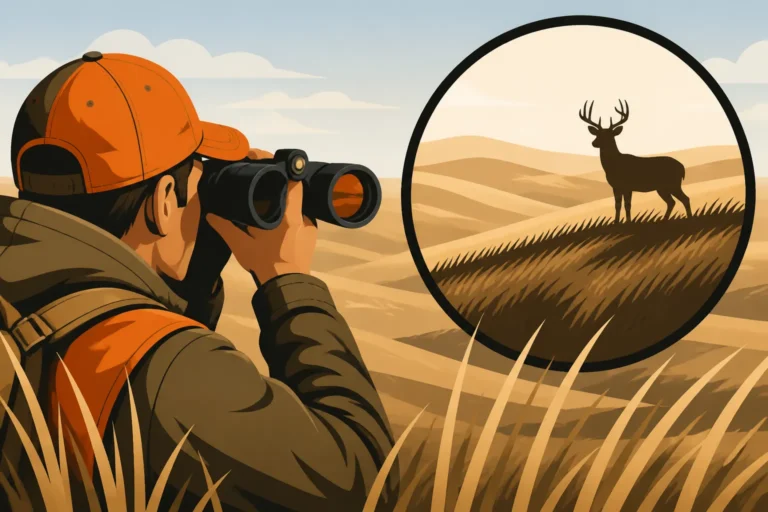
One of the most fundamental reasons blaze orange is so effective lies in the biological differences between human and deer vision. Deer, like many prey animals, are dichromatic. This means their eyes perceive a limited spectrum of color, primarily in the blues and yellows. To a deer, the vibrant reds and oranges that shout "danger" to a human often appear as dull shades of gray or brown, blending into the natural background. This is a crucial physiological fact that makes blaze orange an unparalleled safety measure for hunters.
Conversely, for human eyes, blaze orange is incredibly conspicuous. Against the greens of trees, the browns of dry grass, or the muted tones of stubble fields, that fluorescent hue stands out like a beacon. It's designed to grab attention, to scream "human!" in a landscape where everything else is designed for camouflage. This contrast is the bedrock of its effectiveness; it allows us to clearly identify fellow hunters, drastically reducing the chance of accidental shootings due to mistaken identity.
This vision differential is why blaze orange is mandatory in so many hunting scenarios. It creates a safety zone, allowing hunters to move through the woods with a greater degree of confidence, knowing that they are visible to other human hunters but not overtly alarming to the game they pursue. It’s a truly elegant solution to a serious safety challenge, allowing for both effective hunting and enhanced human safety.
Beyond Just a "Rule": Proactive Safety in the Field
While regulations mandate blaze orange for specific seasons, thinking of it as merely a legal hoop to jump through misses the entire point. It's a fundamental safety tool, a proactive measure that prevents accidents before they ever have a chance to occur. Hunting accidents, though less common than they once were, still happen. Often, these incidents occur in dense cover, during challenging weather, or in low-light conditions when visibility is naturally reduced. Blaze orange acts as a constant, non-verbal warning.
Imagine still-hunting a snowy river bottom in December, moving slowly and deliberately through thick brush, your senses tuned to every rustle and snap. Another hunter might be doing the same, perhaps approaching from a different angle, equally focused on their quarry. That flash of blaze orange, even partially obscured by a tree trunk or a rise in the terrain, is often the only thing that prevents a dangerous encounter. It immediately identifies the wearer as a person, eliminating the split-second doubt that can lead to a tragic mistake. This is especially true when navigating areas with varying terrain and cover, such as those found while still-hunting a Snow-Covered River Bottom.
Furthermore, its importance is amplified when hunting with multiple people. Whether you're coordinating a deer drive, like those described for Two-Person Deer Drives on Small Timber, or walking a vast milo field for pheasants, knowing the precise location of your partners is paramount. Even when obscured by terrain, thick brush, or heavy cover, the vibrant orange is designed to catch the eye, shouting "Human!" in a landscape where everything else is camouflage. It's a simple, yet profoundly effective way to ensure everyone in your party, and any other hunters in the vicinity, stays safe.
The Ethical Choice of High Visibility
As hunters, we carry a significant responsibility—not only to ourselves and our hunting partners but also to the broader hunting community and the non-hunting public. Adhering to safety protocols, including wearing blaze orange when appropriate, is a crucial part of upholding the reputation of hunting as a safe, responsible, and ethical outdoor activity. Our actions in the field reflect on every other hunter, and promoting safety is a collective effort.
There's an unwritten code of conduct among ethical hunters. Even in situations where blaze orange might not be legally required by Nebraska Game and Parks regulations, choosing to wear a bright cap or vest can be a powerful sign of respect. This applies to other hunters pursuing different game, hikers enjoying nature, or even landowners who might be working nearby. It adds an extra layer of peace of mind for everyone involved, fostering a positive image for hunting and demonstrating our commitment to safety. For instance, when planning your outing using a resource like GoHunt, considering the presence of other users on popular public land helps you make responsible gear choices.
Consider scenarios like Scouting Nebraska Public Ground Before Opening Day. Even when you're just out exploring new territory or looking for sign outside of a designated hunting season, wearing a bit of orange can be a good practice. There might be other shed hunters, hikers, or even late-season hunters pursuing other species. It's about being proactively seen and taking personal responsibility for your safety and the safety of others sharing the outdoors. This ethical mindset extends beyond the letter of the law, embracing the spirit of safe and considerate outdoor recreation.
Navigating Nebraska's Blaze Orange Requirements
The rules surrounding blaze orange can vary significantly depending on the species you're hunting, the weapon you're using, and the time of year. Nebraska has clear guidelines, but understanding the nuances, especially during overlapping seasons, is key to staying legal and safe.
Mandatory Blaze Orange During Firearm Deer Seasons
This is perhaps the most straightforward and non-negotiable rule in Nebraska hunting: if you are present in the field during any firearm deer season, you must wear blaze orange. This isn't just for the person actively pulling the trigger; it applies to everyone participating in or accompanying a firearm deer hunt. This includes the general nine-day firearm deer season in November, the late antlerless hunts, and even the muzzleloader season in December. The requirement is absolute because the risk of a mistaken identity accident is highest when rifles are in use. Nebraska Firearm Deer Season Dates always serve as a critical reminder of when these rules are in full effect.
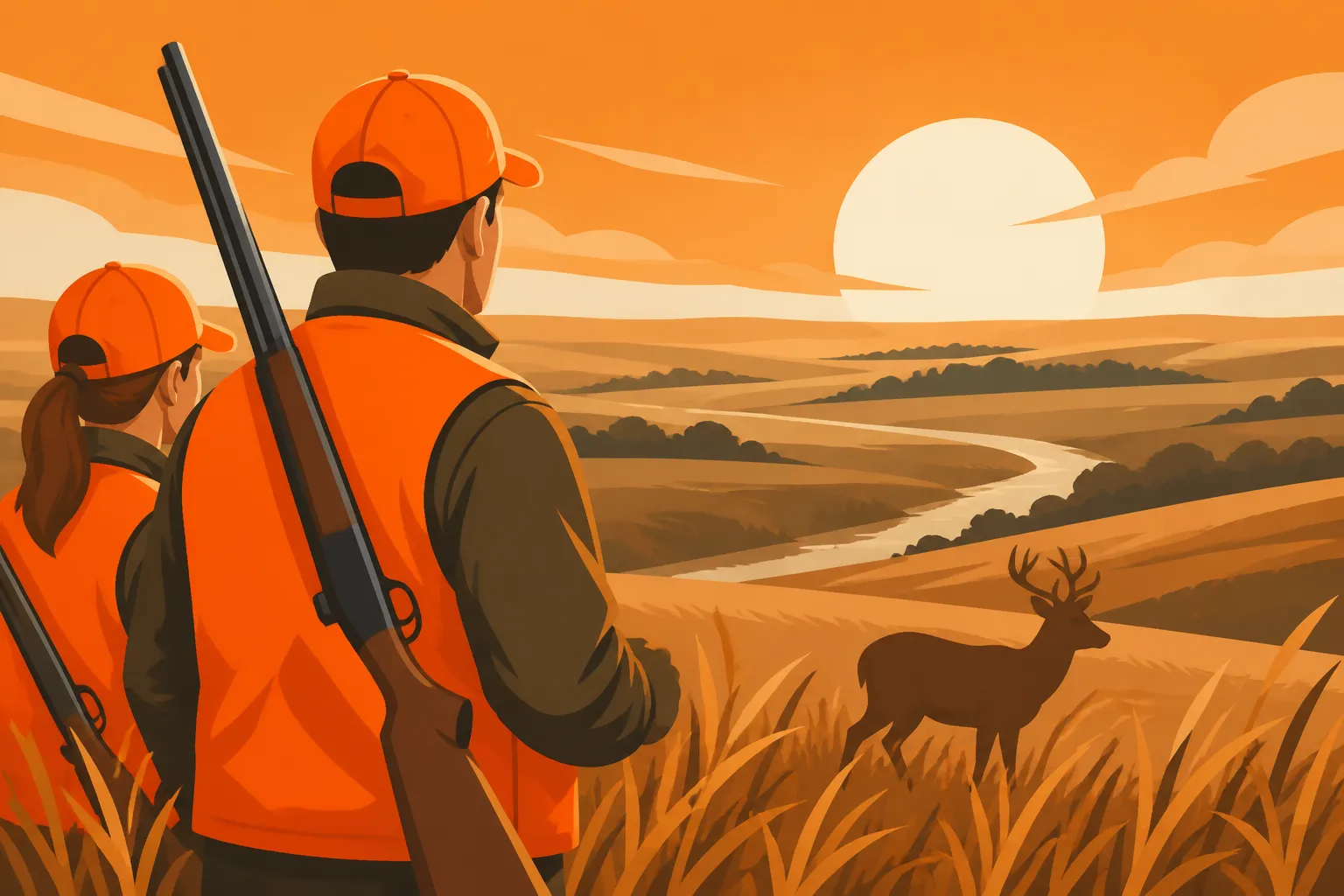
The Nebraska Game and Parks Commission specifies that you need at least 400 square inches of blaze orange prominently displayed on your head, chest, and back. For most hunters, this translates directly to wearing a blaze orange cap and a blaze orange vest. These aren't optional accessories; they are as fundamental to your gear as your hunting permit or your firearm itself. This amount of coverage is designed to make you unmistakably human, regardless of your background or the cover you're in.
It's critical not to skimp on this requirement. A small orange patch on a backpack or a camouflage hat with a tiny orange logo won't cut it. The intent behind the 400 square inches is maximum visibility from multiple angles. Whether you're tucked into the dense river bottoms of Eastern Nebraska or exposed on the open plains of the Sandhills, that vibrant orange surface area is designed to make you seen and safe. This strict regulation is a testament to the importance of preventing tragic hunting accidents.
Archery Season Overlap: When Bowhunters Need to Wear Orange
This is where the blaze orange rules often become a point of confusion for many Nebraska hunters. The state's archery deer season is quite long, stretching for a generous four months. For the vast majority of this period, archers are not legally required to wear blaze orange, allowing them to utilize full camouflage for stealth. However, there's a critical and often misunderstood overlap: when the archery season runs concurrently with the November firearm deer season, archers must also don blaze orange.
So, if you're a dedicated bowhunter planning to be in the woods during Bowhunting Through the November Firearm Season, even with your compound or traditional bow, that blaze orange cap and vest become mandatory. This is because other hunters, armed with high-powered rifles, will be actively pursuing deer, and the risk of a mistaken identity accident skyrockets. It doesn't matter if you're perched silently in a treestand, still-hunting through a cedar draw, or sitting patiently in a ground blind; the presence of firearm hunters in the same area necessitates the heightened visibility for your safety.
This specific nuance is clearly outlined in the regulations and is often a topic of discussion among hunting groups. For detailed guidance, check resources like GoHunt or the official Nebraska Game and Parks publications that specify Orange Requirements for Archers in November. It's imperative for archers to internalize this rule. You might be accustomed to hunting in full camouflage, but during those firearm overlaps, your safety and the safety of others must take precedence. Always confirm the exact dates when this overlap occurs each year to ensure you're compliant and safe.
Other Species, Exemptions, and Best Practices
While firearm deer seasons are the primary focus for blaze orange requirements, what about other types of hunting in Nebraska? For species like pheasant, quail, or grouse, blaze orange is generally not legally required by statute across the board. However, it is almost universally and very highly recommended, especially when hunting with a group. When Walking Nebraska Pheasant Cover With a Dog in thick CRP fields, navigating dense cattail sloughs, or pushing shelterbelts with partners, wearing orange dramatically improves safety. Even when obscured by heavy cover, the intermittent flashes of orange help everyone keep track of each other, preventing dangerous situations.
For activities like predator calling, such as Coyote Calling on Winter Grassland, blaze orange is typically not required, as these hunts often occur outside of big game seasons. However, a crucial caveat exists: if you are calling coyotes in an area where a firearm deer season (like late antlerless hunts) might still be open, or during any overlapping firearm season, you should absolutely err on the side of caution and wear blaze orange, especially when moving between calling setups. It’s always better to be seen and safe.
There are also specific exemptions to the blaze orange rules. Waterfowl hunters, for instance, are generally exempt from blaze orange requirements when they are stationary within a blind or pit, as concealment is key to their success. Similarly, those hunting furbearers at night usually operate under different rules. However, it's vital to remember that when moving to and from these locations, particularly if crossing public lands or areas where other firearm hunting might be occurring, it is always wise to carry or wear blaze orange. Always consult the most current official Nebraska Game and Parks regulations to ensure you're fully compliant, as rules can have specific conditions and can change from year to year.
Selecting Your High-Visibility Gear: Caps and Vests That Work
Choosing the right blaze orange gear isn't just about grabbing the first brightly colored item you see. It involves considering fit, material, durability, and how it will perform in the varied environments of a Nebraska hunt. Your cap and vest are your primary defense against mistaken identity, so select them wisely.
The Critical Role of a Blaze Orange Vest
Your blaze orange vest is the workhorse of your visibility system, responsible for covering the majority of the required 400 square inches on your torso. When you're selecting one, you really need to think about how it will fit over your typical hunting layers and what kind of material will suit your needs. A vest that's too snug will restrict your movement and make layering uncomfortable, especially as the temperatures drop. On the flip side, one that's too baggy might snag on brush or flap loudly in the notorious Nebraska wind, potentially giving away your position or just being annoying. It's often best to try it on over your bulkiest hunting coat to ensure a proper, comfortable fit.
The material of your vest plays a significant role in its performance. Lightweight, breathable mesh vests are fantastic for early season hunts, like the archery opener when temperatures can still be quite mild. They prevent overheating and are easy to pack. However, as the mercury drops for the general firearm deer season in November or during Nebraska Muzzleloader Deer Tactics in December, a solid fabric vest offers better wind protection and can even provide a slight extra layer of insulation, which can be a real blessing during a long sit. Durability is another key factor; your vest needs to withstand snags from thorns and brush, and it should hold up to repeated washing without the color fading significantly.
Beyond basic functionality, some hunters appreciate vests with added features. While a simple mesh vest is often all you need, models with a game pouch on the back or small pockets for essentials like a rangefinder, a call, or extra ammunition can be incredibly useful. This can be particularly handy if you're not wearing a full hunting coat with its own integrated storage. A well-designed blaze orange vest enhances your safety without hindering your ability to hunt effectively, allowing you to focus on the experience rather than discomfort or a lack of pockets.
Choosing the Right Blaze Orange Cap or Headwear
A blaze orange cap is the other essential component of your high-visibility setup, ensuring your head is clearly visible from all angles. Just like vests, caps come in various styles to suit different conditions and personal preferences. A standard baseball-style cap is a common and effective choice, providing some sun protection while prominently displaying the required orange. For colder conditions, a blaze orange beanie, an insulated cap, or even a fleece-lined trapper hat ensures your head stays warm while still meeting the visibility requirements.
When selecting your headwear, consider how it will interact with your other hunting gear. If you regularly use over-ear hearing protection for firearm hunting, make sure the cap's design doesn't interfere with the seal or comfort of your muffs. Similarly, if you wear prescription glasses or sunglasses, ensure the cap's brim doesn't obstruct your field of vision. The primary goal is unobstructed visibility, so avoid caps with large camouflage patterns or excessive branding that diminishes the amount of visible orange. A simple, solid orange design is often the most effective.
Some hunters, especially in frigid winter conditions, opt for a full blaze orange balaclava or face mask. This provides maximum warmth and ensures nearly full head visibility, contributing significantly to your overall orange coverage. Just remember that the total required orange coverage, as detailed in Nebraska Blaze Orange Square Inches, is what truly counts. A good quality cap will resist fading from sun exposure and retain its vibrant color after washing, continuing to serve its vital safety function season after season. It's a small but mighty piece of gear in your hunting arsenal.
Material and Durability: The 400 Square Inch Rule
Nebraska's regulation of "at least 400 square inches of blaze orange" is a crucial minimum, but it’s more than just a number; it represents a substantial amount of material designed specifically to be seen. This isn't fulfilled by a small patch; it means you'll almost always need a combination of a vest and a cap to meet this significant visibility standard. Just draping a small, orange handkerchief over your pack isn't going to provide the necessary coverage or satisfy the law.
When you're investing in your blaze orange gear, prioritize durable, high-quality materials. Blaze orange, despite its brightness, can and will fade over time. Constant exposure to sunlight, dirt, mud, and repeated washing, especially with harsh detergents, can dull its vibrancy. A faded vest is a less effective vest, diminishing its primary safety function. While some budget-friendly options might seem appealing, they often fade quickly. Brands that specialize in technical hunting apparel, such as those you might find reviewed on GoHunt, often offer high-performance blaze orange options engineered to last and maintain their color intensity through many seasons, even if they come with a higher price tag. This is one area where investing in quality truly pays dividends in safety.
It's also important to remember that reflective strips, while excellent for low-light visibility, are not a substitute for blaze orange during daylight hours. The 400 square inch rule specifically pertains to the daylight visibility of the blaze orange color itself. Ensure that whatever gear you choose, it genuinely presents a large, unbroken, and brilliantly orange surface area that can be easily spotted by another human eye. Before each season, perform a quick check of your gear. If an older vest looks noticeably duller or parts of it are obscured by other gear when worn, it might be time for an upgrade to ensure you meet the spirit and letter of the law.
Beyond the Basics: Common Misconceptions and Best Practices
Understanding the basic requirements is a great start, but truly maximizing your safety and compliance with blaze orange goes deeper. Addressing common misconceptions and adopting best practices can further enhance your hunting experience in Nebraska.
"More is Better": Exceeding the Minimum Requirements
While Nebraska has a clear minimum requirement of 400 square inches of blaze orange, many seasoned hunters, myself included, wholeheartedly adopt a "more is better" philosophy. There's absolutely no legal penalty for wearing too much orange, and in many, many situations, going above the minimum significantly enhances your safety. Imagine still-hunting a dense cedar draw or traversing a deep ravine; wearing orange pants, or having substantial orange accents on your backpack, could be the crucial factor in being seen from a different angle or when your torso is obscured by thick cover.
When hunting with a group, particularly on public land, such as the numerous tracts found listed in the Nebraska Public Access Atlas, maximizing visibility is an incredibly smart move. If one hunter adheres strictly to the minimum, while another dons a full blaze orange jacket or additional orange on their headwear, the latter is undeniably more visible. This enhanced visibility is especially critical if terrain variations, dense vegetation, or even shadows break up lines of sight between hunters. It's not about being overzealous; it's about making a conscious and proactive decision to be as safe as humanly possible, protecting yourself and those around you.
The perceived impact on hunting success is often a point of contention among hunters. Some worry that wearing too much orange will somehow spook game. However, as we've already discussed, deer perceive orange very differently than humans. The minor inconvenience (if any) to your hunt, such as a deer detecting slight movement, is an incredibly small price to pay for the drastic reduction in the risk of a hunting accident. Prioritizing your life and the lives of those around you should always come first. Resources like GoHunt frequently feature articles discussing hunting ethics and safety, consistently reinforcing these kinds of essential best practices for responsible outdoor activity.
Layering, Concealment, and Practical Application
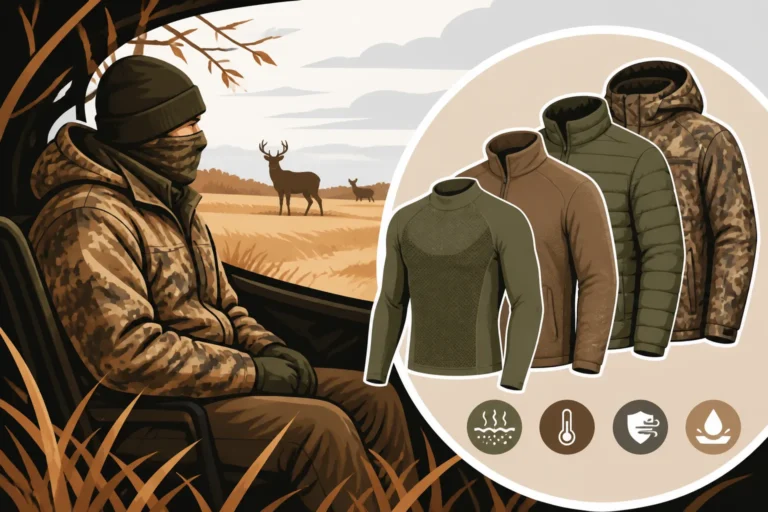
Integrating blaze orange into your hunting wardrobe, especially when layering for Nebraska's notoriously unpredictable weather, requires some strategic thinking. Your blaze orange vest should always be your outermost layer, or at the very least, placed directly over any camouflage outer shell. It does absolutely no good hidden underneath a jacket, as its purpose is to be seen. For blaze orange caps, the application is straightforward: wear it clearly on your head, ensuring it’s visible from all directions. Think about how to effectively incorporate it into your overall setup, whether you're climbing into a treestand, as described in Choosing a Treestand Site on Nebraska Farmland, or setting up a ground blind.
Hunters sometimes make the mistake of trying to "disguise" their orange, fearing it will deter game. This, however, completely defeats the core purpose of blaze orange. The entire point of wearing blaze orange is to be seen by other people, not to blend into the environment like camouflage. If your primary concern is about deer spotting movement or an unnatural shape, focus on remaining perfectly still, utilizing natural cover effectively to break up your human outline, and minimizing sudden motions. Never compromise your safety by attempting to hide or obscure your blaze orange.
Consider the specific type of hunt you're undertaking. If you're sitting patiently in a ground blind for deer, your blaze orange might be inside the blind while you're actively hunting, as the blind itself provides concealment. However, it is absolutely mandatory to wear your orange when you are entering or exiting the blind, particularly during legal shooting hours when other firearm hunters might be present in the area. Always keep the context in mind: whenever firearm deer hunters are active in the woods, your paramount concern must be to be clearly and unmistakably visible to other humans.
Care and Maintenance: Keeping Your Orange Bright
Blaze orange isn't a "set it and forget it" piece of gear that maintains its effectiveness indefinitely. Over time, constant exposure to sunlight, harsh weather, dirt, and repeated washing cycles can cause the vibrant, eye-catching orange color to fade significantly. A dull, dingy, or noticeably lighter orange vest or cap might no longer meet the spirit, or even the strict letter, of the 400 square inch visibility rule, potentially compromising your safety.
It's crucial to make inspecting your blaze orange gear a regular part of your pre-season preparations. Before each hunting season, lay out your cap and vest and give them a thorough check. If the color appears dull, faded, or lighter than when you originally purchased it, it's a clear sign that it might be time for a replacement. When washing your blaze orange items, always follow the manufacturer's instructions carefully, typically using a gentle, scent-free detergent. Avoid using harsh chemicals or bleaching agents, and try to minimize prolonged drying in direct sunlight, as UV rays are a primary culprit in accelerating color fading.
Proper storage also plays a role in extending the life and vibrancy of your blaze orange. Store your blaze orange items separately from other gear to prevent accidental staining or unnecessary wear and tear. Keeping it clean, dry, and away from direct sunlight when not in use ensures that it remains highly visible and ready to perform its essential role in keeping you and others safe in the field. After all, the effectiveness of blaze orange is directly tied to its brightness and how easily it can be spotted from a distance.
| Hunting Scenario | Blaze Orange Required? | Minimum Coverage | Key Considerations |
|---|---|---|---|
| Nebraska Firearm Deer Season | Yes | 400 sq. inches (head, chest, back) | Applies to all individuals present, including non-hunting companions, during specified firearm deer dates. |
| Archery Deer Season (No Firearm Overlap) | No | None | Hunters typically wear camouflage for stealth. |
| Archery Deer Season (During Firearm Overlap) | Yes | 400 sq. inches (head, chest, back) | Essential for bowhunters when firearm deer hunters are also active. Consult official dates. |
| Muzzleloader Deer Season | Yes | 400 sq. inches (head, chest, back) | Similar requirements to the general firearm season. |
| Upland Bird (Pheasant, Quail, Grouse) | Not Legally Required | None | Highly Recommended, especially for group hunts; enhances safety and visibility among partners. |
| Predator Hunting (Coyote, Fox) | No (unless deer season open) | None (unless deer season open) | Wear if any firearm deer season is open in the area you are hunting. |
| Waterfowl Hunting (Stationary Blind) | No | None | Required when moving to/from blinds, especially if crossing public land during active firearm seasons. |
| Youth Deer Hunts (Firearm) | Yes | 400 sq. inches (head, chest, back) | Applies to youth hunters and their mentors. |
| Nebraska Hunter Education Age Requirement | Yes (during certain classes) | Varies, check program | Often required for field exercises in Hunter Ed courses. |
Disclaimer
This article is for general informational purposes only and does not constitute professional advice. Laws, prices and regulations vary by location and change over time. Consult a qualified professional for guidance on your specific situation.