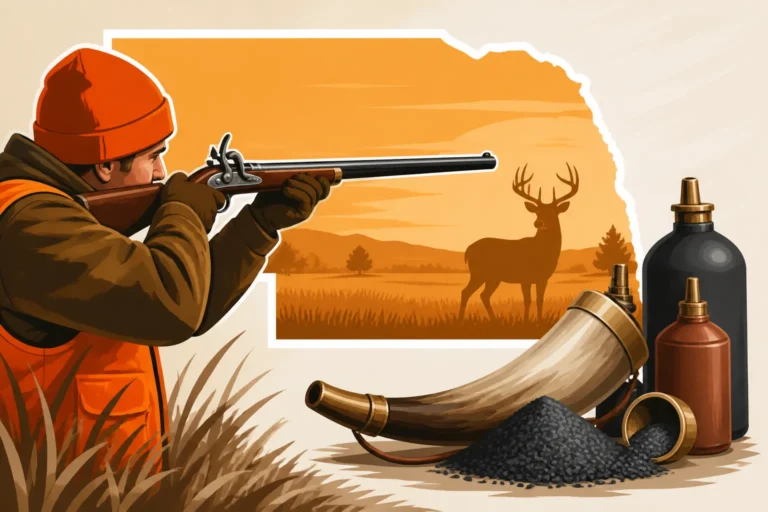
Stepping Up Shot Size in December
As December rolls around in Nebraska, the vibrant colors of autumn have faded, and with them, often goes the easy flushing of early-season pheasants. If you've spent frustrating hours chasing tough roosters that seem to shrug off a load of shot, you know exactly what I'm talking about. This time of year, birds are bigger, tougher, and often flying at longer ranges. This guide will walk you through the essential reasons why stepping up your shot size for late-season pheasant hunting in Nebraska isn't just a good idea, it's often the difference between a clean kill and a missed opportunity.
Why Late-Season Pheasants Demand More Punch
The pheasant you encounter in December is a very different animal than the one that burst from the milo stubble on opening day. Over months of hunting pressure and increasingly harsh weather, these birds have become incredibly resilient. Understanding these changes is the first step in adapting your approach, especially when it comes to your ammunition choice.
Thicker Feathers and Body Mass
By the time late fall and early winter arrive, pheasants have packed on extra weight and grown a thicker, denser plumage. This isn't just about looking good; it's a vital survival mechanism against the biting Nebraska winds and plummeting temperatures. That extra layer of feathers acts like a natural armor, making it harder for smaller shot pellets to penetrate to the bird's vital organs. What might have been a perfectly lethal shot on an early-season bird could now result in a wounded bird that flies off, or worse, a clean miss because the pellets lost too much energy pushing through dense feathers.
Think about it like trying to punch through a thick winter coat versus a light jacket. The coat requires more force to get through. Similarly, smaller shot pellets, while numerous, simply don't carry the individual energy needed to consistently overcome this natural defense. The birds are also generally heavier, meaning they can absorb more impact and keep flying if the penetration isn't sufficient. This is why many veteran hunters find themselves reaching for different loads as the season progresses. It's about respecting the game and ensuring a quick, ethical harvest.
Longer Flushing Distances and Warier Birds
Early in the season, young birds might hold tight, practically flushing at your feet. That changes dramatically by December. These are the survivors, the smart ones who've learned to avoid hunters. They've been pushed, chased by dogs, and shot at, and they've developed a keen sense of danger. You'll often find them holding until the very last second, then busting out at much greater distances than you'd expect, perhaps 30, 40, or even 50 yards out.
When a pheasant flushes at these extended ranges, several factors come into play that demand a heavier shot. First, shotgun patterns open up significantly at longer distances, meaning fewer pellets are hitting the target. Second, and crucially, each pellet loses kinetic energy rapidly as it travels through the air. A small pellet that might have had enough energy for a clean kill at 25 yards will have considerably less energy at 45 yards. This reduced energy, combined with the bird's thicker plumage, means you need pellets that can maintain their knockdown power further downrange. This is where stepping up your shot size becomes non-negotiable for anyone still Hunting Cattail Sloughs Late in the Season or walking expansive fields. The birds are simply too wise to let you get as close as you did in October.
The Science of Shot Size for Pheasants
Choosing the right ammunition isn't just guesswork; there's a practical science behind it. Understanding how different shot sizes behave, especially when considering the increased challenges of late-season hunting, can make a huge difference in your success and ethical execution.
Pellet Count vs. Pellet Energy
This is the classic trade-off in shotgun ballistics. Smaller shot sizes, like 7.5 or 6, contain a much higher number of pellets per shell. This creates a denser pattern, increasing the probability of hitting the bird. Great for early-season birds that flush close. However, each individual pellet is lighter and carries less energy. As discussed, this energy drops off quickly over distance and struggles against heavy feathers.
Larger shot sizes, such as 5 or even 4, have fewer pellets per shell. This means a slightly less dense pattern. However, each individual pellet is significantly heavier and retains much more kinetic energy downrange. This increased energy is what allows the pellet to penetrate those thick feathers and reach the vital organs for a clean, humane kill, even when the bird is at a more extended distance.
| Shot Size (Lead Equivalent) | Common Use Case | Pellets per Ounce (approx.) | Penetration Power | Pattern Density |
|---|---|---|---|---|
| 7.5 | Doves, early Quail | 350 | Low | Very High |
| 6 | Early Pheasant, Quail | 225 | Medium | High |
| 5 | Late Pheasant, Grouse | 170 | High | Medium |
| 4 | Late Pheasant, Large Birds | 135 | Very High | Medium-Low |
Note: Pellet counts are approximate and vary by manufacturer and specific shot material.
The goal for late-season pheasants is to find the sweet spot: enough pellets to ensure a hit within your effective range, but individual pellets that carry enough energy to be lethal upon impact. For example, when Walking Milo Stubble for Roosters, you might find birds holding a little tighter, but still flushing further than in October. The choice of shot here becomes critical.
Lead vs. Nontoxic Shot Considerations
In Nebraska, lead shot is generally legal for upland game hunting on private land. However, if you plan to hunt on many public access areas, including Wildlife Management Areas (WMAs) and Federal Waterfowl Production Areas, you'll need to use nontoxic shot. It's crucial to always check the specific regulations for the area you're hunting. You can find more details on this in Nontoxic Shot Rules on Nebraska WMAs.
Nontoxic shot, such as steel, bismuth, or tungsten alloys, behaves differently than lead. Steel, being lighter than lead, needs to be one or two sizes larger to achieve similar energy retention and penetration. So, if you'd typically use lead #5 for late-season pheasants, you might consider steel #3 or #2 to get comparable performance. Bismuth and tungsten alloys are denser than steel and closer to lead in weight, so you can often stick to the same shot size. However, they tend to be more expensive.
When making the switch, it's not just about compliance, but about understanding how your chosen nontoxic load performs. Steel shot tends to maintain a tighter pattern, which can be an advantage at longer ranges, but requires careful consideration of choke selection. Always pattern your shotgun with your chosen late-season loads, both lead and nontoxic, to see how they perform at various distances. This is a step many hunters skip, but it's vital for knowing your effective range.
Choosing Your Late-Season Load and Choke
So, you've decided to step up your game for those cunning December roosters. Now comes the practical decision: what load and choke combination will give you the best chance of success? This isn't a one-size-fits-all answer, as it depends on your shotgun, your hunting style, and the specific conditions.
Recommended Shot Sizes and Materials
For late-season Nebraska pheasants, many experienced hunters will move from a #6 shot (common for early season) to a #5 or even a #4 lead shot. This provides that extra kinetic energy and penetration needed for tougher birds flushing at longer distances. If you're using nontoxic shot, remember the conversion:
- Lead #6 equivalent: Steel #4 or #3.
- Lead #5 equivalent: Steel #3 or #2.
- Lead #4 equivalent: Steel #2 or even BB (though BB is getting quite large for pheasants, it can be effective on very distant birds).
Bismuth or other denser nontoxic options often allow you to stick closer to the lead shot sizing, for example, #5 bismuth for #5 lead performance. Ultimately, the goal is to get 2-3 pellets into the vital zone (head/neck, or body cavity) with enough energy to create a clean kill. With late-season birds, those smaller, more numerous #7.5 or #6 pellets simply don't have the individual punch. You can see how this differs from Shot Size for Early-Season Pheasants, where closer flushes made smaller shot effective.
Consider carrying a mix if you're hunting varied cover. If you expect birds to hold tighter in dense cattails or heavy shelterbelts, a #6 might still be sufficient. But if you're walking vast open fields or hunting public land where birds are warier, having #5 or #4 lead, or their steel equivalents, loaded in your gun can save a lot of heartache. Mapping tools like GoHunt can be incredibly helpful for visualizing these different cover types before you even step out of the truck, allowing you to anticipate conditions and adjust your load choice accordingly.
Choke Selection for Optimal Patterns
Just as important as shot size is your choke selection. A choke constricts the muzzle of your shotgun barrel, influencing how tightly your shot pattern holds. For late-season pheasants, you'll generally want a tighter choke than you might use early in the year to ensure a denser pattern at longer ranges.
- Modified: This is often a great all-around choice for pheasant hunting and serves well for late-season birds if you're confident in your shooting and the birds aren't flushing excessively far. It offers a good balance of pattern density and spread.
- Improved Modified or Light Full: These chokes offer a tighter pattern than Modified, providing more pellets on target at extended ranges. This can be particularly useful when Late-Season Roosters and Longer Flushes are the norm.
- Full: A Full choke provides the tightest pattern, putting the maximum number of pellets into a small area. This is excellent for very long shots, but it also means a smaller margin for error if your lead is off. It might be overkill if you're hunting dense cover where shots are still relatively close, but for open country where birds bust at 40-50 yards, it can be a lifesaver.
Many hunters use a combination: Modified in the first barrel (if using an over-under or side-by-side) for closer shots, and a tighter choke like Improved Modified or Full in the second barrel for follow-up shots on birds that get away. For pump or semi-automatic shotguns, choosing a single choke like Modified or Improved Modified provides versatility. Remember, always pattern your shotgun with your chosen ammunition and choke to see how they perform together. There's no substitute for knowing your gun's capabilities. If you're walking with a dog, knowing the optimal choke for your dog's working range is also important; for more on that, consider Walking Nebraska Pheasant Cover With a Dog.
Practical Late-Season Hunting Strategies
Stepping up your shot size is a crucial gear adjustment, but it's only one piece of the puzzle. Successful late-season pheasant hunting in Nebraska also requires adapting your hunting strategies to the conditions and the more experienced birds.
Adapting to Winter Cover and Bird Behavior
As temperatures drop and snow often blankets the landscape, pheasants shift their patterns. They're no longer just looking for food; they're desperately seeking thermal cover to escape the wind and cold. This means focusing your efforts on dense, often overlooked areas. Think thick cattail sloughs, heavy cedar draws, dense plum thickets, and deep grassy waterways that offer protection from the elements. These are the places where wise old roosters will hole up, sometimes refusing to fly until you're right on top of them.
When hunting these dense areas, move slowly and methodically. These birds will often run ahead of you, so it pays to have blockers at the end of cover strips if possible. If you're hunting alone, try to push into the wind when practical, as birds often flush into the wind, giving you a slightly slower target. Using mapping software, like those offered by GoHunt, can help identify these prime thermal cover spots on public land before you even leave home. This foresight helps you plan your attack and make the most of your limited time in the field. Remember, these birds are looking for security, and that security often comes in the form of the nastiest, thickest cover available.
Ethical Shooting Distances and Follow-Up
With larger shot sizes and tighter chokes, you extend your effective range, but it's vital to stay within ethical shooting distances. Just because your gun can send shot out to 50 yards doesn't mean every bird at that distance is a guaranteed clean kill. A wounded bird is a tragedy, and it's our responsibility as hunters to ensure humane kills.
Know your limits: Pattern your shotgun to truly understand its effective range. At what distance does your pattern start to thin out too much, or individual pellet energy drop below lethal levels? For most hunters and setups, a clean kill on a pheasant beyond 45-50 yards is challenging, even with magnum loads and tight chokes. Be disciplined enough to pass on shots that are too far. It’s better to let a bird fly away than to risk wounding it.
Follow-up shots: Late-season pheasants can be incredibly tough, and sometimes even a well-placed first shot isn't enough to drop them immediately. Always be ready for a follow-up shot. This is especially true when using a pump or semi-auto, where you can quickly cycle another round. With larger shot, you'll have fewer pellets in the air, making your aim even more critical. If you hunt with a dog, ensure they are trained for solid retrieves to track down any runners. Even with a perfect hit, a thick-feathered rooster can sometimes make it a short distance before succumbing, so diligent searching is always a good idea. This commitment to retrieving is part of responsible hunting, especially on public lands where other hunters may be present.
Conclusion
December pheasant hunting in Nebraska presents unique challenges, but it also offers some of the most rewarding experiences. The birds are smarter, tougher, and demand a more thoughtful approach from hunters. By stepping up your shot size, adjusting your choke, and adapting your hunting strategies to the colder weather and warier birds, you significantly increase your chances of a successful and ethical hunt. Remember to always prioritize clean kills, know your effective range, and respect the incredible resilience of these magnificent game birds. Embrace the late-season grind, and you might just find that December rooster is the most prized trophy of all.
Disclaimer
This article is for general informational purposes only and does not constitute professional advice. Laws, prices and regulations vary by location and change over time. Consult a qualified professional for guidance on your specific situation.