12 Gauge Versus 20 for Roosters
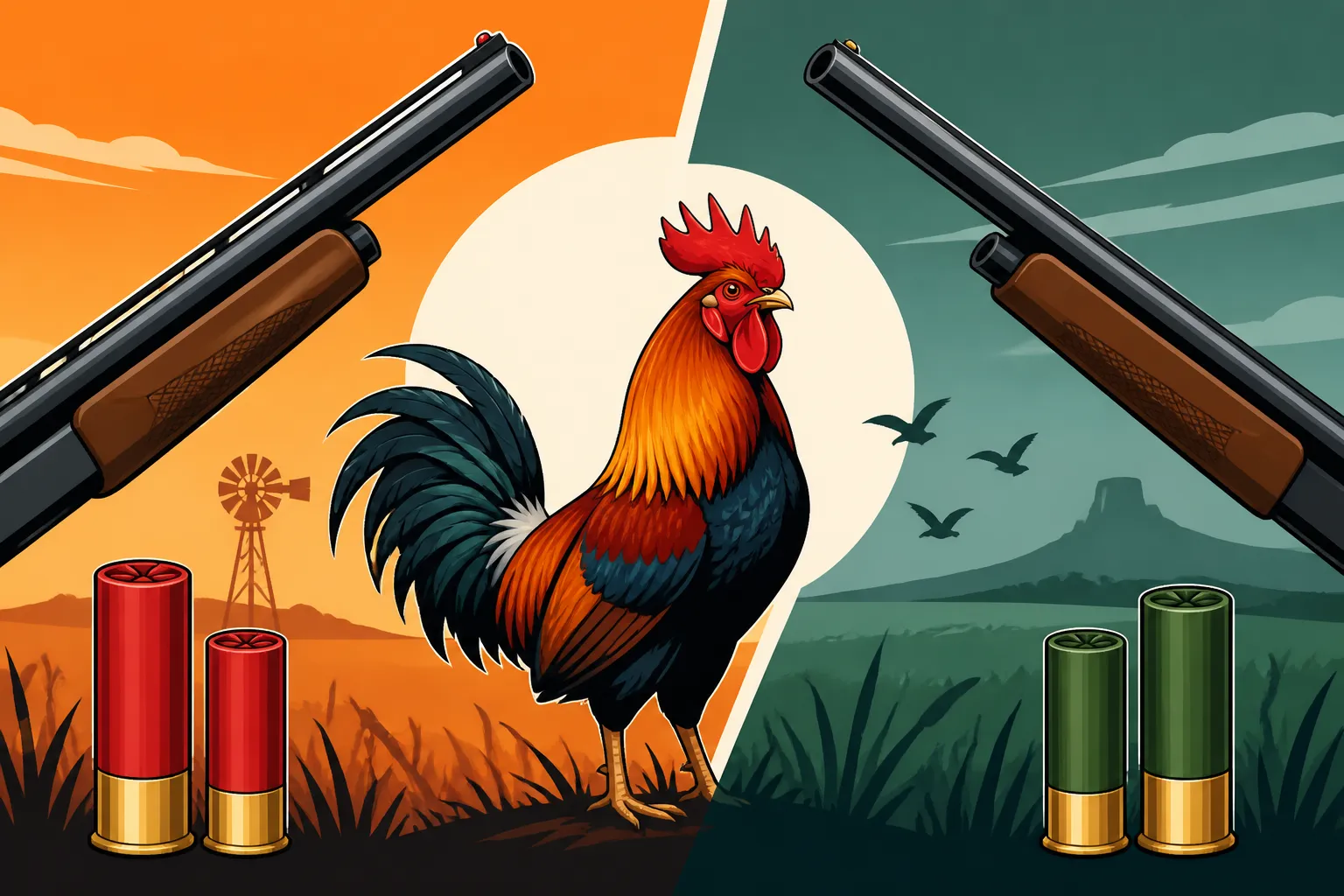
For anyone who's ever stood in a sporting goods aisle, or even just cleaned out their gun safe before pheasant season, the question of "12 gauge or 20 gauge?" for Nebraska roosters is a familiar one. It's a debate as old as shotguns themselves, and it can feel like you're caught between tradition and practicality. This guide aims to cut through the noise, helping you understand the real differences and make an informed choice that suits your hunting style on the wide-open plains and dense cover of Nebraska.
The Enduring Debate: 12 Gauge vs. 20 Gauge for Pheasants
It’s easy to get caught up in brand names and ballistic charts, but at its heart, the 12 gauge versus 20 gauge discussion for pheasants comes down to a few fundamental differences that directly impact your experience afield. For decades, the 12 gauge has been the go-to for upland birds, often seen as the workhorse, while the 20 gauge has steadily gained ground, shedding its "youth gun" stereotype to prove itself as a formidable pheasant stopper. Understanding these core distinctions is crucial before you even think about stepping into the milo or cattails.
Understanding the Core Differences
At the most basic level, the difference between a 12 gauge and a 20 gauge lies in their bore diameter and, consequently, the size of the shotshells they can chamber. A 12 gauge has a larger bore than a 20 gauge, meaning it can typically hold a greater volume of shot. This larger payload translates to more pellets in the air, which theoretically increases the chances of hitting a fast-flushing rooster, especially at longer distances or when that Nebraska wind is really whipping. The shells themselves are also physically larger, which can impact how many rounds you can comfortably carry in your vest or shell belt during a long walk.
Beyond bore size, the internal ballistics and resulting felt recoil are significant. With a larger powder charge and shot payload, a 12 gauge generally produces more recoil. While experienced shooters might hardly notice it in the heat of the moment, across a full day of hunting, especially if you're doing a lot of shooting, that cumulative recoil can certainly add up. Conversely, the 20 gauge, with its lighter payload and often lighter gun, tends to have significantly less felt recoil. This makes a real difference for comfort, particularly during long stretches in the field, and can be a huge benefit for maintaining accuracy on follow-up shots when a whole covey bursts out.
Why the 12 Gauge Has Been King
For generations, the 12 gauge earned its reputation as the king of the pheasant field for very good reasons. Its ability to throw a dense pattern of heavy shot was, and still is, seen as a distinct advantage when those big, tough roosters flush wild. When you've got a bird rocketing out of heavy cover at 40 yards, you want all the shot you can get downrange. The sheer payload of a 12 gauge, particularly with 3-inch magnum loads, gives hunters confidence that they have enough firepower to bring down even the toughest birds cleanly, minimizing cripples.
Furthermore, the ubiquity of 12 gauge ammunition has always made it a practical choice. You can walk into almost any store selling hunting supplies across Nebraska, from a small town bait shop to a big box retailer, and find a variety of 12 gauge loads suitable for pheasants. This widespread availability means you're rarely left scrambling for shells, and you have plenty of options for different shot sizes and velocities to match conditions, whether you're hunting in September's mild weather or braving a blustery December day. The familiarity and consistent performance of the 12 gauge made it a trusted companion for many hunters, solidifying its place in the pheasant hunting tradition. Shot size for early-season pheasants will differ from late-season choices, and the 12 gauge offers ample options for both.
Making a Case for the Nimble 20 Gauge
While the 12 gauge might hold a storied place in many hunters' hearts, the 20 gauge has stepped up significantly in recent years, making a compelling case for itself as a primary pheasant gun. It's no longer just the "kid's gun" or a choice for those sensitive to recoil. Modern ammunition technology and a better understanding of what actually brings down a pheasant have elevated the 20 gauge to a true contender.
Lighter Carry, Less Kick
One of the most immediate and appreciated advantages of a 20 gauge shotgun for pheasant hunting is its lighter weight and reduced recoil. Picture yourself walking mile after mile across vast corn stubble fields or navigating dense cattail sloughs in the Nebraska countryside. Every ounce of weight saved on your shotgun starts to feel like pounds as the day wears on. A lighter 20 gauge gun means less fatigue, allowing you to stay in the field longer and keep your focus sharp, which is critical when a rooster explodes from beneath your feet. This can be especially important for youth hunters, providing an enjoyable and less punishing introduction to the sport. Youth Deer Permits and Mentored Hunts often highlight the importance of appropriate gear for new participants.
Beyond carry weight, the significantly reduced felt recoil of a 20 gauge is a game-changer for many. Less recoil translates to a more comfortable shooting experience, which can boost confidence, especially for new or recoil-sensitive shooters. It also allows for quicker target reacquisition and more accurate follow-up shots if needed, which is invaluable when a whole covey flushes at once or a bird suddenly changes direction. When you’re not anticipating a heavy thump against your shoulder, you can concentrate more on your swing and lead, leading to more consistent hits and a more enjoyable hunt overall.
Modern Ammunition Performance
The notion that a 20 gauge lacks the stopping power for pheasants is largely outdated thanks to incredible advancements in ammunition technology. Today's 20 gauge shells, especially those utilizing modern powders and wads, can deliver impressive velocities and tight, effective patterns comparable to many 12 gauge loads. High-density shot materials and improved wad designs mean that a smaller payload can still deliver lethal energy downrange. You can now find 20 gauge loads packing the same, or even more, velocity than standard 12 gauge loads, effectively closing the gap in kinetic energy.
This means you don't necessarily have to sacrifice effectiveness for comfort and maneuverability. Many hunters find that with the right modern 20 gauge ammunition, they can achieve clean kills on pheasants at typical hunting ranges. This technological leap has allowed the 20 gauge to shed its previous limitations, making it a highly effective tool in the hands of a skilled hunter. For those looking to optimize their gear without feeling under-gunned, the modern 20 gauge presents a very compelling argument, allowing you to walk longer and shoot more confidently.
Factors to Consider for Your Nebraska Pheasant Hunt
Choosing between a 12 gauge and a 20 gauge isn't just about ballistic charts; it's about matching your gear to your personal hunting style, physical capabilities, and the specific conditions you'll face in the field. Nebraska offers incredibly diverse pheasant habitat, from dense river bottoms to wide-open CRP fields, and what works best in one scenario might not be ideal in another. Thinking through these practical considerations will help you make the best choice for your next hunt.
Hunting Style and Terrain
Your preferred method of pheasant hunting plays a huge role in this decision. Are you the type to walk for miles across vast stretches of corn stubble or milo fields, covering ground in search of those wily roosters? Or do you primarily hunt smaller patches of cover, perhaps acting as a blocker on a drive with friends, or meticulously Working a Cattail Slough in January? If you’re putting in significant mileage on foot, especially without a dog, the lighter weight of a 20 gauge can be a major advantage. Every pound saved feels like gold after a few hours of slogging through heavy cover. The quicker swing of a lighter gun can also be beneficial in thick, brushy areas where birds flush close and fast.
However, if you're often finding yourself in situations where birds are flushing at longer ranges, perhaps due to open terrain or late-season pressure, the larger payload and denser patterns of a 12 gauge might offer a slight edge. For instance, when birds flush wild from a large section of public land or an expansive Hunting Open Fields and Waters Tracts for Pheasants, having that extra reach can make the difference between a clean kill and a missed opportunity. Consider the actual conditions and typical flush distances you encounter most often in your favorite Nebraska hunting spots.
Hunter Experience and Physicality
The hunter themselves is a critical variable. For new hunters, especially youth, or anyone who is particularly recoil-sensitive, the 20 gauge is often the superior choice. Less recoil means a more comfortable shooting experience, which can prevent flinching and instill confidence. A hunter who isn't dreading the kick is more likely to focus on proper shooting fundamentals, leading to better accuracy and a more positive introduction to the sport. This can be paramount to developing a lifelong passion for upland hunting.
On the other hand, a seasoned veteran who is accustomed to the recoil of a 12 gauge and can handle the extra weight without fatigue might prefer its perceived power and versatility. Physical stature can also play a role; a larger, stronger hunter might not find the 12 gauge cumbersome, while a smaller-framed individual might genuinely struggle with its weight and recoil over a full day. Consider your own tolerance for recoil, your physical stamina, and whether you're introducing someone new to the sport when making this decision.
Ammunition Availability and Cost
While modern advancements have expanded 20 gauge ammunition significantly, the sheer volume and variety of 12 gauge shells typically outpace it. This is less of an issue for common hunting loads, but if you're looking for very specific shot sizes, velocities, or specialized loads, you might find more options in 12 gauge. However, for standard pheasant loads, both gauges offer plenty of choices. When you're planning your trip, perhaps using a resource like GoHunt to scout areas, it’s always wise to check local ammunition availability.
Regarding cost, generally speaking, 20 gauge ammunition can sometimes be slightly more expensive per box than comparable 12 gauge loads, though this isn't always a hard and fast rule and can fluctuate with market conditions. For most hunters, this marginal price difference isn't a deal-breaker, especially given that you might only shoot a few boxes in a season. The more significant cost consideration often comes down to the shotgun itself, not the ongoing cost of ammunition. It's always a good idea to factor in your estimated ammunition consumption when weighing the total investment.
Late Season vs. Early Season Roosters
The time of year you hunt pheasants in Nebraska can also influence your shotgun choice. During the Pheasant Season Opening Date in the early season, birds often hold tighter in cover, leading to closer, more explosive flushes. In these situations, the faster swing and lighter feel of a 20 gauge can be highly effective for quick snap shots. The cover is also typically denser, meaning birds are less likely to offer those long-range opportunities, making the large payload of a 12 gauge less critical.
As the season progresses, especially into December and January, roosters become far warier. They flush much wilder, often at greater distances, and can be notoriously tough to bring down. Late-Season Roosters and Longer Flushes are a common frustration. This is where many hunters feel the 12 gauge, with its heavier shot charge and ability to send a more dense pattern farther out, holds a distinct advantage. The weather is also colder, and hunters are wearing heavier clothes, which can make a lighter gun feel even more nimble. However, modern 20 gauge magnum loads can still be very effective in the late season, especially if combined with a tighter choke. It really comes down to individual preference and confidence in your equipment and shooting ability.
Here's a quick comparison of the two gauges for pheasant hunting:
| Feature | 12 Gauge | 20 Gauge |
|---|---|---|
| Shot Payload | Generally larger (more pellets) | Generally smaller (fewer pellets) |
| Felt Recoil | Higher, can lead to fatigue over long hunts | Lower, more comfortable, better for follow-ups |
| Gun Weight | Often heavier, can be tiring on long walks | Often lighter, easier to carry and swing |
| Pattern Density | Typically denser, especially at range | Good with modern ammo, may require tighter choke at range |
| Ammunition Cost | Generally slightly less expensive | Can be slightly more expensive |
| Ammunition Variety | Widest selection of loads and shot types | Excellent selection, rapidly growing |
| Ideal For | Long-range shots, late-season birds, blocking, heavy wind | Long walks, close flushes, youth/recoil-sensitive hunters, quick swings |
The Final Verdict: Which is Right for You?
Ultimately, the "best" gauge for pheasant hunting in Nebraska isn't a one-size-fits-all answer. It truly depends on your individual preferences, hunting style, and what you prioritize in the field. Both the 12 gauge and the 20 gauge are perfectly capable of bringing down roosters, but they offer different experiences and advantages. The key is to understand those differences and choose the tool that makes you a more confident and effective hunter.
When the 12 Gauge Shines
The 12 gauge truly shines when you're looking for maximum shot payload and perceived reach. If you often find yourself in wide-open country where birds flush at the far end of their comfort zone, or if you're pushing heavy cover where roosters are known to be tough and get up quickly, the 12 gauge provides that extra margin of error. It's a reliable choice for late-season hunts when birds are educated and may flush 40+ yards out, requiring a dense pattern to ensure a clean kill. When you're standing on the end of a big block of cover in a Nebraska cornfield, waiting for driven birds, that 12 gauge with a full choke gives you confidence. You might also appreciate it on extremely windy days when maintaining a tight pattern against the elements is crucial. For these demanding scenarios, many hunters still feel the 12 gauge gives them the definitive edge.
When the 20 Gauge is Your Best Friend
The 20 gauge becomes your best friend when comfort, maneuverability, and reduced fatigue are high on your list. If your typical hunt involves long walks through milo stubble or searching tight pockets of cover, the lighter weight of a 20 gauge will be a blessing. It allows for quicker, more natural swings, which can be invaluable when a rooster bursts from beneath your feet. For new hunters, youth, or anyone who simply doesn't enjoy heavy recoil, the 20 gauge offers a much more pleasant shooting experience, promoting better technique and more enjoyment. With modern ammunition, its effectiveness is undeniable at typical pheasant ranges, making it an excellent choice for a wide variety of Nebraska pheasant hunting scenarios. If you're someone who spends a lot of time walking, maybe even without a dog, a 20 gauge will keep you fresh longer. Consider your choke choice for Walking Milo and Corn Stubble for Pheasants.
The "GoHunt" Factor and Your Choice
As you plan your Nebraska pheasant adventures, perhaps using a powerful scouting and planning tool like GoHunt to analyze habitat and access points, consider how your shotgun choice integrates with your overall strategy. GoHunt can help you identify areas with specific types of cover – whether it's vast tracts of CRP, thick shelterbelts, or smaller patches of brush – and knowing these details can help inform your decision. For example, if you pinpoint mostly open areas that might lead to longer shots, a 12 gauge might seem more appealing. Conversely, if you're targeting smaller, tighter cover often found on properties enrolled in Nebraska's Open Fields and Waters Program, where birds are likely to flush closer, the nimble 20 gauge could be the perfect fit.
The best shotgun for you is the one you shoot most proficiently and comfortably. If you're still on the fence, head to the range and shoot both gauges with pheasant-appropriate loads. Experience the recoil, the swing, and how comfortable each feels in your hands. Your personal confidence and shooting ability will always be the most important factors, regardless of gauge. Remember to consider Upland Vests and Blaze Orange requirements for safety and comfort, no matter which gauge you choose.
Disclaimer
This article is for general informational purposes only and does not constitute professional advice. Laws, prices and regulations vary by location and change over time. Consult a qualified professional for guidance on your specific situation.