Coolers and Game Bags for a Nebraska Opener
One of the most anxiety-inducing aspects of hunting during Nebraska's early seasons, especially in late August or September when temperatures can still soar, is the relentless heat and the crucial need to preserve your hard-earned game meat. You've put in all the scouting, the time on the stand, the perfect shot, and the last thing you want is for all that effort to literally spoil because you weren't prepared for the realities of warm weather. This guide is all about equipping you with the knowledge and the right gear – specifically coolers and game bags – to ensure your venison, antelope, or early-season birds make it from the field to your freezer in prime condition, regardless of what Mother Nature throws at you.
The Unforgiving Challenge of Warm Weather Hunts in Nebraska
Let's be real, the opening days of Nebraska's hunting seasons, particularly for archery deer or even early antelope, can feel more like summer camp than hunting season. You’re dreaming of crisp fall mornings, but often, you're greeted with 80 or even 90-degree days, sometimes even hotter. This isn't just uncomfortable; it's a genuine threat to the quality of your game meat. The clock starts ticking the moment an animal is down, and warm ambient temperatures dramatically accelerate bacterial growth, which is the enemy of good table fare.
Why Heat is the Hunter's Enemy
Heat is the primary driver of meat spoilage. When an animal is harvested, its body temperature is still elevated, and without rapid cooling, that internal heat provides a perfect breeding ground for bacteria. These bacteria multiply quickly, leading to off-flavors, discoloration, and ultimately, spoiled meat. The frustration of tagging out on a beautiful Sandhills mule deer or a heavy-antlered whitetail only to worry constantly about meat care is a burden no hunter wants. It can turn what should be a triumphant moment into a race against time and temperature. This is especially true when you're hunting in remote areas where immediate access to processing facilities or even a cold chain isn't an option.
We've all heard the horror stories, or perhaps experienced them ourselves: the slightly sour smell, the greenish tinge, the tough texture that tells you the meat got too warm for too long. It's heartbreaking to put so much effort into a hunt, only for the final, most important step – preserving the harvest – to go awry. This is where proper planning with coolers and game bags truly shines. They aren't just accessories; they are essential tools for ensuring that your success in the field translates to delicious, high-quality meals at home.
Early Season Species and Specific Concerns
Nebraska offers a variety of early-season opportunities, each with its own set of challenges regarding warm weather meat care. Archery deer season, for instance, kicks off in September, a month that routinely sees high temperatures across the state. Whether you're chasing whitetails in the river bottoms of eastern Nebraska or trying your luck with Bowhunting Nebraska's Four-Month Archery Season, heat is a constant factor. Similarly, archery antelope season opens in August, often during the hottest part of the year in the western part of the state.
Even early upland bird seasons, while dealing with smaller animals, still require attention to cooling, especially if you're carrying a full limit for several hours. The general rule of thumb is that for every 10 degrees Fahrenheit increase in ambient temperature, the rate of bacterial growth roughly doubles. This means a deer harvested at 80 degrees needs vastly different, and much more urgent, attention than one taken at 30 degrees. Recognizing this threat upfront is the first step to mitigating it and ensuring you bring home the best possible meat.
Choosing the Right Cooler for Nebraska Conditions
When it comes to coolers, you might think "a cooler is a cooler," but for serious warm-weather hunting in Nebraska, that couldn't be further from the truth. The difference between a budget cooler and a high-performance one can literally mean the difference between perfectly preserved meat and a disappointing loss. Investing in the right cooler is an investment in your harvest.
Rotomolded vs. Basic Insulated Coolers
The market offers a wide spectrum of coolers, but for warm-weather game preservation, the choice often boils down to rotomolded coolers versus standard, injection-molded models.
-
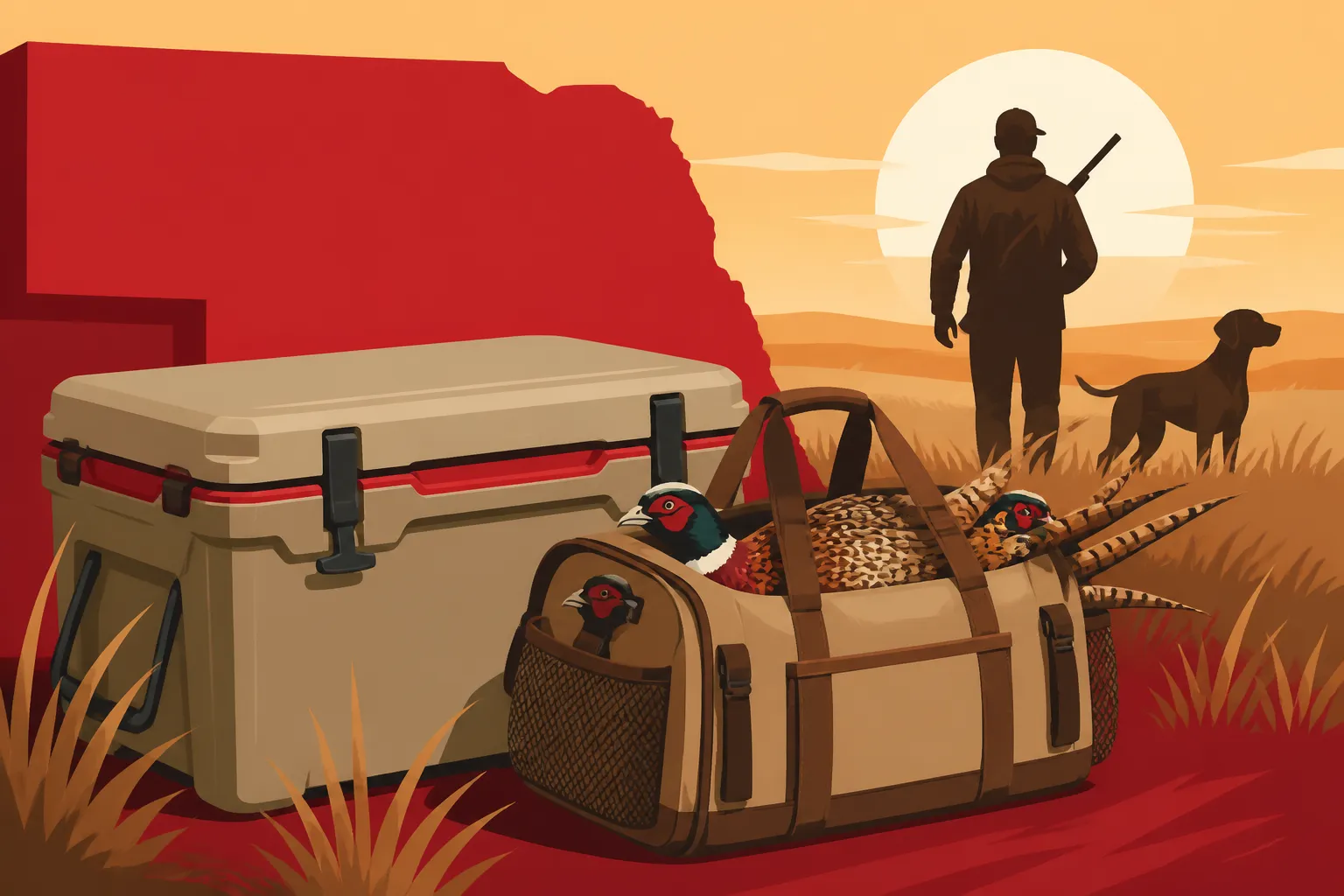
Rotomolded Coolers: These are the heavyweights of the cooler world. Brands like Yeti, RTIC, Orca, and Grizzly have popularized the rotomolding process, where the cooler body and lid are molded as a single, seamless piece of plastic. This construction allows for exceptionally thick, uniform insulation, often polyurethane foam, that provides superior thermal retention. They are incredibly durable, often bear-resistant, and come with heavy-duty latches and gaskets that create an airtight seal, preventing cold air from escaping and warm air from entering. The downside? They are significantly heavier and more expensive than basic coolers, but for keeping ice for days on end in the Nebraska heat, they are unparalleled. If you're out in the Sandhills on an archery antelope hunt, and you know you'll be hours from town or even a decent ice supply, a rotomolded cooler is often the only real solution for protecting your meat.
-
Basic Insulated Coolers: These are your everyday coolers, often found at big box stores for a fraction of the price. They are typically made from injection-molded plastic with a thinner layer of insulation. While perfectly adequate for a picnic or a short fishing trip, they struggle to hold ice for extended periods, especially in hot temperatures. Their lids often lack a tight seal, and the insulation isn't as robust. For smaller game, like pheasants or ducks, handled on shorter trips, they can suffice, but for larger big game animals where temperature control is critical for 24-48 hours or more, they simply don't offer the necessary performance. Trying to save a few bucks on a cooler can easily cost you hundreds in lost meat.
| Feature | Rotomolded Coolers | Basic Insulated Coolers |
|---|---|---|
| Construction | Single, seamless piece (rotomolded) | Multiple pieces, injection-molded |
| Insulation | Thick, uniform polyurethane foam | Thinner, less consistent foam |
| Ice Retention | Excellent (often 5-10+ days) | Fair to Poor (often 1-2 days) |
| Durability | Extremely high, often bear-resistant | Moderate, prone to cracks and wear |
| Seal | Airtight gasket, heavy-duty latches | Basic lid, often no gasket or weak latches |
| Weight (Empty) | Heavier due to construction and insulation | Lighter, easier to maneuver |
| Cost | Higher initial investment | Lower, more budget-friendly |
| Best Use | Multi-day hunts, warm weather, big game | Short trips, smaller game, cooler weather |
Size and Capacity Considerations
The size of your cooler is directly tied to the type and amount of game you expect to harvest. This isn't a "one-size-fits-all" situation. For a deer, especially a larger whitetail buck or a mule deer, you're going to need significant capacity. A general rule of thumb for a single deer is a cooler in the 100-150 quart range, or sometimes even two smaller coolers, especially if you plan to bone out the meat. Remember, you're not just fitting meat; you're fitting plenty of ice. A cooler full of meat with insufficient ice is just a warm, wet incubator.
For antelope, which are smaller than deer, a 75-100 quart cooler might suffice, again, depending on whether you bone it out or quarter it. For upland birds, smaller coolers in the 45-65 quart range are usually plenty, but even then, I always bring extra ice. Always err on the side of larger capacity. It's better to have too much space and ice than not enough. Consider your vehicle's cargo space, too. A huge cooler is great, but if it doesn't fit in your truck or SUV with all your other gear, it's not practical. Think about the logistics of getting the cooler in and out of your vehicle, especially when it's full and heavy.
Features That Make a Difference
Beyond basic insulation and size, certain features can elevate a cooler from good to indispensable for hunting.
- Drain Plugs: A good, large drain plug that's easy to open and close is essential. As ice melts, you need to be able to drain off the water without losing all your cold. Standing water, even if cold, is less effective than fresh ice for cooling and can make your meat soggy if not properly bagged. Look for a drain that's robust and won't easily break off when bumped around.
- Heavy-Duty Latches and Hinges: These are critical for maintaining that airtight seal. Flimsy plastic latches are often the first thing to fail on cheaper coolers, compromising insulation. Rotomolded coolers typically feature T-handle rubber latches or similar designs that provide a powerful, secure closure. Hinges should also be robust, often molded directly into the cooler body or made of heavy-duty stainless steel.
- Gasket Seals: A quality gasket around the lid dramatically improves thermal retention. This is what prevents warm air from seeping in and cold air from escaping. It's a hallmark of higher-end coolers and a key reason they perform so well.
- Tie-Down Slots: If you're hauling your cooler in the back of a pickup or on an ATV across rough Nebraska terrain, tie-down slots are invaluable for securing it. This prevents it from sliding around, potentially damaging the cooler or other gear, or worse, spilling its contents.
- Wheels (Optional but Nice): For larger coolers, wheels can be a lifesaver. A 150-quart cooler full of boned-out deer meat and ice can easily weigh several hundred pounds. Wheels allow one person to move it, saving your back and making transport much easier, especially if you're navigating rough ground from your vehicle to a camp setup. However, they add weight and complexity, so consider your typical hunting setup. If you're always loading into a truck bed, wheels might not be as crucial as if you're pulling it across a campsite.
Understanding Game Bags: More Than Just a Sack
Game bags are often overlooked or underestimated, but they are absolutely critical, especially in warm weather. They serve multiple vital functions that extend far beyond simply carrying meat. They are an integral part of the field-to-freezer process, working in conjunction with your cooler to protect your harvest.
Breathable vs. Non-Breathable Materials
The type of game bag material plays a huge role in meat quality, especially during the initial cooling phase.
-
Breathable Game Bags: These are the gold standard for big game. Made from cotton, synthetic blends, or specialized synthetic mesh, breathable bags allow air to circulate around the meat while keeping out dirt, flies, and other contaminants. This air circulation is crucial for forming a "rind" on the meat's surface, which helps protect it from bacteria and drying out too quickly. For Field Dressing and Cooling Game in Warm Weather, breathable bags are non-negotiable. They allow the meat to cool down naturally, shedding body heat effectively. Think of it like letting your meat "breathe" while keeping it clean. Brands like TAG Bags or Alaska Game Bags are popular for a reason—they understand this science. I've used standard cotton pillowcases in a pinch, but purpose-built game bags are far more robust and effective.
-
Non-Breathable Game Bags (Plastic): These are essentially large plastic bags. While they are useful for protecting meat once it's already thoroughly chilled and ready for short-term transport, they are detrimental for the initial cooling phase. Plastic traps heat and moisture, creating a warm, humid environment that is ideal for bacterial growth. Never put warm, unchilled meat into a non-breathable plastic bag. They are great for putting your already bagged and chilled game bags into before placing them into a cooler with ice to keep meltwater off the meat, but they should never be the primary contact layer for fresh, warm meat.
Materials and Durability
The material of your game bags dictates their durability and reusability.
- Cotton/Muslin: Traditional, affordable, and breathable. Cotton bags are great for allowing air circulation. However, they can absorb blood and moisture, making them prone to staining and a bit harder to clean if you intend to reuse them. They're also not as tear-resistant as synthetic options, which can be an issue if you're dragging quarters or bumping them around in the field. They're a good choice for one-time use if you're on a budget.
- Synthetic Blends (e.g., Polyester, Nylon): These are increasingly popular for good reason. They offer superior strength, tear resistance, and are often treated with antimicrobial properties. They are less absorbent than cotton, making them easier to clean and reuse. Look for lightweight, breathable mesh designs that allow maximum airflow. Many synthetic bags are designed to compress small for packing, which is a huge bonus when space is at a premium in your pack. They're also less likely to fray or stretch, ensuring your meat stays securely contained, even if you're wrestling a quarter out of a tricky spot in the timber or across the prairie.
- Heavy-Duty Synthetic Mesh: Some premium game bags use a very fine, robust mesh that is virtually impenetrable to insects and incredibly strong. These are often the most expensive but offer the best protection and longevity. If you regularly hunt in warm weather or on multi-day backcountry trips, these are worth the investment. They can be cleaned and reused for many seasons, making them a more sustainable and cost-effective choice in the long run.
Size and Quantity for Different Game
Just like coolers, game bags come in various sizes, and you'll need different quantities depending on the species you're hunting.
- Deer: For a deer, you'll typically want at least four large bags (often labeled "quarter bags") to hold each quarter, plus a fifth smaller bag for backstraps, tenderloins, and trim. If you plan to bone out the entire animal in the field, you might use 6-8 medium-sized bags. It's always a good idea to bring an extra bag or two for miscellaneous bits or if one gets damaged. Having specific Game Bags for Early Archery Heat is not just a luxury; it's a necessity.
- Antelope: Being smaller, an antelope can often be broken down into quarters that fit into smaller quarter-sized bags, or even two large "boned-out" bags if you process it that way. Again, bring an extra for organs or trim.
- Upland Birds: For pheasants, quail, or grouse, individual small game bags or a single large bag designed for multiple birds can work. The key is to get them cooled quickly. If you're carrying birds in a game vest, make sure they are exposed to air and not piled up in a hot, insulated pocket. As soon as you're back at the vehicle, get them into a cooler with ice.
- Always bring more than you think you need. A ripped bag can be a real headache in the field, and having a spare means you don't have to compromise your meat care. Pack them compactly in your hunting pack so they are always accessible.
Preparation and Field Care: Making Your Gear Count
Having the right coolers and game bags is only half the battle. Knowing how to prepare them and, more importantly, how to properly care for your game in the field, especially in warm Nebraska weather, is what truly ensures a quality harvest. This is where the rubber meets the road, and small details can make a huge difference.
Pre-Hunt Cooler Preparation
Before you even step foot in the field, your coolers should be prepped and ready. This isn't just about throwing a bag of ice in there on your way to the hunting grounds.
- Pre-Chill Your Cooler: For rotomolded coolers, this is a game-changer. A day or two before your hunt, fill your cooler with sacrificial ice or frozen water bottles. Let it sit, sealed, to bring the internal temperature down. A warm cooler will rapidly melt your fresh ice, significantly reducing its effectiveness. Once chilled, dump the sacrificial ice and load it with fresh, cold ice right before you head out. This initial chilling makes a massive difference in ice retention.
- Choose the Right Ice: Block ice lasts much longer than cubed ice because it has less surface area exposed to warm air. A combination of block ice on the bottom and cubed ice to fill gaps around your meat is often ideal. Frozen gallon jugs of water are also fantastic because as they melt, they provide ice-cold water that won't contaminate your meat, and you can drink it later.
- Sanitize: Always clean your coolers thoroughly after each use, especially if they've held meat. A mild bleach solution or dedicated cooler cleaner will prevent lingering odors and bacterial growth. You don't want to start your hunt with a cooler that's already harboring funk.
Immediate Field Dressing Practices
The moment you recover your animal, immediate and thorough field dressing is paramount, particularly in warm weather. This is where the core solution of proper meat care begins.
- Gut Quickly: The primary goal is to remove the internal organs as swiftly as possible. These organs hold a tremendous amount of body heat and are a hotbed for bacteria. Getting them out immediately allows the carcass to begin cooling from the inside out. Even if you plan on taking the animal to a processor whole, in warm weather, field dressing is a non-negotiable step.
- Clean the Cavity: Once gutted, wipe the cavity clean of any blood, fecal matter, or stomach contents. Use clean cloths, paper towels, or even snow/water if available and clean. Many hunters carry a small spray bottle with water and a little vinegar for this purpose. The goal is a clean, dry cavity.
- Prop Open the Cavity: To maximize airflow and cooling, especially on a larger animal like a deer, prop open the chest cavity with a stick or a piece of rope. This is absolutely critical for shedding heat. Hang the animal if possible, even briefly, to allow air to circulate around all surfaces.
- Remove Hide (if conditions allow): For truly hot conditions, removing the hide in the field can dramatically accelerate cooling. The hide acts like a blanket, trapping heat. If you're able to quarter and bone out the animal in the field, as many savvy Nebraska hunters do, the hide comes off naturally. This leads right into the next step: getting the meat into game bags.
Cooling Strategies in the Field
Once field dressed, the race against time continues. You need to get that meat cooled down rapidly.
- Quarter and Bag: For big game, especially deer or antelope, quartering the animal is the most efficient way to cool it. Separate the four quarters, remove backstraps, tenderloins, and any other desirable meat. Place each piece immediately into a clean, breathable game bag. This not only keeps the meat clean but also facilitates airflow. Getting a Deer Out of a Nebraska Sandhills Basin or a thick river bottom is much easier with quarters in game bags than trying to drag a whole carcass.
- Get to the Cooler: As soon as the meat is in game bags, get it into your pre-chilled cooler with ice. Arrange the bagged meat so that ice can contact as much surface area as possible. Don't just dump meat on top of ice; try to layer ice, meat, ice.
- Keep the Cooler Shut: Resist the urge to constantly open the cooler to check on your meat. Every time you open it, warm air rushes in, and cold air escapes. Only open it when absolutely necessary to add more ice or to rearrange the contents.
- Shade and Airflow: If you have to leave quarters bagged and hanging (e.g., in camp overnight, or if your cooler isn't large enough for everything at once), ensure they are in the deepest shade possible, preferably where there's a breeze. Hang them high enough to deter scavengers. Use a thermometer to monitor ambient air temperature. If it's still above 40 degrees Fahrenheit, you need to be actively working to get that meat on ice.
Transporting Your Harvest Home
You've done all the hard work in the field, now comes the logistics of getting your valuable meat home safely, especially if you have a long drive ahead. This step is just as important as the field care.
Packing Your Cooler for Travel
Proper packing of your cooler for the journey home ensures the meat stays cold and secure.
- Layering is Key: Place a good layer of block ice at the bottom of the cooler. Then, layer your game bags (which should already be in non-breathable plastic bags to protect from meltwater, if desired) on top, ensuring cold contact. Fill all gaps with cubed ice. The goal is to encase the meat in ice. If you have extra freezer packs, throw those in too.
- Keep Water Drained (Initially): For the first 12-24 hours, or until the meat is thoroughly chilled to core temperature, it's often beneficial to drain off meltwater and replenish with fresh ice. This is because melting ice water, while cold, won't continue to draw heat from the meat as efficiently as fresh ice. However, once the meat is thoroughly chilled, a slushy mix of ice and water can actually be very effective at maintaining that cold temperature, as water is an excellent conductor of cold. Just make sure the meat is protected from direct water contact if you don't want it getting waterlogged.
- Secure the Cooler: Use tie-down straps in your truck bed or vehicle to prevent the cooler from sliding around or tipping over. A cooler full of meat and ice is incredibly heavy and can cause serious damage or injury if it shifts unexpectedly during travel. This is particularly important on Nebraska's gravel roads or if you're pulling a trailer.
- Check Ice Requirements for Hauling a Deer: Understanding how much ice you'll truly need for the duration of your trip, accounting for potential delays or unexpected heat, is crucial. It’s better to buy too much ice than to run out halfway home.
Regulations for Interstate Transport
If you're a nonresident hunter or traveling across state lines, you must be aware of specific regulations regarding game transport. Nebraska has rules, and other states do too.
- CWD Concerns: Chronic Wasting Disease (CWD) is a significant concern, and many states have regulations on transporting whole carcasses or certain parts of deer, elk, and moose. Generally, only deboned meat, quarters with no spinal column attached, clean skull plates, hides, and taxidermy-ready capes are allowed to cross state lines from CWD-positive areas. Always check the regulations for Nebraska and any state you will be traveling through. Information on CWD and carcass transport rules out of Nebraska is something you can find on the Game and Parks website, and resources like GoHunt often have summaries for different states.
- Tagging Requirements: Ensure all meat is properly tagged according to Nebraska regulations. Your permit and harvest tag information must remain with the meat until it's processed and stored. If you're only transporting quarters, make sure each game bag has some form of identification linking it back to your permit. Nebraska Deer Tagging and Checking Rules are clear, and you don't want to run into issues with law enforcement because of a simple oversight.
- Vehicle Preparation: If you plan on a long journey, consider setting up your vehicle to handle the cooler. That might mean plastic sheeting to protect carpet in an SUV from leaks, or ensuring your truck bed is clean and clear.
Dealing with Long Drives
Long drives home after a successful hunt present their own set of challenges for meat preservation.
- Monitor Temperature: If you have a temperature probe, occasionally check the internal temperature of the meat. Aim for below 40 degrees Fahrenheit. If it starts to climb, you need more ice.
- Replenish Ice: Plan stops along your route at grocery stores or gas stations to buy more ice if needed. Don't wait until your ice is completely melted. It's much easier to maintain cold than to try and recool warm meat. This is particularly relevant if you’re driving back from a remote area of Nebraska to a far-away state.
- Protect from Sun: Keep your cooler out of direct sunlight as much as possible, especially if it's in an open truck bed. Cover it with a reflective tarp or blanket to reduce solar gain. Even the best rotomolded cooler will struggle if baking in 90-degree sun for hours.
- Consider a Second Cooler: For very long drives, or if you have a large harvest, sometimes it's wise to have a "sacrificial" cooler filled with extra ice. As the ice in your meat cooler melts, you can replenish from your reserve, ensuring a continuous cold chain. This foresight is critical for bringing home delicious meat after a successful Nebraska hunting adventure. For hunters coming from out of state, this is part of the planning that resources like GoHunt can help you account for, especially if mapping out gas stations and stores along your route home.
Post-Hunt Care and Storage
Your journey with the meat doesn't end when you pull into the driveway. Proper post-hunt care of your gear and initial handling of the meat are crucial for sustained quality.
Processing Your Meat Upon Arrival
Once you're home, the final steps ensure the meat is ready for long-term storage or consumption.
- Unpack and Air Out: As soon as possible, remove the meat from the cooler. If the meat has been protected from meltwater and is still in breathable game bags, you can hang it in a cool, well-ventilated area (like a garage on a cool night or a walk-in cooler) for further aging, if desired. However, if it's been sitting in meltwater or you're unsure of its temperature, it's best to process it immediately.
- Debone and Trim: This is where you'll fully debone the meat, remove any remaining silverskin, fat, or bruised areas. This ensures the best flavor and texture. For Getting Venison Home From Nebraska, especially if it's a long journey, having your meat properly trimmed and packaged upon arrival is key.
- Package for Freezing: Use high-quality freezer paper, vacuum seal bags, or a combination of both to package your meat. Remove as much air as possible to prevent freezer burn. Label each package with the cut of meat and the date. This attention to detail will pay dividends when you're enjoying venison steaks months down the line.
- Chill Before Freezing: If you're processing immediately, make sure the meat is thoroughly chilled before it goes into the freezer. Freezing warm meat can lead to issues with quality. If you have large quantities, consider taking it to a professional processor, especially if you had a successful Nebraska Antelope Rifle Season Tactics hunt and have a full cooler.
Cleaning and Maintaining Your Gear
Good gear lasts longer with proper care. Taking the time to clean your coolers and game bags after each hunt will extend their life and ensure they're ready for your next adventure.
- Coolers: Empty all remaining ice and water. Clean the interior and exterior thoroughly with warm, soapy water. For stubborn odors or stains, a solution of baking soda and water or a mild bleach solution can work wonders. Rinse thoroughly and leave the lid propped open to air dry completely. Storing a cooler with the lid sealed while wet is a recipe for mold and mildew.
- Game Bags: If your game bags are reusable (most synthetic ones are), wash them according to the manufacturer's instructions. Many can be machine washed on a gentle cycle with a mild detergent. Hang them to air dry completely before storing. Never store damp game bags, as they will mildew and become unusable. For traditional cotton bags, if heavily soiled, they might be more difficult to clean completely, but a good soak and scrub can often make them suitable for another use.
- Inspect for Damage: While cleaning, take the opportunity to inspect latches, hinges, gaskets, and any straps or zippers for wear and tear. Address any issues before your next hunt, rather than discovering a broken latch or torn bag when you're already in the field under pressure.
Taking these steps ensures that your investment in quality coolers and game bags, along with your dedication to proper field care, pays off with delicious, well-preserved wild game meat from your Nebraska hunting trips for seasons to come.
Disclaimer
This article is for general informational purposes only and does not constitute professional advice. Laws, prices and regulations vary by location and change over time. Consult a qualified professional for guidance on your specific situation.