Finding Access in Eastern Nebraska Farm Country
Hunting in eastern Nebraska's predominantly agricultural landscape presents a unique set of challenges that can be incredibly frustrating for any hunter, especially if you're used to vast tracts of public land. It often feels like a puzzle trying to piece together where you can actually put boots on the ground, surrounded by endless rows of corn and soybeans. This guide is designed to cut through that confusion, offering practical strategies and detailed insights into how you can effectively find and secure hunting access in this private-land-dominated region, turning those frustrations into successful hunting opportunities.
Understanding the Landscape of Eastern Nebraska
Eastern Nebraska is a tapestry woven with rich agricultural land, river systems, and scattered pockets of timber. It’s a far cry from the wide-open Sandhills or the rugged Pine Ridge, and understanding this unique environment is the first step toward finding successful hunting access.
The Reality of Row Crops, Small Woodlots, and Urban Sprawl
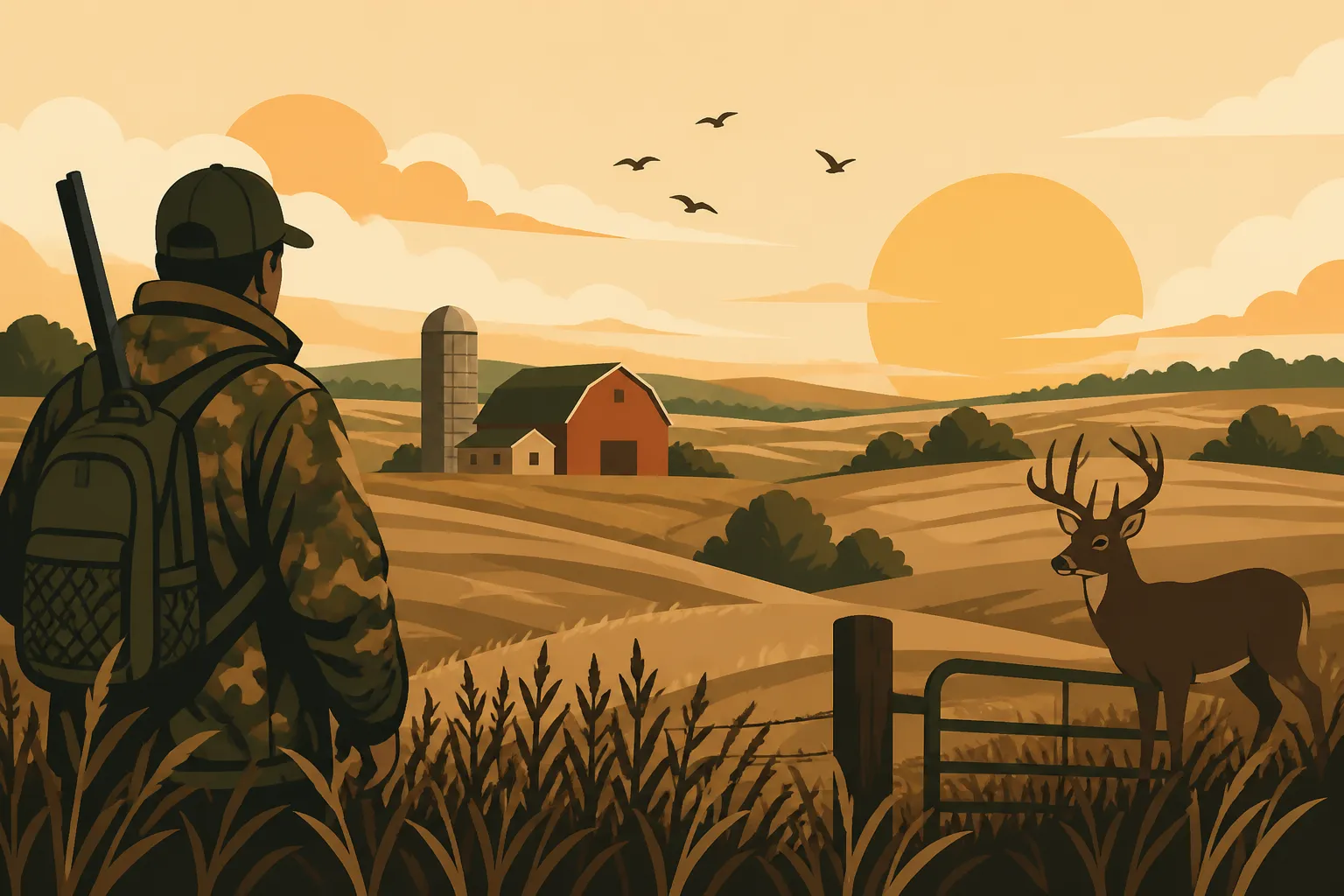
When you drive through eastern Nebraska, what often dominates the view is an endless expanse of corn, soybeans, and alfalfa fields. This isn't accidental; it's prime agricultural real estate, and most of it is privately owned. Interspersed with these fields are smaller woodlots, often bordering creeks or tucked into draws, and winding river bottoms that provide critical habitat. What also characterizes this region, especially closer to the larger cities like Omaha and Lincoln, is urban and suburban sprawl. This means a denser human population, more houses, and often, more fragmented habitat. The challenge here isn't a lack of game – deer, turkeys, and pheasants thrive in this environment – but rather gaining access to the land they call home. It's a landscape where wildlife lives in close proximity to human activity, making stealth and landowner relations paramount.
Deer Habits in Farm Country
Deer in eastern Nebraska, particularly whitetails, have adapted incredibly well to this farm-dominated environment. Their daily and seasonal movements are heavily influenced by agricultural cycles. During the growing season, standing crops like corn and soybeans offer unparalleled cover and food. Deer will bed down in these fields, sometimes for weeks, making them incredibly difficult to hunt until harvest. Once the corn comes off, their patterns shift dramatically. They'll transition to timbered creek bottoms, shelterbelts, and smaller woodlots for cover, and focus on fallen grain, alfalfa, or remaining green browse as food sources. Understanding these shifts is crucial. For instance, knowing Where Nebraska Whitetails Bed in Row-Crop Country can help you focus your efforts on asking for permission in specific areas. Turkeys, too, utilize these resources, roosting in timber and feeding in fields. Pheasants and quail will be found in grass waterways, shelterbelts, and unharvested cover. Your ability to scout, both physically and using mapping tools, to identify these key habitat components – even small ones – within a sea of agriculture will be your biggest asset.
Navigating Private Land and Permission Requests
Let's be honest, the idea of knocking on a stranger's door to ask for hunting permission can be daunting. It's often the biggest hurdle for hunters in eastern Nebraska, but it's also where some of the best opportunities lie. This isn't a quick transactional interaction; it's about building trust.
The "Knocking on Doors" Approach
The most traditional, and often most effective, way to gain access in eastern Nebraska is to simply ask. It sounds simple, but there's an art to it. First, timing is everything. Avoid showing up during busy farming operations like planting or harvest. Weekends, late afternoons, or evenings are generally better. Dress respectfully – no camo, just clean, casual clothes. When you approach, be polite and introduce yourself, clearly stating your purpose. Ask for permission to hunt a specific species, and mention the general area you're interested in, such as "the timber along the creek on your west eighty" or "the shelterbelt south of the house." Emphasize safety, respect for their property, and ethical hunting. Offer to share meat or help with chores. Many landowners appreciate a hunter who is willing to put in a little sweat equity. Don't be discouraged by a "no"; every "no" gets you closer to a "yes." Sometimes, a "no" simply means "not right now" or "I already have too many hunters." Asking a Nebraska Farmer for Permission can feel intimidating, but a genuine, face-to-face conversation often makes all the difference.
Respectful Etiquette and What to Offer
Securing permission is just the beginning; maintaining it is key. Once you have access, always follow through on your promises. Respect boundaries, both property lines and any specific requests the landowner makes. This includes understanding Do You Need Written Permission in Nebraska? which can often prevent misunderstandings. Drive slowly on their roads, close gates, and pack out everything you pack in. If you harvest an animal, inform them and offer to share some of the meat. A thank-you note or a small gift at the end of the season can go a long way. Some hunters offer to help with chores like fixing fences, mending gates, or even just clearing brush. This isn't just about getting access; it's about becoming a trusted individual. Over time, these relationships can lead to long-term access, and sometimes, even invitations to hunt other properties. Think of it as a partnership where you're providing a service (harvesting deer, turkeys, or pheasants that might be causing issues) in exchange for the privilege of hunting.
Leveraging Public Access Programs and Atlas
While private land dominates, Nebraska does offer avenues for public access, even in the eastern part of the state. These programs and resources are crucial for hunters without private land connections or those looking to expand their options.
The Open Fields and Waters Program
Nebraska's Open Fields and Waters (OFW) program is a godsend for hunters seeking access. It's a cooperative effort where private landowners enroll their property to allow public hunting, fishing, and trapping. These tracts are marked with distinctive yellow signs and are often located in prime wildlife habitat, including many agricultural areas in eastern Nebraska. The beauty of OFW is that you don't need to ask permission once the land is enrolled – it's already granted for the specific activities listed on the sign. However, it's vital to read the signs carefully, as some tracts might have specific restrictions, such as walk-in only access or limitations on certain species. The How Many Acres Are in Open Fields and Waters program changes yearly as landowners enroll and unenroll, so always consult the most current Public Access Atlas. These areas can sometimes get pressure, especially on opening weekends, but by scouting thoroughly and being willing to walk a bit further, you can often find overlooked pockets of game.
Exploring Wildlife Management Areas and State Recreation Areas
Beyond OFW, Nebraska has a network of Wildlife Management Areas (WMAs) and State Recreation Areas (SRAs) that offer public hunting opportunities. While many of the larger WMAs are found in the central and western parts of the state, eastern Nebraska still has valuable public lands. These areas are specifically managed for wildlife habitat and public recreation. WMAs might be smaller in the east, often protecting creek bottoms, timbered tracts, or restored prairie, but they can hold surprisingly good numbers of deer, turkeys, and upland birds. State Recreation Areas often have designated hunting zones, but always check specific regulations for each area, as they can vary regarding hunting methods, seasons, and access. For instance, some SRAs might only allow archery hunting. These areas are excellent for scouting before the season, as you can walk them freely without needing to knock on doors. A good resource is the Nebraska Public Access Atlas Mobile App which can help you identify these public tracts and their boundaries directly on your phone, even when you're out of cell service. Familiarizing yourself with these resources is paramount.
| Access Strategy | Pros | Cons | Best for |
|---|---|---|---|
| Knocking on Doors | Exclusive access, build relationships, access to prime private land. | Time-consuming, requires social skills, risk of rejection, limited options. | Dedicated hunters, long-term access, specific spots. |
| Open Fields & Waters | Pre-approved access, clearly marked, diverse habitat. | Can be crowded, specific rules apply, changes yearly, unknown landowner. | Exploratory hunting, diverse species, multiple spots. |
| WMAs/SRAs | Managed for wildlife, consistent access, no permission needed. | Can be pressured, often smaller tracts in East, specific regulations. | Reliable access, scouting, varied ecosystems. |
| Hunting Road Ditches | Opportunistic, no direct permission needed (with rules). | Highly visible, safety concerns, very limited range, ethical considerations. | Last-minute, small game, very specific situations. |
Hunting the Underrated Spots: River Bottoms and Small Timber
Eastern Nebraska's agricultural dominance means that hunters often overlook the hidden gems that can hold significant game. These areas, though perhaps not vast, are vital corridors and refuges for wildlife.
Creek and River Corridors
The numerous creeks and rivers that crisscross eastern Nebraska are lifelines for wildlife. These corridors, even narrow ones, provide consistent water sources, thicker cover, and a natural travel route for deer, turkeys, and other game through open farmland. Think about the Platte River, the Loup, the Elkhorn, or even smaller tributaries like the Big Blue River; their banks are often lined with mature timber, brush, and dense undergrowth. These areas are prime for stand placement, still-hunting, or even Jump Shooting Nebraska River Ducks if you're targeting waterfowl. Animals use these areas for bedding, feeding, and escaping pressure. A successful strategy here involves walking these bottoms, looking for rub lines, scrapes, and well-used trails. Even if the immediate area is private, sometimes a small piece of public land or an OFW tract will border a productive river system, allowing you to intercept animals moving along these natural highways. Don't underestimate a small, brushy creek bottom; it can be a deer's highway through otherwise open country.
Small, Overlooked Timber Blocks and Shelterbelts
In a landscape of large fields, even a few acres of timber can be a magnet for deer and pheasants. These small woodlots, often on less-tillable ground, or shelterbelts planted as windbreaks, offer crucial thermal cover, bedding areas, and food sources. They might be surrounded by fields, but they provide a sense of security for animals moving between feeding and bedding areas. Hunting a Shelterbelt Between Nebraska Fields can be incredibly productive, especially during colder weather or when fields are harvested. These spots are often easier to gain permission for because they are smaller and might not be actively farmed. You might also find that landowners are more agreeable to hunters helping to manage deer populations that are impacting their crops around these smaller timber blocks. Scouting these areas on aerial maps to identify potential funnels, pinch points, and escape routes can make a huge difference. Often, these overlooked spots are only a few hundred yards from a county road, making access relatively easy if you've secured permission.
Technology as Your Access Ally
In today's hunting world, technology isn't just a convenience; it's a critical scouting and access-finding tool, especially in a private-land state like Nebraska.
Digital Mapping Tools like onX Hunt
Digital mapping applications, such as onX Hunt, are absolutely indispensable for finding access in eastern Nebraska. These apps overlay property ownership information onto detailed satellite imagery, allowing you to see exactly where property lines are, who owns the land, and even provide contact information in some cases. This means you can identify potential hunting spots from your living room, determine who owns them, and approach the correct landowner for permission. You can mark potential access points, identify natural funnels, pinpoint bedding areas, and plan your entry and exit routes, all before you even step foot in the field. This capability saves countless hours of aimless driving and eliminates the risk of inadvertently trespassing. Using these tools to identify those small, isolated woodlots or creek bottoms mentioned earlier, and then determining who to contact, streamlines the entire permission-seeking process. It also helps immensely when you're actually in the field, ensuring you stay on the property you have permission for and respect all boundaries.
Online Resources and Scouting
Beyond property line maps, the internet offers a wealth of information for scouting and finding access. The Nebraska Game and Parks Commission website is your first stop, featuring the interactive Public Access Atlas. This digital map allows you to filter by species, hunting method, and even by specific property features, making it easy to locate all the OFW, WMA, and other public lands available. Sites like GoHunt (though perhaps more focused on western big game draws) or general hunting forums can provide anecdotal information about certain regions or tips for approaching landowners, though always take such advice with a grain of salt and verify information yourself. Google Earth is another powerful, free tool for aerial scouting, allowing you to identify habitat features, potential travel corridors, and even subtle changes in terrain that might hold game. Combine these online resources with local knowledge from bait shops, small-town diners, or county extension offices, and you've got a comprehensive scouting approach. Just remember, the more work you put in upfront digitally, the more efficient and successful your physical scouting and hunting efforts will be.
Building Relationships for Long-Term Access
Ultimately, consistent hunting access in eastern Nebraska often comes down to the relationships you cultivate. It's not just about one season; it's about becoming a trusted member of the rural community.
Becoming a Trusted Hunter
Landowners are often hesitant to grant permission to strangers because of past negative experiences – gates left open, trash left behind, or safety concerns. Your goal is to differentiate yourself by being utterly trustworthy and respectful. This means being upfront about your intentions, being safe with firearms, and always adhering to the specific rules set by the landowner. If you say you'll hunt archery-only, stick to it. If they ask you not to drive across a certain field, honor that request. Good communication is paramount. If you're running late, or can't make it, let them know. Be mindful of their family and farming operations. This consistent, respectful behavior builds a reputation, and in rural Nebraska, reputation spreads. A trusted hunter isn't just someone who gets permission once; they're someone who gets it year after year, and might even be recommended to neighboring landowners. Being a reliable and courteous individual is the most valuable currency you have for long-term access.
Offering Help and Value
Beyond simply asking for permission, consider what value you can bring to a landowner. Deer, while cherished by hunters, can also be a nuisance to farmers, causing crop damage or vehicle collisions. Offering to help manage the deer population can be a genuine incentive. Turkeys can scratch up fields, and pheasants can consume valuable grain. Your hunting efforts can be seen as a service. Furthermore, many landowners appreciate help with tasks that they might not have time for. This could be anything from helping to clear fallen branches after a storm, fixing a fence line, or even just keeping an eye on their property when they're away. Sometimes, simply offering a share of your harvest can be a significant gesture. Imagine the goodwill generated when you show up with a package of venison after a successful hunt. These small acts of kindness and helpfulness forge bonds that extend beyond a simple handshake and a deer tag, solidifying your place as a welcome guest on their land, and opening doors for future opportunities.
Disclaimer
This article is for general informational purposes only and does not constitute professional advice. Laws, prices and regulations vary by location and change over time. Consult a qualified professional for guidance on your specific situation.