Raccoon and Furbearer Trapping Seasons
The biting cold of a Nebraska winter morning, the crunch of frosted grass under your boots, and the anticipation of what might be waiting in your trap — there’s a unique satisfaction that comes with furbearer trapping. It's a connection to the land, a challenge of wits, and a way to harvest natural resources. For many, understanding the nuances of raccoon and other furbearer trapping seasons can feel like navigating a maze, but this guide is here to shed light on the key dates, regulations, and considerations you need to be successful and ethical in the Cornhusker State.
The Enduring Allure of Trapping Nebraska Furbearers
Trapping furbearers in Nebraska is more than just a hobby; for some, it's a deep-seated tradition, a valuable management tool, and a way to put some extra cash in their pocket. Whether you're targeting the ever-present raccoon or setting your sights on a crafty coyote, the plains and river bottoms of Nebraska offer ample opportunities. However, it's a pursuit that demands respect for the animals, the land, and the regulations. It's not about quick riches, but about patience, skill, and an intimate knowledge of the wild.
Why Trappers Head to the Fields and Streams
Many folks are drawn to trapping for a variety of reasons. For starters, it’s an incredibly active way to get outside during the colder months when other hunting seasons might be winding down. The strategic challenge of finding the right location, selecting the correct trap, and executing a perfect set is deeply rewarding. There's also the conservation aspect; responsible trapping can help manage furbearer populations, reducing impacts on other wildlife and agricultural interests. Farmers often appreciate a trapper who can help control problem animals around their barns or fields. And, of course, there's the economic incentive, however modest it might be, from selling furs. The market fluctuates, but any income from your outdoor passion is a bonus.
It's a stark contrast to sitting in a deer stand; trapping involves constant movement, scouting, and problem-solving. You're reading tracks, understanding animal behavior, and adapting to weather changes daily. This constant engagement with the environment builds a deep appreciation for the cycles of nature and the resilience of Nebraska's wildlife.
Key Nebraska Furbearer Species for Trappers
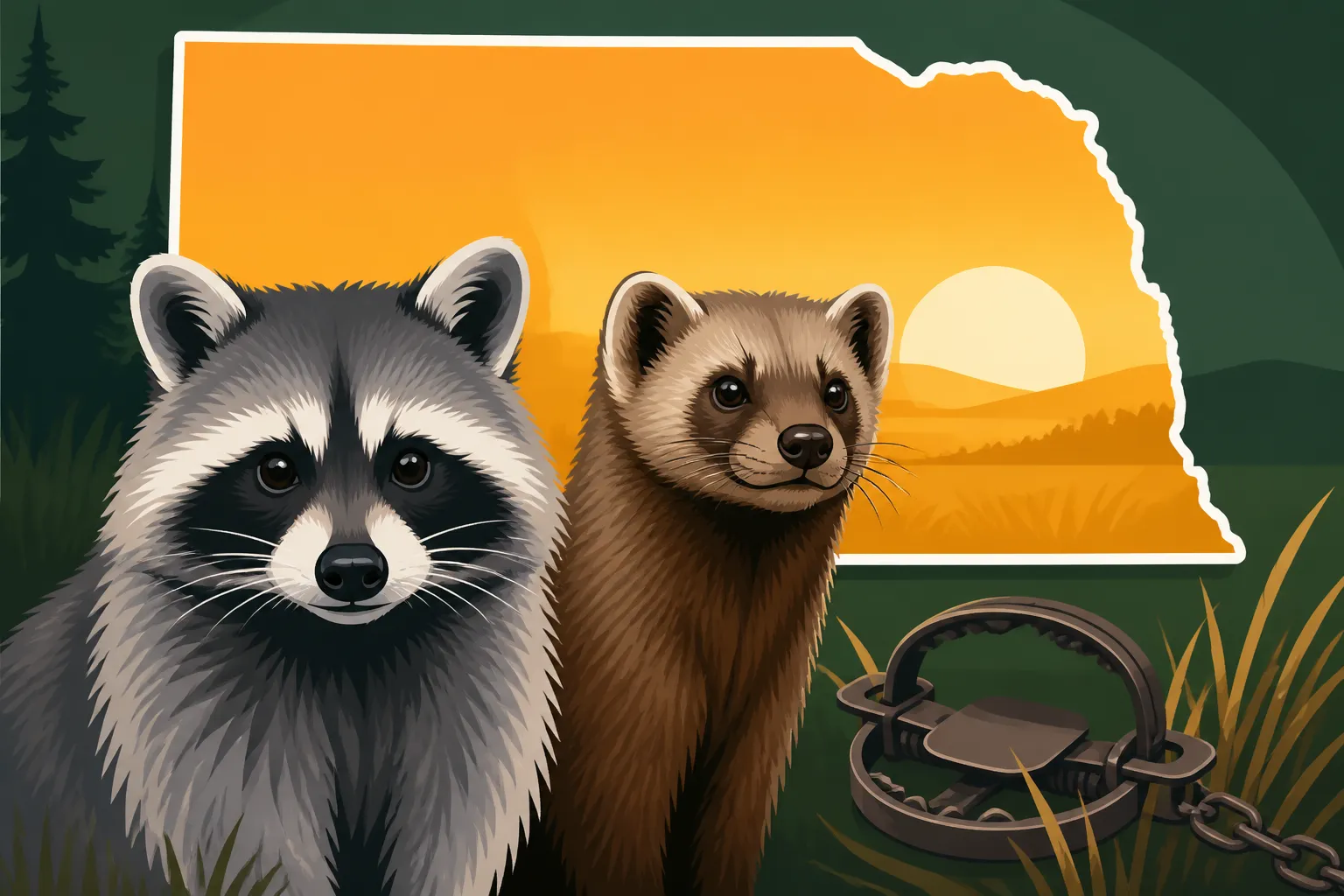
Nebraska is home to a diverse range of furbearers that offer opportunities for trappers. Raccoons are perhaps the most common and widespread, found virtually anywhere there's water and cover, from urban fringes to remote river bottoms. They're intelligent, adaptable, and a staple for many trappers. Coyotes are another popular target, known for their cunning and requiring a higher level of skill and commitment. They roam across the entire state, often following deer trails, working edges of fields, or patrolling rangeland.
Other species that capture a trapper's attention include badgers, with their powerful digging abilities and preference for open country, and both red and gray fox, which offer a challenge with their keen senses and wary nature. Skunks, opossums, and muskrats also contribute to the furbearer harvest, often targeted incidentally or as part of a varied trap line. Each species presents its own set of challenges and requires specialized knowledge and equipment, making the world of furbearer trapping endlessly fascinating. You'll often find yourself adapting your tactics based on what the land and the animals are telling you.
Understanding Nebraska's Raccoon and Furbearer Season Dates
Navigating the exact opening and closing dates for Nebraska's furbearer seasons can sometimes feel like trying to nail jelly to a wall. It’s critical to remember that these dates are set to ensure sustainable harvest and vary slightly from year to year. Getting this right isn’t just about being legal; it’s about ensuring you’re trapping when fur quality is at its peak and avoiding conflicts with other outdoor enthusiasts. The Nebraska Game and Parks Commission is your go-to source for the most current and precise regulations, published annually in their hunting and trapping guides.
General Season Structure and Key Considerations
Typically, Nebraska's furbearer trapping seasons open in the fall, often in late October or early November, and extend through the winter months, sometimes into early March. This timing is intentional, as winter is when furbearers have their prime, thickest pelts, which are most valuable. Trapping during warmer months not only yields inferior fur but can also put undue stress on animals and increase issues with spoilage. The season structure aims to balance recreational opportunity with sound wildlife management and ethical considerations.
It's important to differentiate between general furbearer seasons and specific seasons for certain species, or even different methods of take. For instance, while trapping seasons might be open, there might be separate hunting seasons (with firearms or archery) for predators like coyotes or fox, which often run longer, sometimes year-round. Always double-check if your target species has unique dates or restrictions.
Varying Dates for Specific Furbearers
While many furbearers fall under a general trapping season, some might have slightly different start or end dates, or even specific bag limits in certain areas. Raccoons, muskrats, and mink often share similar season windows, largely because their pelts are prime during the same cold periods. Coyotes and badgers, on the other hand, might have seasons that extend further or open differently due to their different life cycles and management goals.
Here's a general overview of common furbearer trapping seasons in Nebraska. Please understand these are illustrative, and the precise, current dates must always be confirmed with the Nebraska Game and Parks Commission's official regulations.
| Furbearer Species | Typical Season Start | Typical Season End | Notes |
|---|---|---|---|
| Raccoon | Early November | Late February | Very common; strong population. |
| Muskrat | Early November | Early March | Primarily water-based trapping. |
| Mink | Early November | Late February | Often caught in muskrat sets. |
| Coyote | Early November | End of March | Often hunted year-round by other methods. |
| Red Fox | Early November | End of February | Requires skill and careful sets. |
| Gray Fox | Early November | End of February | Less common than red fox. |
| Badger | Early November | End of February | Digging prowess means specific set considerations. |
| Opossum | Early November | Late February | Often caught incidentally. |
| Skunk | Early November | Late February | Distinct odor; often caught incidentally. |
Remember, this table provides a general framework. Every year, before you even think about putting steel in the ground, you absolutely must consult the current trapping guide published by the Nebraska Game and Parks Commission. These guides detail not just the dates, but also specific unit regulations, permit requirements, and legal trap types.
Key Regulations and Best Practices for Ethical Trapping
Trapping, like any outdoor pursuit, comes with a host of rules designed to ensure animal welfare, public safety, and sustainable populations. It's not enough to simply know the seasons; you need to understand the nuances of permits, trap types, and how to conduct yourself ethically in the field. Ignoring these regulations can lead to fines, loss of privileges, and a black eye for the trapping community.
Permits, Stamps, and Hunter Education Requirements
Before you can even think about setting your first trap, you need to make sure you're properly licensed. In Nebraska, anyone participating in furbearer trapping generally needs a valid Nebraska Hunt Permit and a Nebraska Habitat Stamp. This might seem like an extra step, but these funds directly support wildlife management and habitat improvement across the state, which benefits all hunters and trappers. For new trappers, or those under a certain age, a Nebraska Hunter Education Age Requirement might also be in effect, ensuring you have a foundational understanding of safety and ethics.
There are different permit types, so be sure you're getting the one that covers furbearer trapping specifically. You can usually purchase these online through the Nebraska Game and Parks website. It's not just about compliance; it's about being a responsible steward of the resource. Knowing that your permit dollars contribute to the very wild places you enjoy makes the whole experience more meaningful.
Legal Trap Types and Setting Restrictions
Nebraska has specific rules regarding the types of traps you can use and how you can set them. These regulations are in place to minimize non-target catches, reduce animal suffering, and ensure public safety, especially in areas with human activity or domestic animals. Generally, common trap types like foot-encapsulating traps, body-gripping traps, and snares are allowed, but often with size limitations, tension requirements, and placement restrictions. For example, some traps may be restricted from public rights-of-way or within certain distances of occupied dwellings without landowner permission.
It’s crucial to understand these specifics. For instance, snares often have maximum loop diameters and break-away devices. Body-gripping traps might be restricted to water sets or in specific enclosures. The idea is to make sure your trap is effective for your target furbearer but minimizes risk to other animals. Using the correct trap for the intended species and setting it according to legal guidelines is a hallmark of an ethical and skilled trapper. Always refer to the official regulations for detailed trap specifications and setting rules.
Daily Trap Checks and Ethical Considerations
One of the most critical aspects of ethical trapping is the requirement for daily trap checks. In Nebraska, all traps must be checked at least once every 24 hours. This rule is paramount for animal welfare. It minimizes the time an animal might spend in a trap, reducing stress, exposure to elements, and the risk of injury. A trapper’s commitment to checking their traps diligently is a fundamental measure of their responsibility. This means planning your trap line efficiently, especially if you have a lot of sets or they are spread across a wide area. Weather can play a huge role, making travel to remote locations challenging, so having contingency plans is wise.
Beyond the legal requirement, ethical trapping also involves dispatching animals humanely and efficiently. This requires knowledge of proper techniques and a respect for the animal. It also extends to how you handle non-target catches; these animals should be released unharmed whenever possible. Being a good trapper means understanding your impact, always seeking to learn and improve, and representing the trapping community in a positive light. Remember, if you suspect any illegal trapping activity or Hunting Violation Penalties, you should always contact the Nebraska Game and Parks Commission or local law enforcement. It's part of upholding the integrity of the sport for everyone.
Planning Your Trapping Strategy and Maximizing Success
Trapping isn't just about setting a few traps and hoping for the best; it's a strategic game of chess against some of the most cunning creatures in the wild. A well-thought-out plan, combined with diligent scouting and a deep understanding of animal behavior, is what separates a successful trapper from one who frequently comes up empty-handed.
Scouting for Productive Trap Locations
Before the season even opens, your most valuable tool will be your boots and your eyes. Scouting is paramount to finding productive trap locations. You're looking for sign: tracks, scat, disturbed vegetation, feeding areas, and travel corridors. For raccoons, this often means creek beds, river banks, drainage ditches, and the edges of cornfields, especially near old farmsteads or culverts. They love water and anything resembling a den site. For coyotes, look for areas where they're actively hunting, like the edges of pastures, brushy draws, or even pinch points in open rangeland where deer or rabbits might funnel through. Reading a Cedar Draw for Deer Movement can even give you insights into potential coyote travel patterns, as coyotes often follow deer.
Don't forget to use mapping tools. The Nebraska Public Access Atlas is an indispensable resource for identifying public lands, including Wildlife Management Areas and Open Fields and Waters tracts, that might hold furbearers. Using advanced mapping software can help you pinpoint terrain features like saddles, funnels, and denning areas that might be overlooked on a basic map. This level of detail in your scouting is critical, especially when targeting wary animals.
Essential Gear and Techniques for Nebraska Conditions
Nebraska weather can be notoriously fickle, from mild fall days to bitter winter blizzards. Your gear needs to be up to the challenge. Layered clothing is essential to stay warm and dry, especially during those early morning trap checks. Think high-quality base layers, insulating mid-layers, and a windproof, waterproof outer shell. Clothing for Nebraska Wind and Cold is not just a comfort consideration; it's a safety one. Good, waterproof boots are non-negotiable, particularly when setting traps near water or slogging through snow.
Beyond personal gear, your trapping equipment needs to be in top shape. Traps should be clean, rust-free, and properly tuned. Having a variety of trap types can be beneficial, allowing you to adapt to different scenarios and target species. For example, a dog-proof trap is excellent for raccoons but won't work for a coyote. Understanding different sets – dirt holes, flat sets, water sets, cubby sets – and when to use them is key. You'll also need bait and lure that are appropriate for your target species and the time of year. Experience teaches you the subtleties, but a good starter kit includes a digging tool, scent bottles, and perhaps a sifter for dirt hole sets.
Safety, Respect, and Market Considerations
Trapping is an inherently safe activity when done correctly, but it demands constant vigilance. Always be aware of your surroundings, especially if you're on public land or near agricultural operations where other people or livestock might be present. Clearly mark your traps (as required by law) and respect property boundaries. If you're on private land, ensure you have explicit Getting Private Land Permission in Nebraska before you set a single trap. A good relationship with landowners is golden and often harder to get than the furbearers themselves.
Finally, consider the market for your furs. Fur prices fluctuate widely based on demand, fashion trends, and international markets. Don't go into trapping expecting to get rich. Instead, view any monetary return as a bonus for an enjoyable outdoor pursuit. Learning how to properly skin, flesh, and stretch a hide is a skill in itself and dramatically impacts the value of your furs. There are often local fur buyers who can provide guidance and purchase your raw furs. Treating the animals you catch with respect, from the moment they enter your trap until the fur is put to use, is the ultimate measure of an ethical trapper.
Disclaimer
This article is for general informational purposes only and does not constitute professional advice. Laws, prices and regulations vary by location and change over time. Consult a qualified professional for guidance on your specific situation.