Rainwater Basin Waterfowl Numbers
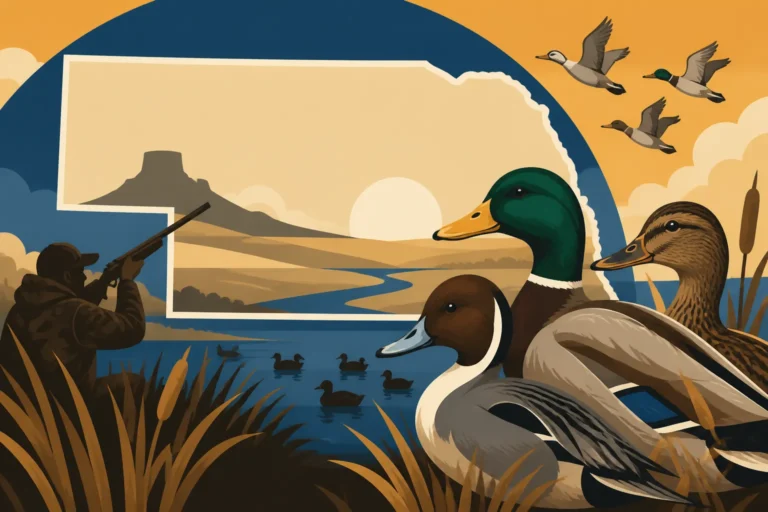
One of the great treasures for hunters and wildlife enthusiasts in Nebraska is undoubtedly the Rainwater Basin. This unique region, a mosaic of shallow wetlands dotted across south-central Nebraska, is an absolute magnet for migratory waterfowl, and understanding the ebbs and flows of these bird populations is crucial for anyone who spends time afield. This guide will take a deep dive into what makes the Rainwater Basin so special, the current trends in waterfowl numbers, and what all of this means for your hunting experience.
The Vital Role of Nebraska's Rainwater Basin for Waterfowl
When you talk about waterfowl in Nebraska, the conversation inevitably turns to the Rainwater Basin. It's a place that stirs a sense of awe and sometimes, a bit of heartache, knowing what it once was and what we're striving to restore. For anyone who's ever seen the skies darken with thousands of ducks and geese, or heard the cacophony of their calls, you know this region isn't just important; it's absolutely vital.
A Critical Stop on the Central Flyway
Imagine a superhighway in the sky, stretching from the Arctic tundra all the way down to the Gulf Coast. That's the Central Flyway, and for millions of ducks, geese, and other migratory birds, the Rainwater Basin isn't just a pit stop; it's one of the most important rest areas and refueling stations along the entire route. These shallow, ephemeral wetlands provide essential food and cover during their epic journeys, both in the spring and fall. Without these critical habitats, the journey for many species would be far more perilous, if not impossible. Waterfowl of the Central Flyway in Nebraska really highlights just how interconnected this system is. The birds depend on these basins for survival, and we, as hunters, depend on them for our traditions. It’s a delicate balance that needs constant attention and conservation.
It's not just about stopping; it's about survival. During peak migration, especially in the spring, the sheer volume of birds can be staggering. The basins provide vital energy-rich foods like seeds from moist-soil plants and invertebrates, allowing birds to build up fat reserves necessary for breeding and further migration. For many species, especially pintails and mallards, the health of the Rainwater Basin directly correlates to their overall reproductive success. When these wetlands are dry, or habitat is degraded, the entire flyway feels the pinch, leading to poorer body conditions and reduced nesting success farther north.
Historical Significance of the Basin
Back in the day, before extensive agriculture transformed the landscape, the Rainwater Basin was a sprawling network of thousands of wetlands, covering a massive portion of south-central Nebraska. It was an ecological marvel, a mosaic of temporary and semi-permanent marshes that pulsated with life. Early settlers and naturalists described scenes almost unimaginable today, with waterfowl numbers so vast they literally darkened the sky. This was a wild, untamed paradise, an irreplaceable wetland complex that supported an incredible diversity of birds and other wildlife. It was a true waterfowl factory.
However, like so many natural wonders, human progress, particularly agricultural development, drastically altered the basin. Many wetlands were drained, tiled, and converted to cropland. The vast, interconnected network became fragmented, and many smaller, less permanent basins disappeared entirely. The loss of these wetlands was a huge blow to the Central Flyway, and it's a stark reminder of the long-term impacts our actions can have. Thankfully, there have been significant efforts in recent decades to restore and protect what remains, a testament to the understanding that these wetlands are too valuable to lose. These efforts have tried to bring back some semblance of the historical abundance, recognizing the basin's irreplaceable role in the ecosystem.
Understanding Waterfowl Numbers in the Rainwater Basin
Grasping the pulse of waterfowl numbers in the Rainwater Basin is complex. It's not a static picture; it's a dynamic, ever-changing tableau influenced by everything from local weather to continental breeding success. For hunters, knowing these trends helps manage expectations and strategize effectively. For conservationists, it’s the key to targeted habitat restoration and protection.
Key Species and Their Trends
The Rainwater Basin hosts an incredible variety of waterfowl, but some species are more prominent than others, and their numbers fluctuate differently.
-
Snow Geese and White-Fronted Geese: These are arguably the most iconic species of the Rainwater Basin, especially during the spring migration. The sheer number of snow geese that pass through can be mind-boggling, often numbering in the hundreds of thousands, if not millions. Snow Geese and the Spring Migration is a sight to behold. While their overall population remains robust, localized concentrations in the basin can vary year to year depending on water availability and feeding conditions. White-fronted geese, or "specs" as many hunters call them, are highly prized and also utilize the basin heavily. Their numbers have seen some strong years lately, offering fantastic hunting opportunities when they are present. You can often see incredible concentrations of White-Fronted Geese in the Rainwater Basin.
-
Mallards and Pintails: These dabbling ducks are central to the Rainwater Basin's ecosystem. Mallard numbers tend to be strong, though local concentrations depend on water and food. Pintails, however, have been a species of concern for many years, with populations fluctuating significantly. The Rainwater Basin is an incredibly important staging area for pintails, and their condition when they leave the basin greatly influences their breeding success. Understanding where Duck Production in the Rainwater Basin occurs and how it relates to our flyway is crucial.
-
Other Ducks: Beyond mallards and pintails, you'll find a host of other duck species, including gadwalls, wigeon, green-winged teal, blue-winged teal, and shovelers. Their numbers vary seasonally and annually, but generally follow broader continental trends. Teal, in particular, can be very abundant, especially during the early seasons. When Ducks Migrate Through Nebraska gives you a sense of the timing for these various species.
-
Canada Geese: While often associated with more localized breeding populations, Canada geese also utilize the Rainwater Basin extensively, both as migrants and sometimes as wintering birds if conditions allow. Canada Goose Growth in Nebraska has been a significant story across the state, and the basin certainly plays a role in supporting these expanding populations.
Data Collection and Counting Methods
How do we actually know these numbers? It's not as simple as taking a head count at your local pond. State and federal agencies, like the Nebraska Game and Parks Commission and the U.S. Fish and Wildlife Service, employ a variety of sophisticated methods to estimate waterfowl populations.
One of the primary methods involves aerial surveys. Biologists fly fixed-wing aircraft or helicopters over established transects, meticulously counting birds in various wetland complexes, including the Rainwater Basin. These surveys are conducted multiple times during both spring and fall migration to capture peak numbers and track movements. This is critical for setting hunting seasons and bag limits, as well as assessing overall population health.
Ground surveys are also conducted, especially for specific habitat assessments or to get more precise counts in smaller, harder-to-reach areas. Banding efforts provide invaluable data on migration routes, survival rates, and harvest rates, helping to paint a more complete picture of waterfowl dynamics. This combination of aerial counts, ground observations, and banding data allows for robust population estimates that guide conservation and management decisions.
Factors Influencing Waterfowl Populations
Waterfowl numbers aren't just a random occurrence; they're the result of a complex interplay of environmental factors. Understanding these influences helps us appreciate the challenges birds face and why conservation efforts are so critical.
Habitat Loss and Restoration Efforts
The single biggest factor affecting waterfowl numbers in the Rainwater Basin, historically and currently, is habitat. The loss of vast expanses of wetlands to agriculture and development has undeniably reduced the carrying capacity of the basin for migratory birds. Wetland Loss in the Rainwater Basin is a somber topic, but one that drives so much of our conservation work. When you drain a wetland, you don't just lose water; you lose the complex ecosystem that supports food resources, nesting cover, and resting areas.
Thankfully, there's a strong commitment to reversing some of this loss. Organizations like Ducks Unlimited, Pheasants Forever, and the Nebraska Game and Parks Commission work tirelessly on wetland restoration and enhancement projects. This often involves acquiring former wetland areas, restoring hydrology, planting native moist-soil vegetation, and managing water levels to mimic natural cycles. These efforts are literally bringing wetlands back from the dead, providing renewed havens for ducks and geese. These restored areas are absolutely crucial to supporting the overall waterfowl numbers that pass through Nebraska each year.
Weather, Drought, and Water Management
The Rainwater Basin is aptly named for its reliance on rainfall. These wetlands are often ephemeral, meaning they can dry up completely during periods of drought and then refill with significant rain or snowmelt. This natural boom-and-bust cycle is what birds have adapted to over millennia. However, prolonged droughts, combined with increased groundwater pumping for irrigation, can severely impact water availability, making critical habitat unusable.
When water is scarce, birds are forced to concentrate on fewer, smaller wetlands, leading to increased competition for food and heightened vulnerability to disease. Conversely, wet years can create an abundance of habitat and food, leading to thriving bird populations. Water management, particularly on public lands and through programs like the Nebraska Rainwater Basin WPA Hunting areas, involves strategic pumping and drawdown to ensure that water is available during critical migration periods, even when natural precipitation is lacking. This careful management is a balancing act, trying to provide for birds while also considering agricultural needs and other demands on water resources.
Disease and Other Biological Challenges
Just like any wildlife population, waterfowl are susceptible to disease, especially when concentrated in large numbers. Avian influenza (AI) and avian cholera are two diseases that can have devastating localized impacts on waterfowl populations. When thousands of birds gather in a small area, disease can spread rapidly, leading to significant die-offs. Avian Influenza in Prairie Waterfowl is a serious concern that wildlife managers constantly monitor. These outbreaks, while often localized, can certainly impact overall waterfowl numbers in the basin for a given season.
Beyond disease, other biological challenges include predation on nests (if birds are attempting to breed locally, though most breeding occurs further north), habitat degradation from invasive species, and even lead poisoning from spent shot in older, unmanaged wetlands. Conservation efforts aim to mitigate these challenges through habitat improvements, disease monitoring, and responsible hunting practices like the use of nontoxic shot where required.
What Rainwater Basin Waterfowl Numbers Mean for Hunters
For those of us who carry a shotgun and dream of cupped wings over a decoy spread, waterfowl numbers in the Rainwater Basin are more than just statistics; they dictate our hunting opportunities and strategies. The health of these populations directly affects how we experience our passion.
Impact on Season Setting and Bag Limits
The population estimates derived from surveys in the Rainwater Basin and across the flyway are the bedrock upon which hunting seasons and bag limits are established. Wildlife agencies carefully analyze these numbers, along with breeding ground surveys, to ensure sustainable harvest levels. If duck or goose numbers are low, particularly for certain species like pintails, agencies might respond by reducing daily bag limits or shortening seasons to protect the population. Conversely, strong population numbers, like those often seen with snow geese, can lead to liberal seasons and increased bag limits, such as those under the Rainwater Basin Light Goose Dates during the conservation order.
This is why staying informed is so critical. Hunters need to understand that these regulations aren't arbitrary; they're based on sound science and a commitment to maintaining healthy waterfowl populations for future generations. Ignoring these numbers or regulations isn't just illegal; it undermines the very foundation of conservation. For hunters planning trips, platforms like GoHunt provide valuable, up-to-date information on seasonal outlooks and regulations, helping you tailor your plans.
Hunter Success and Changing Strategies
The presence and distribution of waterfowl directly influence hunter success. In years with abundant water and high bird numbers, opportunities can be incredible. More birds mean more chances to decoy birds or jump shoot marshes. However, in dry years, when birds are concentrated on fewer water bodies, hunting pressure can also become concentrated, making birds warier and hunts more challenging.
Successful hunters in the Rainwater Basin are often those who adapt to changing conditions. This might mean adjusting decoy spreads, employing different calling techniques, or even shifting hunting locations based on real-time bird movements and water availability. For example, if traditional wetlands are dry, hunters might focus on flooded agricultural fields or managed impoundments. Using tools like the GoHunt platform, hunters can track reported conditions and bird movements, helping them make more informed decisions on where and when to hunt. This adaptability is key to consistent success. For example, knowing the latest on Nebraska Duck Daily Bag Limit helps plan your morning's hunt.
How to Stay Informed and Adapt Your Hunt
Staying informed about waterfowl numbers and conditions in the Rainwater Basin is a continuous process. Here are some ways to keep your finger on the pulse:
- Official Reports: Regularly check the Nebraska Game and Parks Commission website for waterfowl migration updates, season forecasts, and post-season harvest reports. These official sources provide the most accurate data.
- Weather and Water Conditions: Pay close attention to precipitation forecasts and real-time water levels in the basin. Years with good fall rains often translate to better hunting conditions. Services and apps can give you a heads-up on potential flooding or drought.
- Scouting: Nothing beats boots on the ground (or waders in the water) for understanding local conditions. Pre-season scouting, looking for bird activity, available food sources, and water depth, is invaluable. Many hunters also use aerial imagery and mapping tools, like those found on GoHunt, to identify potential hunting locations and understand the landscape before they even step out the door. This can give you an edge, helping you pinpoint where Hunting Rainwater Basin Wetlands might be most productive.
- Networking: Talk to other hunters, local landowners, and guides. They often have firsthand knowledge of bird movements and local hotspots. While it's always good to do your own homework, local intel can be priceless.
- Adapt Your Approach: Be flexible. If one area isn't holding birds, don't be afraid to move. If birds are wary of large spreads, try a smaller, more natural setup. The more you understand the birds and their environment, the better equipped you'll be to adapt your strategies for success.
| Species Group | General Population Trend (Central Flyway) | Rainwater Basin Importance | Hunting Season Impact |
|---|---|---|---|
| Dabbling Ducks | Stable to Increasing (Mallards, Gadwall) | Critical staging/feeding area | Varies by species, generally good opportunities |
| (Mallards, Pintails, etc.) | Fluctating (Pintails often below objective) | Highly important for pintail conditioning | Pintail limits often conservative |
| Diving Ducks | Generally Stable | Significant use of deeper basins | Good opportunities, often later in season |
| Light Geese | Abundant/Over-objective (Snow, Ross's) | Major staging area for millions | Liberal seasons, conservation order, high bag limits |
| Dark Geese | Stable to Increasing (Canada, White-front) | Important staging/feeding area | Strong opportunities, especially for white-fronts |
Ultimately, the Rainwater Basin is a jewel of the Central Flyway, and its waterfowl numbers are a living indicator of the health of that system. As hunters, we have a vested interest in understanding these dynamics and supporting the ongoing conservation efforts that make this incredible phenomenon possible.
Disclaimer
This article is for general informational purposes only and does not constitute professional advice. Laws, prices and regulations vary by location and change over time. Consult a qualified professional for guidance on your specific situation.