Quail Winter Kill in Hard Years
For anyone who loves chasing bobwhite quail in Nebraska, few things sting more than hearing whispers of a "hard winter" and knowing what that often means for the birds we cherish. When severe cold, deep snow, and relentless ice descend upon the state, our robust quail populations can take a beating, leading to significant die-offs that impact hunters and conservationists alike. This guide dives deep into the harsh realities of quail winter kill in Nebraska, exploring how these tiny, resilient birds face their greatest seasonal challenge and what factors contribute to their struggle for survival.
Understanding Quail Winter Kill in Nebraska
Nebraska's bobwhite quail are creatures of habit and resilience, but winter can push them to their absolute limits. While they're built to withstand many challenges, the cumulative effect of a truly brutal winter can decimate populations. It's not just one single event that causes "winter kill"; it's a perfect storm of environmental stressors that test their ability to find food, stay warm, and avoid predators.
What Exactly is Winter Kill?
"Winter kill" is a term that often sounds dramatic, and for quail, it certainly can be. It's not usually about birds literally freezing solid where they stand, though extreme cold certainly contributes. Instead, it describes a cascade of negative effects brought on by severe winter weather, leading to high mortality rates. Bobwhite quail are particularly vulnerable due to their small size, their reliance on specific cover types, and their communal survival strategy of coveying. When conditions are tough, their energy reserves are quickly depleted, and their ability to escape danger is compromised. A covey might survive a single cold snap, but prolonged deep freezes combined with a lack of food access can spell disaster. Hunters and wildlife managers closely monitor conditions during and after these hard winters, as they often predict the following year's hunting prospects. For more on the health of these populations, you might want to read Bobwhite Quail Numbers in Nebraska.
The Immediate Threats: Snow and Ice
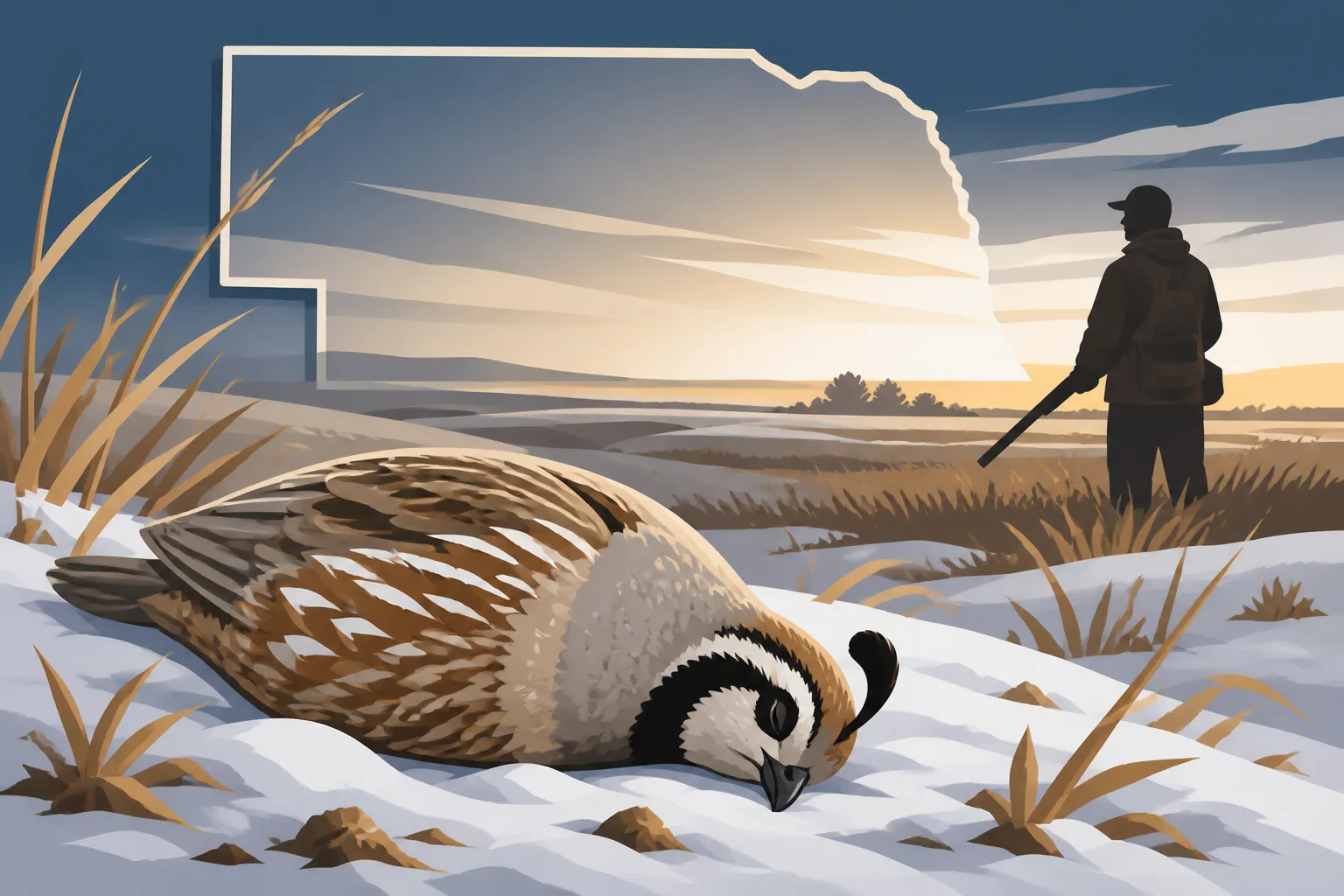
Imagine being a quail, no bigger than your fist, trying to scratch out a living when the world turns into a white, frozen landscape. Heavy, crusting snow is perhaps the most immediate and devastating threat. It doesn't just make travel difficult; it completely buries vital food sources like fallen seeds, waste grain, and dormant insects. A crust of ice, often formed after a warm spell followed by a rapid refreeze, or from freezing rain, is even worse. This icy layer can seal off everything beneath it, turning a field of potential food into an impenetrable barrier. Quail, which rely on scratching and pecking at the ground, simply cannot access the nourishment they need.
These conditions are compounded by duration. A few days of heavy snow might be survivable if birds can hunker down in dense cover and live off existing fat reserves. But when that snow lasts for weeks, or new storms continually blanket the landscape, starvation becomes an increasingly dire threat. Birds expend precious energy trying to dig through the snow or find open patches, only to find nothing. The sight of a covey trying to survive in a stark, snow-covered landscape with no apparent food source is a sobering reminder of nature's unforgiving side.
The Secondary Threats: Cold and Starvation
While snow and ice are immediate barriers to food, the extreme cold that often accompanies Nebraska winters delivers a brutal one-two punch. Quail must maintain a core body temperature, and doing so in sub-zero conditions requires an immense amount of metabolic energy. This energy comes directly from the food they eat. If they can't access food because of snow or ice, they rapidly burn through their fat reserves.
Think of it like trying to heat your home without any fuel for the furnace. The longer the cold lasts, and the less food available, the faster their tiny bodies run out of energy. They become weaker, less active, and increasingly susceptible to hypothermia. Their natural coveying behavior, where birds huddle together in a tight circle to share body heat, helps significantly. This communal warmth can reduce heat loss by a substantial margin. However, even this strategy has its limits. Without a steady supply of calories to replenish their internal furnace, even huddled birds will eventually succumb to the cold, weakened by starvation. This makes understanding Reading Cover After a Nebraska Wind even more critical.
Factors Exacerbating Winter Kill in Nebraska
While severe weather is the primary driver of winter kill, several other factors can significantly worsen its impact. The landscape itself, altered by human activity, plays a huge role in whether a covey survives or perishes when the deep cold sets in.
The Role of Habitat in Winter Survival
Quality habitat is the absolute linchpin of quail survival, especially in winter. Bobwhites need dense, woody cover that provides thermal protection from biting winds and insulating snow, while also offering a refuge from predators. Think of plum thickets, multiflora rose hedges, or even dense cedar rows. This kind of cover acts as a natural shelterbelt, breaking the wind and offering a safe, warm place to roost. It’s also where they can often find some residual seeds that might not be completely buried.
Unfortunately, modern agricultural practices, while efficient for farming, often remove or reduce these critical habitat features. Clean fence rows, large monoculture fields, and a lack of brushy draws mean less escape cover and less thermal protection. Quail are left exposed to the full force of Nebraska's harsh elements, making them far more vulnerable to cold and predation. Hunters who scout for quail often know that the difference between finding birds and finding empty fields comes down to the quality and interconnectedness of this vital winter cover. For those interested in improving local conditions, understanding Hunting a Shelterbelt Between Nebraska Fields can be a great starting point.
Lack of Food Sources During Deep Snow
Even the best thermal cover won't save a quail if there's nothing to eat. Bobwhites rely heavily on seeds, waste grains, and the occasional insect for their winter diet. In agricultural landscapes, this often means unharvested portions of corn, milo, or soybeans, as well as the seeds of native weeds like ragweed or smartweed found in field edges, CRP plots, or ungrazed pastures.
When deep snow or ice storms hit, these food sources become inaccessible. Clean-farmed fields, where every bit of grain is harvested and the ground is tilled, offer next to nothing. This creates "food deserts" in the middle of winter, forcing quail to travel further in search of sustenance, exposing them to more cold and predators. A field with standing corn or milo that's left partially unharvested, or a robust patch of weeds along a creek bottom, can be a literal lifesaver for a covey. Serious quail hunters, often using tools like GoHunt to scout and understand land features, know that areas with scant cover and limited food are death traps for coveys when the snow flies.
Predation Risk in Harsh Conditions
Winter kill isn't solely about the weather directly killing birds; it's also about the increased vulnerability to predators. When quail are weakened by cold and hunger, their reaction times slow, and their ability to fly effectively to escape danger is compromised. Moreover, a lack of dense cover, exacerbated by deep snow covering low-lying vegetation, leaves them exposed.
Imagine a hawk soaring overhead, or a coyote prowling the field edge. In normal conditions, a covey can burst from cover, fly swiftly to a new hiding spot, and often evade capture. But when they're sluggish from starvation and their usual escape routes are buried under snow or ice, they become easy targets. Raptors like red-tailed hawks and great horned owls, as well as mammalian predators such as coyotes and foxes, all capitalize on weakened quail during hard winters. The combination of environmental stress and elevated predation pressure is a deadly one for bobwhites.
How Winter Kill Impacts Nebraska's Quail Populations
A severe winter kill isn't just a temporary dip in numbers; it can have ripple effects that last for years, shaping hunting opportunities and challenging conservation efforts across Nebraska's quail range.
Population Fluctuations Post-Winter
The most immediate and obvious impact of winter kill is a drastic reduction in quail numbers. If a covey of 20 birds goes into winter, and a harsh December or January hits, it might emerge in spring with only 5-7 birds, or even fewer. This isn't just about losing individual birds; it's about losing the breeding stock for the upcoming nesting season. Fewer hens mean fewer nests, fewer clutches, and ultimately, fewer broods.
Even if nesting conditions are ideal the following spring and summer, the overall population will struggle to rebound quickly because the foundational breeding numbers are so low. This can lead to several years of below-average quail populations, as it takes time for successful breeding seasons to rebuild the numbers. Hunters often feel this directly, as finding birds becomes a much tougher proposition in the autumn after a brutal winter. For more on general bird population trends, take a look at Winter Weather and Pheasant Survival, as similar dynamics apply.
Implications for Hunting Seasons
When winter kill is severe, wildlife agencies like Nebraska Game and Parks often have to make tough decisions. While quail are known for their ability to reproduce quickly in good conditions, a widespread winter die-off might necessitate changes to hunting regulations. This could mean reduced daily bag limits, shorter seasons, or in extreme cases, even temporary closures in specific areas if populations are critically low.
For hunters, this translates to disappointment and a need for greater conservation awareness. Days spent walking corn stubble and shelterbelts might yield far fewer covey flushes, making the hunt more challenging and emphasizing the value of every bird encountered. It reminds us that our hunting opportunities are directly tied to the health and resilience of the wildlife populations, and that severe natural events can drastically alter the landscape of our sport. Understanding Nebraska Quail Season Dates and keeping an eye on annual reports is essential for planning.
Long-Term Recovery Challenges
The long-term recovery of quail populations after a severe winter kill is a complex challenge. It's not simply a matter of waiting for a good breeding year. If the habitat that allowed the birds to survive (or perish) hasn't improved, subsequent generations will face the same vulnerabilities. Habitat loss and fragmentation, which are ongoing issues in many parts of Nebraska, compound the problem. If ideal winter cover is scarce or isolated, even surviving birds may struggle to find suitable nesting and brooding habitat come spring.
Furthermore, other factors like disease, sustained predation pressure, and even early spring weather events (like cold, wet nesting periods) can further impede recovery. It takes a concerted effort of consistent habitat improvement, coupled with several consecutive mild winters and productive breeding seasons, for quail numbers to truly bounce back to robust levels across wider regions. This is a topic often discussed by those dedicated to understanding Bobwhite Quail in Eastern Nebraska and their specific challenges.
What Can Be Done to Mitigate Winter Kill Effects
While we can't control the weather, we absolutely can influence the landscape to help quail survive harsh Nebraska winters. The key lies in strategic habitat management that provides the critical resources birds need to weather the storm.
The Power of Quality Winter Cover
The single most impactful thing that can be done to reduce winter kill is to provide ample, high-quality winter cover. We're talking about dense, woody vegetation that offers both thermal protection and escape cover. Think of native plums, cedars, sumac, and brushy draws. These aren't just pretty shrubs; they are life rafts for quail. They break the wind, provide insulation, and offer a hiding place from aerial and ground predators. Quail Coveys in Nebraska Shelterbelts thrive in these conditions.
Ideal winter cover should be thick enough to hold snow in its branches, creating an insulating pocket below, yet open enough at ground level for birds to move. It also needs to be located near food sources, minimizing the distance quail have to travel in the open to feed. Farmers and landowners who retain or plant these types of cover are making an enormous difference. Utilizing features that offer multi-faceted benefits, like tall, dense grasses adjacent to a plum thicket, creates a complete winter survival package.
Habitat Improvement Efforts by Landowners and Agencies
Landowners hold immense power in shaping the fate of Nebraska's quail. Implementing habitat improvement practices can literally save coveys. Simple actions like leaving strips of unharvested grain along field edges, planting native warm-season grasses (which provide cover and seeds), creating brush piles from downed trees, or establishing hedgerows of native shrubs can be game-changers. Programs that incentivize these practices are crucial.
Nebraska Game and Parks, along with various conservation organizations, often work with private landowners to implement these improvements. These partnerships are vital because the vast majority of land in Nebraska is privately owned. Agencies might offer cost-share programs, technical advice, or even provide seed mixes for habitat restoration. Understanding terrain and vegetation, perhaps by utilizing sophisticated mapping platforms like GoHunt, can help identify existing quail strongholds or potential areas for cover improvement, guiding these efforts efficiently. The expansion of programs like CRP (Conservation Reserve Program) can also play a huge role; consider the impacts discussed in CRP Acres and Nebraska Bird Numbers.
How Hunters Can Support Quail Habitat
Hunters aren't just consumers of wildlife; we are, and must be, its staunchest advocates and conservationists. Supporting quail populations, especially in the face of winter kill, is a responsibility we all share. One of the most direct ways is through financial contributions – purchasing hunting permits and habitat stamps. The revenue generated from these goes directly to fund habitat projects, research, and management efforts for quail and other wildlife. For more on this, check out Nebraska Habitat Stamp Requirements.
Beyond direct funding, getting involved with conservation groups focused on upland birds, like Quail Forever, can amplify your impact. These organizations often organize habitat workday events, provide educational resources, and lobby for policies that benefit quail. Lastly, simply engaging with landowners in a respectful manner about the importance of winter cover and food plots can make a difference. Showing appreciation for their efforts and discussing potential habitat improvements can foster goodwill and result in more quail-friendly landscapes. Ultimately, a strong community of informed and active hunters is one of the best defenses against the devastating effects of winter kill. Beyond individual action, platforms like GoHunt can often connect hunters with resources and information on habitat initiatives, fostering a stronger conservation community and providing tools for mapping suitable areas.
| Factor | Ideal Winter Conditions | Hard Winter Conditions | Impact on Quail |
|---|---|---|---|
| Snow/Ice Cover | Light, insulating snow; minimal ice | Deep, crusting snow; prolonged ice storms; drifts | Easier food access vs. buried/inaccessible food |
| Temperature | Moderate cold; brief severe drops | Extended periods of extreme sub-zero; relentless wind chill | Lower energy demands vs. high energy expenditure to stay warm |
| Food Access | Exposed weed seeds, standing crop residues, grit | Sealed off food under ice/hard snow, complete burial | Sustained energy vs. rapid starvation and weakness |
| Thermal/Escape Cover | Dense, woody, interconnected cover adjacent to food | Sparse, isolated cover; exposed to elements/predators | Protection, warmth, safety vs. high exposure, no refuge |
| Predation Risk | Normal levels; birds healthy and evasive | Increased risk due to weakened, exposed, slow birds | Balanced ecosystem vs. easy targets for predators |
| Body Condition | Healthy, good fat reserves | Rapid weight loss, depleted reserves, hypothermia risk | Resilience vs. high mortality rate, increased disease risk |
Disclaimer
This article is for general informational purposes only and does not constitute professional advice. Laws, prices and regulations vary by location and change over time. Consult a qualified professional for guidance on your specific situation.