Muzzleloader Deer Hunting in Nebraska in December
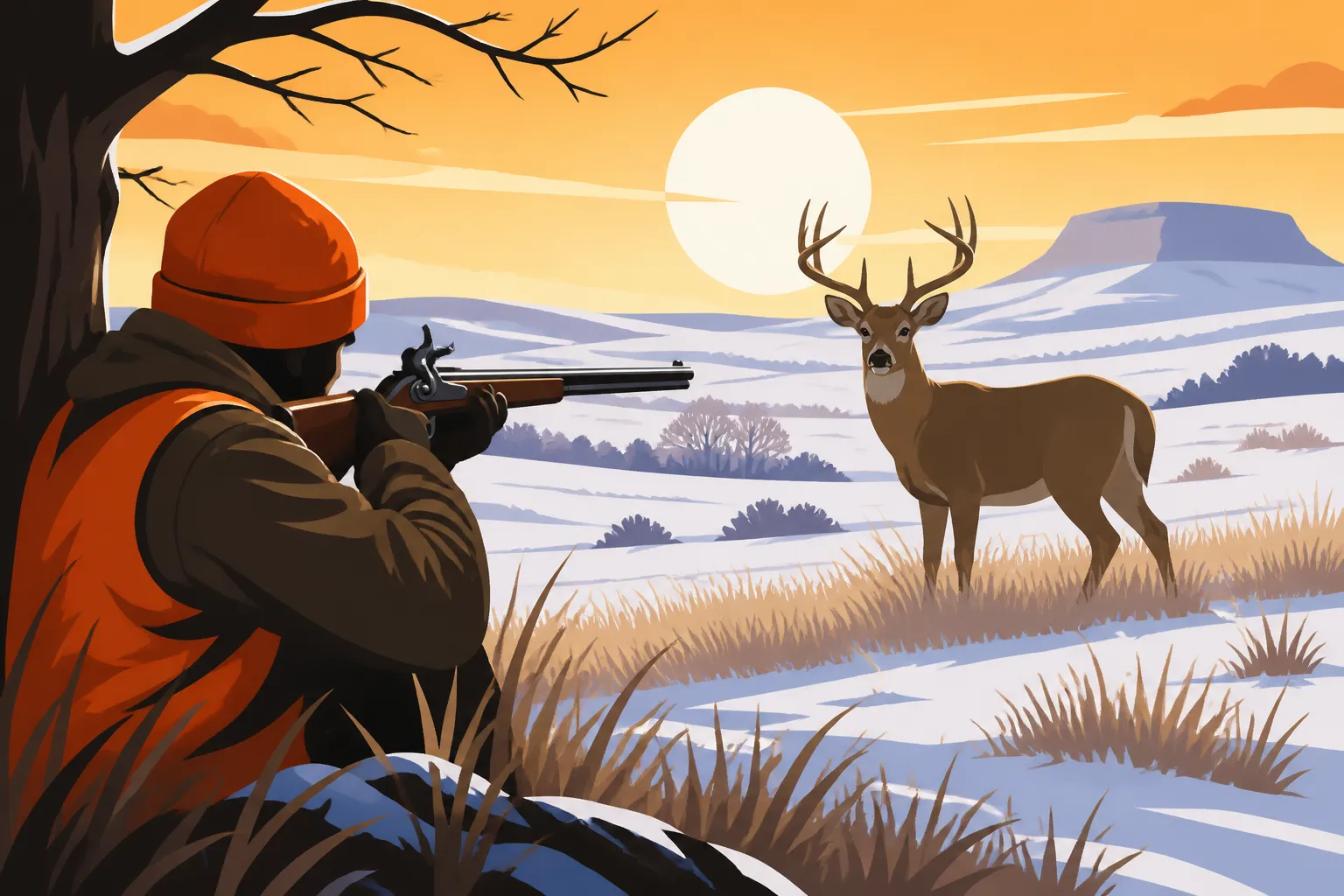
December in Nebraska brings a whole new set of challenges and opportunities for deer hunters. The firearms season has passed, the rut is mostly over, and the weather often turns downright brutal, leaving many hunters feeling like the best chances are gone. But for those dedicated enough to embrace the chill and the unique demands of a muzzleloader, this late season can be incredibly rewarding, offering a chance to fill a tag when other hunters have packed it in. This guide will walk you through everything you need to know to find success with your smoke pole during Nebraska's often frigid December muzzleloader season.
Understanding the December Muzzleloader Season
Nebraska's December muzzleloader season is a distinct opportunity, a bridge between the intense rifle season and the late antlerless hunts. It presents a quieter, more focused hunting experience, but it also demands a different approach and a solid understanding of the regulations and the deer's behavior during this challenging time of year.
Permit Specifics and Regulations
Before you even think about loading up, you need to be squared away on your permits. Nebraska offers specific muzzleloader permits, and it's absolutely crucial to ensure you have the correct one for the unit you plan to hunt. These permits typically allow for either-sex deer, giving you the flexibility to harvest a buck or a doe, which is a great option for those looking to fill the freezer after the main rut has passed. It's not uncommon for leftover permits from the earlier draw seasons to become available over-the-counter for the muzzleloader season, so keep an eye on the Nebraska Game and Parks Commission website. However, availability can vary significantly by unit, especially for the more sought-after areas. Always double-check the specific dates and bag limits for your chosen unit, as these can change year to year. You can often find detailed information about when Nebraska's muzzleloader deer season runs directly from the state's official resources.
Beyond the permit itself, there are specific regulations governing the use of muzzleloaders. Only traditional muzzleloading firearms, loaded from the muzzle, are generally permitted. This means no scopes that magnify (open sights or non-magnifying scopes are usually allowed), and specific propellant and projectile types may be required. Electronic ignition systems are often prohibited, reinforcing the traditional aspect of this hunt. These rules are in place to maintain the spirit of muzzleloader hunting as a more primitive weapon season, and it's essential to understand them completely to avoid any violations. Familiarize yourself with these details well in advance, maybe even printing out the relevant sections of the hunting guide, so there are no surprises when you’re out in the field.
Why December is Different
Hunting deer in December is a vastly different experience than chasing them during the peak of the rut or even in early archery season. The landscape itself has transformed; leaves are off the trees, exposing cover that was once thick, and snow often blankets the ground, revealing tracks and making movement both easier and harder. Deer behavior shifts dramatically too. The frenetic energy of the rut has largely subsided, and bucks are no longer recklessly chasing does. Instead, deer are in full recovery mode, focusing almost entirely on two things: finding food and conserving energy. This means their patterns become more predictable, but also more subtle. They move less, often staying bedded down for longer periods, only emerging during low light to feed.
The pressure from the nine-day November firearm season also plays a significant role in how deer behave. Any deer that survived that gauntlet will be much warier, much more nocturnal, and acutely aware of human presence. They'll seek out the thickest, nastiest cover they can find, often in places hunters are reluctant to penetrate. This makes scouting and understanding specific bedding to feeding patterns absolutely critical. Furthermore, the sheer cold of December dictates everything. Deer need to burn calories to stay warm, making consistent access to high-energy food sources paramount. A good understanding of Nebraska muzzleloader deer tactics in December will lean heavily on these environmental and behavioral changes.
The Muzzleloader Advantage
While the limitations of a muzzleloader (single shot, slower reload, restricted optics) might seem like a disadvantage, they actually create a unique hunting scenario with its own set of advantages. The single-shot nature forces a hunter to be more disciplined, making that first shot count above all else. There's no opportunity for quick follow-ups, which encourages precision and a calmer approach. This can lead to a more ethical harvest and a deeper appreciation for the shot you take. The slower reload also means less overall shooting pressure on the landscape, contributing to a quieter hunting experience.
Moreover, the December muzzleloader season typically sees far fewer hunters in the woods compared to the rifle season. This reduction in pressure can make deer more comfortable in certain areas, even on public land. The challenge of hunting with a muzzleloader also appeals to a certain type of hunter—one who enjoys the tradition, the slower pace, and the added skill required. The primitive weapon often necessitates getting closer to the animal, honing tracking and still-hunting skills in a way that modern firearms might not. This closer engagement can be incredibly satisfying, forging a deeper connection to the hunt and the land.
Gear and Setup for Cold Weather Success
Hunting in Nebraska in December means you're going to face some serious cold, possibly snow, and almost certainly wind. Your gear selection, from your muzzleloader components to your clothing, needs to be meticulously chosen and prepared to withstand these harsh conditions and keep you safe and effective in the field.
Muzzleloader Choices and Components
Choosing the right muzzleloader for December hunting is about reliability and functionality in cold, potentially wet conditions. Inline muzzleloaders, which use a 209 shotshell primer, are generally favored for their superior ignition reliability in adverse weather compared to traditional percussion or flintlock systems. The sealed breech of an inline helps protect the powder from moisture, which is a major concern when hunting in snow or freezing rain. When considering muzzleloader powder choices for December, granular black powder or black powder substitutes like Pyrodex or Triple Seven are common. Pellets offer convenience but can be more susceptible to moisture if not handled carefully.
The projectile choice is also critical. Heavier, conical bullets or saboted projectiles tend to perform well in varying conditions and offer good penetration on deer. Ensure your projectile is matched to your barrel's twist rate for optimal accuracy. Beyond the main components, think about your accessories: a reliable ramrod, a capper/de-capper tool, a spare set of nipples or breech plugs, and a quality carrying sling are non-negotiable. Many hunters find that a simple, robust muzzleloader, rather than one with too many moving parts, stands up better to the rigors of cold-weather hunting. When assembling your kit, don't forget a sturdy cleaning rod and bore brush for maintenance, as keeping your barrel clean is key to consistent accuracy.
Keeping Your Powder Dry
This cannot be stressed enough: a muzzleloader that doesn't fire is just a really heavy stick. The absolute top priority when hunting in December is keeping your powder dry and ensuring reliable ignition. Moisture is your enemy, whether it's from snow, rain, or even just condensation from temperature fluctuations. Start with a clean, well-oiled barrel and breech plug before loading. Use a good quality anti-seize compound on your breech plug threads to prevent it from seizing up in the cold and to ensure a tight seal. When you load your powder, make sure it's fresh and stored in a waterproof container until you pour it down the barrel.
After loading, a "muzzle condom" or a piece of electrical tape over the muzzle and a strip of tape over the primer pocket are cheap, effective ways to seal out moisture. Some hunters even apply a thin layer of grease or Vaseline around the primer itself for extra protection. When sitting in a blind or stand, keep your muzzleloader pointed down or protected under your clothing or a waterproof cover. Avoid resting the muzzle directly in the snow or on wet ground. If you're out for multiple days, or if conditions are particularly brutal, consider unloading your rifle each evening and reloading with fresh powder the next morning. It's a bit of extra work, but it's far better than having a misfire when that big buck finally steps out. A detailed look into loading and keeping powder dry in December can save your hunt.
Essential Cold Weather Clothing
Staying warm and dry is paramount for comfort, focus, and safety during a December muzzleloader hunt. Layering is the name of the game, allowing you to add or shed clothing as activity levels and temperatures change. Start with a moisture-wicking base layer against your skin to pull sweat away. Cotton is a definite no-go here, as it retains moisture and will make you cold the moment you stop moving. Next, a warm insulating layer, such as fleece or synthetic puffy jackets, will trap heat. For your outer shell, choose something windproof and waterproof, capable of shedding snow and blocking the biting Nebraska wind. Brands like Sitka, Kuiu, or even more budget-friendly options from Cabela's or Bass Pro Shops offer excellent options designed for hunters.
Don't neglect your extremities. A warm hat that covers your ears is essential, as a significant amount of body heat is lost through the head. Insulated, waterproof gloves or mittens are critical for keeping your hands functional, but make sure they still allow for manipulating your muzzleloader. Hand warmers are a lifesaver, especially for those long, cold sits. For your feet, high-quality, insulated, waterproof boots are non-negotiable. Look for boots with ample insulation (400-800 grams or more) and a durable rubber sole for traction on potentially icy or snowy terrain. Wool socks are highly recommended, again avoiding cotton. When planning for cold weather sitting strategy, remember that sitting still allows the cold to creep in faster, so over-dressing slightly is often better than under-dressing. Ensure your outer layer incorporates blaze orange, as required during this season, perhaps a warm orange vest over your jacket, or an Orange Requirements for Archers in November if the firearm season overlaps or follows closely.
| Item Type | Specific Item | Key Features for December |
|---|---|---|
| Base Layer | Long Underwear | Wool or synthetic, moisture-wicking |
| Mid Layer | Fleece Jacket/Pants | Insulating, breathable |
| Insulation | Puffy Jacket/Vest | Down or synthetic, packable warmth |
| Outer Shell | Parka/Pants | Windproof, waterproof, quiet fabric |
| Headwear | Insulated Beanie/Balaclava | Covers ears and neck, blaze orange option |
| Hands | Insulated Gloves/Mittens | Waterproof, dexterity for shooting |
| Feet | Insulated Boots | 800+g insulation, waterproof, good traction |
| Socks | Wool Socks | Thick, moisture-wicking, multiple pairs |
| Accessories | Hand/Foot Warmers | Chemical or rechargeable |
| Blaze Orange | Vest/Hat/Outerwear | Meets 400 square inch requirement |
Finding Deer in Late Season Nebraska
With the rut behind them and hunting pressure still a factor, late-season deer change their behavior patterns. To find success with your muzzleloader in December, you need to understand their new priorities: food, shelter, and energy conservation. This often means focusing on specific habitat types and being observant of subtle signs.
Locating Primary Food Sources
In December, a deer's world revolves around food. They need calories to generate heat and recover from the strenuous rut. This makes identifying and hunting around persistent food sources absolutely critical. Forget the acorns that were abundant in October; those are likely gone. Instead, focus on agricultural fields, specifically standing corn or soybean stubble if they haven't been fully harvested. These fields provide not only residual grain but also valuable cover. Even cut fields can offer scattered waste grain, especially if they haven't been picked clean by waterfowl or other critters.
Natural food sources also come into play. Browse, such as young woody vegetation, is a consistent offering. Look for areas with red osier dogwood, sumac, or multiflora rose thickets; deer will often nip off the tender ends. In river bottoms, honeysuckle can be a significant food source well into winter. When the snow falls, pay attention to which plants are still poking through or which have been recently browsed. Late-season food sources in Nebraska are often specific and concentrated, so thorough scouting—even if it's just driving backroads with good optics—is key. Deer will often travel significant distances from their bedding areas to reach these calorie-rich spots, creating predictable travel corridors that you can intercept.
Understanding Winter Bedding Areas
Deer in December are highly focused on conserving energy, which means their bedding choices become paramount. They seek out areas that offer maximum protection from the elements—especially biting winds and deep snow—and close proximity to food. Think thick thermal cover: dense cedar thickets, large patches of cattails in wetlands, south-facing slopes that catch more sun, or deep ravines and creek bottoms that provide a natural windbreak. In agricultural areas, unharvested standing corn or even large, dense shelterbelts can serve as bedding sanctuaries.
The ideal bedding area provides security cover, blocking sight and scent, while also offering warmth and protection. Deer will often bed on elevated spots within these thermal covers that allow them to survey their surroundings without being seen. After the general firearm season, these bedding areas often become even more compressed and utilized, as deer seek out the safest havens. When scouting, look for tracks leading into these dense areas, especially during midday. If you find multiple sets of fresh tracks entering a thicket and not many coming out, you've likely found a primary bedding area. Be cautious when approaching these spots, as deer will be highly alert. Where Nebraska whitetails bed in row-crop country might surprise you if you're not looking for the densest, often overlooked, cover.
Reading Sign in Snow
Snow transforms the hunting landscape, turning it into a giant, readable map of deer activity. Fresh snow is a gift to the late-season muzzleloader hunter. It immediately tells you what's new: fresh tracks, browse, and droppings become incredibly obvious. Focus on the size and freshness of tracks. Large, deep tracks with splayed toes generally indicate a mature deer. How much snow is in the track will tell you how recent it is – crisp edges mean very fresh, while soft, rounded edges mean older. Follow these tracks, especially if they appear to be purposeful, leading from a bedding area to a food source.
In addition to tracks, look for disturbed snow under low-hanging branches where deer have browsed, or beds in the snow, especially in thick cover. A fresh bed will show melted snow in the center, quickly refreezing around the edges if the deer has been gone for a while. Snow also reveals scrape lines along a fenceline or rubs, though these will be much less active than during the rut. Pay attention to how deer are using the terrain. Snow often highlights subtle funnels, pinch points, or crossings over fences or creeks that deer use consistently. By carefully reading the story the snow tells, you can decipher deer movement patterns and predict where they're most likely to be at different times of the day, aiding your still-hunting a snow-covered river bottom efforts.
Tactics for Muzzleloader Hunting in December
December muzzleloader hunting isn't about speed or long-range shooting; it's about patience, stealth, and calculated movements. The tactics you employ need to account for the deer's focus on survival, the single-shot nature of your weapon, and the potentially harsh weather conditions.
Still-Hunting and Tracking Strategies
Still-hunting is arguably one of the most effective tactics for muzzleloader hunting in December, especially after a fresh snowfall. This method involves moving very slowly, taking a few steps, then pausing for several minutes to scan, listen, and glass the cover ahead. The goal is not to cover ground quickly but to move through deer habitat so deliberately that you spot the deer before it spots you, or to jump a deer within effective muzzleloader range. In Nebraska's diverse terrain, from river bottoms to timbered draws, this methodical approach can be incredibly productive.
When still-hunting, always hunt into the wind, or at least with a favorable crosswind, to keep your scent from blowing ahead of you. Utilize binoculars to pick apart dense cover, looking for horizontal lines, an ear, or a patch of hide that doesn't quite match the vertical lines of trees or brush. With snow on the ground, fresh tracks become your roadmap. Follow them slowly and deliberately, understanding that a deer might be just ahead. Pay close attention to changes in direction, where a deer might stop to browse, or where it might have paused to check its backtrail. The key is to blend into the environment, move like a predator, and be ready to make a clean, ethical shot if a deer suddenly appears. This kind of careful movement is essential when still-hunting a snow-covered river bottom.
Setting Up for Success
While still-hunting is effective, sometimes the best tactic is to let the deer come to you. Strategic stand or ground blind placement can be incredibly productive, especially if you've identified key travel corridors between bedding and feeding areas. For December, consider ground blinds that offer more concealment and protection from the elements than a treestand. A well-brushed-in ground blind that blends seamlessly with its surroundings can be an absolute lifesaver on a frigid day, allowing you to stay warm and alert for longer. Make sure your blind is anchored securely, as Nebraska winds can be relentless.
When choosing a setup location, prioritize cover, wind direction, and shot opportunities. Look for pinch points, fence lines, or creek crossings that naturally funnel deer movement. Setting up on a terrace bench or along a field edge where deer might enter a standing cornfield is also a prime location. Remember, deer will be moving primarily during low light, so position yourself for optimal visibility during the first and last hours of daylight. Consider the sun's position to avoid glare and plan your entry and exit routes carefully to minimize disturbing the area. A little foresight in scouting, perhaps using mapping apps like those offered by GoHunt, can make all the difference in picking the perfect spot. Utilizing a ground blind on Nebraska public ground requires careful consideration of its placement to avoid detection.
Calling and Decoying
In December, the effectiveness of calling and decoying for deer significantly decreases compared to the rut. Bucks are no longer actively seeking does, and their responses to aggressive calls like rattling or grunt calls are minimal, if any. However, subtle calling might still yield some results in specific situations. A soft doe bleat or fawn distress call could pique the curiosity of a passing deer, especially if it's a doe or a younger buck looking for company or potential danger. Keep calls sparse and soft; loud, aggressive calls will likely just spook wary late-season deer.
Decoying is even less effective in December for bucks, but a single doe decoy strategically placed could potentially draw in other does or curious yearlings. However, the logistical challenges of deploying and retrieving a decoy in cold, potentially snowy conditions often outweigh the potential benefits. If you do choose to use a decoy, ensure it's positioned to be visible from a distance but also naturally integrated into the environment. Most successful December muzzleloader hunts rely more on stealth, scouting, and strategic positioning rather than attempting to actively lure deer with calls or decoys. Focus your energy on finding where the deer are rather than trying to make them come to you.
Navigating Public and Private Land Challenges
Nebraska offers diverse hunting opportunities, but late-season muzzleloader hunting, especially in December, comes with its own set of challenges, whether you're on public ground or trying to gain access to private land. Understanding these dynamics is crucial for success.
Scouting Pressured Public Ground
Hunting public land in December can be tough. Deer have been pressured by archery and rifle hunters for months, making them incredibly wary and often nocturnal. They learn quickly where the safe zones are and where the hunting pressure is concentrated. This means you need to be willing to work harder and walk further than most other hunters. Don't be afraid to scout areas that look thick, nasty, and uninviting—these are often precisely where the deer are hiding. Look for hidden pockets of cover, steep ravines, dense creek bottoms, or isolated cedar thickets on public tracts.
When scouting pressured public ground, rely heavily on digital mapping tools like those provided by GoHunt. These apps can show property lines, topography, and even aerial imagery that helps identify overlooked sanctuaries. Pay attention to access points and parking areas; often, the easiest-to-reach spots are the most heavily hunted. If you can, identify areas that require a longer walk or a more challenging approach. These "walk-in only" areas often hold less pressured deer. Be aware that other hunters might still be out, even in December, so always practice good etiquette and be mindful of your impact on the area. Scouting Nebraska public ground before opening day is a year-round effort that pays dividends in these tough late-season conditions.
The Importance of Private Land Access
For many Nebraska hunters, private land is where the best late-season opportunities lie. Farmers and landowners are often more receptive to allowing muzzleloader hunters after the main rifle season, especially if they have crop damage issues or want to reduce the antlerless deer population. Building relationships with landowners is key here. Start early, well before the season, by knocking on doors, introducing yourself, and offering to help with chores around the farm. Respect their property, follow their rules to the letter, and always offer to share some of your harvest.
When asking for permission, be specific about what you want to hunt (e.g., "muzzleloader deer"), which dates you're interested in, and how you plan to access their property. Emphasize your respect for their land and your commitment to safety. Always get explicit permission, and if possible, confirm it in writing or through a text message. A good relationship with a landowner can open up access to prime feeding and bedding areas that see little pressure. Remember that Nebraska's Posted-Land and Trespass Rules are strict, so never assume you have permission. If you're fortunate enough to gain access, treat it as a privilege and maintain open communication with the landowner.
Using Mapping Tools Effectively
Modern hunting has been revolutionized by digital mapping tools, and for December muzzleloader hunting, they are indispensable. Platforms like GoHunt provide satellite imagery, topographic maps, public/private land ownership overlays, and even weather data, all critical for planning your hunt. Use these tools to identify potential bedding areas (dense timber, thickets), primary food sources (standing corn, alfalfa fields), and the travel corridors that connect them. Look for natural funnels like narrow strips of timber between fields, creek drainages, or topographical changes that concentrate deer movement.
Before you even step foot in the field, you can virtually scout dozens of potential spots. Mark waypoints for potential stand or blind locations, parking areas, and planned entry/exit routes. This pre-planning minimizes your disturbance in the field and maximizes your efficiency. Many apps also work offline, which is crucial in areas with spotty cell service. Learn how to use the different layers and features. For example, the topographic layer can reveal subtle dips and rises that offer concealment or wind breaks. The public/private land layer is absolutely essential for hunting open fields and waters tracts for pheasants or deer, ensuring you stay on legal ground. By effectively using these tools, you can approach the actual hunt with a clear, well-thought-out strategy, greatly increasing your chances of success.
Field Care and Post-Harvest Considerations
Congratulations, you've successfully navigated the challenges of a December muzzleloader hunt and harvested a deer! But the work isn't over. Proper field care is crucial, especially in colder temperatures, to ensure the meat is of the highest quality. You also need to be aware of Nebraska's regulations for tagging, transport, and disease testing.
Proper Field Dressing in Cold Weather
Field dressing a deer in December often presents different challenges than in warmer early-season hunts. While the cold temperature is generally beneficial for cooling the meat quickly, it also means your hands can get painfully cold, and blood can freeze rapidly. Plan to field dress your deer as quickly as possible. This removes the internal organs, which are the primary source of heat and bacteria that spoil meat. In extremely cold conditions, the natural cooling process is expedited, which is great for meat quality.
However, don't rush to get the hide off unless you plan to quarter the animal immediately. The hide acts as an insulating layer, protecting the meat from freezing too quickly (which can cause freezer burn if not handled properly later) and from dirt or snow. If you're going to drag or sled the deer out, leave the hide on. If you're in a very remote location or need to break the animal down for easier transport, consider quartering it using the gutless method. This method leaves the gut pile intact and allows you to debone the meat away from the entrails, reducing contamination. Always bring quality field dressing knives worth carrying, and perhaps a pair of latex or nitrile gloves under your heavier work gloves to keep your hands cleaner and warmer.
Transporting Your Harvest
Nebraska has specific rules regarding the tagging and transportation of harvested deer. Immediately after the kill, you must validate your permit by cutting out the appropriate notches for the date and time of harvest. The tag must then be securely attached to the deer. Failing to do so can result in significant penalties. Make sure the tag is visible and won't get lost or damaged during transport. If you're transporting the deer in the back of a truck, it's a good idea to cover it with a tarp or game bags to keep it clean and out of public view, especially if driving through towns.
If you've quartered the animal, ensure all parts are labeled with your name, permit number, and species. This is particularly important for CWD sampling or if you cross state lines. For longer drives, especially if temperatures rise above freezing, bringing coolers and ice requirements for hauling a deer become critical, even in December. While the cold weather helps, consistent temperatures below 40°F are ideal for preventing bacterial growth. If it's a multi-day trip, consider finding a local processor or taxidermist who can hold your meat in a cooler. Getting venison home from Nebraska safely and legally is the final step in a successful hunt.
CWD Testing and Regulations
Chronic Wasting Disease (CWD) is a serious concern for deer populations in Nebraska, and hunters play a critical role in monitoring its spread. The Nebraska Game and Parks Commission often designates specific management units as CWD management zones, and mandatory or voluntary CWD sampling for hunters is usually requested or required in these areas. Be sure to check the most current regulations for your hunting unit. If sampling is required, you'll need to know where to take your deer's head for testing.
Even if not mandatory, voluntary sampling is highly encouraged. It provides valuable data to wildlife managers. Additionally, there are strict carcass transport rules out of Nebraska, especially if you plan to take your deer meat across state lines into areas that may have different CWD regulations. Generally, only deboned meat, clean skull plates (antlers), hides, and clean finished taxidermy products can be transported out of CWD zones. The brain and spinal cord, which are known to harbor the CWD prion, must be left behind. Understanding and complying with these regulations is not just about avoiding fines; it's about being a responsible hunter and contributing to the health of the deer herd.
Dealing with Unique December Weather Challenges
December in Nebraska is synonymous with cold, wind, and often snow. These aren't just inconveniences; they pose real challenges to both hunters and their equipment. Being prepared for extreme weather is critical for safety and success.
Extreme Cold and Wind Management
Nebraska's open plains and river valleys offer little protection from the relentless December winds. A moderate temperature can feel dangerously cold with a stiff breeze, drastically increasing the risk of hypothermia and frostbite. Wind-blocking outerwear for the plains is not just recommended; it's essential. Look for jackets and pants with Gore-Tex Windstopper or similar technologies that physically prevent wind from penetrating your layers. Layering strategy becomes even more critical, ensuring you have enough insulation under that windproof shell.
When planning your setup, always prioritize finding a location that offers natural wind breaks. A thick cedar draw, the lee side of a hill, or a dense shelterbelt can make a huge difference in your ability to stay on stand for extended periods. If using a ground blind, position it so the back is facing the prevailing wind. Hand warmers are your best friend, and hot drinks in an insulated thermos can provide much-needed internal warmth. Remember that cold also affects gear: batteries drain faster, and even optics can fog up. Keep spare batteries close to your body to maintain their charge, and store optics under your layers when not in use.
Hunting in Snow and Ice
Snow can be both a blessing and a curse for muzzleloader hunters. A fresh, light snowfall can make tracking easy and quiet your footsteps, revealing every movement a deer makes. However, heavy snow can make travel incredibly difficult, especially off-trail. Deep snow tires out both hunter and dog quickly, and it can hide obstacles like fallen logs or holes. Ice, whether on trails, standing water, or even on gun parts, presents its own set of hazards. Always wear insulated boots for a firearm season sit that provide excellent traction, and consider bringing traction aids like microspikes if you anticipate icy conditions, especially in hilly terrain like the Pine Ridge.
When hunting in snowy conditions, be mindful of your rifle's performance. Snow can quickly accumulate in the barrel, creating a dangerous obstruction. Always cap your muzzle, and check it frequently. Snow can also get into the action or prime pocket, leading to misfires. If you're still-hunting, use the snow to your advantage by moving slowly and quietly. The crunch of dry snow can be loud, so try to time your movements with gusts of wind. In very deep snow, deer movement will be restricted to established trails, making those trails prime locations to intercept them. Remember, deer yard up in a Nebraska winter, concentrating in areas of dense thermal cover to escape the worst of the weather.
Safety in Winter Conditions
Winter hunting safety goes beyond firearm handling. The cold itself is a serious threat. Always tell someone where you are going and when you expect to return. Carry a fully charged cell phone (with a power bank, as batteries drain quickly in cold). Pack an emergency kit that includes fire starters, a space blanket, extra warm layers, high-calorie snacks, and a first-aid kit. Dehydration is still a risk, even in cold weather, so carry water and drink regularly.
Be aware of changing weather forecasts. Nebraska weather can be unpredictable, and a clear morning can quickly turn into a blizzard. Know your limits. If you start to shiver uncontrollably, feel disoriented, or experience numbness in your extremities, it's time to head back to the truck. Getting a deer out of a Nebraska Sandhills basin or a snow-covered river bottom can be incredibly physically demanding; don't attempt to do more than you're capable of, especially alone. If you do harvest an animal, plan your extraction carefully and don't hesitate to call for help if needed. Your safety is always the priority.
Ethical Hunting and Safety Practices
Muzzleloader hunting, particularly in the challenging conditions of December, demands the highest standards of ethical behavior and unwavering commitment to safety. Respect for the animal, the land, and your fellow hunters must always guide your actions.
Shot Placement and Follow-Up
With a single-shot muzzleloader, precision is paramount. Your ethical responsibility to the animal dictates that you strive for a quick, clean kill. This means taking only high-percentage shots at deer that are within your effective range and presenting a clear, unobstructed vitals shot. Resist the urge to take a risky shot at a running deer or one obscured by brush. Practice extensively with your muzzleloader before the season to understand its capabilities and your own limitations. Know your maximum ethical range, which for most muzzleloaders is significantly shorter than a modern rifle, especially with open sights.
Even with a perfect shot, always assume a wounded animal and follow up diligently. After the shot, reload your muzzleloader immediately, if safe to do so. Then, observe the deer's reaction. Did it kick, stumble, or run off? Mark the exact spot where the deer was standing when you shot, and where you last saw it. Wait at least 20-30 minutes for a good shot, or an hour or more for a questionable shot, before beginning your blood trailing after dark in Nebraska. If there's snow, a blood trail will be easier to follow, but don't get complacent. Take your time, look for disturbed snow, tracks, and blood. If you lose the trail, expand your search pattern in concentric circles or grid patterns. A responsible hunter never gives up on a wounded animal.
Knowing Your Limits and the Animal's
Hunting is about making responsible choices. This applies to your personal physical limits, your shooting ability, and your understanding of the animal you're pursuing. In December, the cold and demanding terrain can push you. Don't overextend yourself. If you're physically exhausted or shivering uncontrollably, your judgment and accuracy will suffer. Recognize when it's time to take a break or head back to camp.
Similarly, understand the animal's limits. A deer in December is likely stressed from the rut and the colder weather. Minimize unnecessary disturbance, especially around bedding areas. If you encounter a group of deer, observe them from a distance before making a move. When you do take a shot, make it count. Respect the animal's resilience and its instinct to survive. Ethical hunting means not just following the law but also upholding a personal code of conduct that honors the wildlife we pursue.
Safe Muzzleloader Handling
Muzzleloaders require particular attention to safety due to their loading process and distinct firing mechanisms. Always treat your muzzleloader as if it's loaded. Keep the muzzle pointed in a safe direction, and your finger off the trigger until you're ready to shoot. Be absolutely certain of your target and what is beyond it, as muzzleloader projectiles can travel significant distances. When loading, ensure you are using the correct powder type and charge weight, and that your projectile is properly seated. Double-loading a muzzleloader is extremely dangerous and can lead to catastrophic failure. Use a ramrod mark or other method to confirm the projectile is seated firmly against the powder.
Never attempt to clear a misfire or hangfire by immediately opening the breech or looking down the barrel. Muzzleloaders can have delayed ignitions (hangfires), so always wait a full 30 to 60 seconds, keeping the gun pointed in a safe direction, before attempting to clear it. When unloading, always follow safe procedures, whether that's firing into a safe backstop or using a dedicated de-capping tool to remove the primer and then carefully removing the powder and bullet. Even in the field, wearing blaze orange and practicing fundamental firearm safety are paramount, ensuring a safe hunt for yourself and everyone else in the woods.
Disclaimer
Please remember that hunting regulations and seasons can change. Always consult the official Nebraska Game and Parks Commission regulations prior to any hunting activity. This guide is for informational purposes only and does not supersede state or federal laws.