Sharptail Lek Behaviour in Spring
For those of us who spend our days dreaming of the Nebraska outdoors, there's a unique and sometimes elusive spectacle that happens every spring: the sharp-tailed grouse lek. It can be incredibly frustrating trying to pinpoint where these birds gather, especially in Nebraska's vast grasslands, but understanding their behavior can open up a whole new world of appreciation for these incredible prairie dancers and provide crucial insights for conservation. This guide will help you understand what a lek is, where and when to look for them in Nebraska, and how to ethically observe this fascinating natural phenomenon.
The Springtime Stage: What Exactly is a Sharptail Lek?
Imagine a dance-off, but with feathers, intricate footwork, and a whole lot of booming and cooing before the sun even thinks about rising. That, in essence, is a lek. It's not exclusive to sharp-tailed grouse, but for those of us who cherish Nebraska's wild spaces, witnessing a sharptail lek is truly a bucket-list experience. These communal breeding grounds are where male grouse gather to perform elaborate courtship rituals, all with the singular goal of attracting a mate. It's a high-stakes game of display, dominance, and sometimes, a little bit of drama.
Why Sharptails Lek: A Mating Ritual of the Prairie
The driving force behind the lek is reproduction. In the sharp-tailed grouse world, the females visit the lek to choose a mate, but the males do all the heavy lifting in terms of showing off. They congregate in specific, open areas, often slight rises or knolls, which serve as their stage. The lek system means that only a few dominant males will do most of the breeding, making their displays all the more intense and competitive. It’s a natural selection process playing out right before your eyes, a testament to the wild spirit of the prairie.
The Unique Sights and Sounds of the Sharptail Dance
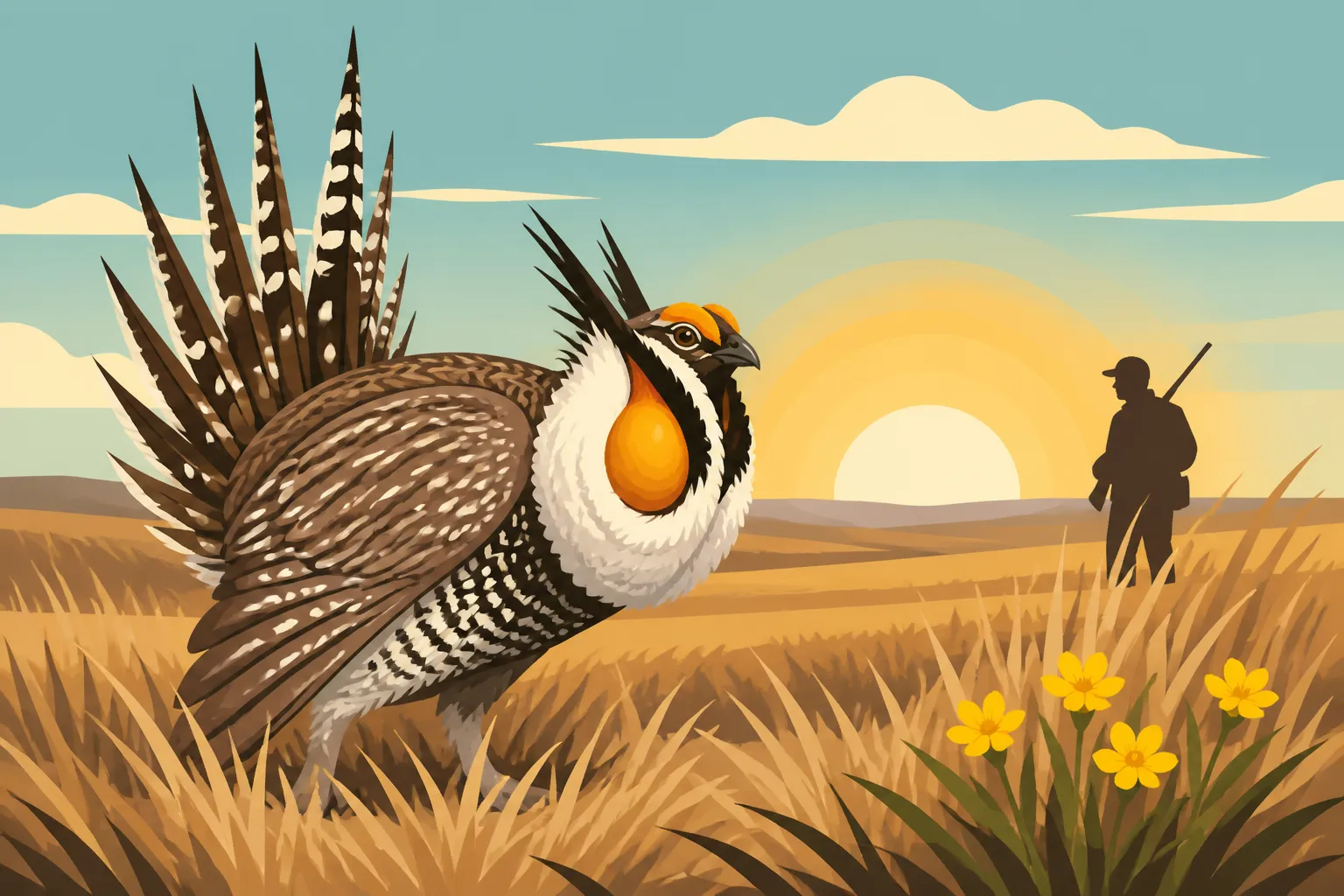
When you're observing a sharptail lek, you're not just seeing birds; you're witnessing an ancient performance. The males perform their distinctive "dance," characterized by rapid foot-stomping, much like a tiny drum solo on the prairie floor. As they dance, they inflate air sacs on their neck, called gular sacs, which are usually purplish and become quite prominent. They spread their tails, showcasing their white outer tail feathers and distinctive pinnae (pointed feather tufts on their head). Each display is punctuated by a series of cooing calls and booming sounds, audible from quite a distance, especially in the still pre-dawn air. The combination of these visual and auditory elements creates an unforgettable experience, a true symphony of the Sandhills.
Finding the Dance Floor: Timing and Location of Sharptail Leks in Nebraska
Pinpointing an active sharptail lek isn't always easy, and it definitely requires a bit of dedication and timing. Nebraska's landscape is vast, and these birds can be incredibly particular about their preferred dance spots. But with a bit of savvy, and maybe some help from modern tools, you can significantly increase your chances of witnessing this incredible natural spectacle.
When and Where to Look: The Season and Habitat
The prime time to observe sharptail leks in Nebraska is early spring, typically from late March through April, and sometimes into early May. This is when the breeding urge is strongest, and the males are most active in their displays. The best time of day to catch them is just before sunrise, peaking as the sun climbs over the horizon, and again in the late evening as the day fades. In Nebraska, the heart of sharptail country lies primarily in the Sandhills and other expansive grassland regions, particularly those with a mix of short-grass and slightly taller cover nearby for roosting and security. These birds thrive in intact prairie ecosystems, preferring areas with minimal human disturbance. You can find their range detailed in posts like Sharp-Tailed Grouse Range in Nebraska.
The Challenge of Vastness and How to Scout
One of the biggest frustrations for those hoping to find a lek is the sheer size of the Nebraska landscape. It's not like walking into a small woodlot and finding a deer stand. You're often talking about thousands of acres of rolling grasslands. This is where dedicated scouting, often with binoculars and a spotting scope, becomes essential. You're looking for subtle rises, areas with shorter grass, or even slight plateaus on hillsides that offer good visibility for the displaying males.
Using mapping tools can be a game-changer here. I've found that leveraging features in platforms like GoHunt that show land ownership and topographical maps can help you identify potential public access points or suitable habitat features within designated grouse areas. Before you even set foot out the door, you can use these resources to narrow down vast tracts of land, making your on-the-ground scouting much more efficient. Always remember to respect private property boundaries; if you're ever in doubt, tools like GoHunt can clearly delineate public and private land, preventing accidental trespass. For detailed information on public access, refer to Reading the Nebraska Public Access Atlas.
| Habitat Feature | Likelihood of Lek | Scouting Tip |
|---|---|---|
| Rolling hills | High | Focus on subtle crests and gentle slopes |
| Short-grass prairie | High | Look for areas with sparse, open vegetation |
| Nearby tall grass | Moderate | Provides cover for hens and roosting birds |
| Elevated areas | High | Good visibility for males, better sound travel |
| Sparse brush | Low | Sharptails prefer open ground for dancing |
The Performance Unfolds: Observing Sharptail Lek Behaviour
Once you've managed to locate a lek – a feat in itself – the real magic begins. Observing sharptail lek behavior requires patience, respect, and a good understanding of what you're looking for. It's not just about seeing birds, but about understanding the intricate social dynamics playing out before you.
Male Displays: The Heart of the Lek
When you arrive at a lek, typically well before dawn, you'll first hear them. The soft booming and cooing will gradually intensify as the sky lightens. Then, you'll start to see the males: inflating those purplish air sacs, fanning their tails, and engaging in their rapid foot-stomping dance. They puff themselves up, charge at rivals, and sometimes even jump into the air, wings beating rapidly. Each male establishes a small territory within the lek, and disputes over these territories are common, often involving short, intense skirmishes. These displays are vital for attracting the females. It’s an exhausting performance, but critical for their reproductive success.
Female Observations: The Discerning Audience
While the males are all flash and fervor, the females are typically much more subtle. They will approach the lek quietly, often alone or in small groups, observing the males from the periphery before moving into the core. Their role is to assess the male displays and choose a mate. You'll notice they don't participate in the dancing or booming; they are the discerning audience, critically evaluating the vigor, health, and dominance of the performing males. Once a female selects a mate, copulation occurs, and she will then leave the lek to nest elsewhere. Understanding these dynamics truly enriches the experience of seeing them. For comparison, you might be interested in the behavior described in Greater Prairie-Chicken Range in Nebraska, as their lekking shares some similarities but also distinct differences.
Ethical Viewing Practices: Respecting Their Space
Observing a lek is a privilege, and it’s paramount to do so ethically to avoid disturbing the birds. First and foremost, arrive early and be hidden. A ground blind or a vehicle parked well away from the lek at a safe distance (often 100-200 yards or more) is ideal. Use binoculars and spotting scopes to get close-up views without intruding. Stay quiet and minimize movement. Any sudden noise or appearance can scare the birds off, disrupting their crucial breeding activity. It's best to stay for the duration of their peak activity and then leave quietly once they begin to disperse. Remember, this is their critical time for reproduction, and our presence should never jeopardize that. If you're planning a trip that might include hunting later in the year, understanding their natural movements now can be helpful when you are Walking Nebraska Sandhills Meadows for Sharptails.
Beyond the Show: Why Lek Behaviour Matters for Sharptail Conservation
While observing a sharptail lek is an incredible personal experience, the activity itself holds profound significance for the long-term health and management of these iconic prairie birds. What happens on the lekking grounds directly informs conservation strategies and helps us understand the broader ecological picture of Nebraska’s grasslands.
Population Indicators: What Lek Counts Tell Us
For wildlife agencies like Nebraska Game and Parks, lek counts are one of the most critical tools for monitoring sharp-tailed grouse populations. By counting the number of displaying males on active leks each spring, biologists can get an estimate of the overall population trend. An increase in active leks and displaying males is a good sign for the species, while a decline can signal problems with habitat, disease, or other environmental stressors. These counts are a fundamental part of how wildlife managers How Game and Parks Counts Wildlife and make informed decisions about hunting seasons and habitat improvement projects. Without this annual data, our understanding of sharptail health would be significantly diminished.
Habitat Health: A Mirror of the Grasslands
The presence of active sharptail leks is a strong indicator of healthy, intact grassland ecosystems. Sharp-tailed grouse are dependent on large expanses of native prairie, and their leks are often found in areas that have been well-managed, perhaps with prescribed burns or grazing regimes that mimic natural processes. A vibrant lek signals that the surrounding habitat can support not only the breeding activity but also nesting, brooding, and winter survival. Conversely, the absence of leks or their decline in certain areas can point to habitat degradation, fragmentation, or encroachment by invasive species. Protecting these leks means protecting the prairie itself, benefiting countless other species that call these grasslands home. This understanding also informs strategies for Prairie Grouse Hunting on Nebraska's Open Range by highlighting key areas for conservation.
Threats to Leks: Preserving Their Future
Despite the resilience of sharp-tailed grouse, their leks face various threats. Habitat loss due to conversion of grasslands to row crops, improper grazing practices, or energy development can directly destroy lek sites or fragment the surrounding habitat that birds need to survive. Human disturbance, even unintentional, can also stress birds during this critical time. Understanding these threats allows conservationists and hunters alike to advocate for policies and practices that protect these vital areas. Using mapping tools like GoHunt, for instance, can help identify large, contiguous blocks of suitable habitat, allowing for a proactive approach to conservation planning and potential acquisition or enrollment in programs like Nebraska's Open Fields and Waters Program, which can offer more accessible land for both observation and responsible hunting. It’s a collective effort to ensure that the timeless dance of the sharp-tailed grouse continues for generations to come.
Disclaimer
This article is for general informational purposes only and does not constitute professional advice. Laws, prices and regulations vary by location and change over time. Consult a qualified professional for guidance on your specific situation.