Merritt Reservoir Area Access
Trying to figure out where you can legally hunt around Merritt Reservoir can feel like solving a puzzle in the middle of a vast, beautiful wilderness. It's not always clear-cut, especially with mixed private and public land, and it can be frustrating to drive all that way only to find yourself without a solid plan. This guide will walk you through accessing this fantastic hunting area, covering everything from wildlife management areas to school trust lands and how to use modern tools to find your way.
Understanding the Merritt Reservoir Landscape
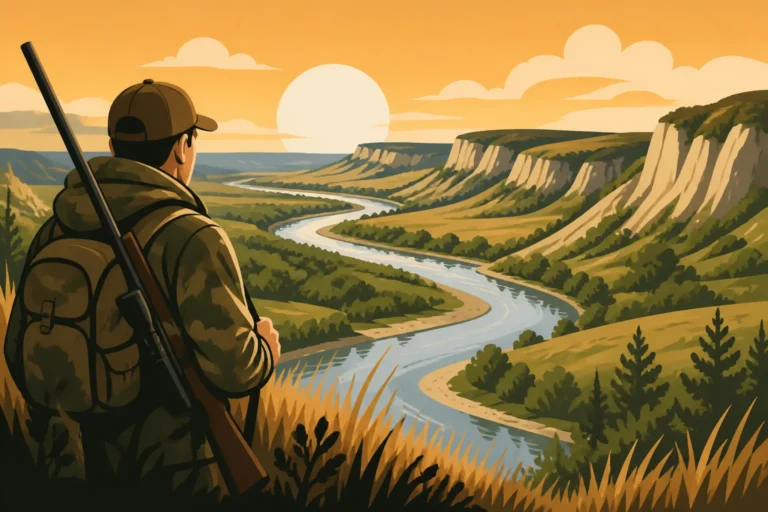
Merritt Reservoir, nestled deep in the Nebraska Sandhills, is a truly special place for hunters. It's not just a body of water; it's a hub for diverse ecosystems that support a wide array of game species. The landscape here is characterized by rolling sand dunes, interspersed with wet meadows, deep canyons, and scattered timber, primarily cottonwoods and cedars. This unique topography creates incredible habitat, but it also presents significant challenges for hunters trying to understand where they can legally step foot.
The blend of private ranchland and public access areas can be a real headache. You might see a promising draw or a thicket of cedars, only to realize it's private land without permission, or worse, you might inadvertently trespass. This checkerboard pattern means that relying solely on general maps or assumptions is a recipe for frustration. Understanding the lay of the land, and more importantly, the legal boundaries, is paramount to a successful and ethical hunt in this region. This intricate blend of terrain and ownership makes scouting crucial, not just for game, but for access itself.
The Unique Hunting Opportunities of the Sandhills
The Sandhills are a gem in Nebraska, offering some of the most remote and wild hunting experiences in the state. Around Merritt Reservoir, you'll find excellent opportunities for white-tailed deer, mule deer, and even a chance at pronghorn antelope. The reservoir itself attracts a variety of waterfowl, making it a hot spot for duck and goose hunting, especially during migration. Upland birds like pheasants and grouse also call the surrounding grasslands home.
What makes hunting here so special is the vastness and the challenge. It’s not uncommon to spend an entire day walking the dunes, using binoculars to pick apart distant cedar pockets or scanning the horizon for moving game. The quiet solitude is a stark contrast to more heavily pressured areas. However, this isolation also means you need to be self-sufficient and well-prepared, as amenities and cell service can be spotty. When you're out there, you quickly learn to appreciate the subtle shifts in wind and thermals that can make or break a stalk in this open country. For more on navigating this unique terrain, check out Hunting the Nebraska Sandhills.
Navigating Mixed Ownership: Private vs. Public
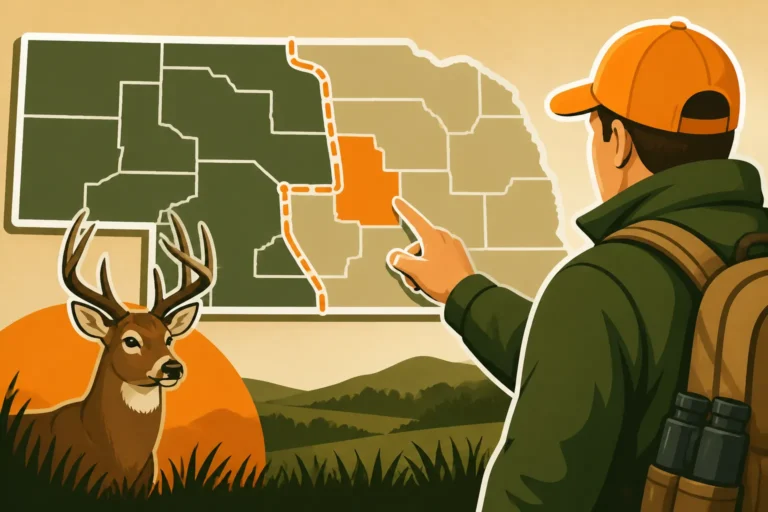
The biggest hurdle for many hunters around Merritt is distinguishing private property from public access. The Sandhills, by nature, are largely private ranchland, but significant public tracts exist, often managed by the Nebraska Game and Parks Commission (NGPC) or designated through programs like Open Fields and Waters. Without a clear understanding of these boundaries, you risk trespassing, which can not only ruin your hunt but also damage hunter-landowner relations in an area where goodwill is vital.
It’s not always obvious where the lines are drawn. A fence line might not necessarily delineate property, and sometimes the only marker is a sign, or lack thereof. This makes pre-hunt scouting and reliable mapping tools absolutely essential. Local knowledge can also be invaluable, so don't be afraid to strike up a friendly conversation with folks at local diners or gas stations. However, always verify information with official maps and apps to ensure you're on legal ground.
Public Access Points Around Merritt Reservoir
Merritt Reservoir is surrounded by various forms of public access that hunters can utilize. These include dedicated Wildlife Management Areas (WMAs), lands enrolled in the Open Fields and Waters (OFW) program, and even some School Trust Lands. Each type of access comes with its own set of regulations and characteristics, so understanding the nuances is crucial for planning your hunt.
It's tempting to just drive around and look for "Public Hunting" signs, but a more strategic approach will save you time and greatly increase your chances of finding huntable ground. Many of these areas are specifically managed to enhance wildlife habitat, meaning they often hold higher concentrations of game than surrounding private lands. Knowing where these pockets are and how to access them is the key to unlocking the Merritt Reservoir hunting experience.
Wildlife Management Areas (WMAs)
The area immediately surrounding Merritt Reservoir is home to the Merritt Reservoir Wildlife Management Area. These WMAs are managed by the NGPC with wildlife conservation and public recreation, including hunting, as primary goals. These areas are usually well-signed and can offer excellent opportunities for deer, upland birds, and waterfowl, depending on the specific habitat present.
Merritt WMA itself encompasses a wide variety of habitats, from grasslands and cedar draws to river bottoms along the Snake River, which feeds into the reservoir. Access within WMAs is generally well-defined, with designated parking areas and sometimes two-track trails. However, vehicle access is often restricted to maintain the wild character of the area and prevent habitat degradation, meaning you'll likely be doing a good bit of walking. Always check the specific rules for the WMA you plan to hunt, as some might have special regulations regarding ATVs, camping, or target shooting. You can find more general information about these public areas in Nebraska Wildlife Management Areas.
Open Fields and Waters (OFW) Program Lands
The Open Fields and Waters program is a fantastic initiative that leases private land for public hunting access. These tracts are often strategically located to provide access to prime habitat or to connect existing public lands. While not directly adjacent to the reservoir itself in all cases, many OFW tracts can be found in the broader Sandhills region surrounding Merritt, offering additional opportunities.
OFW lands are typically marked with distinctive yellow signs. It's critical to note that these are walk-in only areas, meaning no vehicles are permitted beyond designated parking spots. The specific types of habitat on OFW tracts vary greatly, from crop stubble and grasslands to wetland areas, so always consult the Public Access Atlas for details. These leases can change from year to year, so it's always wise to get the most current information before heading out. The Nebraska Public Access Atlas is your best friend for pinpointing these valuable areas.
Nebraska School Trust Lands
Another source of public access in Nebraska, particularly in the Sandhills, comes from School Trust Lands. These are parcels of land, often sections (640 acres), that were granted to the state by the federal government to generate revenue for public education. In many cases, these lands are open to public hunting and fishing unless they are explicitly posted otherwise.
Around Merritt, you might encounter these sections, often intermingled with private property. The challenge with School Trust Lands is that they are not always marked as clearly as WMAs or OFW tracts, and sometimes access can be tricky if they are surrounded by private land. This is where a robust mapping application like onX Hunt becomes indispensable. With the public land layers, you can clearly see these School Trust Lands, understand their boundaries, and plan legal entry and exit routes. It's truly a game-changer for navigating complex ownership patterns. For more on these, refer to Nebraska School Trust Land Hunting.
Here's a quick comparison of these public access types:
| Access Type | Management Body | Signage | Typical Access | Key Consideration |
|---|---|---|---|---|
| Wildlife Management Areas (WMA) | NE Game & Parks Commission | Clear WMA signs | Designated parking, walk-in | Specific WMA rules, vehicle restrictions |
| Open Fields and Waters (OFW) | NE Game & Parks Commission | Yellow OFW signs | Walk-in only | Annual changes, designated parking only |
| School Trust Lands | State of Nebraska (Board of Educational Lands and Funds) | Often unmarked, unless closed | Check map for legal entry/exit | Subject to posting, use mapping apps for boundaries |
Practical Considerations for Hunting Merritt
Hunting around Merritt Reservoir isn't your typical walk-in-the-park experience. The Sandhills terrain demands respect, preparation, and a healthy dose of realistic expectations. From the soft, shifting sand underfoot to the unpredictable weather, there are several practical aspects every hunter needs to consider before venturing out. Ignoring these can quickly turn an exciting hunt into a challenging, and potentially dangerous, ordeal.
One of the biggest frustrations can be underestimating the sheer physical effort required. What looks like a short walk on a map can become an exhausting trek across soft sand and up and down rolling dunes. Beyond the physical, understanding the local conditions, from vehicle access to how wildlife uses the habitat, is crucial for both success and safety.
Navigating the Sandhills Terrain
The Sandhills are beautiful, but they are also rugged. The ground underfoot is predominantly sand, which can be surprisingly soft and energy-sapping, especially during a long walk. You'll encounter steep blowouts, rolling hills, and marshy lowlands, often within the same quarter-section. Choosing the right footwear is absolutely vital; you need boots that offer good ankle support and traction, but aren't so stiff they cause blisters on long, uneven treks. Think about what you'd wear if you were hiking a beach all day, but with extra consideration for thorns and rough vegetation. Boots for Walking Nebraska Grass and Sand offers great advice on this.
Vehicle access within WMAs and on many two-track roads can also be challenging. It's easy to get stuck in soft sand, even with a four-wheel-drive vehicle. Be prepared with recovery gear like a shovel, traction boards, and a tow strap, and always let someone know where you're going and when you expect to return. Sometimes, it's smarter to park further out and commit to a longer walk than to risk getting your truck buried miles from help.
Effective Scouting and Mapping Tools
In a region as vast and varied as Merritt, effective scouting is paramount. While nothing beats boots on the ground, modern technology can drastically cut down on wasted time and effort. This is where applications like onX Hunt and even GoHunt come into their own. They allow you to overlay public and private land boundaries, identify different habitat types, mark potential game trails or bedding areas, and plan your entry and exit routes.
Before you even leave home, use these tools to study satellite imagery. Look for changes in elevation, water sources, thick cover, and pinch points where deer might travel. You can mark waypoints for blinds or stand locations, and even track your movements in the field to avoid getting lost. Having these maps downloaded for offline use is crucial, as cell service is often nonexistent in the more remote parts of the Sandhills. Using a mapping app can help you identify areas away from obvious access points, increasing your chances of finding less pressured game. Consider scouting during the off-season to learn the land without the pressure of a hunt.
Respecting the Land and Other Users
Hunting around Merritt Reservoir is a privilege, and it’s important to treat the land, wildlife, and fellow outdoor enthusiasts with respect. This means packing out everything you pack in, and perhaps even picking up a piece of trash you find along the way. Leave no trace. It also means being mindful of other hunters, especially during busy seasons. Shared public land requires courtesy and consideration.
If you are lucky enough to gain private land access, treat it like gold. Ask permission well in advance, understand any specific rules the landowner has, and always follow up with a thank-you. A small gesture, like offering to help with a chore or sharing some wild game, can go a long way in building goodwill and securing future access. Remember, the actions of one hunter can impact access for everyone, so let's all strive to be good stewards.
Permits, Regulations, and Local Considerations
Before you even think about packing your gear for a Merritt Reservoir hunt, it's absolutely essential to be squared away on all the necessary permits and regulations. Nebraska has specific rules for different game species, seasons, and hunting methods, and failing to comply can lead to fines, permit revocation, and a very disheartening end to your trip. Beyond permits, there are also unique local considerations that will influence how you approach your hunt.
The state's hunting laws are designed to manage wildlife populations responsibly and ensure fair chase. While they might seem like a bureaucratic maze sometimes, they are in place for a good reason. Take the time to understand them fully. It’s far better to spend an hour reading the regulations guide than to face a conservation officer with an accidental violation.
Required Permits and Licenses
To hunt legally in Nebraska, you'll need a current Nebraska hunting permit and a Habitat Stamp. If you're planning to hunt deer, you'll need the appropriate deer permit for the unit you intend to hunt. For example, a Statewide Whitetail Buck permit or an Any-Deer permit for the Sandhills Unit might be applicable. If waterfowl is your game, you'll need a Nebraska migratory bird stamp and a federal duck stamp, in addition to your HIP registration.
Permits can be purchased online through the Nebraska Game and Parks Commission website. It's wise to buy them well in advance, especially if you're a nonresident, as some permits, like nonresident turkey tags, can sell out quickly. Always carry your permits and any required endorsements with you while hunting. For a detailed breakdown of permit types, check out Nebraska Big Game Permits and How to Get One and Nebraska Antelope Permits and Seasons.
Specific Regulations for the Merritt Area
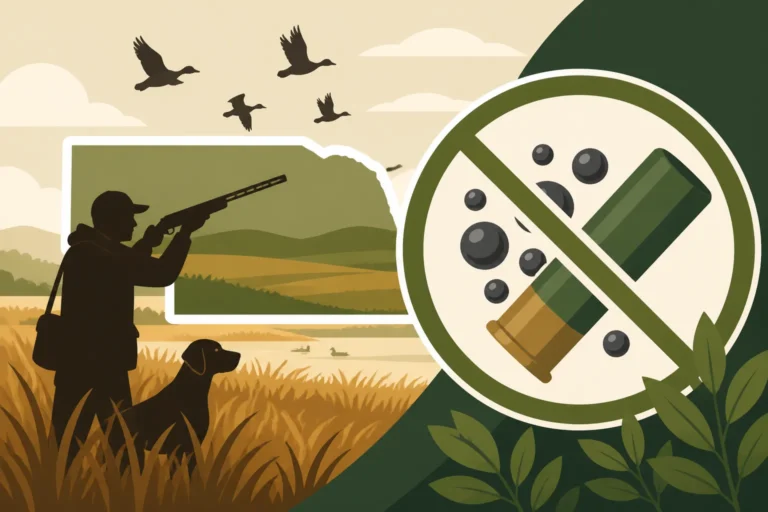
While general statewide regulations apply, there might be specific rules unique to the Merritt Reservoir Wildlife Management Area or certain OFW tracts. For instance, some areas might have restrictions on certain types of firearms, or specific shooting hours. Waterfowl hunters need to be particularly aware of blind restrictions, nontoxic shot requirements, and any refuge areas that are closed to hunting.
Always consult the current Nebraska Public Access Atlas and the official hunting guide for the specific year you plan to hunt. These resources will provide the most up-to-date information on boundaries, permitted activities, and any temporary closures. Paying attention to details like Orange Requirements for Archers in November if you plan to bowhunt during the firearm season, or Nontoxic Shot Rules on Nebraska WMAs for bird hunting, can prevent an unintended infraction.
Waterfowl Hunting Considerations
Merritt Reservoir is a magnet for waterfowl, especially during the fall migration. Hunting ducks and geese here can be incredibly rewarding, but it comes with its own set of challenges and rules. The large open water means you'll need decoys, and often a boat or kayak to set them effectively. Layout blinds are popular for field hunting geese in harvested cornfields surrounding the area.
Weather plays a huge role in waterfowl hunting success. High winds can make decoy spreads challenging to manage, and bitter cold requires specialized gear to stay warm and dry. Remember, federal regulations on migratory birds are also in play, so be aware of bag limits, shooting hours, and gun capacity restrictions. The Rainwater Basin area, while not directly Merritt, offers similar challenges and opportunities for waterfowl hunters, and understanding tactics like Decoy Spreads for Rainwater Basin Geese can be helpful.
Disclaimer
This article is for general informational purposes only and does not constitute professional advice. Laws, prices and regulations vary by location and change over time. Consult a qualified professional for guidance on your specific situation.