Decoying a Rutting Pronghorn Buck
Pronghorn decoying strategies during the Nebraska rut explain how hunters challenge territorial bucks using decoys and behavior cues.
Close the distance.
Archery, muzzleloader, and firearm techniques — calling, stand placement, still-hunting, spot-and-stalk, and the weapon rules that change at the state line.
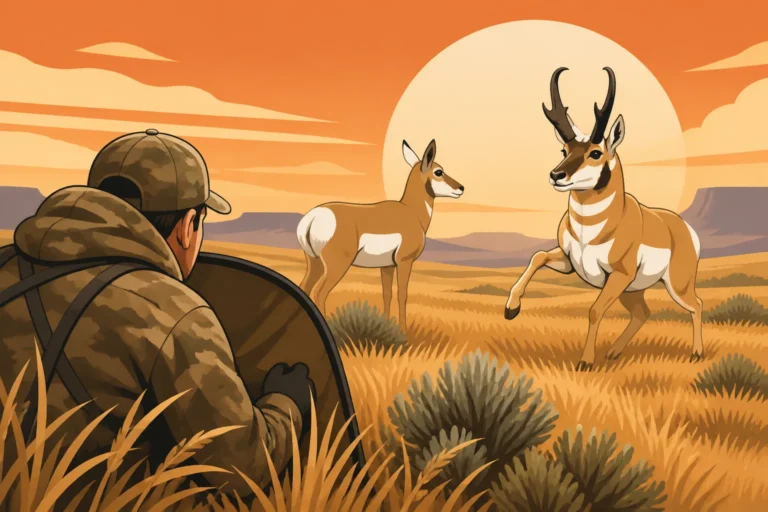
Pronghorn decoying strategies during the Nebraska rut explain how hunters challenge territorial bucks using decoys and behavior cues.

Nebraska pronghorn hydration habits and peak watering times during hot weather help hunters predict animal movements around stock tanks.

Nebraska archery antelope hunting from water blinds helps bowhunters overcome pronghorn eyesight during hot, dry weather conditions.
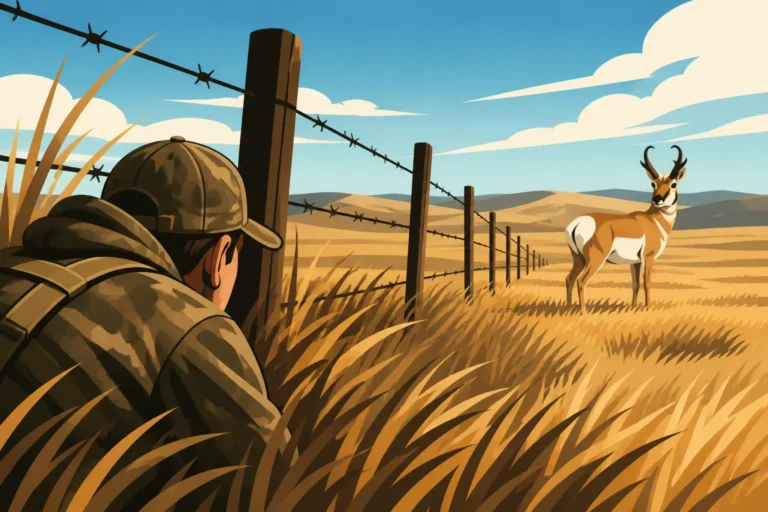
Nebraska antelope hunting strategy using fence lines explains how pronghorn crawl under wire and reveals active crossing points.
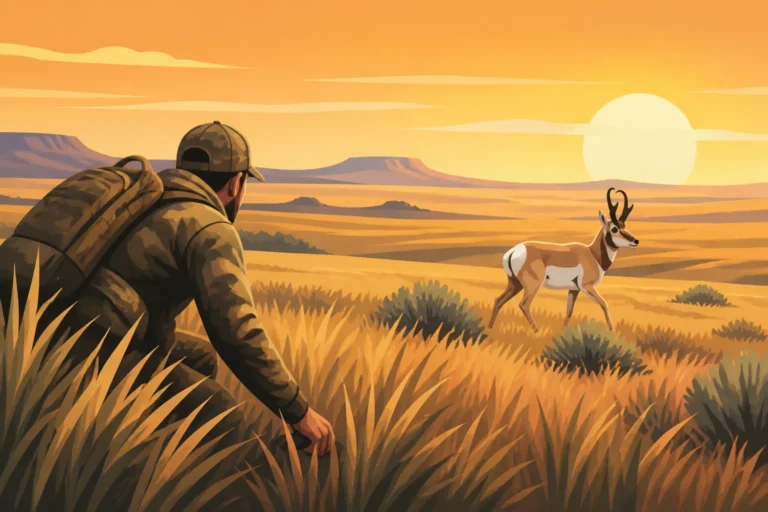
Nebraska pronghorn stalking methods use terrain features and wind direction to close distance on animals with eight power vision.
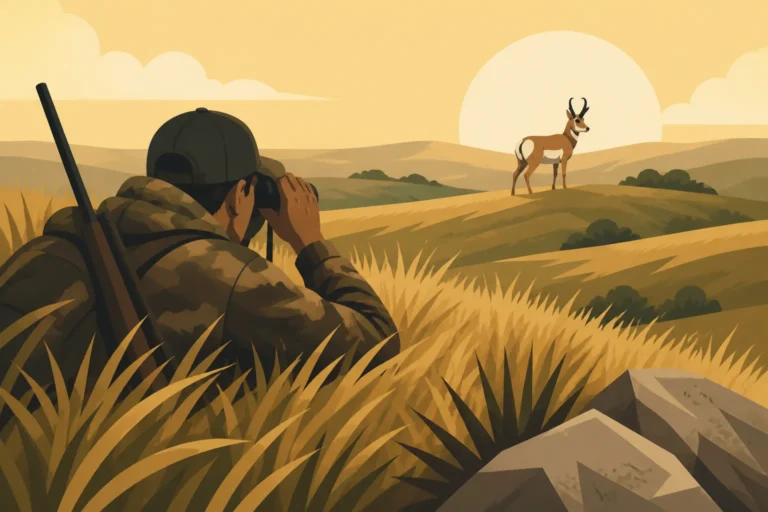
Spot-and-stalk tactics for mule deer and pronghorn hunting across the public land and badlands of the Oglala National Grassland.
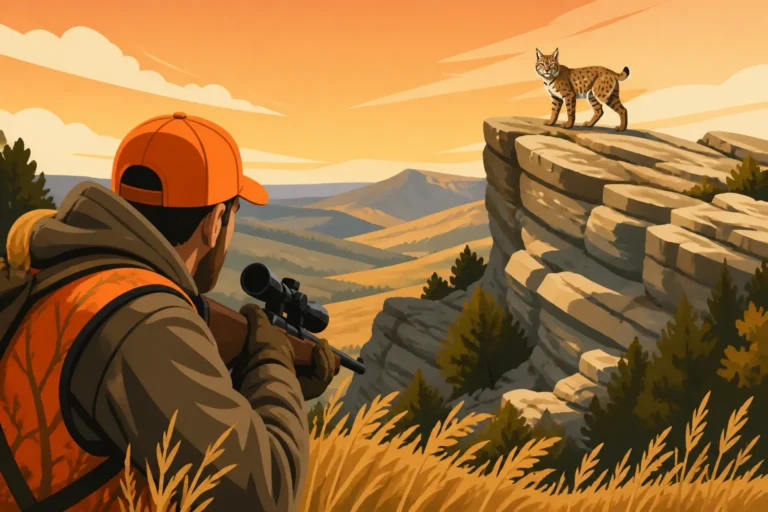
Nebraska deer hunting in the Wildcat Hills Rimrock requires specific strategies for navigating canyons, bluffs, and pine forests.
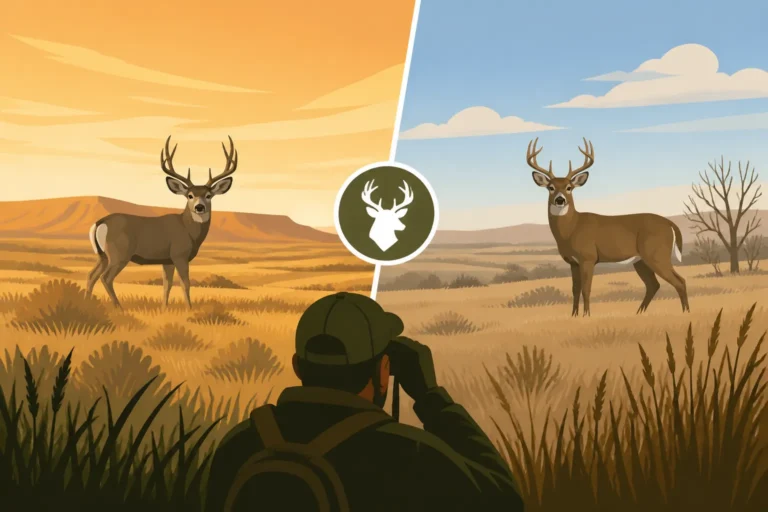
Mule deer and whitetail identification in Nebraska helps hunters legally distinguish between species at a distance using visual cues.
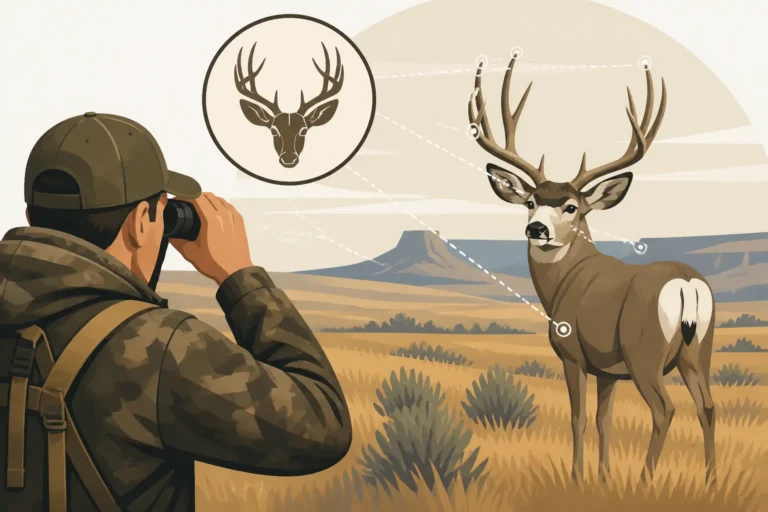
Judging mule deer antler characteristics and body size in Nebraska helps hunters assess rack size and avoid optical illusions.
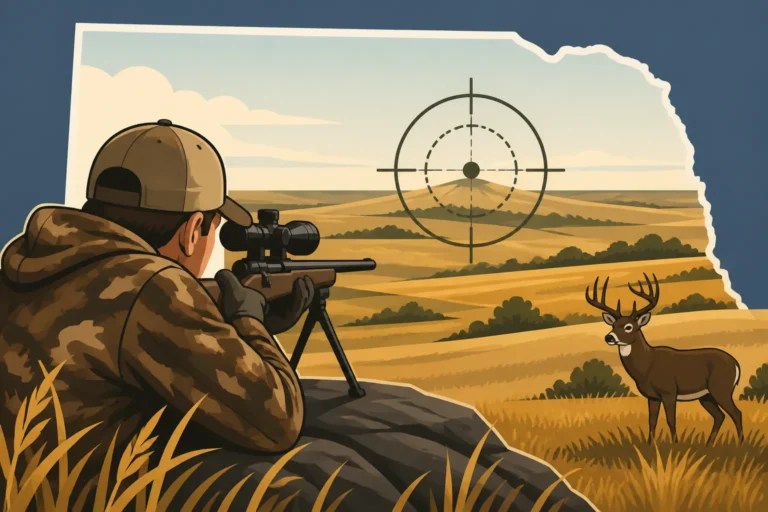
Nebraska open country hunting distances and wind factors determine realistic rifle ranges for ethical deer and antelope shots.