Snow Geese and the Spring Migration
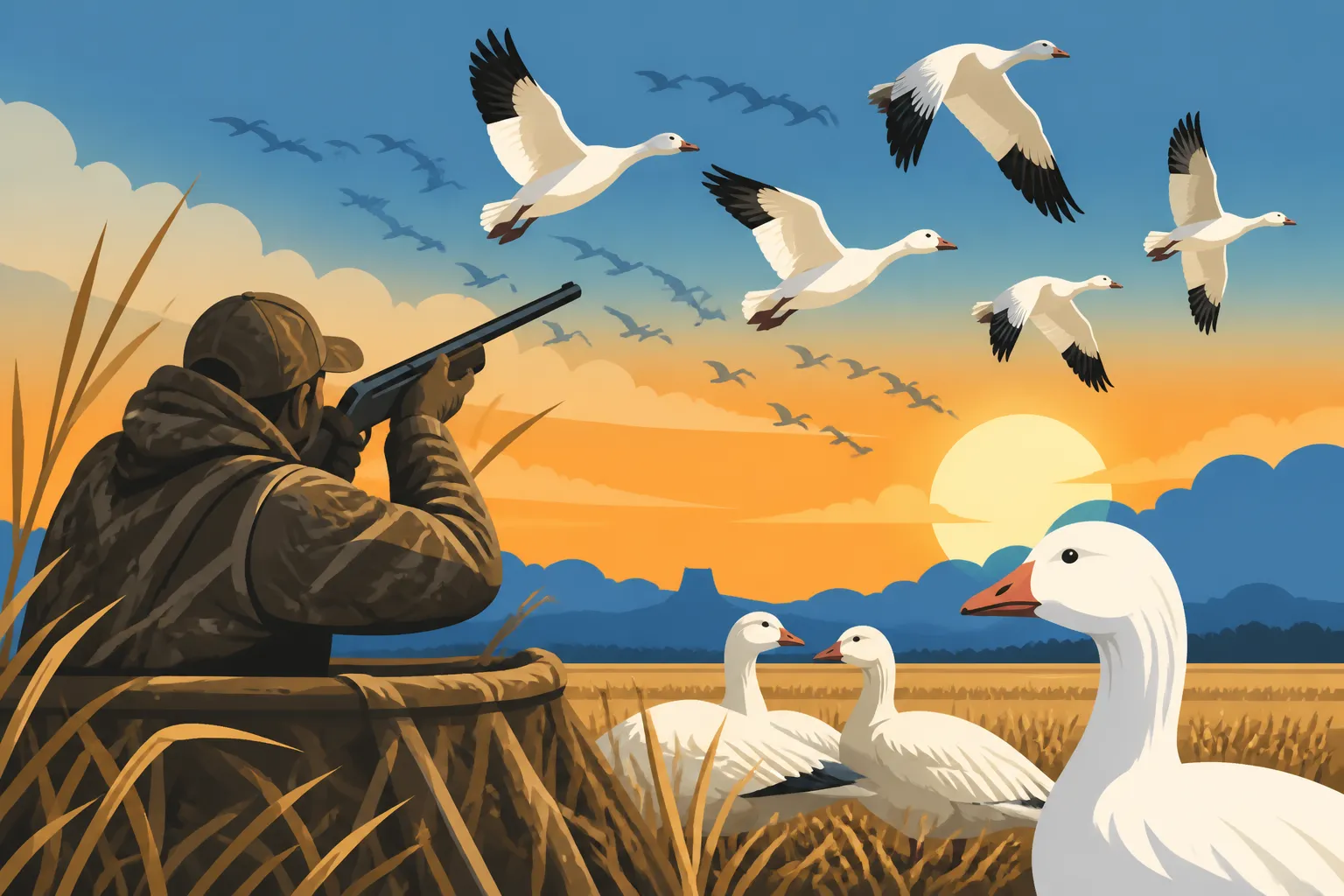
For many hunters, the arrival of spring is marked by the ethereal sound of thousands of snow geese migrating north, a symphony that can stir a deep longing to be under their flight path. Yet, turning that dream into a successful hunt is often far more complex than simply finding a field and setting out decoys. This guide is here to unravel the mysteries of Nebraska's spring snow goose migration and the unique challenges and incredible opportunities it presents under the light goose conservation order.
The Phenomenon of the Spring Snow Goose Migration in Nebraska
The annual spring migration of snow geese is truly one of nature's most spectacular events, and Nebraska sits right in the heart of a critical flyway. For hunters, it represents a unique and often chaotic opportunity, but understanding the sheer scale and patterns of this movement is the first step to success. It's not just about birds flying north; it's about millions of birds moving through specific corridors, dictated by weather, food availability, and instinct.
Understanding the Annual Journey
Snow geese, along with their smaller cousins, Ross's geese, spend their winters in warmer southern states and coastal areas before beginning their epic journey back to the Arctic breeding grounds. This northward movement is a race against time, as they need to arrive at the breeding grounds when conditions are just right for nesting and raising young. Their migration isn't a straight shot; it's a series of stops and starts, dictated by weather fronts and the availability of open water and food. A warm spell can push them far north quickly, while a cold snap or late-season blizzard can hold them up for days, creating massive concentrations of birds.
Why Nebraska is a Critical Stopover
Nebraska plays an absolutely vital role in this migration. Our state, particularly the central and eastern regions, provides vast stretches of agricultural fields — primarily corn and milo stubble — that are rich in waste grain, offering an essential energy source for these long-distance travelers. Beyond the food, Nebraska also offers crucial staging areas with large, often shallow water bodies like the Rainwater Basin wetlands and Platte River sandpits. These areas provide safe roosting sites where hundreds of thousands, sometimes millions, of geese can gather at night. The combination of abundant food and secure roosts makes Nebraska an indispensable stopover for these birds, often holding them for days or even weeks. Hunters who have spent time observing these birds know that understanding these patterns of food and water is paramount.
The Sheer Numbers Involved
When we talk about snow geese, we're not talking about small flocks. We're talking about immense, almost unbelievable numbers of birds. Estimates can run into the millions across the Central Flyway, and a significant portion of those birds funnel directly through Nebraska. Witnessing a continuous ribbon of white geese stretching for miles across the sky, or hearing the cacophony of tens of thousands on a single lake, is an experience that humbles even the most seasoned hunter. This abundance is precisely why the light goose conservation order exists; their populations are so robust that special measures are needed to help manage them, making for a truly unique hunting opportunity. This overwhelming volume is what drives the specific rules and tactics for these hunts, a far cry from a typical duck or Canada goose outing.
The Light Goose Conservation Order: A Unique Opportunity
Hunting spring snow geese isn't like hunting any other waterfowl season. The "Light Goose Conservation Order" in Nebraska is a special period with different rules, designed specifically to help manage the burgeoning populations of snow, blue, and Ross's geese. This isn't just a fun extra season; it's a targeted effort to reduce pressure on sensitive Arctic breeding grounds that these geese can damage through overgrazing.
The Purpose Behind the Conservation Order
The conservation order exists because snow goose populations have exploded over the past few decades, largely due to changes in agricultural practices that leave abundant waste grain in fields. While this sounds like a good thing, these massive numbers are causing significant ecological damage to their fragile Arctic nesting grounds. They can literally eat themselves out of house and home, destroying vegetation that takes years to recover and impacting other species that rely on the same habitat. The conservation order is a proactive measure to manage these populations by increasing harvest opportunities, aiming to bring numbers back into ecological balance. It's a critical effort that hunters get to be a part of, making every successful hunt feel even more impactful.
Special Rules and Regulations for Spring Snows
Because of the conservation goals, the rules for hunting during the Light Goose Conservation Order are distinct from regular waterfowl seasons. The most significant changes are typically the removal of daily bag limits and possession limits, allowing hunters to take as many geese as they can. This is a dramatic departure from standard hunting regulations and speaks to the urgency of population control. Additionally, specific dates are set for this season, often extending well into March, sometimes even April, depending on migration patterns. Hunters planning a trip should always check the current Nebraska hunting guide or reliable resources like GoHunt for the most up-to-date regulations, as these rules can shift from year to year based on management needs.
Preparing for the Unplugged Gun and Electronic Call Rules
Perhaps the most exciting and unique aspects of the conservation order are the allowance for unplugged guns and the use of electronic calls. During regular seasons, shotguns are typically limited to a three-shell capacity (one in the chamber, two in the magazine). In the conservation order, you can use an unplugged shotgun, meaning you can load it to its full capacity, which is often 4-5 shells in the magazine plus one in the chamber. This allows for higher volume shooting as large flocks descend.
Even more impactful is the use of electronic calls, which are normally prohibited for waterfowl hunting. These calls can mimic the sound of thousands of geese, creating an irresistible attraction for migrating birds. Mastering the use of an e-caller, understanding different call sequences (feeding chatter, contented clucks, high-pitched honks), and knowing when to ramp up or quiet down the volume is an art form in itself. These tools, combined with large decoy spreads, are what make hunting Nebraska Light Goose Conservation Order Tactics so effective and distinctive. It's a whole different game when you can literally surround yourself with sound and volume.
Scouting and Locating Snow Goose Concentrations
Finding snow geese can feel like chasing a ghost, especially when they move swiftly through the state. You might hear reports of millions in one county one day, only for them to vanish overnight with a shift in the wind or a temperature spike. Successful spring snow goose hunting hinges almost entirely on meticulous scouting and adaptability, much like the precision required for Spot-and-Stalk Mule Deer in the Nebraska Sandhills. It's a constant effort to be in the right place at the right time.
Reading the Landscape for Roosts and Feeds
Snow geese have a predictable daily pattern: they roost on large, open bodies of water at night for safety and then fly out to feed in agricultural fields during the day. Your scouting efforts should focus on identifying both. Roosts are usually large lakes, reservoirs, or major wetlands like those found in the Rainwater Basin Wetlands. These are their safe havens. From these roosts, they'll radiate out to feed, typically in corn or milo stubble fields. Look for huge concentrations of birds in the sky, or listen for their distant gabble. Once you pinpoint a roost, watch the flight lines at dawn and dusk to see which fields they're hitting. Identifying these patterns early is crucial.
The Importance of Fresh Sign and Flight Lines
Once you've narrowed down potential feeding areas, it's time to get on the ground and look for fresh sign. Snow geese are messy eaters. They leave behind tell-tale white droppings and often tear up shallow-rooted waste grain, creating distinctive muddy patches. The fresher the sign, the more likely the birds are still using that field. Pay close attention to flight lines – the paths birds take to and from their roosts. These are often consistent, especially with prevailing winds, and will dictate where you need to set up your spread. Don't be afraid to drive roads, use binoculars, and put in the legwork. Many dedicated spring snow goose hunters use services like GoHunt to cross-reference their scouting findings with detailed property ownership maps, helping them identify land for permission requests or confirmed public access points.
Using Technology for Scouting and Access
In today's hunting world, technology is your friend, especially when scouting for fast-moving snow geese. GPS apps on your phone or tablet, like those that offer property boundary overlays, are invaluable for identifying land ownership and knowing exactly where you stand. Satellite imagery can help you spot potential roosting lakes or large fields from afar. Weather apps are critical for tracking fronts that might move birds in or out. And of course, staying connected with other hunters (respectfully, without giving away specific spots) through online forums or social media can provide clues about regional bird movement. The Nebraska Public Access Atlas is also a fantastic tool, available online and often through a mobile app, to identify public hunting lands or Open Fields and Waters tracts that might hold geese. By combining traditional boot-on-the-ground scouting with these digital tools, you can maximize your chances of finding that perfect field.
Decoy Spreads and Concealment for Spring Snows
You can't just throw out a dozen decoys and expect thousands of snow geese to come barreling in. Spring snow goose hunting is a game of numbers and realism when it comes to your spread. These birds are often wary, having seen hundreds of spreads on their journey, so mimicking a massive, contented flock is paramount. Your setup needs to look exactly like what they want to join.
Building a Realistic Spread: Numbers and Types
When it comes to snow goose decoys, the common wisdom is: the more, the better. Most serious hunters will deploy hundreds, if not thousands, of decoys. These typically consist of various types to create a realistic "blob" of feeding geese. Full-body decoys are excellent for creating realism at the edges and in kill holes. Windsocks are crucial for volume and motion, catching the slightest breeze to animate your spread. Silhouettes offer quick setup and breakdown and can fill in vast areas economically. Some hunters also use Texas rags, which are essentially white plastic bags on stakes, to represent feeding birds. The goal is to create a dynamic, believable scene that looks like a safe, food-rich haven from above. Knowing which types of decoys to use and how to arrange them is key to Setting a Goose Spread in Harvested Corn.
Here's a quick look at common decoy types for snow geese:
| Decoy Type | Pros | Cons | Ideal Placement |
|---|---|---|---|
| Full-Body | Highly realistic, good visibility | Bulky, expensive, slow to set up | Edges of kill hole, landing zone |
| Windsocks | Excellent motion, lightweight, affordable | Less realistic up close, can tangle in high wind | Main body of spread, volume |
| Silhouettes | Easy to deploy, good for volume, compact | Flat appearance, no motion (unless modified) | Filling large areas, creating depth |
| Flyers/Rotators | Realistic flight motion, attention-grabbing | Expensive, mechanical issues possible | Above the spread, near kill hole |
| Shells | More compact than full-bodies, some realism | Less motion, can look "flat" if not propped | Bulk of the spread, close to blinds |
Effective Concealment Strategies in Open Fields
With hundreds or thousands of decoys spread out, you can't just hide in a ditch. Snow geese have incredible eyesight and are notoriously wary of anything that looks out of place. This means concealment is absolutely critical in wide-open stubble fields. Layout blinds are the go-to choice for most spring snow goose hunters. These low-profile blinds allow you to lie down within your spread, brushing them in meticulously with surrounding stubble, corn stalks, or whatever natural vegetation is available. You want to disappear completely. Some hunters even dig shallow pits, especially in very flat terrain, to get even lower. Remember, if you can see your blind standing out against the ground, the geese can too. It's a continuous battle to blend in perfectly.
Motion Decoys and Their Impact
Motion is king when hunting snow geese. Beyond the natural movement of windsocks, adding specific motion decoys can significantly increase the realism and drawing power of your spread. Rotary wing decoys, sometimes called "rotary machines," have wings that spin, mimicking flying birds. Flapping wing decoys offer a more erratic, lifelike movement. Kite decoys, flown high above the spread, can act as a beacon for high-flying birds, signaling a massive flock on the ground. During the conservation order, you can use these battery-operated or wind-powered motion decoys freely. They are especially effective on calm days when windsocks might be still. Placing them strategically, often on the upwind side or in the "kill hole" where you want birds to land, can be the difference-maker. These complement your Decoy Spreads for Rainwater Basin Geese or any field setup, adding that crucial lifelike element.
Field Tactics and Shooting Considerations
Once you've done your scouting, deployed your massive spread, and carefully brushed in your blinds, the real challenge begins. Spring snow goose hunting is fast-paced, often chaotic, and requires quick decision-making and excellent shooting skills. It's a high-volume affair, and understanding how to read the birds and manage the logistics is key.
Reading Bird Behavior and Adjusting Your Approach
Snow geese are constantly communicating, and learning to interpret their behavior is vital. Watch how they react to your calls and spread. Are they flaring off high? They might have seen something they don't like, or your calling might be off. Are they circling lower but not committing? They could be looking for a specific landing zone, or they might be wary. Sometimes, a "tornado" of geese will descend from the sky, swirling down right into your decoys. Other times, they'll pitch in cautiously from downwind. Be ready to adjust your calling volume and intensity, and be patient. Sometimes silence is the best call. Knowing when to call the shot is also critical; wait for birds to commit to the spread and get within effective range.
Shotgun and Ammunition Choices for High Volume Shooting
Given the sheer numbers of birds and the potential for multiple shooting opportunities, reliable equipment is paramount. You'll want a shotgun that can handle high volume, and since you can use Unplugged Guns Under Nebraska's Spring Goose Rules, a semi-automatic with extended magazine capacity is often preferred. This allows for quick follow-up shots on a swirling flock. As for ammunition, steel shot is required for all waterfowl hunting, and you'll want to use heavy loads with larger shot sizes (BB, BBB, or T) to ensure clean kills on these tough birds. It's wise to bring plenty of shells; a successful spring snow goose hunt can easily consume several boxes of ammunition per person. The cost of shells can add up, so factor that into your planning.
The Logistics of Managing a Large Harvest
One of the unique "problems" of a successful spring snow goose hunt is managing the sheer number of birds harvested. If a large flock commits, you could end up with dozens of geese on the ground in a matter of minutes. This requires planning. You'll need plenty of game bags, coolers, and ice to properly cool and transport your birds, especially if the weather warms up, which it often does during the spring migration. Field dressing immediately can help cool the birds faster. Having a system for gathering, counting, and cleaning geese efficiently is a must, otherwise, you can quickly become overwhelmed. Think about the process ahead of time, ensuring you have enough hands and supplies. This logistical challenge is part of the unique experience of the light goose conservation order.
Disclaimer
This article is for general informational purposes only and does not constitute professional advice. Laws, prices and regulations vary by location and change over time. Consult a qualified professional for guidance on your specific situation.