Bighorn Sheep Restoration in Nebraska
The majestic bighorn sheep, once a vibrant part of Nebraska's natural landscape, faced a heartbreaking disappearance from the state decades ago, leaving a significant void in our wild places. Reintroducing and establishing a self-sustaining population of these incredible animals has been a monumental undertaking, fraught with challenges but also marked by incredible dedication and success. This guide delves into the arduous journey of bighorn sheep restoration in Nebraska, exploring the historical context, the painstaking efforts, and the promising future of these iconic mountain dwellers on our plains.
The Historical Absence of Bighorn Sheep in Nebraska
It's hard to imagine Nebraska without the ghost of bighorn sheep, especially when you consider the rugged beauty of areas like the Pine Ridge. But for a very long time, that was indeed the reality. These magnificent animals, perfectly adapted to steep, rocky terrain, simply vanished from the state, leaving a critical ecological gap. Understanding why they disappeared is the first step in appreciating the incredible effort it takes to bring them back.
When Bighorns Disappeared and Why
Historically, bighorn sheep were scattered throughout the western parts of Nebraska, thriving in the rugged bluffs and canyons of the Niobrara and White River drainages, and undoubtedly finding sanctuary in the Pine Ridge. However, by the early 1900s, their numbers had dwindled to nothing. The primary culprits for this devastating decline were a combination of unregulated hunting during the era of westward expansion, habitat loss as land was settled and developed, and perhaps most significantly, disease.
Domestic sheep, brought in by settlers, carried diseases like pneumonia and scabies, which proved lethal to the immunologically naive wild bighorn populations. With no natural resistance, entire herds could be wiped out in a short period. The fragmented and shrinking habitat, coupled with persistent hunting pressure, simply didn't allow the populations to recover from these disease outbreaks. It was a tragic loss, erasing a piece of Nebraska's wild heritage that many believed was gone forever.
The Ecological Void They Left
The disappearance of bighorn sheep wasn't just about losing a beautiful animal; it created an ecological imbalance. Bighorns are grazers and browsers, and their presence helps maintain the health and diversity of specific plant communities in their preferred rocky habitats. They are also a prey species, though their agility and preferred terrain offer significant protection. Their absence meant a missing link in the food web and a less complete native ecosystem.
For those who value biodiversity and the intricate web of life, the absence of bighorns was a stark reminder of humanity's impact. The idea of restoring such a charismatic species became a powerful motivator for conservationists, not just to bring back the animal itself, but to mend a broken piece of Nebraska's wild heart. It highlighted the importance of a holistic approach to conservation, understanding that every species plays a role.
Early Restoration Attempts and Initial Hurdles
The dream of seeing bighorn sheep once again clambering across Nebraska's Pine Ridge wasn't a new one, but turning that dream into a reality proved to be a complex and often frustrating endeavor. The initial attempts at reintroduction were a testament to the sheer will of conservationists, but they also highlighted the immense challenges involved in bringing back a species from the brink. It was a steep learning curve, literally and figuratively.
The First Attempts: Challenges and Lessons Learned
Nebraska's first serious attempts to reintroduce bighorn sheep began in the 1950s. These early efforts often involved acquiring small numbers of sheep from other states, typically Colorado or Montana, and releasing them into promising areas of the Pine Ridge. While the enthusiasm was high, the scientific understanding of bighorn sheep ecology and disease management was still in its infancy.
These initial releases, unfortunately, met with limited success. Many of the translocated animals struggled to adapt to their new environment, fell victim to predation, or succumbed to disease. The smaller release numbers meant less genetic diversity and a higher risk of inbreeding if they did manage to reproduce. Crucially, the lessons learned from these early setbacks were invaluable. Conservationists realized that simply dropping sheep into a new area wasn't enough; a much more strategic, long-term approach was required, focusing on habitat, herd health, and sufficient numbers.
Securing Suitable Habitat for Reintroduction
One of the biggest hurdles, both historically and in modern times, has been identifying and securing enough suitable habitat. Bighorn sheep aren't just looking for any rocky terrain; they need very specific conditions: steep, rugged bluffs and canyons that offer escape terrain from predators, good quality forage, and reliable water sources. The Pine Ridge region, with its dramatic landscapes, seemed like the natural fit, but even there, specific parcels needed to be identified and sometimes enhanced.
Furthermore, securing land that was free from potential disease vectors, particularly domestic sheep, was paramount. This often involved working with private landowners and understanding land-use patterns to minimize the risk of pathogen transmission. The process was painstakingly slow, requiring extensive surveys, ecological assessments, and careful negotiation to ensure that any reintroduction site offered the best possible chance for the bighorns to not just survive, but truly thrive. This meticulous planning is often what separates a hopeful release from a successful restoration.
Modern Restoration Efforts and Translocation Programs
The knowledge gained from early failures and a deeper understanding of bighorn ecology laid the groundwork for the more successful modern restoration efforts. These programs are highly scientific, incredibly complex, and depend on collaboration across state lines and with numerous conservation organizations. The commitment to bringing bighorns back to Nebraska is stronger than ever.
Sourcing and Selecting Foundation Herds
A crucial aspect of modern restoration is the careful selection of source herds. Nebraska has primarily relied on bighorns from healthy, established populations in states like Montana, Wyoming, and Colorado. These animals are typically trapped in their native ranges, often via helicopter net-gunning, and then transported to Nebraska. This is not a task for the faint of heart; it requires expert veterinary care, careful handling to minimize stress, and rigorous health screening to ensure no diseases are introduced to the new environment or other bighorn populations.
Genetic diversity is also a key consideration. Biologists strive to select animals that will provide a strong genetic foundation for the new Nebraska herd, promoting long-term health and resilience. The logistics of moving dozens of wild animals across state lines, often with specialized transport vehicles, are immense. Each translocation is a high-stakes operation, and the success depends on meticulous planning and execution.
The Success of the Pine Ridge Introductions
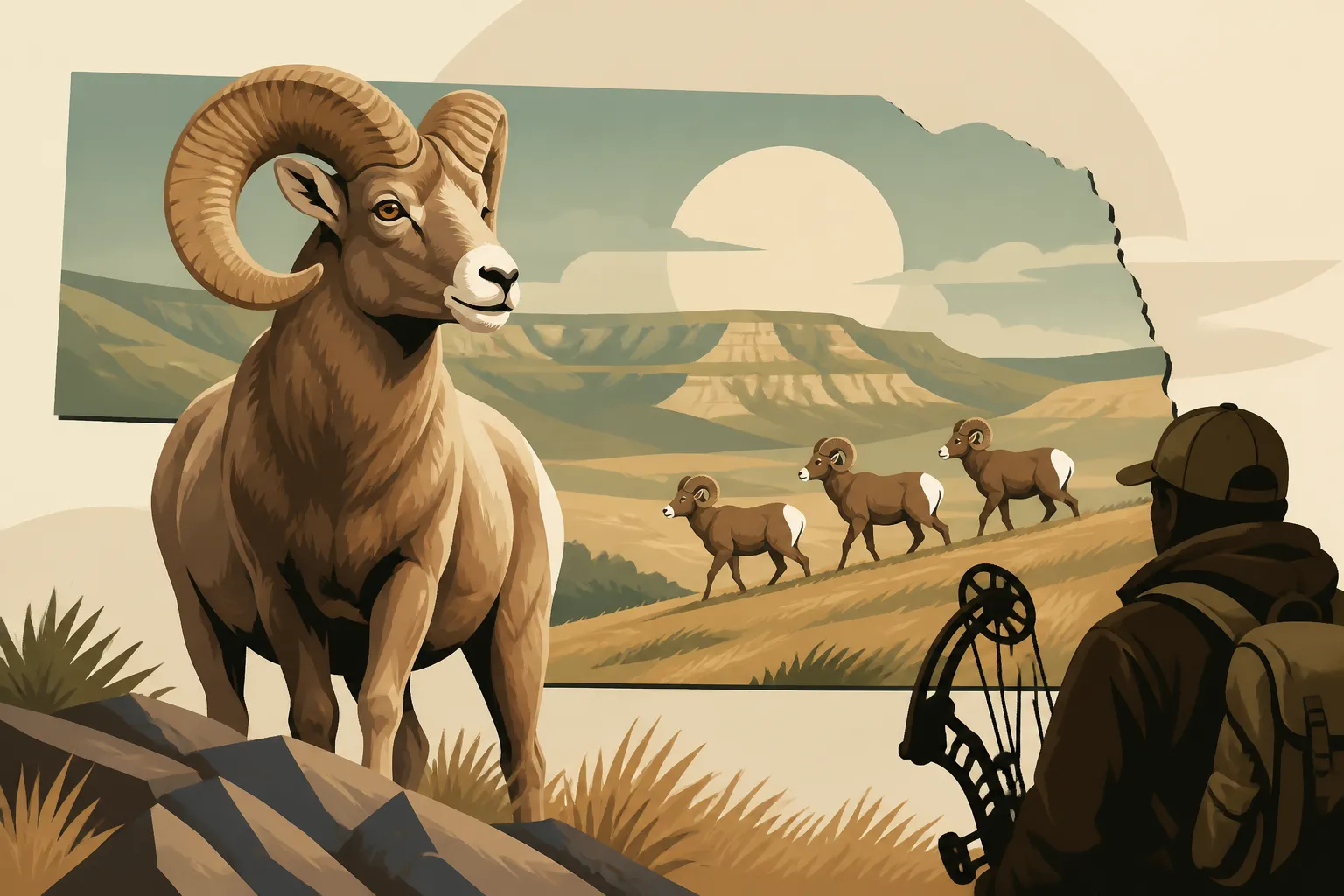
Despite the challenges, Nebraska's modern bighorn restoration efforts in the Pine Ridge have seen remarkable success. Beginning in the late 1980s and continuing into the 2000s, multiple translocations have resulted in several established herds, primarily in the rugged landscape of the Pine Ridge region. These efforts have slowly but steadily increased the wild bighorn population, a truly inspiring conservation story.
Today, these herds are not only surviving but reproducing, a clear sign of success. Seeing a ram with massive horns silhouetted against a Pine Ridge sunset is now a possibility, a testament to decades of hard work. This success has also allowed the state to consider limited hunting seasons, a controversial but often necessary tool for managing healthy wildlife populations and generating revenue for further conservation. The opportunity to participate in the Nebraska Bighorn Sheep Lottery or secure a Nebraska Bighorn Sheep Auction Permit speaks volumes about the progress made.
Key Factors for Successful Translocation
Successful bighorn translocations aren't just about moving sheep from one place to another; they involve a combination of critical factors:
- Disease Management: This is paramount. Rigorous testing for diseases like pneumonia before, during, and after translocation is essential. Understanding potential pathogens and their vectors, especially from domestic livestock, remains a top priority.
- Habitat Quality: As mentioned, the right kind of rugged, escape terrain with quality forage and water is non-negotiable. Ongoing habitat assessment and improvement efforts, even within areas like the Pine Ridge Public Land in Nebraska, are vital.
- Release Numbers: Releasing enough animals at once helps ensure a viable starting population, increases genetic diversity, and improves the chances of successful breeding. Small numbers can quickly be lost to predation or accident.
- Post-Release Monitoring: Tracking devices, like GPS collars, are often placed on many of the released sheep to monitor their movements, survival, and reproductive success. This data is critical for adaptive management, allowing biologists to understand what's working and what needs adjustment. Many hunting apps, like those from GoHunt, can provide insights into habitat types and public land boundaries, which are helpful for understanding where these releases might find suitable range.
- Public Support: Local community buy-in and landowner cooperation are also incredibly important. Education and outreach help foster a sense of shared responsibility for these incredible animals.
These elements combine to create a comprehensive strategy, moving beyond simple reintroduction to true, long-term restoration.
The Current State of Nebraska's Bighorn Sheep Populations
After decades of dedicated effort, Nebraska's bighorn sheep populations are in a far healthier state than they once were. It's a journey of cautious optimism, as challenges persist, but the existence of self-sustaining herds is a remarkable achievement. Hunters and wildlife enthusiasts alike can now dream of encountering these magnificent animals.
Where Nebraska Bighorns Live Today
Today, Nebraska's wild bighorn sheep are primarily found in the rugged, canyon-strewn landscapes of the Pine Ridge region in the state's northwestern corner. Specific areas within the Oglala National Grassland Hunting and other public and private lands offer the steep, rocky escape terrain they need. These scattered herds are monitored closely, with biologists tracking their movements across the challenging topography.
The Pine Ridge provides a unique mix of ponderosa pine forests, steep canyons, and open grasslands, offering both cover and forage. This diverse habitat is critical for their survival, allowing them to evade predators like mountain lions and coyotes, and to find food throughout the seasons. Understanding the specifics of Bighorn Sheep in the Nebraska Pine Ridge is key to appreciating their stronghold.
Population Trends and Monitoring Efforts
While precise Nebraska Bighorn Sheep Numbers are closely guarded and fluctuate, the overall trend has been one of growth and stability since the successful modern reintroductions. The Nebraska Game and Parks Commission (NGPC) conducts annual surveys, often using aerial counts, to estimate herd sizes, lamb recruitment, and overall health. These surveys are crucial for making informed management decisions, including setting permit numbers for limited hunting seasons.
The monitoring also involves tracking individual animals fitted with radio collars, providing valuable data on their movement patterns, preferred habitats, and causes of mortality. This scientific approach helps ensure that the restoration efforts continue to build robust, resilient populations capable of withstanding environmental pressures and maintaining genetic diversity.
Health Challenges: Bighorn Pneumonia in Nebraska Herds
Despite the successes, bighorn sheep populations face an ever-present threat: disease, particularly pneumonia. Respiratory diseases, often caused by bacteria like Mycoplasma ovipneumoniae, can sweep through bighorn herds with devastating consequences. These pathogens, sometimes linked to contact with domestic sheep or goats, can lead to chronic respiratory issues and high mortality rates, especially in lambs.
Nebraska's bighorns have, unfortunately, experienced outbreaks of pneumonia, which can significantly set back population growth. Wildlife veterinarians and biologists work tirelessly to monitor herd health, conduct testing, and implement strategies to minimize disease transmission and mitigate its impact. This ongoing battle highlights the fragility of these restored populations and the continuous need for vigilant management. It's a stark reminder that restoration is not a "one and done" effort but an ongoing commitment to conservation.
| Reintroduction Period | Source State | Release Location (Primary) | Initial Success | Key Challenges Encountered |
|---|---|---|---|---|
| 1950s | Colorado | Pine Ridge | Limited | Disease, small numbers |
| 1980s-1990s | Montana, Wyoming | Pine Ridge | Moderate | Adaptation, disease |
| 2000s-Present | Montana, Wyoming | Pine Ridge | High | Pneumonia, habitat fragmentation |
Management and Future Outlook for Bighorns
The future of bighorn sheep in Nebraska, while promising, still requires proactive and adaptive management. The goal is not just to maintain existing herds but to ensure their long-term health, genetic viability, and resilience. This includes careful consideration of management tools, ongoing research, and planning for an uncertain future.
The Role of Limited Hunting Seasons
One of the most powerful tools in modern wildlife management, and often the most debated, is regulated hunting. For bighorn sheep in Nebraska, The First Bighorn Season Since Restoration was a landmark event. These seasons are extremely limited, typically offering only one or two permits annually. The revenue generated from these permits, especially the incredibly valuable auction permit, directly funds bighorn sheep research, habitat improvement, and ongoing conservation efforts. This sustainable model allows hunters to contribute significantly to the very resource they pursue.
Moreover, selective harvesting of mature rams can help manage herd demographics, potentially reducing competition for resources and promoting the health of the overall population, though the impact of such limited hunts is primarily financial. The high demand for a Nebraska Bighorn Sheep Lottery permit illustrates the tremendous value placed on these animals and the conservation mission. When hunters use platforms like GoHunt, they can often find information about these limited draw opportunities and research their chances.
Ongoing Habitat Management and Research
Ensuring the long-term success of Nebraska's bighorns means continually investing in habitat management. This includes efforts to improve forage quality, enhance water sources, and potentially manage vegetation to create better escape terrain. Projects may involve prescribed burns to rejuvenate grasslands or targeted thinning of timber in appropriate areas.
Research is also a continuous process. Scientists are constantly studying bighorn sheep behavior, genetics, disease resistance, and population dynamics. This research provides critical data to adapt management strategies, address emerging threats, and refine reintroduction techniques if new herds are considered in the future. Understanding factors like Bighorn Pneumonia in Nebraska Herds requires ongoing scientific investigation.
Overcoming Future Challenges for Sustainable Herds
While the restoration has been a success, the journey isn't over. Nebraska's bighorn sheep face several ongoing and potential future challenges:
- Disease: As previously discussed, pneumonia remains a significant threat. Continued vigilance, research into vaccines, and careful management of potential contact with domestic livestock are crucial.
- Habitat Expansion: For the population to truly flourish, expanding their range beyond the immediate Pine Ridge area might be necessary. This requires identifying new suitable habitats and addressing potential human-wildlife conflicts.
- Genetic Diversity: While initial translocations focused on diversity, maintaining it in smaller, isolated herds can be a long-term challenge. Future translocations or genetic management might be needed.
- Climate Change: Changes in weather patterns could impact forage availability, water sources, and disease prevalence, necessitating adaptive management strategies.
- Human Pressure: Increased recreational use of public lands and potential conflicts with landowners in prime bighorn habitat will need careful navigation. Using resources such as GoHunt to understand land boundaries and public access points can help hunters recreate responsibly and minimize impact.
The dedication to these magnificent creatures remains strong, driven by the desire to see thriving Bighorn Sheep in the Nebraska Pine Ridge for generations to come. The goal is to move beyond mere survival to a truly sustainable and robust wild bighorn population, a true testament to conservation in the heartland.
Disclaimer
This article is for general informational purposes only and does not constitute professional advice. Laws, prices and regulations vary by location and change over time. Consult a qualified professional for guidance on your specific situation.