Elk Damage and Depredation in Nebraska
Oh, elk in Nebraska – they are truly magnificent creatures, embodying the wild spirit of the plains and the Pine Ridge. But for folks who live and farm in the areas where these majestic animals roam, their presence can sometimes bring a whole host of frustrations, particularly when it comes to property damage and agricultural losses. This guide is all about diving deep into the realities of elk damage and depredation in Nebraska, exploring why it happens, what kind of headaches it causes, and, most importantly, what strategies landowners and the state are using to manage these challenges.
The Growing Presence of Elk in Nebraska
It wasn't always this way, but elk have made a remarkable comeback in Nebraska. Once extirpated from the state, their return has been a testament to conservation efforts, but with that return comes new considerations for coexistence.
A History of Return and Expansion
For many years, seeing an elk in Nebraska was a rare event, a ghost from a bygone era. But through natural expansion from neighboring states and deliberate reintroduction efforts, these magnificent animals have re-established themselves. Today, you're most likely to encounter established elk herds in the rugged terrain of the Pine Ridge in the northwest, along the Niobrara River Valley, and in parts of the Sandhills. These areas provide the ideal mix of timbered cover, rough canyons, and ample forage that elk need to thrive. However, as their numbers grow and their range expands, they inevitably start to interact more frequently with human-managed landscapes, leading to the kind of situations we're discussing here. Understanding where these herds are is the first step in understanding potential conflict zones. It’s a fascinating story of wildlife resilience, but one that comes with its own set of management complexities. You can learn more about where these animals make their home by reading about Elk Herds and Where They Live.
Population Trends and Management Challenges
The Nebraska Game and Parks Commission closely monitors elk populations, relying on aerial surveys, public sightings, and hunter harvest data to estimate herd numbers and distribution. The overall trend has been one of slow but steady growth, which is fantastic news for wildlife enthusiasts and hunters hoping for a once-in-a-lifetime opportunity. However, this growth also presents significant management challenges, especially in areas bordering agricultural lands. Balancing healthy elk populations with the legitimate concerns of landowners is a tightrope walk. Unlike deer, elk are massive animals, and even a small herd can cause considerable damage in a short amount of time. Managing these challenges often involves trying to steer elk away from sensitive areas and, when necessary, utilizing targeted harvest strategies. The agency continually works to find that sweet spot where elk can thrive without unduly impacting the livelihoods of those who share the landscape with them.
Understanding the Types of Damage Elk Cause
When we talk about "elk damage" or "depredation," it's not just a vague idea; it's a very real and tangible impact that can hit landowners in their pocketbooks and cause significant stress. It’s important to acknowledge these very specific frustrations.
Agricultural Crop Depredation
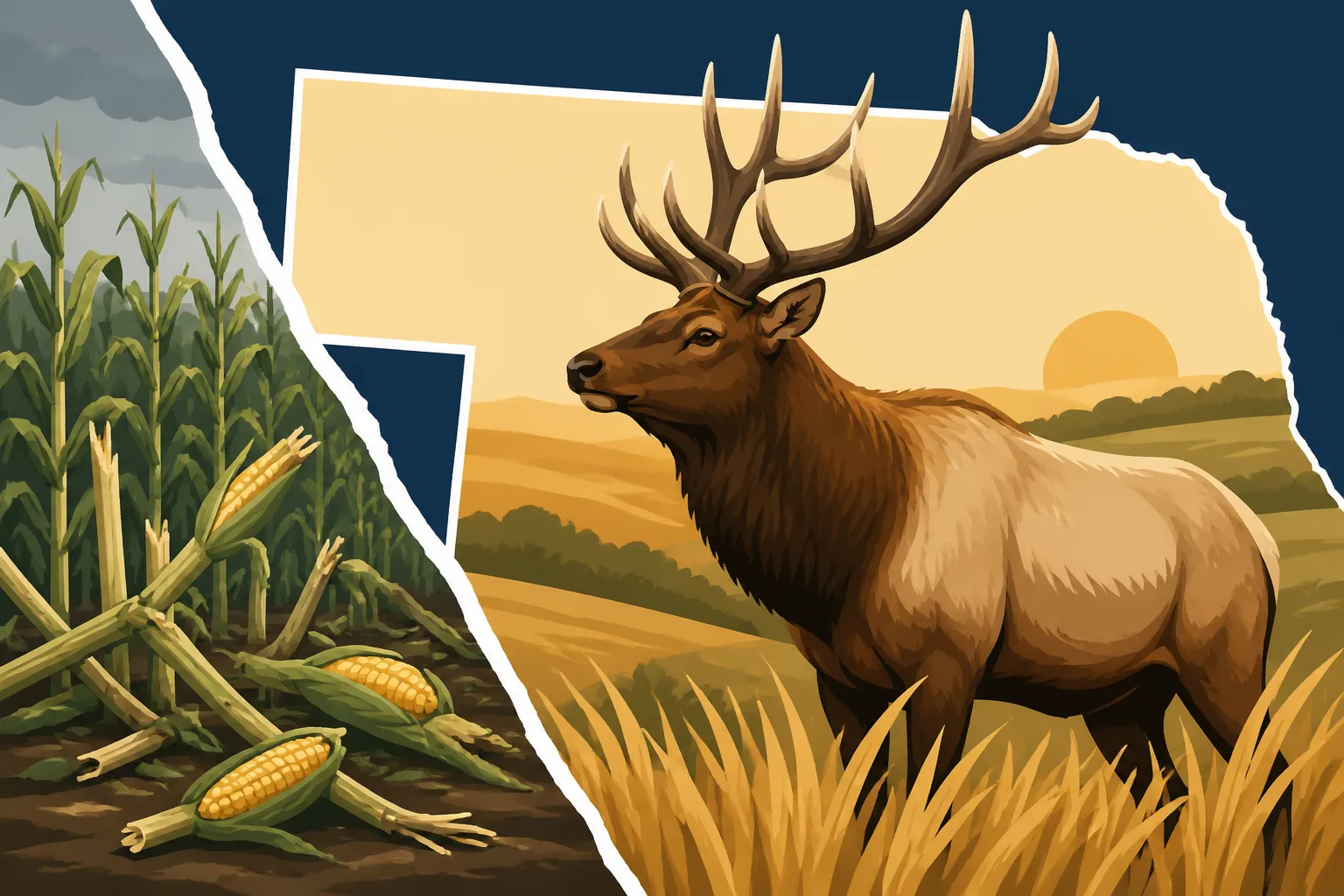
This is perhaps the most immediate and impactful form of damage that elk cause. Imagine spending months nurturing a corn crop, only for a herd of elk to move through overnight, trampling rows and gorging themselves. Elk are voracious eaters, and their sheer size means they can consume and destroy a significant amount of forage in a short period. Hayfields, corn, alfalfa, and winter wheat are all on the menu, and the timing of the damage can be particularly devastating. A herd moving into a field of standing corn just before harvest can wipe out a farmer's profit for that section, or even worse, ruin the feed intended for their own livestock. This isn't just about a few stalks of corn; it's about the financial viability of a farm and the countless hours of labor invested. The Nebraska Game and Parks Commission takes these incidents seriously, as the economic impact on affected producers can be substantial. For a deeper dive into this specific issue, check out our piece on Elk Crop Damage in Nebraska.
Fence and Property Destruction
Beyond eating crops, elk have a knack for being incredibly destructive to infrastructure. Their powerful bodies and large antlers aren't designed to navigate fences gracefully. Barbed wire fences, woven wire, and even sturdy livestock panels can be flattened, broken, or stretched beyond repair when a herd decides to push through. This not only represents a direct repair cost for landowners but also creates immediate problems with livestock containment. A broken fence means cattle or horses can wander, leading to lost time rounding them up or potential liability issues if they get onto roads. Furthermore, elk can damage irrigation systems, trample young trees in shelterbelts, or even raid hay bales stored for winter feed, pulling them apart and wasting valuable resources. It's an ongoing battle for many, constantly patching up what nature's bulldozers have pushed over.
Disease Transmission Concerns
While not as common or widespread as crop and fence damage, there is always a underlying concern about disease transmission between wild elk and domestic livestock. Elk can be carriers of various diseases, and although Nebraska has robust monitoring programs in place for things like Chronic Wasting Disease (CWD) in deer, the risk of diseases like brucellosis or bovine tuberculosis, though low in Nebraska's current elk herds, is a constant consideration for cattle producers. Any crossover of disease can have devastating economic consequences for ranchers, leading to herd quarantines, culling, and significant financial losses. This potential risk adds another layer of complexity to elk management, emphasizing the need for healthy, well-managed wild populations and clear communication between wildlife agencies and agricultural communities.
Strategies for Mitigating Elk Damage
Dealing with elk damage isn't just about lamenting the problem; it's about finding practical, real-world solutions. Landowners often have a few avenues they can explore, ranging from prevention to direct management.
Non-Lethal Deterrents and Exclusion
Sometimes, the best offense is a good defense. Non-lethal deterrents aim to discourage elk from entering sensitive areas without harming the animals. This can involve a variety of tactics. Fencing is often the most effective, though also the most expensive and labor-intensive. Tall, sturdy fences, sometimes electrified, can keep elk out of valuable crop fields or haystacks. However, installing and maintaining miles of elk-proof fence is a significant undertaking for any landowner. Other methods include hazing, where landowners use noise, lights, or even dogs to scare elk away. Propane cannons that periodically fire, reflective streamers, or even just regular human presence can sometimes work for a while, but elk are intelligent animals and can quickly habituate to these deterrents. The key is often variety and persistence to keep them guessing. While these methods require constant effort, they offer a way to protect property without directly impacting the elk population.
Depredation Permits and Managed Harvest
When non-lethal methods aren't enough, or when damage becomes severe and persistent, depredation permits come into play. These are special permits issued by the Nebraska Game and Parks Commission to landowners experiencing significant elk damage. These permits allow for the targeted removal of specific elk that are causing the problem, outside of regular hunting seasons. It’s a serious step, and the goal is to alleviate immediate damage and disperse problem animals. Additionally, regular hunting seasons play a crucial role in overall herd management. By issuing a limited number of public elk permits each year, the state aims to control population growth and distribute elk more broadly, reducing pressure on localized areas. It’s a delicate balance, ensuring that enough animals are harvested to keep populations in check while still providing hunting opportunities for those lucky few who draw a tag. To understand how these permits fit into the broader management picture, you might want to look into Landowner Elk Permits in Nebraska.
Collaboration with Nebraska Game and Parks
Landowners facing elk depredation are definitely not on their own. The Nebraska Game and Parks Commission is actively involved in assessing damage and working with affected individuals to find solutions. This collaboration is crucial because the agency has the expertise and resources to help. When a landowner reports damage, Game and Parks staff will typically visit the site to verify the extent of the problem, identify the elk involved, and discuss possible mitigation strategies. They can offer advice on deterrents, help secure materials for fencing projects, and, when appropriate, initiate the process for depredation permits. This partnership ensures that both the needs of the wildlife and the rights of the landowners are considered, working towards sustainable coexistence. They play a vital role in wildlife management, including keeping tabs on How Game and Parks Counts Wildlife.
Navigating the Nebraska Elk Permit System
For many hunters, drawing an elk permit in Nebraska is a dream come true, a once-in-a-lifetime opportunity. But for the state, this permit system is also a critical component of elk population management, including efforts to mitigate damage.
Permit Availability and Resident Focus
Let's be blunt: Nebraska elk permits are incredibly difficult to draw. They are some of the most sought-after tags in the state, and for good reason—Nebraska offers exceptional elk hunting in some truly wild landscapes. The system heavily favors residents, which makes sense given the state's priority to manage its wildlife for its citizens. Non-resident permits are extremely limited, if available at all, and the odds of drawing one are astronomically low. This resident-first approach ensures that Nebraskans have the best chance to participate in managing their local herds and experience this premier hunting opportunity. It’s a system designed to serve the people of the state while also utilizing hunting as a tool for population control, especially in those areas where elk numbers might be increasing or causing issues. For more details on who can hunt elk in Nebraska, take a look at Nebraska Elk Permits Are Residents Only.
The Draw Process and Preference Points
The Nebraska elk permit draw is a highly competitive lottery. Applications are typically submitted in the spring, and hopeful hunters await the results with bated breath. The system often involves a preference point system, where unsuccessful applicants can purchase a point to improve their odds in future draws. This means that many hunters accrue points for years, sometimes decades, before finally drawing a tag. Understanding the draw odds and the strategies for applying can be incredibly complex. This is where tools from companies like GoHunt become invaluable. Their detailed data analysis and application strategies can give hunters a significant edge, helping them understand which units might offer slightly better odds or how to play the preference point game most effectively. Whether you're applying for your first point or your tenth, having solid information can make a big difference in this long game. If you're looking into Nebraska's overall big game permits, you'll find great information on Nebraska Big Game Permits and How to Get One.
Hunting as a Management Tool
Beyond the thrill of the hunt, regulated elk hunting serves a vital function in wildlife management, especially concerning depredation. By allocating permits in specific units, the Nebraska Game and Parks Commission can direct hunter pressure to areas where elk numbers need to be reduced or where damage concerns are highest. Hunters become an essential part of the solution, helping to maintain healthy herd sizes and distribute elk populations more effectively across their range. It's not just about removing animals; it's about altering elk behavior, making them warier of certain areas, and reducing their overall impact on agricultural operations. The timing of these hunts is also carefully considered to align with management goals. For a deeper dive into the specifics, our article on When Nebraska's Elk Seasons Run by Unit is a great resource.
Resources and Support for Affected Landowners
Landowners grappling with elk damage have avenues for assistance and support. It’s not just about managing the animals; it’s about providing resources to those impacted.
Assessing and Reporting Damage
The first and most critical step for any landowner experiencing elk damage is to properly assess and report it to the Nebraska Game and Parks Commission. Documentation is key here. Take photos of the damaged crops, fences, or property, note the date and estimated time of the incident, and try to identify the number of elk involved. This detailed information helps Game and Parks staff understand the scope of the problem and verify the extent of the damage. Once reported, a conservation officer or wildlife biologist will typically visit the site to conduct an official assessment. This formal reporting process is essential for any potential mitigation efforts, including the issuance of depredation permits or exploring other assistance programs. Don't hesitate to reach out to them; they are there to help manage these situations.
Financial Assistance and Compensation Programs
While specific programs and their availability can fluctuate, the Nebraska Game and Parks Commission often works to assist landowners who incur significant losses due to wildlife depredation. These programs are not always direct cash payments, but can sometimes involve assistance with fencing materials, labor, or other resources to prevent future damage. The goal is to help offset the financial burden and to implement long-term solutions rather than just providing a one-time payout. It’s always best for affected landowners to communicate directly with Game and Parks officials about their specific situation to understand what current options might be available. These programs are a testament to the state's commitment to finding common ground between wildlife conservation and agricultural sustainability.
Long-Term Habitat Management
Sometimes, managing elk damage involves looking at the bigger picture: habitat. Strategic habitat improvements or changes can influence elk movement and distribution, potentially drawing them away from sensitive agricultural areas and towards more suitable, less-conflict-prone landscapes. This could involve creating or enhancing natural forage areas on public lands or private properties where elk are welcome, thereby reducing their incentive to seek food in crop fields. For example, enhancing forest openings or creating water sources in remote areas of the Oglala National Grassland Hunting or other public tracts might help keep elk where they cause less impact. This long-term approach requires foresight and cooperation between landowners, wildlife agencies, and conservation groups, but it can lead to more harmonious coexistence for both people and elk.
Here's a quick look at some common strategies for dealing with elk damage:
| Strategy | Description | Pros | Cons |
|---|---|---|---|
| Exclusion Fencing | Building tall, sturdy, and potentially electrified fences around sensitive areas. | Highly effective at preventing access. | Very expensive, labor-intensive to install and maintain, can restrict other wildlife movement. |
| Hazing & Deterrents | Using noise (propane cannons), lights, or human presence to scare elk away. | Non-lethal, relatively low immediate cost. | Elk habituate quickly, requires constant effort, not always effective in the long term. |
| Depredation Permits | State-issued permits for landowners to harvest problem elk outside of season. | Targeted removal of damaging animals, provides immediate relief. | Requires state approval, only for severe cases, can be controversial. |
| Managed Hunting | Public hunting seasons, permit allocation in specific units. | Controls overall population, alters elk behavior, provides recreation. | Difficult to target specific problem animals, permits are highly competitive and rare. |
| Habitat Management | Improving forage or water sources in non-agricultural areas to draw elk there. | Long-term, sustainable solution, benefits overall wildlife health. | Requires significant planning and resources, takes time to see results, indirect impact on damage. |
| Reporting Damage | Documenting and communicating damage to Game and Parks. | Essential for state assistance, forms basis for other solutions. | Doesn't directly solve the problem, requires landowner effort and proof. |
Disclaimer
This article is for general informational purposes only and does not constitute professional advice. Laws, prices and regulations vary by location and change over time. Consult a qualified professional for guidance on your specific situation.