Nebraska’s Pheasant Population Decline
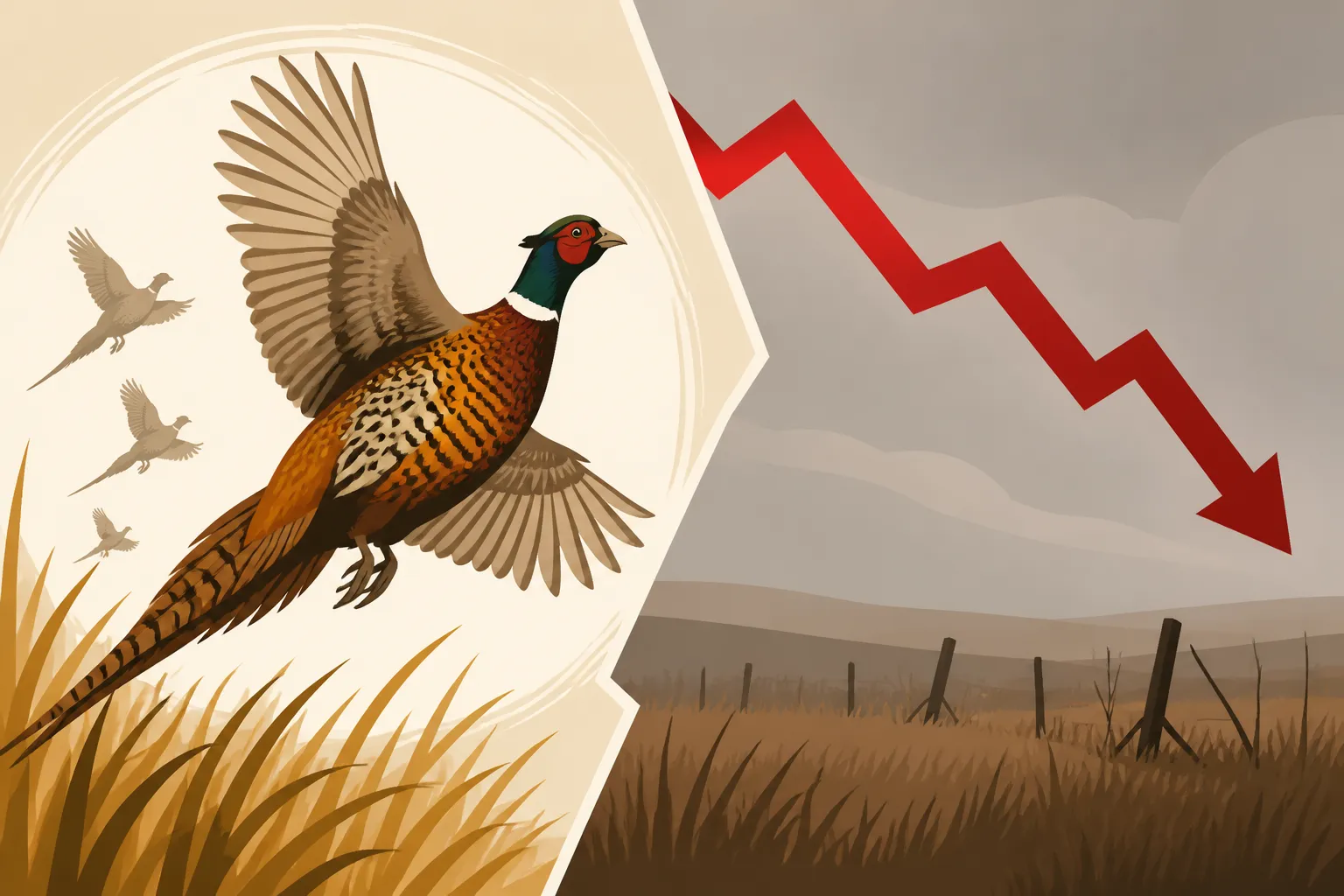
Oh, the memories of crisp autumn mornings, the sound of a rooster pheasant cackling as it explodes from cover, and the anticipation of a good bird dog working a field. For many of us who grew up hunting Nebraska, those moments defined our fall. But let's be honest, those days of seemingly endless pheasant flushes feel like a distant memory for a lot of hunters. This guide is dedicated to exploring the complex, often heartbreaking, story behind Nebraska's pheasant population decline, diving into the factors that have reshaped our hunting landscapes and what's being done to bring back those vibrant bird numbers we all yearn for.
The Golden Age and Early Expansion of Nebraska Pheasants
It’s hard to imagine Nebraska without pheasants, yet they aren't native to our plains. Their story here is one of incredible success followed by a challenging decline. To truly understand where we are today, we have to look back at how these magnificent birds came to define fall hunting in our state. The initial introductions weren't just a biological experiment; they were a game-changer for rural communities and hunters alike.
How Pheasants Reached Nebraska and Took Hold
The ring-necked pheasant, originally from Asia, was intentionally brought to Nebraska in the early 20th century. The first successful releases really started to make a difference in the 1920s and 30s. What made Nebraska, and the Midwest in general, such a perfect fit for these foreign birds? It was a combination of factors: expansive farmlands with a mix of small grain crops, diverse weed species, undisturbed grasslands, and an abundance of edge habitat from hedgerows and fence lines. These landscapes provided everything a pheasant needed: food, nesting cover, and escape routes. The birds weren't just surviving; they were thriving and expanding their range rapidly across the state, almost like wildfire. You could almost feel the excitement building among hunters as the populations exploded. You can read more about How Pheasants Reached Nebraska and how quickly they became a cornerstone of our hunting heritage.
Remembering Nebraska's Peak Pheasant Population Years
The mid-20th century, particularly the 1940s through the early 1960s, is often remembered as the "glory days" for Nebraska pheasants. Hunters would talk about flushing dozens, sometimes even hundreds, of birds in a single field. Bag limits were generous, and the hunting pressure, while present, felt sustainable because the bird numbers were just so astronomically high. Farmers often viewed pheasants as part of the landscape, and wildlife agencies were focused on managing abundance rather than desperately trying to build back declining numbers. This era truly cemented pheasant hunting as an iconic Nebraska tradition. If you’re curious about those legendary years, you can delve deeper into Nebraska's Peak Pheasant Population data and see just how incredible the numbers once were. Those were the days when a walk in almost any corn stubble or weedy ditch almost guaranteed a flush.
The Overwhelming Impact of Habitat Loss
If you talk to any seasoned hunter or wildlife biologist in Nebraska, they'll tell you the same thing: habitat is king. And unfortunately, the biggest culprit in our pheasant population decline has been the widespread and relentless loss of quality habitat. It's not just one thing; it's a thousand small changes that, together, have transformed the landscape in ways that are simply less hospitable to pheasants. This isn't just about fewer acres; it's about the quality and connectivity of the remaining habitat.
The Rise and Fall of the CRP Program
The Conservation Reserve Program (CRP) was, for many years, a lifeline for pheasants and other grassland birds. Started in 1985, CRP incentivized farmers to take highly erodible or environmentally sensitive cropland out of production and plant it with grasses and other cover crops. These CRP fields became crucial nesting grounds, brood-rearing areas, and winter cover for pheasants. They were a game-changer, providing millions of acres of prime habitat across the Midwest, including Nebraska. When CRP acreage was at its peak, so too were pheasant numbers. It was a clear, undeniable correlation that gave us a glimpse of what could be achieved with dedicated habitat efforts. Hunters across the state celebrated these lush, undisturbed fields.
However, the tide has turned dramatically. As commodity prices for crops like corn and soybeans have risen, many landowners have chosen to pull their land out of CRP and return it to row crop production. This has led to a significant decline in available CRP acres in Nebraska, directly impacting pheasant populations. The loss isn't just in raw numbers; it's the fragmentation of what remains. Small, isolated pockets of CRP just don't offer the same continuous cover and safety that large, interconnected blocks once did. This decline in these vital conservation acres is directly linked to the drop in bird numbers, as detailed in discussions about CRP Acres and Nebraska Bird Numbers.
Monoculture and Disappearing Edge Habitat
Modern agricultural practices have further exacerbated habitat loss. The trend towards larger fields, fewer fence lines, and the widespread adoption of monoculture (planting vast areas with a single crop, like corn or soybeans) has eliminated much of the diverse habitat pheasants rely on. Where once there were hedgerows, ditches full of weeds, and small, irregular fields that created ample "edge" habitat, now you often see mile-long rows of a single crop. These clean farming practices remove the very things pheasants need for survival: safe nesting cover, diverse insect populations for chicks, and winter thermal cover.
Think about it: an unbroken sea of corn might offer some cover in late summer, but once it's harvested, it becomes a biological desert for pheasants. The critical cover provided by shelterbelts, fencerows, and uncropped corners—those neglected spots that pheasants loved—are simply gone in many areas. Even public access tools like GoHunt will highlight areas with good habitat, and you'll quickly notice that those areas are often exceptions to the general trend of agricultural intensification, showing how vital any remaining diverse cover is. The removal of these crucial transition zones means fewer places for pheasants to thrive year-round, making them far more vulnerable to predators and harsh weather.
Weather's Unpredictable Hand on Pheasant Survival
While habitat loss is a long-term, systemic issue, Mother Nature also plays a significant, often brutal, role in pheasant population fluctuations. Nebraska's weather can be extreme, swinging from brutal cold and deep snow to searing droughts. These climatic events don't just affect individual birds; they can have a widespread impact on entire year classes, setting back recovery efforts even in areas with decent habitat. Understanding these cycles helps temper expectations and highlights the fragility of pheasant populations.
The Harsh Reality of Severe Winters
Nebraska winters can be unforgiving. Deep, prolonged snow cover, especially when coupled with ice storms and bitter cold, is devastating for pheasants. Birds struggle to find food when the ground is blanketed in snow, depleting their energy reserves. Even worse, lack of suitable thermal cover means they can freeze to death or succumb to exposure. Pheasants need dense, woody cover or thick cattail sloughs to escape blizzards and extreme cold. Without it, they're sitting ducks (or sitting pheasants, rather) for the elements.
A severe winter can wipe out a significant portion of the adult breeding population, meaning fewer birds in the spring to lay eggs. This impact reverberates for years, making it incredibly difficult for populations to bounce back quickly, even if the subsequent springs are mild. The challenges are real, and understanding Winter Weather and Pheasant Survival is key to appreciating the resilience these birds need just to make it through January and February in Nebraska.
Drought Conditions and Nesting Success
On the flip side, hot, dry summers can be equally detrimental, particularly during the crucial nesting and brood-rearing periods. Pheasant hens build nests in grassy cover, and their chicks rely on an abundance of insects for protein in their first few weeks of life. Drought conditions can suppress insect populations, leaving chicks without a vital food source. Additionally, dry conditions can lead to earlier haying or burning of residual cover, destroying nests and exposing young chicks to predators and heat stress.
A string of dry years can severely impact nesting success and chick survival, leading to poor recruitment (the number of young birds added to the population). When combined with reduced nesting habitat, a severe drought can deliver a double whammy to a pheasant population already struggling. You can learn more about how crucial rainfall is during these times by looking into Spring Rain and Pheasant Nesting details, as the success of a hatch often hinges on favorable conditions after the long winter.
Understanding Current Pheasant Numbers and Challenges
After decades of decline, many hunters are left wondering what the current status of Nebraska's pheasant population truly is. While the peak numbers of the mid-20th century are likely a thing of the past, conservation efforts are ongoing, and understanding present-day challenges helps paint a realistic picture for hunters heading afield. It’s not all doom and gloom, but it requires adjusting expectations and being smarter about how and where we hunt.
Where Nebraska Pheasant Numbers Stand Today
Pheasant populations in Nebraska, while not at their historic highs, have shown some variability year to year, largely dependent on nesting conditions and winter severity. The Nebraska Game and Parks Commission conducts annual roadside counts, often called the Rural Mail Carrier Survey, which provide an index of bird numbers. These surveys, combined with hunter harvest reports, give biologists a snapshot of population trends. Generally, numbers are significantly lower than decades ago, but certain regions of the state, particularly those with more intact grassland and CRP, tend to hold better bird densities.
Hunters often use resources like GoHunt or the Public Access Atlas to scout for these better areas, looking for parcels with a good mix of cover types. While statewide averages might seem discouraging, localized hotspots still offer viable hunting opportunities. However, the days of finding birds on every section are largely gone. You can find up-to-date data on Nebraska Pheasant Numbers Today to see the current trends and harvest reports, which helps in planning your season.
The Challenge of Shifting Hunter Expectations
One of the biggest struggles alongside the biological decline is the shift in hunter expectations. Those of us who grew up in the "glory days" often compare current hunts to those past experiences, leading to frustration. Newer hunters, however, may have more realistic expectations, having never experienced the sheer abundance of decades ago. This gap in experience can sometimes create tension and misunderstanding about the state of pheasant hunting.
It’s crucial for hunters to adapt. This means more scouting, focusing on prime habitat, walking more miles, and often hunting smaller pockets of cover more thoroughly. It also means celebrating every flush and every bird in the bag, rather than measuring success solely by high limits. Conservation efforts depend on hunter participation and license sales, so keeping hunters engaged, even with fewer birds, is paramount. This adaptation also involves leveraging tools like GoHunt to find prime hunting locations and increase success rates, even when overall bird numbers are lower than historical averages.
Conservation and Management Efforts in Nebraska
Despite the challenges, many dedicated individuals and organizations are working tirelessly to improve pheasant habitat and boost populations in Nebraska. These efforts range from large-scale governmental programs to grassroots initiatives by private landowners and conservation groups. It's a complex, long-term endeavor that requires sustained commitment and adaptive management strategies.
The Berggren Pheasant Plan and its Evolution
The Berggren Pheasant Plan, initiated by the Nebraska Game and Parks Commission, is one of the most significant state-led efforts to reverse the pheasant decline. It’s a comprehensive, landscape-level approach focused on habitat creation and enhancement in key pheasant production areas. The plan targets specific geographic regions with the most potential for pheasant recovery, aiming to increase nesting, brood-rearing, and winter cover. This involves working with private landowners through various incentive programs, planting diverse grasses, and promoting sound land management practices.
The plan isn't static; it evolves as new data emerges and conditions change. Initially focusing on a set of core landscapes, it has adapted its strategies to address new challenges and leverage new opportunities for habitat development. The goals are ambitious but necessary to make a measurable impact on bird numbers. To understand the specifics of this vital initiative, reading about The Berggren Pheasant Plan and What the Berggren Plan Set Out to Do provides crucial insights into how Nebraska is fighting back against habitat loss.
Future Strategies and Hunter Involvement
Looking ahead, the future of pheasant hunting in Nebraska hinges on a multi-faceted approach. This includes continued and expanded conservation programs like the Berggren Plan, advocating for strong agricultural policies that support wildlife habitat, and increasing public and private land access for hunters. Innovation in habitat creation, such as targeted food plots for winter sustenance and strategically placed dense cover, will also play a role.
But perhaps most importantly, hunter involvement is critical. By purchasing hunting licenses and habitat stamps, hunters directly fund many of these conservation efforts. Volunteering for habitat projects, advocating for conservation-friendly policies, and supporting organizations like Pheasants Forever are all ways hunters can contribute beyond just pulling a trigger. Utilizing mapping and scouting platforms, like GoHunt, to better understand habitat conditions and share ethical hunting practices also helps ensure that the future of pheasant hunting remains bright, even if it looks different than the past. We have to be active participants, not just observers, in the effort to rebuild our pheasant legacy.
Here’s a look at some key factors influencing Nebraska’s pheasant populations:
| Factor | Impact on Pheasant Populations | Historical Trend | Current Status | Management Strategy |
|---|---|---|---|---|
| CRP Acres | Crucial nesting/winter cover | High (1980s-1990s) | Declining | Landowner incentives, targeted enrollments |
| Agricultural Practices | Habitat loss, monoculture | Increasing intensity | Widespread | Promote diverse crops, food plots, edge habitat |
| Severe Winters | Direct mortality, reduced breeders | Cyclical, unpredictable | Variable, high impact | Dense winter cover, thermal refuges |
| Drought | Poor nesting success, chick survival | Cyclical, unpredictable | Variable, high impact | Water sources, diverse insect-rich brood habitat |
| Predation | Nest/chick mortality | Stable/Increasing | Persistent threat | Habitat connectivity, predator management (limited) |
| Disease | Localized outbreaks | Generally low impact | Watched closely | Healthy populations are more resilient |
The Path Forward for Nebraska's Pheasants
The journey to bring back robust pheasant populations in Nebraska is a marathon, not a sprint. It’s a continuous effort that requires dedication from state agencies, private landowners, conservation groups, and, crucially, hunters themselves. The landscape has changed, and while we may never return to the sheer numbers of the mid-20th century, there is hope for a vibrant future for pheasant hunting in our state. By focusing on habitat, understanding the dynamics of weather, and adapting our expectations, we can ensure that the cackle of a rooster pheasant remains a quintessential sound of fall in Nebraska for generations to come.
Disclaimer
This guide is for informational purposes only and should not be considered legal advice. Hunting regulations, seasons, and permit requirements in Nebraska are subject to change. Always consult the latest official Nebraska Game and Parks Commission regulations before planning any hunting activity. Ethical hunting practices and landowner permission are paramount.