When Nebraska’s Elk Seasons Run by Unit
Elk hunting in Nebraska is one of those elusive dreams for many resident hunters, fraught with incredible excitement but also the very real frustration of extremely limited permits. It’s a pursuit that often feels more like winning the lottery than just buying a tag over the counter. But for those dedicated few who do draw a coveted permit, understanding the intricate, unit-specific season dates is absolutely critical for success. This guide will walk you through Nebraska's elk management units and when you can hunt them, so you can plan your strategy if you're lucky enough to punch that golden ticket.
The Elusive Nature of Nebraska Elk Hunting
Let's be honest, elk hunting in Nebraska isn't like heading to the Rockies. We're not talking about thousands of animals roaming vast wilderness. Our elk herds are smaller, carefully managed, and distributed across specific areas, primarily in the rugged Pine Ridge and portions of the Sandhills. This makes drawing a permit a monumental challenge. The Nebraska Game and Parks Commission (NGPC) works diligently to manage these herds, balancing population control with providing hunting opportunities, all while mitigating agricultural depredation. It's a tightrope walk, and it directly impacts the number of permits available each year.
The history of elk in Nebraska is fascinating, a testament to conservation efforts after they were extirpated from the state by the late 1800s. Their return and subsequent management mean that every elk hunted here is a success story in itself. However, this also means the odds of drawing are incredibly low, often in the single-digit percentages, even for residents. If you’re dreaming of a Nebraska elk hunt, know that you’re entering a highly competitive arena where patience and persistence are key. It’s not a matter of if, but when you might draw, so understanding the units and seasons is vital for when that day finally comes. For more context on the species, you can read about Nebraska's Elk Herds and Where They Live.
Why Elk Seasons Are Unit-Specific
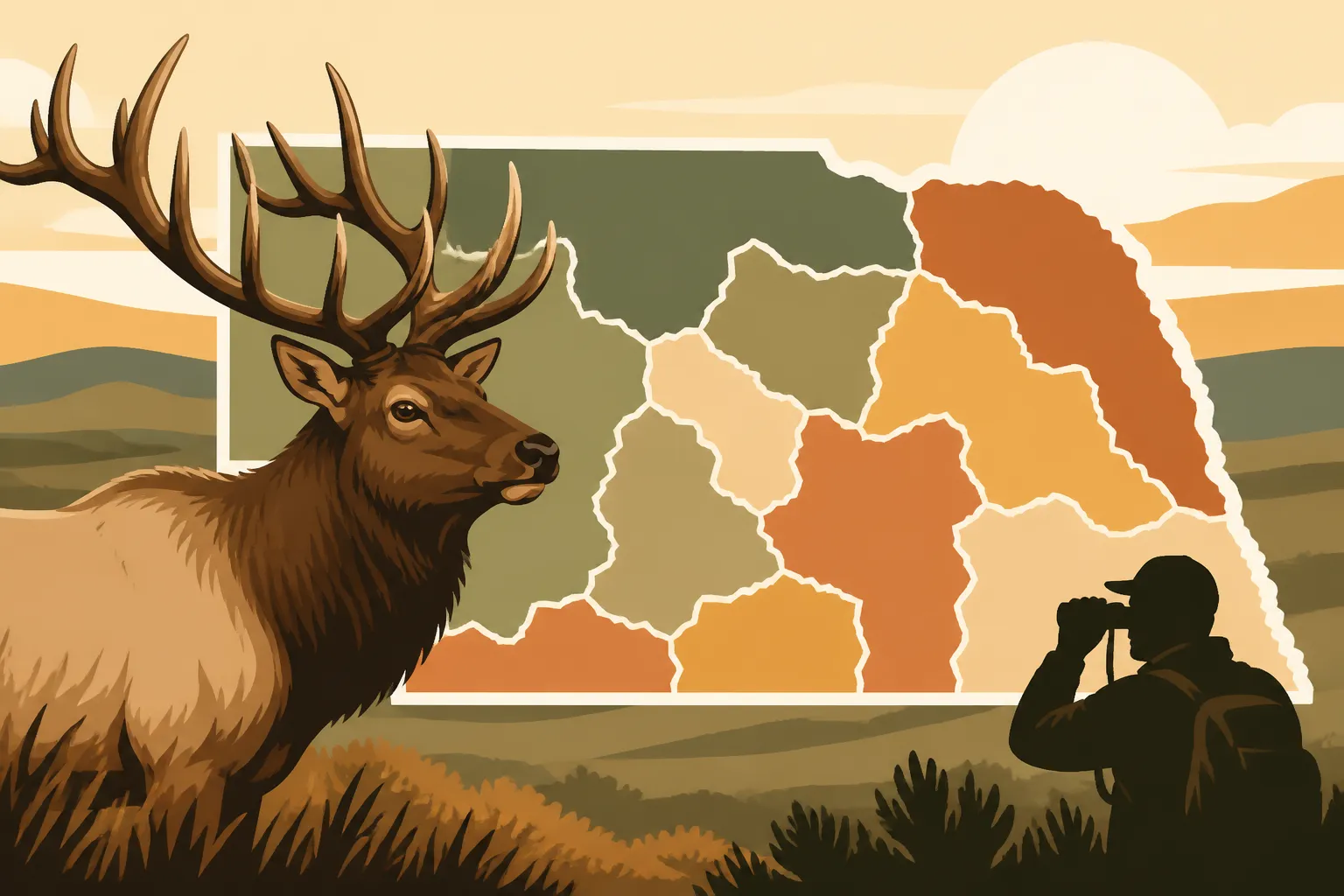
Unlike deer or turkey permits, which might offer broader statewide or regional options, Nebraska’s elk permits are hyper-localized, tied directly to specific Elk Management Units (EMUs). This isn't just about making things complicated; it's a strategic necessity. Each EMU has a unique habitat, herd size, and land ownership mosaic (public vs. private). The NGPC sets quotas and seasons for each unit to manage localized populations, prevent overharvest in specific areas, and address issues like crop damage where elk might congregate.
For instance, an EMU with more private land might have seasons structured differently than one with significant public access like parts of the Pine Ridge, reflecting the need to concentrate harvest or offer different opportunities. These unit boundaries are critical, and crossing them, even accidentally, with a unit-specific tag could lead to serious violations. Before you even apply, you should familiarize yourself with these boundaries using tools like the Nebraska Public Access Atlas or a robust mapping application. The unit-specific approach ensures that the limited elk resource is managed sustainably, year after year.
Decoding Elk Season Dates by Management Unit
Alright, let's get down to the nitty-gritty: the actual season dates. These are generally consistent year to year, but always, always double-check the current year's Nebraska Game and Parks Commission regulations before planning your hunt. The NGPC website is your ultimate source of truth. As a reminder, elk permits in Nebraska are for residents only, so non-residents cannot apply. This can be a tough pill to swallow for out-of-state hunters, but it's part of the management strategy to provide opportunities for Nebraskans.
Nebraska currently has several active Elk Management Units. While there might be minor adjustments, the core units typically include Hat Creek, Bordeaux, North Platte, Box Elder, Monroe, Cedar, and Ash Creek. Each unit has a mix of archery and firearm seasons, often further broken down into bull-only or antlerless-only opportunities, and sometimes youth hunts.
Archery Elk Seasons
The archery season offers the longest window, providing a substantial opportunity for those willing to brave the early season heat and the late-season cold. This extended season allows archers to adapt to changing conditions and elk behavior.
- Archery Bull Elk: Generally runs from September 1st through December 31st. This is a broad window that covers the pre-rut, the peak of the rut, and even late-season feeding patterns. Archers often target the rut in late September and early October when bulls are most vocal and vulnerable to calling.
- Archery Antlerless Elk: Also typically runs from September 1st through December 31st. Antlerless permits are crucial for herd management, helping to control population growth and distribute pressure. This can be a great opportunity for meat hunters who are successful in the draw.
The beauty of the archery season is its flexibility. You can scout extensively during the summer, practice your calls, and have multiple chances to get into elk territory. However, elk are incredibly wary, and getting within bow range requires immense skill, stealth, and a deep understanding of their movements and the terrain. Early season hunts can be hot and dry, making scent control paramount, while late season hunts demand cold-weather gear and careful navigation of snowy conditions.
Firearm Elk Seasons
Firearm seasons are much shorter and more tightly regulated, designed to provide concentrated harvest periods. These seasons are highly anticipated, but the limited timeframe means hunters need to be prepared and efficient.
Here’s a general breakdown of common firearm seasons and their typical timing, though exact dates shift annually:
- Hat Creek Unit: Often one of the most sought-after units. Firearm bull seasons usually occur in early October (e.g., Oct 1-15) and sometimes a later season in early December (e.g., Dec 1-15). Antlerless firearm seasons can run in late August/early September, mid-October, and early December.
- Bordeaux Unit: Similar to Hat Creek, with firearm bull seasons frequently scheduled in early October and early December. Antlerless firearm permits might be available in late August/early September, mid-October, and early December.
- North Platte Unit: Often has a firearm bull season in mid-October and sometimes an early December window. Antlerless seasons may mirror those of the Pine Ridge units.
- Box Elder, Monroe, Cedar, Ash Creek Units: These units, often further east or south in the Sandhills, can have varied firearm seasons. Expect bull seasons in mid-October or early December. Antlerless firearm permits are often critical here for herd control and can run from late August/early September, through mid-October, and sometimes late December/early January.
Youth Firearm Antlerless Elk: A special season is usually set aside for youth hunters, often in September (e.g., Sept 1-15), providing a fantastic opportunity for the next generation of hunters to experience elk hunting. These permits are typically antlerless-only, focusing on teaching ethical hunting and herd management.
It's important to remember that these firearm seasons are often split into multiple, shorter segments. For example, a "bull" permit might be valid for a specific two-week period in October or a different two-week period in December. When you apply, you’ll typically indicate your preferred unit and season choice. Pay close attention to the specific dates on your permit if you draw one! A well-known platform like GoHunt can be invaluable for cross-referencing these dates with your application strategy and scouting plans.
Here’s a simplified table summarizing the typical season structure:
| Season Type | General Period | Target | Management Goal |
|---|---|---|---|
| Archery Bull | Sept 1 – Dec 31 | Mature Bulls | Trophy opportunity, rut hunting |
| Archery Antlerless | Sept 1 – Dec 31 | Cows, Calves | Herd control, meat harvest |
| Firearm Bull | Early Oct / Early Dec | Mature Bulls | Concentrated harvest, population management |
| Firearm Antlerless | Aug-Sept / Mid-Oct / Late Dec-Jan | Cows, Calves | Aggressive herd control, depredation mitigation |
| Youth Firearm | Early-Mid Sept | Antlerless (Youth) | Youth hunting opportunity, future hunter recruitment |
This table provides a general overview, but always check the current year's regulations for exact dates and unit-specific details.
Strategies for Navigating Elk Season Challenges
Drawing a Nebraska elk permit is half the battle; successfully harvesting an elk is the other. Given the limited opportunities and often challenging terrain, a solid strategy is paramount. It starts long before the season ever opens.
Application and Preference Point Strategy
Since permits are so limited, many hunters focus on building preference points. You can purchase a preference point during the application period without applying for a permit, which increases your odds in subsequent years. This strategy is essential for anyone serious about hunting elk in Nebraska, as it could take many years, even a decade or more, to draw a permit, especially for a bull. For more on this, check out Nebraska Big Game Permits and How to Get One and How the Nebraska Big Game Lottery Works.
When applying, consider applying for antlerless permits first if your primary goal is to hunt elk, not necessarily a trophy bull. Antlerless permits often have better draw odds, though still challenging. While many dream of a big bull, any elk hunt in Nebraska is an incredible experience. Understanding your Nebraska Elk Permit Eligibility is also a crucial first step.
Scouting and E-Scouting for Success
Once you have a permit in hand (congratulations!), scouting becomes your full-time job. Elk in Nebraska don't have vast wilderness to hide in, but they are masters of using broken terrain, thick cover, and private land to their advantage. E-scouting with satellite imagery and mapping apps is an excellent starting point. Identify potential bedding areas, water sources, and travel corridors. Look for areas with good cover connected to agricultural fields, especially in the Sandhills units, or the deep canyons and timber pockets of the Pine Ridge.
Actual boots-on-the-ground scouting is irreplaceable. Hike the areas, look for fresh sign like tracks, rubs, and droppings. During the summer, listen for bugles at dawn and dusk. Remember that elk can cover a lot of ground, so understanding their seasonal movements is key. If you're hunting an archery season during the rut, focus on areas with good cover where bulls might be bugling. For firearm seasons, especially later ones, concentrate on food sources and thermal cover where elk might seek refuge from cold and wind. Tools like GoHunt can offer valuable insights into unit characteristics, historical harvest data, and public land access points that can inform your scouting.
Accessing Nebraska Elk Country
A significant challenge for Nebraska elk hunters is access. Much of the prime elk habitat in Nebraska is on private land. Respecting landowner rights and securing permission is absolutely vital. Start early, well before the season. Knock on doors, introduce yourself, and explain your intentions. Offer to share meat or help with chores. A good relationship with a landowner can make all the difference.
Public land exists, primarily within the Pine Ridge units (like the Nebraska National Forests and the Oglala National Grassland), but these areas can be pressured. Be prepared to walk miles to get away from other hunters. The Hunting the Nebraska Pine Ridge Escarpment article can provide specific insights into public land opportunities in that region. Even on public land, understanding the terrain and where elk might find sanctuary is key to Finding Ground That Sees Fewer Hunters. Elk will quickly learn to utilize small pockets of cover or rough terrain where human pressure is minimal.
Beyond the Hunt: What Happens After the Season
Whether you're celebrating a successful harvest or reflecting on a challenging hunt, the end of the elk season doesn't mean the end of your engagement. If you were fortunate enough to draw and harvest an elk, ensure you follow all tagging and check-in procedures outlined by the NGPC. This data is vital for future management.
For those who didn't draw a permit this year, or who hunted hard but didn't fill their tag, it's a waiting game. The application process for the next year will roll around, and it's time to decide whether to apply again, or purchase a preference point. Remember, Nebraska elk hunting is a marathon, not a sprint. Staying informed about herd changes, new regulations, and application dates is part of the long-term strategy. Many hunters continue to scout and observe elk outside of hunting season, building their knowledge base for when their number is finally called. This dedication is what makes a Nebraska elk hunt so special, whether you get to punch a tag or not.
Disclaimer
The information provided in this guide is for general informational purposes only and is based on typical Nebraska hunting regulations. Hunting regulations, season dates, and unit boundaries are subject to change by the Nebraska Game and Parks Commission (NGPC). Always consult the current official NGPC hunting guide and regulations for the most accurate and up-to-date information before planning any hunting trip. Compliance with all state and federal hunting laws is the sole responsibility of the hunter.