Mentor Requirements for a Nebraska Youth Hunter
Getting your child, grandchild, niece, or nephew involved in hunting is one of the most rewarding experiences imaginable, but let's be honest, the rules and regulations can feel like a thicket as dense as the deepest cedar draw. Understanding who qualifies to mentor a young hunter in Nebraska, and what their responsibilities truly entail, is paramount not just for legal compliance, but for fostering a safe, ethical, and positive introduction to the outdoors. This guide will walk you through everything you need to know about mentor requirements for a Nebraska youth hunter.
What Exactly is a "Mentor" in Nebraska Youth Hunting?
When we talk about a "mentor" in the context of youth hunting in Nebraska, we're not just talking about someone who takes a kid along for the ride. It's a specific, legally defined role with clear responsibilities designed to ensure the safety, education, and ethical conduct of the young hunter. The Nebraska Game and Parks Commission (NGPC) has set these guidelines because they understand that a positive first experience, guided by a knowledgeable adult, is key to developing responsible future conservationists.
It's a common misconception that anyone with a hunting permit can just supervise a kid. While that might be true in some states or for certain activities, Nebraska has a more structured approach, particularly with programs like the Apprentice Hunter program. The core idea is to provide hands-on, direct supervision and instruction, especially for those young hunters who haven't yet completed their hunter education course. This isn't just about showing them where to aim; it's about teaching them everything from proper firearm handling to understanding game laws and respecting wildlife.
The Legal Framework for Mentorship
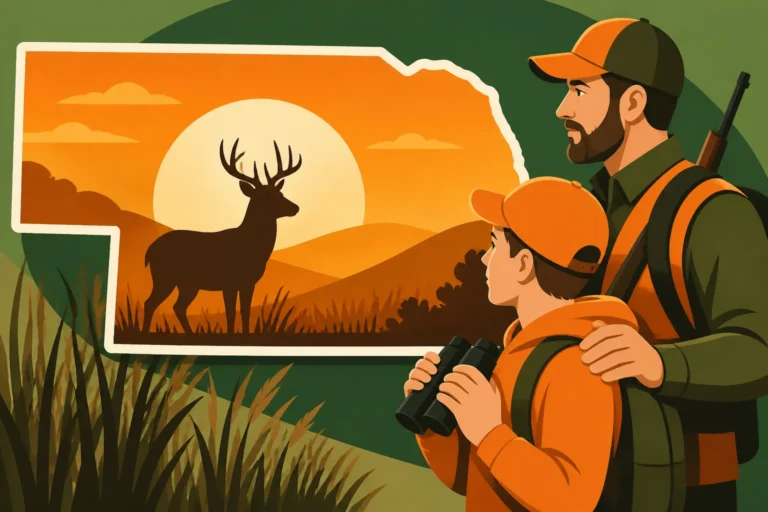
Nebraska's hunting regulations outline the specifics of who can mentor and what their duties are. For youth under 12, or those aged 12-15 who haven't completed hunter education, direct, continuous supervision by a qualified mentor is mandatory. This isn't a suggestion; it's a rule that ensures an experienced, responsible adult is always present and actively overseeing the young hunter's actions. It means being close enough to take immediate control of the firearm or bow, and to provide guidance on every decision.
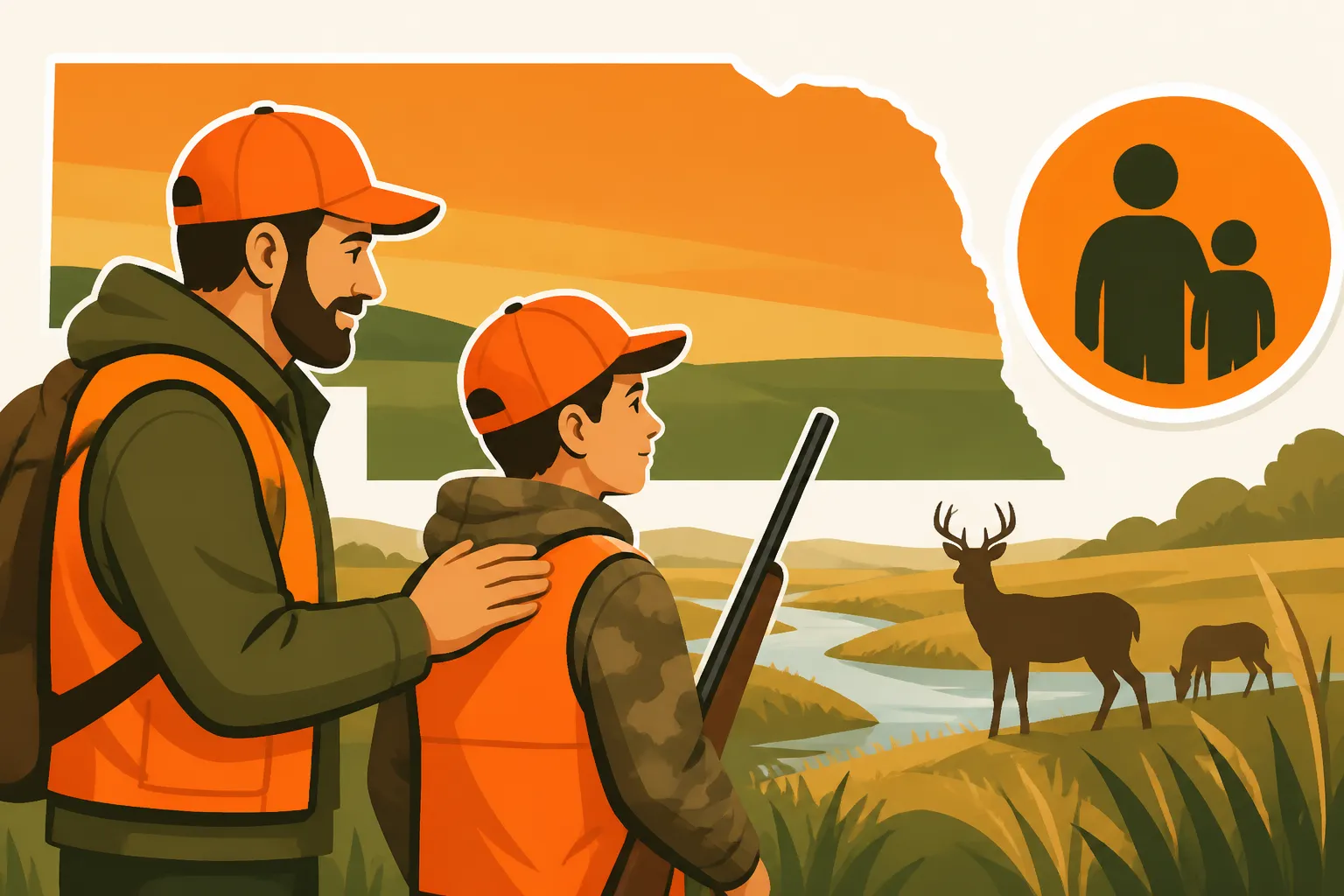
Consider a scenario: a young hunter, let's call him Alex, is out with his dad, Mike, during the Nebraska's Nine-Day November Firearm Deer Season. Alex hasn't taken his hunter education yet. Mike isn't just sitting in the truck sipping coffee; he's right there, often within an arm's reach. If Alex spots a deer, Mike is whispering instructions, ensuring the target is identified correctly, checking the backdrop for safety, and confirming Alex's shooting position. This direct involvement is the essence of legal mentorship in Nebraska. It’s about more than just compliance; it's about safeguarding the young hunter and everyone else in the field.
Why Mentors Are Crucial for Safety and Ethics
Beyond the legal aspect, mentors are the cornerstone of safety and ethical hunting practices. Think about all the nuances involved in a hunt: understanding wind direction, reading deer sign, knowing shot placement, and even something as basic as walking safely with a loaded firearm. These aren't things you learn from a textbook alone. They are passed down through experience, guided by someone who has lived and learned them.
An effective mentor teaches restraint, patience, and respect for the animal and the environment. They instill the values of fair chase and responsible stewardship. For instance, when it comes to a topic like Field Dressing and Cooling Game in Warm Weather, a mentor doesn't just tell a young hunter what to do; they demonstrate it, explain the "why," and guide them through the process. This kind of experiential learning, facilitated by a dedicated mentor, is invaluable. It’s how future generations learn not just to hunt, but to hunt responsibly and ethically.
Who Can Be a Mentor? Eligibility Criteria and Responsibilities
So, who exactly fits the bill for a mentor in Nebraska? The NGPC has specific requirements, and it's essential to meet all of them to legally guide a youth hunter. It's not about being the best shot in the county; it's about being responsible, knowledgeable, and committed to teaching.
The Basic Eligibility Requirements
To be a legal mentor for a youth hunter in Nebraska, you must generally meet these criteria:
- Age: The mentor must be at least 19 years old. This isn't just an arbitrary number; it signifies a level of maturity and experience that the state deems necessary for supervising a young, potentially inexperienced hunter in a potentially hazardous environment.
- Valid Permits/Licenses: The mentor must possess all valid hunting permits and stamps required for the species being hunted in Nebraska. This usually includes a Nebraska Hunt Permit and a Habitat Stamp, and potentially other stamps like a Federal Duck Stamp if waterfowl hunting. Essentially, if you couldn't legally hunt yourself, you can't mentor someone else. This ensures that the mentor is already familiar with the permit system and compliant with state regulations.
- Hunter Education: If the mentor was born on or after January 1, 1977, they must have successfully completed a Nebraska-approved hunter education course. This ensures the mentor has a foundational understanding of hunting safety, ethics, and game laws. If they were born before January 1, 1977, hunter education is not required for them to hunt or mentor.
It’s worth noting that Nebraska also offers "Apprentice Hunter" exemptions, which we’ll delve into shortly. However, even under this program, the mentor's qualifications remain steadfast. You can't bypass the mentor requirements just because the youth is an apprentice. Platforms like GoHunt are great for checking current regulations and permit requirements, helping mentors ensure they're fully compliant before heading afield.
Key Responsibilities of a Mentor in the Field
Being a mentor is an active role, not a passive one. Your responsibilities go far beyond just showing up. Here’s a breakdown of what’s expected:
- Direct and Continuous Supervision: This is the big one. The mentor must be in direct control and continuous attendance with the apprentice hunter. This means being close enough to immediately assume control of the hunting device (firearm or bow) if necessary. It’s not about being in the same general area; it’s about being with them, every step of the way. If you’re Hunting a Shelterbelt Between Nebraska Fields, you’re walking the same rows, maintaining constant communication, and observing their every move.
- Instruction and Education: A mentor is a teacher. This involves instructing the youth hunter on safe firearm or bow handling, shot placement, game identification, game recovery, and adherence to all hunting laws and regulations. You're teaching them not just how to hunt, but how to be a responsible hunter. This includes understanding things like Nebraska Legal Shooting Hours and the importance of checking them.
- Ethical Conduct: Mentors are role models. They must demonstrate ethical hunting behavior, respect for private property (understanding Nebraska Trespass and Permission Law is critical here), and proper care for harvested game. Teaching a young hunter to identify legal game, pass on questionable shots, and respect the animal are all part of the mentor's ethical duty.
- Legal Compliance: The mentor is ultimately responsible for ensuring the youth hunter complies with all hunting laws and regulations. This means being aware of bag limits, season dates, and any specific unit restrictions. For example, if you're exploring Scouting Nebraska Public Ground Before Opening Day, you're also using that time to teach the young hunter about public land etiquette and regulations.
Here’s a quick summary table of mentor requirements:
| Requirement | Details | Why It Matters |
|---|---|---|
| Minimum Age | 19 years old | Ensures maturity and a certain level of life experience for supervision. |
| Valid Permits | All required permits/stamps for the hunt (e.g., Hunt Permit, Habitat Stamp) | Confirms mentor's compliance and familiarity with regulations. |
| Hunter Education | Required if born on/after January 1, 1977 | Ensures foundational knowledge of safety, ethics, and laws. |
| Supervision Level | Direct and continuous attendance, able to take immediate control | Paramount for safety and real-time guidance during a hunt. |
| Instruction | Teaching safety, ethics, game ID, regulations, field care | Develops responsible, knowledgeable, and ethical future hunters. |
The "Apprentice Hunter" Program: How It Works with Mentors
Nebraska's Apprentice Hunter program is an incredible opportunity designed to remove a common barrier to entry for new hunters: the mandatory hunter education course. It allows individuals, including youth, to try hunting under strict supervision before completing the full hunter education course. This is where the mentor becomes absolutely indispensable.
Understanding the Apprentice Hunter Exemption
The Apprentice Hunter Exemption allows someone to purchase a hunting permit without first completing hunter education. This is particularly valuable for youth who might be keen to try hunting but haven't had the time or opportunity to take the full course. However, this exemption is not a free pass to hunt alone or unsupervised. It comes with a critical caveat: the apprentice hunter must hunt with a qualified mentor. This is explicitly covered in the rules around Nebraska Apprentice Hunter Exemption.
The program is a fantastic way for families to get out in the field together, letting a young person experience the thrill and challenge of hunting firsthand. It's often the spark that ignites a lifelong passion. Many young people, after a season or two as an apprentice, are then highly motivated to complete their hunter education course to gain more independence.
The Mentor's Role with an Apprentice
When mentoring an apprentice hunter, your role is elevated even further. You are their direct link to safe and ethical hunting. Since they haven't completed hunter education, they rely entirely on you for all knowledge and guidance in the field. This means:
- Heightened Vigilance: You need to be even more acutely aware of the apprentice's actions, ensuring that every movement, every decision, is safe and compliant. This means constantly reinforcing firearm safety rules, like muzzle control and target identification.
- Comprehensive Instruction: You're not just supervising; you're actively teaching from square one. This includes everything from how to properly load and unload a firearm, to understanding species identification, to knowing the subtle art of Reading Sign on a Nebraska Sandhills Two-Track. Your words and actions are their primary learning source.
- Setting the Standard: For an apprentice, you are the living embodiment of a responsible hunter. Every action you take, every decision you make, will shape their perception of hunting. This includes showing respect for landowners, following conservation principles, and handling game ethically.
It's also important to remember that while the apprentice program allows a delay in hunter education, it’s not a permanent substitute. The goal is to provide an introduction, with the expectation that the apprentice will eventually complete the full hunter education course if they wish to continue hunting independently. This ensures a thorough understanding of safety and ethics, which is critical for all hunters in Nebraska. The availability of Youth Deer Permits and Mentored Hunts often goes hand-in-hand with this program, making it easier for young apprentices to get their first big game experience.
Ensuring a Safe and Ethical Hunt: Beyond the Legal Requirements
Meeting the legal mentor requirements is the absolute baseline. But for a truly successful and impactful youth hunting experience, you need to go far beyond simply checking boxes. This is about fostering a genuine love for the outdoors, an unwavering commitment to safety, and a deep respect for wildlife.
Prioritizing Safety in Every Aspect
Safety is non-negotiable, and as a mentor, you are the ultimate safety officer. This means instilling a safety-first mindset from the moment you leave the house until you return.
- Pre-Hunt Preparation: Before even stepping foot in the field, review safety rules with your young hunter. Practice dry-firing, handling the firearm or bow, and discuss shot placement scenarios. Emphasize the four fundamental rules of firearm safety:
- Treat every firearm as if it's loaded.
- Always point the muzzle in a safe direction.
- Be sure of your target and what is beyond it.
- Keep your finger off the trigger until ready to shoot.
Discuss appropriate clothing, hydration, and communication. This preparation is crucial, especially when considering the specific needs of young hunters and things like Nebraska Youth Permit Prices, which often reflect a state’s commitment to getting youth involved safely.
- Constant Vigilance in the Field: Once you're out there, your attention should be primarily on the young hunter and their surroundings. Watch their muzzle control, their footing, and their awareness of other hunters or non-hunters in the area. If you're using a ground blind, ensure it's set up safely and the shooting lanes are clear. If you’re moving through heavy cover, emphasize how to carry the firearm or bow safely.
- Responding to Incidents: Even with the best preparation, unexpected things can happen. As a mentor, you need to be prepared to take immediate control of a situation. This could mean physically guiding the muzzle away from an unsafe direction or quickly intervening if a target identification error occurs. Having a plan for what to do in case of an accident, including a well-stocked first-aid kit, is also part of responsible mentorship.
Cultivating Ethical Practices and Respect
Beyond safety, a mentor's greatest gift is passing on the deeply rooted ethics of hunting. This isn't just about following the law; it's about developing a personal code of conduct.
- Fair Chase Principles: Teach your young hunter what fair chase truly means. This involves understanding the capabilities of the game and the hunter, and ensuring that the hunt provides a genuine challenge. It's about respecting the animal enough to give it a fair chance. This is a subtle yet profound lesson that shapes a hunter's character.
- Wildlife Conservation: Connect the act of hunting to broader conservation efforts. Explain how hunting license fees contribute directly to wildlife management and habitat preservation. Discuss the importance of managing game populations, and how hunters play a vital role in maintaining ecological balance. When they see someone purchasing a Nebraska Big Game Permits and How to Get One, they should understand that it’s not just a piece of paper, but a contribution to wildlife.
- Post-Harvest Responsibilities: Emphasize the solemn responsibility that comes with harvesting an animal. This includes proper field dressing, care for the meat, and utilizing the animal's resources respectfully. Teach them to appreciate the sacrifice of the animal. This holistic approach ensures that young hunters understand the full cycle, from pursuit to table. Using tools like GoHunt to track harvest rates or read up on game populations can help reinforce these conservation discussions.
A positive mentoring experience is often what makes a youth hunter return to the field year after year. It's about building memories, teaching life skills, and instilling a deep appreciation for nature. When you mentor a young hunter, you're not just guiding them on a single hunt; you're shaping their entire relationship with the outdoors for decades to come.
Disclaimer
The information provided in this guide is for general informational purposes only and does not constitute legal advice. Hunting regulations and requirements can change, and it is the responsibility of every hunter to consult the most current Nebraska Game and Parks Commission regulations prior to hunting. Always verify specific permit, season, and safety requirements directly with the official Nebraska Game and Parks Commission sources.