Combination Permits Worth Buying
Navigating the myriad of permits and regulations for hunting in Nebraska can feel like a puzzle, especially when you're trying to make the most of your time and money. It's frustrating to buy individual permits only to realize you missed out on a more efficient, cost-effective way to pursue multiple species or seasons. This guide will walk you through the concept of combination permits in Nebraska, helping you understand which ones offer the best value and how to strategically plan your hunts.
Understanding the Nebraska Hunting Permit Landscape
Before we dive into combination permits, it's really helpful to get a grasp on how Nebraska structures its hunting permits in general. The state offers a wide array of options, from specific big game species permits to small game and various stamps. For many hunters, especially those traveling from out of state, the sheer volume of choices can be daunting. You're not just buying a "hunting license"; you're building a legal framework for your specific hunting ambitions.
The Nebraska Game and Parks Commission (NGPC) manages these permits, ensuring that wildlife populations are sustained while offering diverse hunting opportunities. Typically, you'll need a basic annual hunt permit, and then add on specific species permits, habitat stamps, and possibly federal stamps for migratory birds. The complexity often comes when you start thinking about hunting multiple species or across different seasons, which is where combination permits can really shine.
Basic Permit Requirements
Every hunter in Nebraska, with very few exceptions like apprentice hunters, needs to start with a fundamental annual hunt permit. This permit is your gateway to hunting in the state, but it doesn't give you the right to hunt specific big game or migratory birds without additional tags. Think of it as your base membership. For residents, this is straightforward, but for nonresidents, the cost of a Nebraska Nonresident Annual Hunt Permit can be a significant investment, making it even more crucial to maximize its value.
Beyond the annual permit, you'll almost certainly need a Nebraska Habitat Stamp. This stamp is vital for conservation efforts, funding land acquisition and management that directly benefits wildlife and, in turn, provides public hunting opportunities. It's a mandatory purchase for most hunters, so factor it into your initial budget. For waterfowl hunters, don't forget the Federal Duck Stamp, which is a requirement across the entire country for anyone 16 years or older pursuing ducks, geese, and other migratory game birds.
The Appeal of Streamlined Access
The core frustration many hunters face is the administrative burden and cumulative cost of buying permits piece by piece. You might want to bowhunt deer in September, then pursue pheasants in October, and maybe return for a late-season goose hunt. Buying each permit separately can quickly add up, both in terms of money and the time spent navigating online portals or local vendors. This is where the concept of a combination permit really resonates. It simplifies the process, often consolidates costs, and provides a broader range of hunting opportunities under a single purchase. It’s about more than just saving a few dollars; it’s about opening up flexibility in your hunting schedule and making it easier to pursue diverse game throughout the season without constant re-evaluation of what you’re legally covered for.
What Makes a Combination Permit "Worth It"?
When we talk about combination permits being "worth it," we're not just looking at a simple dollar figure. It's about value, flexibility, and the ability to tailor your hunting experience to your ambitions. A combination permit is worth buying when it strategically aligns with your hunting goals, whether that's pursuing multiple species, extending your time afield, or reducing the overall cost compared to individual purchases.
For many hunters, especially nonresidents who pay higher fees, these bundled options can turn a good hunt into a great one by opening up unexpected opportunities. Imagine you're primarily coming to Nebraska for deer, but a combination permit suddenly makes it feasible to chase pheasants or ducks if your deer hunt wraps up early or conditions aren't ideal. This kind of flexibility is priceless for hunters who travel significant distances.
Cost Savings and Efficiency
The most immediate and obvious benefit of a combination permit is often the direct cost savings. While not every combination permit offers a massive discount over buying individual tags, many provide a noticeable reduction, especially when you factor in the administrative fees that might be attached to multiple separate transactions. The Nebraska Game and Parks Commission is pretty transparent about its pricing, and a quick check of their permit options will show you where these savings lie.
Beyond just the price tag, there's an efficiency factor. Instead of juggling multiple pieces of paper or digital permits, a combination permit consolidates your legal documentation. This is particularly valuable when you're deep in the field, far from cell service, and need to quickly verify your compliance. It streamlines your planning, knowing that you're covered for a broader range of species or seasons without needing to remember every single expiration date for individual tags. Tools like the GoHunt insider platform can be incredibly useful for comparing these permit options and understanding the full cost implications for residents and nonresidents alike.
Expanding Hunting Opportunities
Perhaps the most exciting aspect of combination permits is the expanded hunting opportunities they unlock. Let's say your primary goal is to hunt deer. A combination permit might allow you to also pursue small game like pheasants, quail, or rabbits, or perhaps even a fall turkey. This means that if your deer hunt concludes successfully ahead of schedule, or if deer activity is slow, you have other legal options to fill your time and freezer. This isn't just about bagging more game; it's about maximizing your time in the Nebraska outdoors.
Consider the versatility:
- Multi-species hunts: A permit might cover big game and small game, allowing you to transition seamlessly between hunting different animals.
- Extended seasons: Some combinations extend your hunting window, allowing you to participate in early or late seasons that might otherwise require separate purchases.
- Flexibility on the fly: If you're on a multi-day trip, having broader coverage means you can adapt to weather changes, game movement, or simply explore new types of hunting without needing to buy another permit. This is particularly true in areas like the expansive Sandhills, where unexpected opportunities can arise.
Popular Combination Permit Strategies for Nebraska Hunters
When it comes to putting together a winning permit strategy in Nebraska, it's all about matching the right combination permits to your specific hunting interests. There are several popular bundles that hunters frequently utilize to get the most bang for their buck and maximize their time in the field. Let's explore some of the most common and effective combinations.
The Big Game + Small Game Combo
This is arguably one of the most popular and versatile combinations, especially for those who travel to Nebraska primarily for deer or antelope but enjoy filling downtime with upland birds or rabbits. Imagine you've secured a coveted deer tag, perhaps for the Nebraska's Four-Month Archery Deer Season or a specific unit firearm permit. By adding a small game permit, you can seamlessly transition to hunting pheasants, quail, or cottontail rabbits if your deer hunt wraps up early, or during midday lulls when deer activity is low.
For nonresidents, the initial investment in a nonresident annual hunt permit and a deer tag is significant. Adding a small game permit on top of that often makes sense financially, as the incremental cost for the small game permit itself is generally lower than what you might expect for such diverse opportunities. This strategy is particularly effective when hunting public lands like those enrolled in Nebraska's Open Fields and Waters program, where you can often find diverse habitat supporting both big game and upland birds in the same general vicinity. Just make sure you understand the specific seasons and bag limits for each species you plan to pursue.
Waterfowl and Upland Bird Bundles
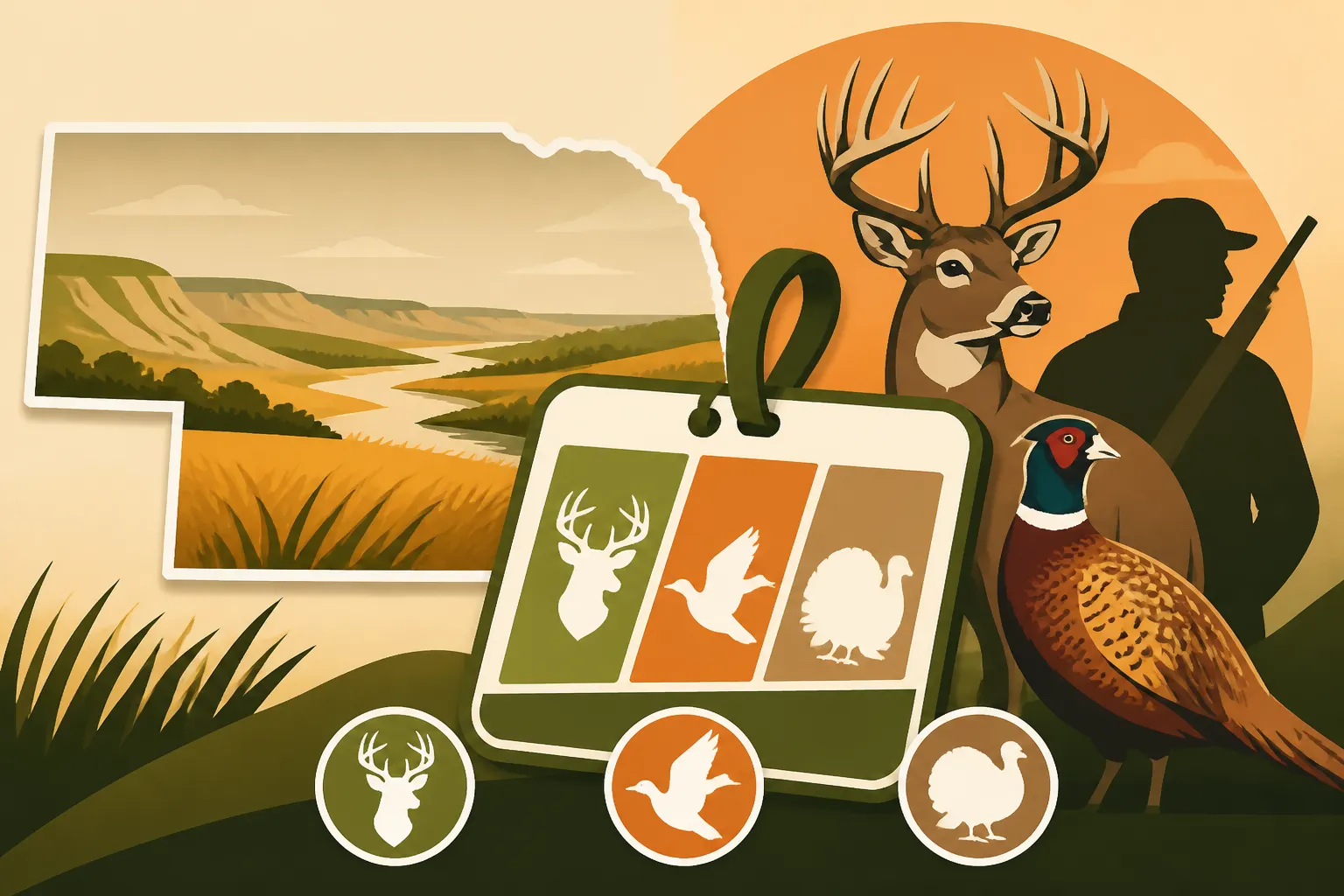
For the avid bird hunter, combining waterfowl and upland bird permits is a no-brainer. Nebraska lies smack in the middle of the Central Flyway, offering incredible duck and goose hunting, especially in areas like the Rainwater Basin. Simultaneously, the state boasts fantastic pheasant and quail opportunities. A combination that covers both allows a hunter to target ducks and geese in the morning, then switch gears to walk milo stubble fields for pheasants in the afternoon.
You'll need your basic annual hunt permit, the Nebraska Habitat Stamp, and the federal duck stamp for waterfowl. Then, adding a small game permit ensures you're covered for upland birds. This package truly unlocks the full spectrum of Nebraska's wing shooting potential. For example, you might spend your mornings in a layout blind hunting geese in a harvested cornfield, and then devote your afternoons to walking Nebraska pheasant cover with a dog in an adjacent CRP field. This flexibility means you're never truly "done" hunting for the day, even if one specific species isn't cooperating. It’s also a strategy that shines when scouting for waterfowl on one day, and then observing good pheasant habitat that you can return to the next day.
Archery Multi-Species Permits
Archery hunting offers some of the longest seasons in Nebraska, often starting in September and extending well into January. For the dedicated bowhunter, there are combination permit strategies that cater specifically to this extended window. An archery deer permit, for example, allows you to pursue whitetails and mule deer throughout most of the season, including during the critical period when the whitetail rut peaks in Nebraska.
However, what if you also want to bowhunt turkeys in the spring or fall, or even pursue pronghorn antelope with your bow during the earlier archery antelope season? While specific multi-species archery combination permits in a single bundle might not always be explicitly labeled as such, strategically purchasing an archery deer permit, an archery antelope permit (if drawn), and a turkey permit can function as a powerful "archery combo." This approach allows a bowhunter to experience diverse challenges across different landscapes, from still-hunting river bottoms for whitetails to spot-and-stalk mule deer in the Nebraska Sandhills or decoying a spring gobbler. It requires careful planning, especially for drawn permits like antelope, but the payoff in terms of varied experiences is immense.
Evaluating Combination Permits for Your Hunting Goals
Deciding which combination permits are genuinely worth your investment requires a bit of self-reflection and practical planning. It's not just about what's available, but what truly aligns with your personal hunting style, the amount of time you have, and your primary objectives for your Nebraska adventure. Don't fall into the trap of buying permits just because they're a "deal" if you won't actually use them.
Before committing, ask yourself some key questions: What species are you most passionate about? How many days do you realistically have to hunt? What are the overlapping seasons? And importantly, what's your budget? Understanding these factors will help you narrow down the best combinations.
Analyzing Your Hunting Priorities
The first step in evaluating combination permits is to honestly assess your hunting priorities. Are you a deer hunter first and foremost, with other species as secondary interests? Or are you a dedicated bird hunter looking to maximize your wing shooting opportunities? Your primary target species should guide your permit choices.
- Deer-focused hunter: If deer are your main quarry, you'll want to ensure you have the best possible deer permit (e.g., specific unit, statewide buck, antlerless-only). Then, consider what other species you might realistically pursue in the same area or during your trip. A small game permit to hunt pheasants or rabbits around your deer stand could be a great value add. You can use resources like GoHunt to analyze draw odds for specific deer units and then see what other permits might complement a successful draw.
- Bird-focused hunter: If upland birds or waterfowl are your passion, then ensuring you have the correct small game permit, migratory bird stamps, and possibly a non-game hunting permit for predators like coyotes (which can be called in while bird hunting) will be crucial. Think about the season overlaps. Can you hunt ducks in the morning and then walk for pheasants in the afternoon? Knowing Nebraska's Upland Season Dates and Bag Limits will be key here.
- Multi-species adventurer: If you truly want to experience as much as Nebraska's hunting landscape has to offer, then you'll be looking for broader coverage. This might involve a deer permit, a small game permit, and specific turkey permits. This approach often means spending more upfront but potentially enjoying a richer, more diverse hunting experience.
Seasonal Overlaps and Logistics
Even with the perfect combination permit, you still need to consider the practicalities of hunting multiple species, especially with overlapping seasons. Nebraska's hunting seasons are generally generous, but managing your time and logistics efficiently is crucial.
| Permit Type | Primary Species | Secondary Opportunities | Key Seasons | Considerations |
|---|---|---|---|---|
| Annual Hunt + Habitat + Deer | Whitetail/Mule Deer | Small Game, Predators | Archery, Firearm, Muzzleloader | Good for focused deer hunters, adds flexibility for other game. |
| Annual Hunt + Habitat + Small Game | Pheasant, Quail, Rabbit | Grouse, Squirrel, Predators | Fall/Winter Upland Season | Great for bird hunters, offers broad upland coverage. |
| Annual Hunt + Habitat + Waterfowl Stamps | Ducks, Geese | Crows, Snipe | Fall/Winter Waterfowl Season | Essential for migratory bird hunters, requires Federal Duck Stamp. |
| Annual Hunt + Habitat + Deer + Small Game | Whitetail/Mule Deer, Pheasant, Quail | Rabbit, Grouse, Predators | Overlapping Fall Seasons | Maximizes opportunities on a single trip, excellent value. |
| Annual Hunt + Habitat + Turkey (Spring) | Spring Turkey | Predators | Spring (April-May) | Focused on gobblers, allows predator calling. |
Consider the following logistical points:
- Time commitment: Do you have enough days in the field to pursue all the species your permits cover? Don't over-permit yourself if you only have a few days.
- Gear: Do you have the appropriate gear for all species? Switching from deer hunting to pheasant hunting might mean different firearms, ammunition, and clothing.
- Location: Will the areas you plan to hunt support all the species on your combination permit? For example, good deer habitat might not always be prime pheasant country, although often there is overlap, especially in areas with diverse cover like eastern Nebraska's river bottoms. Use the Nebraska Public Access Atlas to identify areas that offer multi-species potential.
- Tagging and reporting: Ensure you understand the tagging and reporting requirements for each species. While the permit bundles them, individual harvest reporting is usually still required. Always double-check current regulations from the Nebraska Game and Parks Commission website.
By carefully considering these factors, you can make an informed decision about which combination permits will truly enhance your Nebraska hunting experience, making it more enjoyable, productive, and cost-effective.
Conclusion: Making Smart Choices for Nebraska Hunting
Hunting in Nebraska offers incredible diversity, from chasing trophy whitetails in river bottoms to walking vast grasslands for pheasants. But navigating the permit system can be a hurdle. By understanding the various combination permits available and strategically evaluating them against your personal hunting goals, you can unlock a richer, more efficient, and often more affordable experience. Whether you're a resident looking to maximize your local opportunities or a nonresident planning an epic multi-species adventure, a well-chosen combination permit is your ticket to making the most of Nebraska's wild places. Always remember to consult the latest Nebraska Game and Parks Commission regulations before purchasing any permits, as rules and costs can change.
Disclaimer
Please note: This guide provides general information about Nebraska hunting permits. Hunting regulations, permit costs, season dates, and specific requirements are subject to change. Always consult the most current Nebraska Game and Parks Commission regulations and official publications before planning any hunt or purchasing permits. This content is for informational purposes only and does not constitute legal advice.