Nebraska Goose Units and Dates
Navigating the myriad of regulations and season dates for goose hunting in Nebraska can often feel like trying to hit a fast-flying honker with a slingshot—frustrating and seemingly impossible without a solid plan. Many hunters, whether seasoned locals or excited nonresidents, struggle to pinpoint the exact boundaries of management units or the precise windows for targeting different goose species. This comprehensive guide is designed to cut through that confusion, demystifying Nebraska's goose units, clarifying critical season dates, and arming you with the crucial knowledge needed to confidently pursue Canada geese, snow geese, and more across the vast and wild Cornhusker State.
Understanding Nebraska's Goose Hunting Landscape
Nebraska might be known for its deer and upland birds, but for those in the know, it’s a premier destination for goose hunting, strategically positioned along one of North America's most important avian highways: the Central Flyway.
The Central Flyway's Importance
Think of the Central Flyway as a superhighway for migratory birds, stretching from Canada all the way down to Mexico. Nebraska sits squarely in the middle of this incredible migration corridor, making it a critical staging ground for millions of ducks and geese each fall and spring. As the seasons change, these birds follow ancient routes, and Nebraska's abundant agricultural fields, vast wetlands, and winding river systems offer crucial sustenance and resting spots. The sheer volume of geese that pass through or winter in the state can be truly staggering, turning seemingly empty skies into aerial spectacles. Knowing how and when these birds typically move, often influenced by the first major cold fronts pushing south from the Dakotas or Canada, is absolutely paramount to planning a successful hunt.
Primary Goose Species in Nebraska
While the skies can be filled with a variety of waterfowl, a few goose species are the main targets for hunters in Nebraska. Canada geese are perhaps the most common, with populations thriving across the state. You'll encounter both migratory giants, often passing through or wintering here, and a robust population of resident Canada geese that breed and live within Nebraska year-round. Thanks to effective management, their numbers have seen a significant increase over the years, contributing to the Canada Goose Growth in Nebraska. Then there are the snow geese and Ross's geese, often lumped together as "light geese." These birds descend upon Nebraska in astonishing numbers, particularly during the spring migration, prompting special conservation efforts due to their massive population size. While less numerous than Canadas or light geese, white-fronted geese, often called "specklebellies," are also highly prized. They're known for their distinctive calls and wary nature, often requiring different tactics than their more common cousins. Each species presents its own unique challenges and rewards, adding layers to the hunt.
The Role of the Rainwater Basin
Deep in south-central Nebraska lies the Rainwater Basin, an ecological jewel that plays an absolutely critical role in the Central Flyway. This complex of thousands of shallow, naturally occurring wetlands and playas is an oasis for migratory birds, especially during the spring migration when millions of waterfowl, including a huge proportion of the continent's lesser snow geese and white-fronted geese, stop to refuel. While its fame often centers on spring, the basin also offers significant opportunities for fall goose hunting as birds stage and feed. However, hunting in the Rainwater Basin can be a unique experience. While there's a considerable amount of public access through Wildlife Management Areas and federal Waterfowl Production Areas, the hunting pressure can be intense, especially on weekends or during peak migration. Understanding the dynamics of these wetlands and the associated dryland fields is key. If you're planning a trip, be sure to look into Hunting Rainwater Basin Wetlands to learn more about navigating these valuable but often crowded areas. The Rainwater Basin Waterfowl Numbers fluctuate, but it consistently remains a hotspot.
Breaking Down Nebraska's Goose Management Units
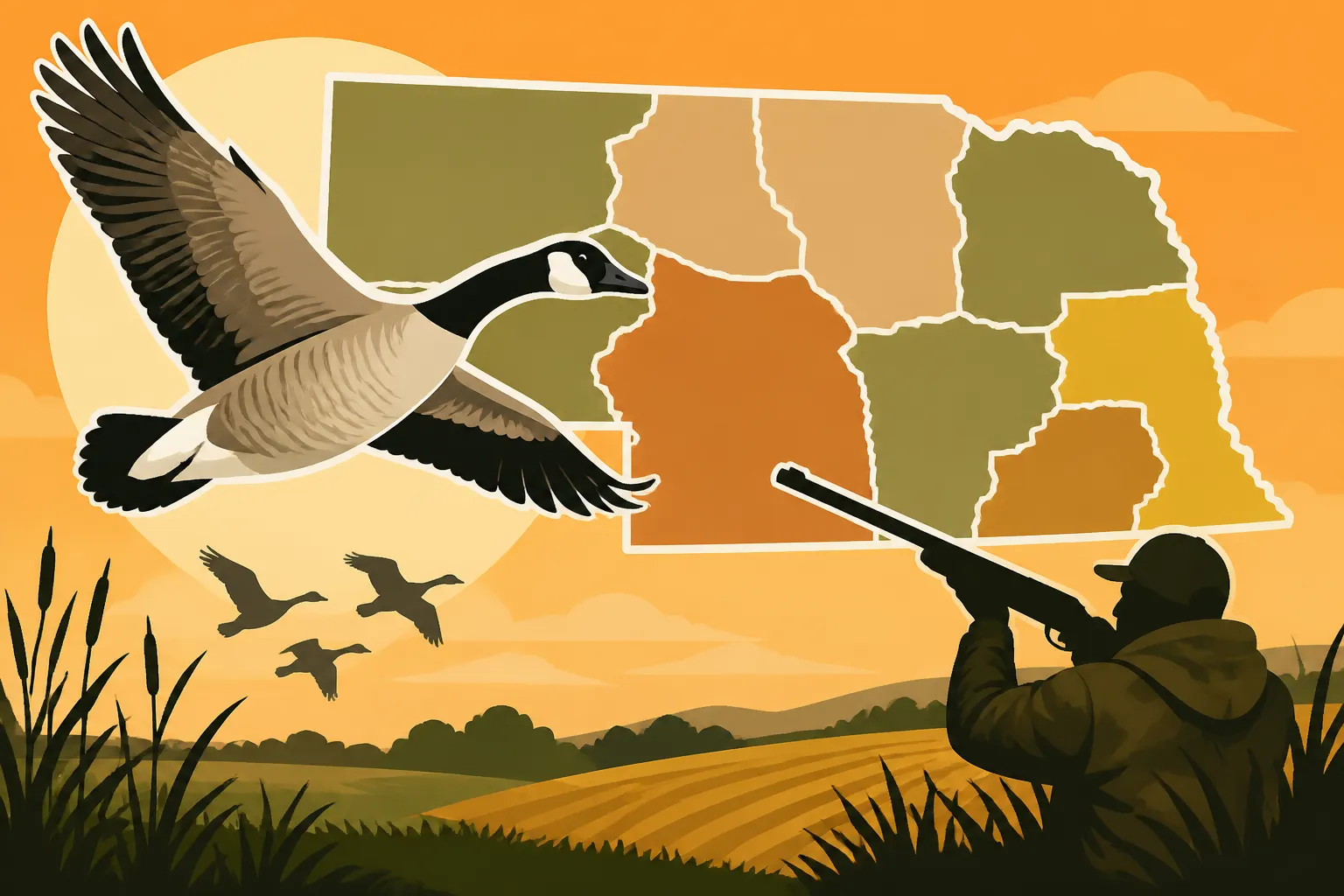
Nebraska isn't a one-size-fits-all state when it comes to goose hunting; it's divided into specific management units, each with its own characteristics and sometimes slightly varied season dates. Understanding these units is fundamental to planning your hunt.
Platte River Unit and Its Significance
The Platte River Unit primarily encompasses the critical Platte River corridor itself, along with the adjacent agricultural lands that provide essential food sources for geese. This unit is particularly renowned for its Canada goose hunting. The river serves as a major roosting area, and birds will often fly out to feed in nearby corn and wheat fields. Hunters here often focus on setting up large decoy spreads in cut fields or utilizing ground blinds along field edges, waiting for the birds to leave the river for their morning and evening meals. The pressure can be significant due to its accessibility and the sheer number of birds. Knowing the Platte River Goose Unit Dates is crucial, as they can sometimes differ slightly or have unique nuances compared to other units. Success here often hinges on meticulous scouting and respecting the birds' patterns as they move between the river and feeding grounds.
Rainwater Basin Unit Specifics
The Rainwater Basin Unit, situated in south-central Nebraska, is distinct from the Platte River corridor. It's characterized by its unique "playa" wetlands—shallow, ephemeral ponds that dot the landscape and are surrounded by vast expanses of row crops. This unit is arguably the most famous in Nebraska for its light goose (snow and Ross's goose) hunting, especially during the spring conservation order, but it also sees a substantial number of Canada and white-fronted geese throughout the regular season. Public access here often means hunting federal Waterfowl Production Areas (WPAs) or state Wildlife Management Areas (WMAs), many of which are specifically managed for migratory birds. The sheer scale of light goose migrations here can be overwhelming, with thousands, sometimes hundreds of thousands, of birds in the air at once. For hunters targeting these vast flocks, understanding the unique challenges of the basin is critical. You'll often be hunting over flooded fields or dry stubble, and decoy spreads can range from hundreds to thousands of decoys. For those interested in the spring light goose migration, paying close attention to the Rainwater Basin Light Goose Dates is absolutely essential.
Niobrara Unit and Other Regional Considerations
Beyond the big two—Platte River and Rainwater Basin—Nebraska has several other important goose management units. The Niobrara Unit, located in northern Nebraska, offers a different hunting experience. It tends to see less intense hunting pressure than the more central units and is known for its resident Canada goose populations, alongside migratory birds passing through the Niobrara River valley. The landscape can be more varied, featuring river breaks, sandhills, and agricultural plots.
Other units include the Eastern Unit, covering much of the eastern third of the state with its mix of rolling hills and agricultural areas, and the Western Unit, which stretches across the panhandle and offers opportunities in a more arid landscape, particularly for Canada geese around reservoirs and agricultural oases. Each unit has its own character, bird concentrations, and hunting culture. While the core season dates are often harmonized across all regular goose units, slight variations can occur, so always double-check the Nebraska Game and Parks Commission's annual waterfowl guide. Understanding these regional distinctions helps hunters tailor their approach and expectations.
Key Dates and Seasons for Goose Hunting in Nebraska
One of the biggest headaches for goose hunters is keeping all the dates straight. Nebraska has several distinct seasons, each designed to manage specific goose populations or provide unique opportunities.
Early Canada Goose Season
The Early Canada Goose Season, typically held for a short window in September (often the first 10 days of the month), is a fantastic opportunity to target local, resident Canada geese before the main migratory push begins and before hunting pressure ramps up. The purpose of this season is primarily to help manage growing resident goose populations that can sometimes cause agricultural damage or nuisance issues in urban areas. During this early season, hunters usually find success targeting birds in smaller groups that haven't yet been educated by sustained hunting pressure. Tactics often involve setting up modest decoy spreads in cut alfalfa, pastures, or small grain fields where local birds are feeding. It’s also a great chance to dust off the gear and get some early-season action before the full swing of fall hunting. The daily bag limit is generally generous, reflecting the need to manage these local populations.
Regular Goose Season Dates
The core of Nebraska's goose hunting season runs from late October or early November, extending through late January or early February. This is when the main migratory flights of Canada geese, white-fronted geese, and early snow geese typically move through the state. However, it's not one continuous block. Nebraska employs split seasons within its various units, meaning there might be a short closure period before the season reopens. For example, in the 2023-2024 season, most units, like the Platte River, Niobrara, Eastern, and Western Units, opened for Canada, white-fronted, and light geese on October 28th and ran through February 9th. The Rainwater Basin Unit started a bit later, on November 4th, also concluding on February 9th. These dates are crucial for planning, especially if you're traveling from out of state. It's during this time that hunters will use larger decoy spreads, engage in more intensive calling, and contend with a wider variety of weather conditions, from mild autumn days to bitter winter cold. Make sure to consult the most current regulations for Nebraska Canada Goose Seasons Open before heading afield, as precise dates can shift slightly year-to-year.
Late-Season Opportunities
As the regular goose season progresses into late December and January, hunting often transitions into what many call the "late season." At this point, migratory birds have been in the state for a while, and the remaining resident geese have faced significant pressure. Successful late-season hunting often boils down to finding reliable food sources that haven't been picked clean and adapting to extremely wary birds. Geese become much harder to decoy and call, often circling high before committing. Large flocks may concentrate in specific areas, especially around larger reservoirs or private refuges, making access more challenging. Snow geese and Ross's geese, in particular, may begin to stage for their northward migration in late January and February, offering unique late-season opportunities just before or during the Light Goose Conservation Order. Hunters need to be prepared for harsh winter weather, including bitter winds and deep snow, which can dramatically impact goose movement and feeding patterns.
Special Goose Hunting Opportunities
Nebraska offers more than just the standard fall season; there are unique opportunities designed to manage populations or introduce new hunters to the sport.
The Light Goose Conservation Order
Perhaps one of the most exciting and unique hunting opportunities in Nebraska is the Light Goose Conservation Order. This special season typically runs from mid-February through mid-March, specifically targeting the incredibly abundant populations of lesser snow geese and Ross's geese. The conservation order was established because these light goose populations have grown so large they threaten their arctic breeding grounds and other waterfowl species. To help reduce their numbers, regulations during this period are significantly relaxed. Hunters are allowed to use unplugged shotguns (meaning they can hold more than three shells), electronic calls are permitted, and there are no daily bag or possession limits. This provides an incredible chance for hunters to experience what can sometimes be non-stop action, with thousands of birds circling decoy spreads. Planning for the Hunting the Light Goose Conservation Order requires specialized gear, often including massive spreads of decoys and powerful electronic calls. It's a truly unforgettable experience, and knowing that Unplugged Guns Under Nebraska's Spring Goose Rules are allowed only adds to the excitement.
Youth Waterfowl Hunt Days
To ensure the future of waterfowl hunting, Nebraska dedicates specific Youth Waterfowl Hunt Days. These special days are designed to provide young hunters (typically 15 years old and younger) with an opportunity to hunt ducks, coots, and geese without the pressure of a full adult season, often before or during short breaks in the regular season. For example, in 2023-2024, these days were held in early October and again in early February. During these youth-only hunts, an adult mentor (who must be licensed but generally cannot hunt themselves) accompanies the youth. It's a fantastic way for kids to learn about waterfowl identification, calling, decoy spreads, and ethical hunting practices in a less competitive environment. These days are invaluable for fostering a love of the outdoors and passing on hunting traditions, helping to recruit the next generation of conservationists.
Nonresident Considerations
Nebraska is a popular destination for nonresident goose hunters, especially for the incredible light goose opportunities in the Rainwater Basin. However, if you're coming from out of state, there are a few extra considerations. First, permits: you'll need a nonresident annual hunt permit, a Nebraska Habitat Stamp, and a Federal Duck Stamp, along with HIP registration (more on this below). While nonresident goose permits are generally available over-the-counter, unlike some of the more limited deer or antelope tags, it's always wise to purchase them well in advance, especially if you're traveling during peak migration times. Many nonresident hunters rely on comprehensive resources like GoHunt to scout and plan their trips. GoHunt's detailed maps and regulatory summaries can be a lifesaver when you're trying to understand unit boundaries, public access points, and up-to-date regulations from afar. Planning your travel around historical peak migration periods can significantly increase your chances of success, particularly for snow geese in the spring.
Navigating Regulations and Permits
The paperwork and rules can be a real buzzkill, but they’re non-negotiable for a legal and ethical hunt. Getting your ducks (and geese!) in a row before you head afield is paramount.
Essential Permits and Stamps
Before you even think about setting up a decoy spread, you need to ensure you have all the necessary permits and stamps. Every hunter, resident or nonresident, needs a valid Nebraska Hunt Permit. In addition, you'll need a Nebraska Habitat Stamp, which directly funds conservation efforts and public hunting access across the state. Migratory bird hunters, including goose hunters, are also required to purchase a Federal Duck Stamp. This stamp is an essential piece of federal conservation, with 98% of its proceeds going directly to acquire and protect wetland habitat for the National Wildlife Refuge System. Finally, all migratory bird hunters must also register with the Harvest Information Program (HIP). This involves a quick, free registration process where you answer a few questions about your hunting success from the previous year, which helps wildlife agencies gather crucial data. For a complete breakdown of costs, be sure to check out Nebraska Federal Duck Stamp Cost and ensure you've covered all your bases, including the Nebraska HIP Registration Requirement.
Bag and Possession Limits
Understanding bag and possession limits is absolutely critical and can vary depending on the goose species and the specific hunting unit. For Canada geese during the regular season, the daily bag limit in most Nebraska units is 5. For white-fronted geese, it's typically 2. And for light geese (snow/Ross's), during the regular season, the daily bag limit is often 50. Possession limits are generally three times the daily bag limit for most species. However, during the Light Goose Conservation Order, there are no daily bag or possession limits for snow and Ross's geese, a truly unique situation. These limits are set annually by the Nebraska Game and Parks Commission and can be adjusted based on population surveys and flyway council recommendations. It is your responsibility to check the current year's Nebraska Waterfowl Guide, usually available online or at permit vendors, or use a reliable hunting app like GoHunt to ensure you're always within legal limits. Ignorance of the law is never an excuse, and violations can result in hefty fines and permit revocation.
Tagging, Transport, and CWD
Once you've successfully harvested a goose, there are additional regulations to consider regarding tagging, transport, and disease sampling. While most geese don't require physical tagging like big game, all harvested migratory birds must be reported to the Harvest Information Program (HIP) and must retain one fully feathered wing until transported from the field or to the hunter's home or a processing facility. This allows enforcement officers to identify the species.
Regarding Chronic Wasting Disease (CWD), while primarily a concern for deer and elk, it's always good practice to be aware of any general carcass transport rules, especially if you're taking your birds out of state. Always check the latest regulations from the Nebraska Game and Parks Commission for any specific requirements or recommendations. Ensuring proper field dressing and cooling of your birds, especially during warmer early seasons, is also essential to preserving the meat quality. Proper handling ensures you can enjoy the fruits of your labor long after the hunt.
Strategies for Success in Nebraska's Goose Units
Goose hunting in Nebraska isn't just about showing up; it's about strategy, preparation, and adapting to the birds and the environment.
Scouting and Location Selection
The most successful goose hunters are meticulous scouts. Geese are creatures of habit, often flying from specific roosting areas to preferred feeding grounds, and back again, almost like clockwork. Your first step should always be to identify these flight lines and feeding patterns. This involves driving rural roads, especially in the afternoons, looking for geese in fields. Cut corn, wheat stubble, and occasionally alfalfa fields are prime feeding spots. Using detailed maps and aerial imagery, perhaps from a hunting app provided by services like GoHunt, is invaluable for identifying potential feeding fields, water sources, and public access points. GoHunt often layers in land ownership and public/private boundaries, which can be incredibly helpful. Once you find birds, observe their entry and exit points, paying attention to the wind direction they prefer for landing. This will directly inform where you set up your decoys and blinds. Understanding Reading Roost-to-Field Flight Lines will put you light years ahead of the competition.
Decoy Spreads and Calling
Effective decoy spreads are the heart of goose hunting. For Canada geese, you'll typically need at least a dozen decoys, but many hunters run spreads of 50 or more, especially in open country. Full-body decoys are often the most effective, but shell decoys and even silhouettes can be used to create the illusion of a large, contented flock. For light geese, scale is everything; spreads often consist of hundreds, even thousands, of decoys, including rag decoys, white plastics, and rotary machines to create motion. Adapting your spread to the specific field conditions (e.g., placing decoys where birds were feeding the day before) and the species you're targeting is key. When it comes to calling, practice makes perfect. Canada goose calling involves a variety of honks, clucks, and murmurs to mimic a happy flock. For snow geese, loud, incessant "migrator" calls are often used to grab attention. Mastering the nuances of Setting a Goose Spread in Harvested Corn and Decoy Spreads for Rainwater Basin Geese can transform your hunting success.
Concealment and Field Ethics
Geese have incredibly sharp eyesight, so proper concealment is non-negotiable. Layout blinds are a staple for field hunting, allowing you to lie flat and remain hidden in cut crop stubble. It's crucial to brush in your blind thoroughly with natural vegetation from the surrounding field to break up its outline. Even a slight glint from a face or bare hands can flare birds. Natural cover, like standing corn rows or brush piles (if allowed on public land), can also be used effectively. Make sure your camouflage blends with the local environment. Beyond concealment, ethical behavior in the field is paramount. This includes prompt retrieval of downed birds, which is not only ethical but often legally required. Always be aware of property lines, especially when hunting near private land, and ensure you have permission to retrieve any birds that fall on private property. Respect for the land, the birds, and your fellow hunters will ensure a positive experience for everyone. For tips on setting up, check out Layout Blinds for Nebraska Cut Corn.
| Goose Unit | Primary Species | Early Season (Approx. Dates) | Regular Season (Approx. Dates) | Light Goose Conservation Order (Approx. Dates) | Daily Bag Limit (Canada Geese) |
|---|---|---|---|---|---|
| Platte River Unit | Canada, White-fronted, Light Geese | Sept 1-10 | Oct 28 – Feb 9 | Feb 10 – Mar 10 | 5 |
| Rainwater Basin Unit | Snow, Ross's, Canada, White-fronted Geese | Sept 1-10 | Nov 4 – Feb 9 | Feb 10 – Mar 10 | 5 |
| Niobrara Unit | Canada, White-fronted, Light Geese | Sept 1-10 | Oct 28 – Feb 9 | Feb 10 – Mar 10 | 5 |
| Eastern Unit | Canada, White-fronted, Light Geese | Sept 1-10 | Oct 28 – Feb 9 | Feb 10 – Mar 10 | 5 |
| Western Unit | Canada, White-fronted, Light Geese | Sept 1-10 | Oct 28 – Feb 9 | Feb 10 – Mar 10 | 5 |
Note: All dates and bag limits are illustrative based on recent seasons and are subject to change annually. Always consult the most current Nebraska Game and Parks Commission Waterfowl Regulations for precise, up-to-date information before planning your hunt.
Disclaimer
Please be aware that hunting regulations, season dates, and permit requirements can change annually. Always consult the official Nebraska Game and Parks Commission website or their printed regulations guide for the most current and accurate information before planning any hunting activity. This guide is for informational purposes only and should not be considered a substitute for official legal documentation.