Why Nebraska Turkey Permits Sell Out in Days
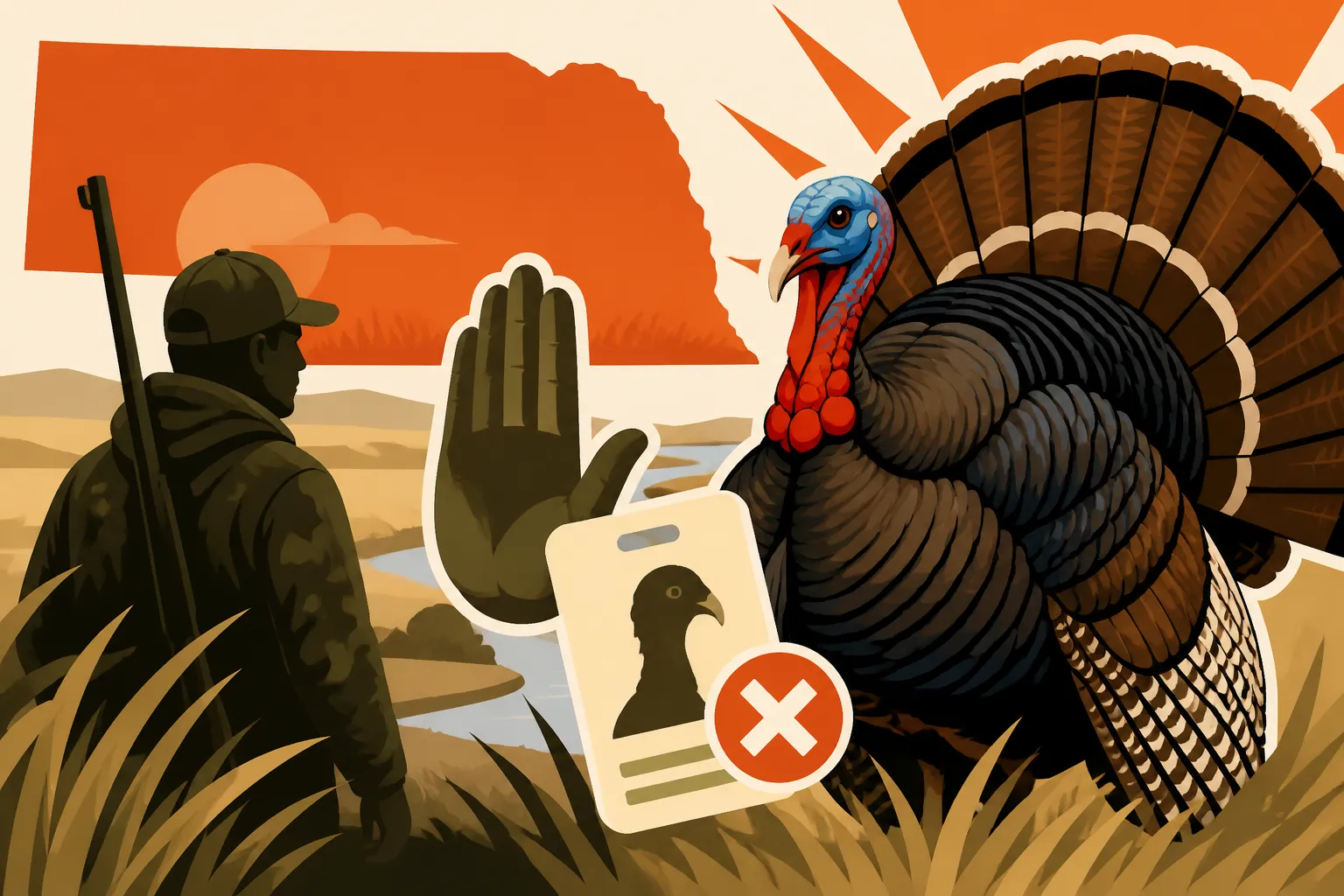
If you've ever tried to snag a Nebraska turkey permit, especially as a nonresident, you know the sinking feeling of seeing them vanish faster than a gobbler disappearing into thick timber. It's truly frustrating to plan your hunt, get excited, and then find that the tags you need are gone in what feels like moments. This guide is all about peeling back the layers to understand exactly why Nebraska turkey permits have become such a hot commodity and what you can do to put yourself in the best position to secure one.
The Growing Appeal of Nebraska Turkey Hunting
For years, Nebraska was one of those quiet, understated secrets among turkey hunters. It wasn't always on everyone's radar, but those in the know understood the incredible opportunities it offered. That 'secret' is out, and it's changed the game.
A Hidden Gem No Longer Secret
Back in the day, when you thought of prime turkey hunting, states like Missouri, Kansas, or even Texas might have come to mind first. Nebraska, with its vast Sandhills, sprawling river bottoms, and rugged Pine Ridge country, flew under the radar for many. But the truth is, Nebraska has always boasted robust turkey populations and diverse habitats. As more hunters sought new challenges and less crowded opportunities, word slowly but surely started to spread. Social media, hunting forums, and dedicated outfitters began highlighting the incredible experiences available here. Suddenly, what was once a whispered secret became a well-known destination. This rise in popularity has meant more pressure on our turkey resource, and naturally, on the permits needed to hunt them.
We've got everything from dense, secluded river corridors in eastern Nebraska to the expansive, open rangelands of the west. This varied landscape means different hunting experiences, and for many, that's a huge draw. You can be Calling Spring Gobblers in Nebraska Timber in the morning and by afternoon, you're scouting completely different terrain. It's a testament to the state's diverse ecosystems, but it also means more eyes—and more hunting pressure—on these areas.
The Draw of Multiple Subspecies and Liberal Opportunities
One of Nebraska's unique selling points for turkey hunters is the incredible chance to pursue multiple turkey subspecies. Most states are primarily home to one or two, maybe three if you're lucky. In Nebraska, you can find Eastern turkeys in the timbered river drainages of the eastern part of the state, healthy populations of Rio Grande turkeys throughout the central and western regions, and even Merriam's turkeys up in the rugged Pine Ridge country. There are even areas where these subspecies overlap, offering a rare opportunity to potentially bag different birds in a single trip. This "grand slam" potential, or at least a significant portion of it, is a massive draw for passionate turkey hunters looking to complete their slams or simply experience diverse hunts.
Historically, Nebraska also allowed hunters to purchase multiple permits, which further amplified its appeal. While limits have changed, the legacy of generous opportunities still resonates. The allure of chasing a different subspecies each day, or simply enjoying a long season with ample chances, fueled the demand. This rich opportunity made Nebraska a must-do hunt for many, and it's a key factor in why demand for permits continues to surge, far outstripping the immediate supply, especially for nonresidents.
The Impact of the Nonresident Permit Cap
The immense popularity of Nebraska's turkey hunting didn't go unnoticed by the state's wildlife management. To balance hunting pressure, resident opportunities, and the health of the turkey population, the Nebraska Game and Parks Commission made a significant change: implementing a nonresident permit cap. This has profoundly affected how quickly permits sell out.
Understanding the 10,000 Permit Limit
In response to booming demand and concerns about the long-term sustainability of the turkey resource, Nebraska enacted a cap on nonresident spring turkey permits. Since 2022, only 10,000 nonresident spring turkey permits are available statewide. This wasn't a decision made lightly, but it was deemed necessary to ensure residents had ample opportunity and to manage pressure on the turkey population. This cap applies to all spring turkey permits, regardless of whether you're hunting with a shotgun or Hunting Turkeys With a Bow in Nebraska. What this means in practical terms is that once those 10,000 permits are sold, that's it—no more nonresident tags are issued for the spring season.
This 10,000 permit cap immediately created a finite supply for a growing number of eager hunters. Prior to this, nonresidents could purchase up to two permits, and while there were limits on total harvest, the number of permits available wasn't as strictly controlled at the outset. Now, with a hard number, the competition is fierce. The official details on The 10,000 Nonresident Turkey Permit Cap lay out exactly how this system works, and it's something every nonresident hunter needs to understand before they even think about applying.
The "Race" for a Tag
If you've been in the game for a while, you've likely experienced the digital rush of trying to buy concert tickets or secure a limited-edition product online. The sale of Nebraska nonresident turkey permits has become very much like that. When the permits go on sale, typically in January, it's not a gradual process; it's a full-on sprint. Hunters are poised at their computers, often multiple devices, refreshing pages the moment the clock ticks over to the official start time.
What used to be a process that might take a few weeks or even a month to sell out has now compressed into mere hours, and sometimes even minutes, for the most popular periods or types of permits. It's a test of internet speed, quick reflexes, and sheer determination. Many hunters, even those who consider themselves prepared, have been left empty-handed because they were just a few minutes too slow. The demand simply overwhelms the limited supply almost instantly. You can check the official Game and Parks website for When Nebraska Spring Turkey Permit On-Sale Date to make sure you're ready, but even then, there are no guarantees.
Fluctuating Turkey Populations and Management Adjustments
While hunter demand is a huge factor, it's not the only piece of the puzzle. The health and abundance of Nebraska's wild turkey populations play an equally critical role in permit availability and sale speed.
Decades of Boom, Years of Bust
Wild turkeys were once absent from much of Nebraska's landscape. Through incredible restoration efforts by Nebraska Game and Parks and partners like the National Wild Turkey Federation, populations boomed from the mid-20th century through the early 2000s. We saw an explosion of birds, expanding into new habitats and offering unparalleled hunting. It truly was a golden era for turkey hunting in the state. However, like many other states across the country, Nebraska has seen a significant downturn in turkey numbers in recent years. This Nebraska Turkey Population Decline is a complex issue, often attributed to a combination of factors.
These factors include habitat changes, increased predation, disease, and adverse weather patterns during critical nesting and brooding periods. For example, a cold, wet spring can devastate poult survival, leading to fewer birds recruited into the population a year or two later. While still offering good hunting in many areas, the overall population isn't as robust as it once was, meaning the state must manage the resource more conservatively. Hunters accustomed to seeing turkeys everywhere might notice fewer birds, which naturally influences how permits are allocated.
How Management Responds to Decline
When wildlife populations experience declines, state agencies like the Nebraska Game and Parks Commission have a responsibility to implement management strategies to help them recover or stabilize. For turkeys, this can involve a variety of actions, and permit allocation is one of the most direct tools available. As turkey numbers have fallen, particularly in specific regions, the Commission has had to make tough decisions. These might include reducing bag limits, shortening seasons, or, as we've seen, capping the number of permits available, especially to nonresidents who contribute significant hunting pressure.
These adjustments are often based on extensive research, including harvest data, population surveys, and habitat assessments. The goal is always to strike a balance between providing hunting opportunities and ensuring the long-term health of the species. Sometimes, these changes are regional; other times, they are statewide. If you've noticed stricter limits or fewer permits available than in past years, it's likely a direct reflection of these population-driven management efforts. You can find more specific details about these changes and their reasoning in articles discussing Turkey Permit Changes Since the Population Decline. It's a dynamic situation, and hunters need to stay informed, checking the regulations annually.
Strategies for the Diligent Hunter
Given the speed at which Nebraska turkey permits sell out, being prepared isn't just a suggestion—it's absolutely essential. If you want to maximize your chances of getting a tag, you need a plan.
Being Prepared for the On-Sale Date
The moment those permits go live, it's a race against the clock. Your first step should be to mark your calendar for the official on-sale date and time, which typically falls in early January. Don't just make a mental note; set multiple alarms on your phone and computer. Before the sale date, ensure your Nebraska Game and Parks online account is fully up-to-date. This means your personal information is correct, your hunter education requirements are documented, and any necessary stamps (like a Habitat Stamp) are already purchased or ready to be added to your cart. You don't want to be fumbling with forgotten passwords or outdated addresses when every second counts.
Having your payment information pre-saved or easily accessible is also crucial. Consider using a fast, reliable internet connection and perhaps even having multiple devices logged in as a backup (though this won't help if you need separate accounts for different permits). Some hunters even practice clicking through the purchasing steps on a different permit type beforehand, just to familiarize themselves with the website's flow. Resources like GoHunt often track application deadlines and permit availability, offering alerts and insights that can give you a crucial edge. Being organized and swift can truly be the difference between getting a tag and being out of luck.
Exploring All Available Permit Options
While the nonresident spring permits are notoriously hard to get, it's important to remember that they aren't the only turkey hunting opportunities in Nebraska. If you're struggling to secure a spring tag, or if your schedule is more flexible, explore other options. Nebraska offers fall turkey permits, for example, which are generally much easier to acquire and often remain available throughout the season. These Fall Turkey Permits in Nebraska offer a different kind of hunt, often involving more scouting for flocks and less reliance on calling, but they can be incredibly rewarding.
Additionally, consider the youth seasons. If you have a youth hunter in your family, these permits often have different availability and less competition, providing a fantastic opportunity to introduce a new hunter to the sport. Understanding How Many Spring Turkey Permits You Can Buy and the specific regulations for each type of permit can help you formulate a backup plan or identify less competitive times to hunt. Always check the current regulations, as permit structures and limits can change from year to year.
Nonresident Challenges and Strategies
For out-of-state hunters, the challenge of securing a Nebraska turkey permit is amplified. The 10,000-permit cap specifically targets nonresidents, creating a highly competitive environment.
The Competition for Out-of-State Tags
Let's be blunt: if you're a nonresident, you're playing in a much tougher league. The demand for those 10,000 available nonresident permits far exceeds the supply. Many hunters from neighboring states and even across the country recognize Nebraska's turkey potential and view it as an accessible, high-quality hunting destination. This means that on the permit on-sale date, you're not just competing with a few dozen people; you're competing with thousands, all trying to click "purchase" at the exact same moment.
This intense competition makes foresight and preparation absolutely paramount. Unlike resident permits, which are generally much more readily available, nonresident tags require a proactive and aggressive approach. You can't just casually log on a week after the sale opens and expect to find one. This is where using resources like GoHunt, which often provides application data, draw odds (for states with a draw), and real-time news updates, becomes even more valuable for nonresidents. Staying ahead of the curve is the only way to play this game successfully.
Alternative Opportunities for Nonresidents
If securing a spring nonresident turkey permit feels like an insurmountable hurdle, don't despair! While the spring season is prime, Nebraska still offers fantastic hunting for those willing to adapt. As mentioned, fall turkey permits are often available over-the-counter for nonresidents and provide a unique and challenging hunt. The fall season is much longer, running from September through January, giving you ample opportunity to hunt.
Another consideration, if you're really determined to hunt in the spring and can't get a regular permit, is to look into guided hunts with outfitters who might secure permits for their clients or hunt on private lands. While this often comes with a higher price tag, it can be a way to guarantee a spring hunting experience. Always verify that any outfitter you consider operates legally and ethically. While the most popular spring tags vanish quickly, the diligent nonresident hunter still has options to experience Nebraska's excellent turkey hunting.
Maximizing Your Chances: Planning Ahead
Getting the permit is just the first step. To truly make the most of your Nebraska turkey hunting experience, you need to think beyond the purchase and embrace proactive planning.
Scouting and Research for Success
Let's say you've successfully navigated the digital gauntlet and secured your permit—congratulations! Now the real work begins. Effective pre-season scouting is absolutely critical for a successful turkey hunt, especially if you're targeting public ground or new areas. Turkeys are creatures of habit, but their habits can change with weather, food sources, and hunting pressure. You need to understand the terrain, identify potential roosting areas, locate food plots or natural forage, and pinpoint travel corridors.
Tools like the Nebraska Public Access Atlas are invaluable for identifying public hunting opportunities. Digital mapping apps like OnX Hunt, which often integrate public and private land boundaries, can be a game-changer for Scouting Nebraska Public Ground Before Opening Day. Utilize satellite imagery to spot potential habitat, look for water sources, and identify pinch points or open fields where turkeys might feed. If you can make a physical scouting trip before the season, even better! Listening for gobbling at dawn, looking for tracks and droppings, and observing turkey movement patterns will give you a significant advantage. Remember, even with a tag in hand, a lack of scouting can lead to a frustrating, quiet hunt. GoHunt's mapping features can also be a strong asset here for researching potential areas and understanding terrain.
Staying Informed on Regulations and Changes
The world of hunting regulations is rarely static, and Nebraska is no exception. Wildlife management agencies constantly monitor populations, harvest data, and hunter feedback, which can lead to changes in season dates, bag limits, or permit structures. It is your responsibility as a hunter to stay informed about these annual updates. The Nebraska Game and Parks Commission website is your primary source for the most accurate and up-to-date regulations.
Before each season, download and thoroughly read the current year's Nebraska Big Game and Turkey Guide. Pay close attention to season dates, legal shooting hours (Nebraska Legal Shooting Hours), tagging requirements, and any unit-specific rules. Sometimes, subtle changes can have a big impact on your hunt. Subscribing to email newsletters from the Game and Parks Commission or reputable hunting organizations can also help keep you in the loop. Don't rely on last year's regulations or hearsay; always check the official sources. Being well-informed prevents unintended violations and ensures you're operating within the legal framework, making your hunt enjoyable and ethical.
Here's a quick overview of typical permit scenarios for nonresidents:
| Permit Type | Season | Availability (Nonresident) | Typical Sell-Out Time (Post-Cap) | Primary Method |
|---|---|---|---|---|
| Spring Archery/Shotgun | Mid-April – May | Very Limited | Hours to a Few Days | Calling/Decoying |
| Spring Youth | Early April | Limited | Days to Weeks | Calling/Decoying |
| Fall Archery/Shotgun | Sept – Jan | Plentiful | Generally Available | Locating Flocks |
| Landowner Permits | Varies | Via Private Land | Application Required | All |
Note: "Typical Sell-Out Time" is an approximation based on recent trends; actual times can vary based on demand.
Disclaimer
Please note that hunting regulations, season dates, and permit availability can change annually. It is imperative that all hunters consult the most current Nebraska Game and Parks Commission regulations before planning and undertaking any hunting activity. This guide is for informational purposes only and should not be considered a substitute for official state hunting regulations.