Youth Deer Permits and Mentored Hunts
Getting our youth involved in the great outdoors, especially in hunting, is one of the most rewarding experiences a parent or mentor can share. However, navigating the specific regulations, permit requirements, and seasonal nuances for young hunters in a state like Nebraska can sometimes feel overwhelming. This comprehensive guide is designed to demystify the process of securing youth deer permits and understanding the critical role of mentored hunts, ensuring your young hunter has a safe, ethical, and unforgettable introduction to the tradition of deer hunting.
Understanding Nebraska's Youth Deer Permit System
Nebraska recognizes the immense value of introducing new generations to hunting, and the youth deer permit system is designed to make that entry as smooth and accessible as possible. It's a fantastic program that offers special opportunities, but it does come with its own set of rules and requirements.
Eligibility and Age Requirements for Young Hunters
Before anything else, it’s crucial to understand who qualifies as a "youth" hunter in Nebraska. Generally speaking, Nebraska defines youth as anyone 15 years of age or younger at the time of the hunt. This age bracket is critical because it dictates eligibility for specific permits and dictates the parameters of a mentored hunt. There isn't a minimum age to participate in mentored hunts, which is wonderful for getting even very young kids out in the field to observe and learn. However, there are requirements related to handling firearms or bows.
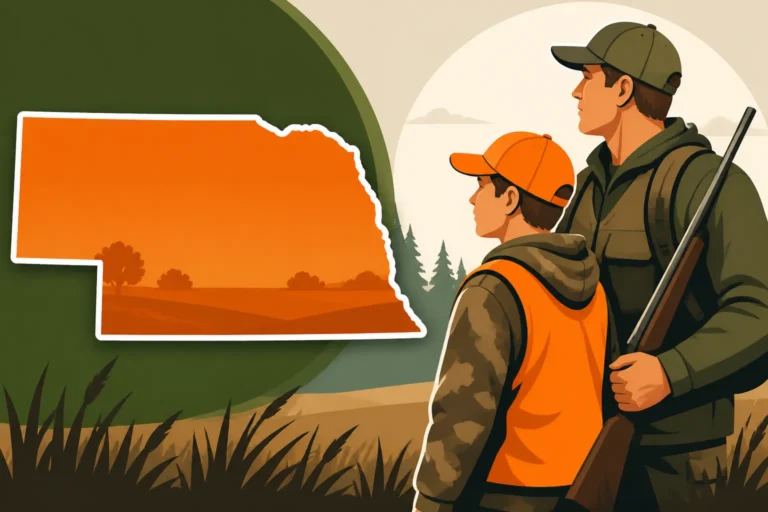
For any youth hunter intending to hunt deer with a firearm or archery equipment, they generally need to complete a certified Hunter Education course. This is a non-negotiable step for anyone wanting to hunt with a permit. However, Nebraska also offers a fantastic "apprentice hunter" program. This program allows individuals, including youth, to hunt without first completing hunter education, provided they are accompanied and directly supervised by a licensed hunter who is at least 19 years old and has completed hunter education themselves. This apprentice system is a brilliant bridge, allowing parents or mentors to introduce kids to hunting firsthand while they work towards their own hunter education certification. It removes a significant barrier to entry and helps foster that connection to the outdoors right away.
Types of Youth Deer Permits Available
Nebraska's Game and Parks Commission offers several youth-specific deer permits, making it easier for young hunters to get into the field. The primary offering is the Youth Deer Permit, which is typically an "Any-Deer" permit, meaning the youth can harvest either an antlered or antlerless deer, often valid statewide for archery, firearm, or muzzleloader seasons depending on the specific permit. This flexibility is a huge advantage, as it gives young hunters a wide range of opportunities to fill their tag.
In addition to the general Youth Deer Permit, there might also be specific antlerless-only youth permits available in certain units, particularly in areas where herd management calls for increased antlerless harvest. These can be excellent for getting a young hunter their first deer, focusing on the experience of the harvest rather than the pursuit of antlers. These youth permits are distinct from the regular adult permits, often having different availability, cost, and sometimes even earlier season dates to minimize pressure and maximize success for young hunters. It’s always best to check the current regulations annually, perhaps on the Nebraska Game and Parks website or through resources like GoHunt, to confirm the precise offerings and unit specifics for the upcoming season.
Cost and How to Acquire Youth Permits
One of the best aspects of Nebraska's youth hunting program is the affordability. Historically, youth deer permits are offered at a significantly reduced rate, often just a nominal fee, or sometimes even free, compared to adult permits. This makes it incredibly accessible for families, reducing the financial barrier that can sometimes keep kids out of the woods. Keep in mind that while the deer permit itself may be inexpensive, youth hunters, like adults, will still need to purchase a valid Nebraska annual hunt permit and a Habitat Stamp.
Acquiring these permits is straightforward. Most permits can be purchased online through the Nebraska Game and Parks website, which is usually the most convenient method. Alternatively, permits are available at Nebraska Game and Parks offices and authorized permit vendors across the state. It's always a good idea to purchase permits well in advance of the season, especially if there's any chance of caps or sell-outs, though youth permits typically have good availability. For the most up-to-date information on prices and where to buy, a quick check of the official Game and Parks website or a platform like GoHunt will provide all the necessary details, ensuring you don't miss any deadlines.
The Importance of Mentored Hunts in Nebraska
The concept of a mentored hunt is more than just a regulatory allowance; it's the very backbone of how we pass on hunting traditions, knowledge, and ethical practices to the next generation. It's where the real learning happens, out in the field, side-by-side with an experienced hunter.
What Qualifies as a Mentored Hunt?
A mentored hunt in Nebraska specifically refers to situations where an apprentice hunter (which often includes youth who haven't completed hunter education yet) is hunting under the direct supervision of a qualified mentor. The Nebraska Game and Parks Commission has clear guidelines for what constitutes a mentor. The mentor must be at least 19 years of age, hold a valid Nebraska hunting permit, and have successfully completed a hunter education course. This ensures that the person providing guidance is experienced, knowledgeable, and committed to safety.
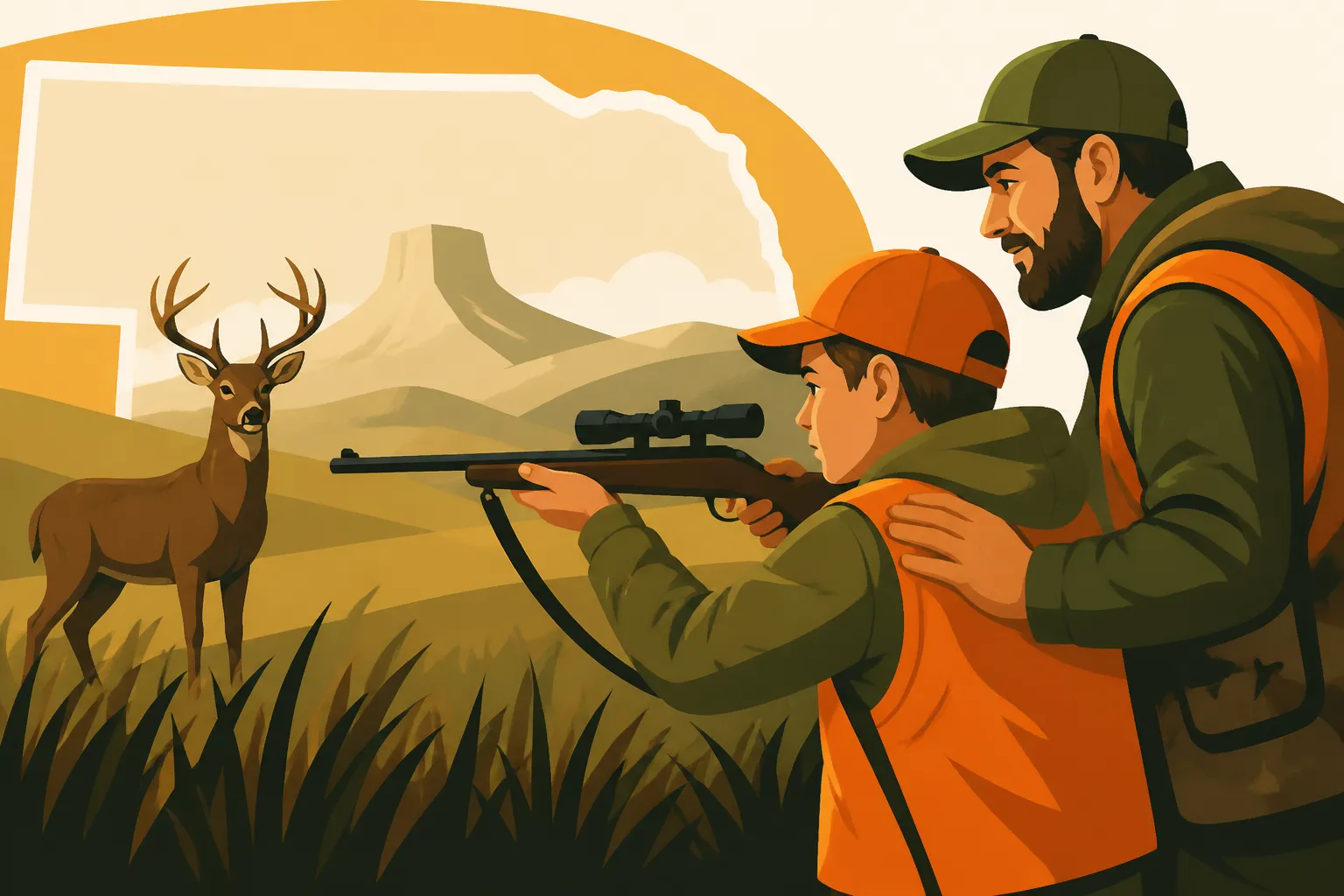
The "direct supervision" aspect is crucial here. It means the mentor must be close enough to the apprentice hunter to provide immediate assistance, guidance, and control over the hunting activity. For firearm hunting, this often implies being within arm's reach. For archery, it might mean being in the same blind or treestand, able to communicate directly. The goal is safety and ensuring the youth understands the rules, identifies the target properly, and makes an ethical shot. This close proximity isn't just about safety; it's about the invaluable one-on-one instruction and shared experience that makes a mentored hunt so special. These guidelines are designed to create a safe learning environment, laying a solid foundation for future independent hunting. For more specific guidelines on what's expected, you can refer to the detailed information on Mentor Requirements for a Nebraska Youth Hunter.
Benefits of the Mentored Hunt Program
The benefits of Nebraska's mentored hunt program are truly immeasurable, extending far beyond simply filling a tag. First and foremost, it significantly enhances safety. Having an experienced, educated hunter by their side means youth are constantly reminded of firearm or bow safety, proper shot angles, and identifying legal game. This direct, real-time coaching is far more effective than just reading a manual. Beyond safety, mentored hunts are prime opportunities for skill development. Young hunters learn how to track, interpret sign, use optics, and even the basics of still-hunting and concealment.
Equally important, the program instills ethical hunting practices from day one. Mentors teach respect for wildlife, land, and other hunters. They emphasize fair chase and responsible harvesting. It's about more than just pulling a trigger; it's about understanding the role of a hunter in conservation. This fosters a deep passion for the outdoors, creating lifelong conservationists. Furthermore, the mentored hunt program reduces barriers to entry. By allowing youth to experience hunting before completing hunter education (under supervision), it provides a taste of the experience that often motivates them to complete the course and become fully independent hunters. It's a stepping stone, a crucial introduction that hooks many into a lifetime of outdoor adventure.
Specific Rules for Mentored Youth Hunters
While the general framework for mentored hunts is clear, there are specific rules that mentors and youth must adhere to. One of the most important aspects is the mentor's proximity to the youth. As mentioned, "direct supervision" means being close enough to immediately intervene if necessary. This isn't just a suggestion; it's a legal requirement designed to prevent accidents and ensure responsible hunting. The mentor is ultimately responsible for the actions of the apprentice hunter.
When it comes to weaponry, youth hunters using firearms must use legal firearms for deer hunting in Nebraska, and often, the mentor will help select an appropriate caliber and platform for the young hunter's size and recoil tolerance. For archery, specific rules regarding draw weight and broadhead type still apply, even for youth. It's worth noting that Nebraska has specific regulations regarding Crossbow Rules and Use in Nebraska, which are important for mentors to understand if a youth hunter is considering using one. Additionally, during certain firearm seasons, all hunters, including youth and their mentors, must comply with blaze orange requirements. For example, during the regular November firearm season, specific amounts of blaze orange are required to be worn. Mentors must ensure their young charge is properly adorned to meet these safety standards. These rules are in place not to complicate the hunt, but to ensure the utmost safety and adherence to legal and ethical standards for everyone in the field.
Navigating the Application and Season Dates
Successfully getting a youth hunter into the deer woods involves a bit of planning, especially when it comes to understanding permit applications and specific season dates. Nebraska offers unique opportunities for youth, and knowing when and how to act is key.
Key Application Dates and Deadlines
One of the biggest advantages for youth deer hunters in Nebraska is that their permits are generally not part of the competitive draw system that many adult permits fall under. This means that youth permits are typically available over-the-counter starting in July, well after the main big game draw takes place. However, it's always wise to confirm the exact on-sale dates each year through the Nebraska Game and Parks website or reliable hunting information platforms like GoHunt. While there usually isn't a strict "deadline" for youth permits in the same way there is for the competitive draw, buying them early ensures you have them in hand and can plan your hunt without last-minute scrambling.
It’s also important to be aware of the dates associated with other permit types, such as the general big game draw. For example, while youth permits are usually over-the-counter, understanding Nebraska Draw Application Dates in June can still be helpful if you're planning a combined family hunt where adult permits might be drawn, or if a youth is nearing the age where they might apply for more specialized permits. Staying informed about the broader permit landscape can help you make the best choices for your family's hunting adventures.
Youth-Specific Deer Seasons and Opportunities
Nebraska is fantastic about providing dedicated youth-specific hunting opportunities that enhance their chances of success and enjoyment. One of the standout features is often an early, youth-only deer season, usually a few days before the general firearm deer season opener in November. This special early season gives young hunters a chance to hunt when deer pressure is minimal and deer are often less wary, greatly improving their odds. It’s a brilliant way to ensure their first experiences are positive and encouraging.
Beyond the dedicated youth season, youth permits are generally valid during the broader seasons, allowing flexibility. This means a youth hunter can participate in Nebraska's Four-Month Archery Deer Season (if they choose to bow hunt and meet proficiency requirements), the immensely popular Nebraska's Nine-Day November Firearm Deer Season, and even the December muzzleloader season. This broad applicability means families can plan their hunts around school schedules, family events, and weather conditions, maximizing the chances for a positive experience. Later in the season, there are often additional antlerless opportunities available, which can be perfect for filling the freezer and providing another chance for a youth to get a deer if the earlier seasons didn't pan out.
Public vs. Private Land for Youth Hunts
Choosing where to take a young hunter is a significant decision. Both public and private land offer unique advantages and challenges. Public lands, such as Wildlife Management Areas (WMAs) and Open Fields and Waters (OFW) tracts, offer readily accessible hunting grounds without the need for private landowner permission. These areas can be excellent for teaching navigation, scouting, and adapting to varied terrain. They also often see more hunting pressure, which can be a valuable lesson in patience and strategy. Checking the Nebraska Public Access Atlas is indispensable for locating these areas and understanding specific rules.
However, hunting public land with a youth requires careful consideration of other hunters and a focus on safety. Private land, if access can be secured, often offers a more controlled and less pressured environment, which can be ideal for a young hunter's first experiences. Farmers and ranchers, in particular, may be more open to allowing youth hunters on their property, recognizing the importance of passing on traditions. For advice on approaching landowners, see our guide on Getting Private Land Permission in Nebraska. Regardless of the choice, pre-scouting the area, understanding the terrain, and setting realistic expectations are crucial for a successful youth hunt.
Practical Preparation for a Successful Youth Deer Hunt
Bringing a young hunter into the field requires thoughtful preparation that goes beyond just buying a permit. It's about ensuring they are comfortable, safe, and equipped for success, both physically and mentally.
Gear and Equipment Considerations for Youth
When equipping a young hunter, comfort and proper fit are paramount. A youth-sized firearm, for instance, is not just about aesthetics; it's about safety and recoil management. Many manufacturers like Winchester, Remington, or Savage offer youth models that feature shorter stocks and lighter designs, making them easier for smaller frames to handle. Caliber choice is also critical; something like a .243 or 6.5 Creedmoor provides plenty of knockdown power for Nebraska deer without excessive recoil, which can be off-putting for new shooters. Our guide on Rifle Setups for Nebraska's Open Country offers more insights into appropriate calibers. For archery, ensuring a bow has an adjustable draw weight and length is key, allowing it to grow with the child.
Beyond the weapon, clothing is incredibly important. Nebraska weather can be notoriously unpredictable, swinging from mild to bitterly cold, often with significant wind. Layering is essential to keep a young hunter warm and comfortable, preventing them from getting too cold and miserable, which can quickly sour the experience. Be sure to check out our detailed article on Clothing for Nebraska Wind and Cold for practical advice on dressing for success. Investing in quality, warm, and waterproof boots is also a must, as cold, wet feet are a surefire way to end a hunt early. Don't forget essentials like comfortable blaze orange, plenty of snacks, and water. A happy, comfortable youth is a receptive one.
Teaching Safe and Ethical Hunting Practices
This is where the mentor truly shines. Hunter education courses provide the foundational knowledge, but the real-world application of safe and ethical practices happens in the field. Before even leaving the house, review firearm or bow safety rules. Emphasize muzzle control, trigger discipline, and knowing your target and what's beyond it. During the hunt, constantly reinforce these principles. Talk about shot placement and why it's crucial for a quick, humane harvest. This conversation extends to understanding the animal itself and its behavior.
After a shot, involve the youth in the tracking process. Teach them how to read sign and follow a blood trail, even if it's challenging. Our article on Blood Trailing After Dark in Nebraska can offer useful tips, though ideally, a youth's first experience should allow for easier tracking in daylight. If the deer is recovered, discuss the significance of the harvest and the importance of respecting the animal. This isn't just about bagging game; it's about fostering a profound respect for wildlife and the land, ensuring that future generations carry on hunting with a strong ethical compass. A platform like GoHunt also offers forums where mentors often share best practices for teaching these critical skills.
Field Dressing and Meat Care with Young Hunters
Once a deer is down, the learning doesn't stop. Involving a young hunter in the field dressing process, even if it's just observing or holding a light, is a vital part of the experience. It teaches them where their meat comes from, the anatomy of the animal, and the responsibility that comes with harvesting. Explain each step, from evisceration to cooling. Emphasize hygiene and the importance of getting the meat cooled quickly, especially during warmer early seasons. Our guide on Field Dressing and Cooling Game in Warm Weather offers practical advice that can be adapted for teaching youth.
Make it an educational moment, rather than a chore. Talk about the organs, the role they play, and how to properly prepare the carcass for transport. This hands-on experience demystifies the process and helps them connect the dots between the hunt and the food on their table. It’s also an excellent opportunity to teach them about meat preservation and storage. This holistic approach to hunting, from pursuit to processing, solidifies the youth's understanding of their role as a responsible hunter and provider.
Common Challenges and Overcoming Them
Hunting with youth, while incredibly rewarding, isn't always a highlight reel. There will be challenges, moments of frustration, and long stretches of boredom. Anticipating these and having strategies to overcome them is key to a positive experience.
Managing Expectations and Frustration
One of the biggest hurdles when hunting with youth is managing expectations. It's easy for an adult to get caught up in the desire for a successful harvest, but for a young hunter, the "success" needs to be redefined. A successful hunt for a youth might simply be seeing deer, spending quality time outdoors, or even just mastering a new skill like quiet walking or glassing. Emphasize that hunting isn't always about pulling the trigger; it's about the entire experience. Long hours in a blind, cold weather, or not seeing any game can quickly lead to boredom or frustration.
To combat this, keep things light. Bring plenty of snacks, warm drinks, and even a book or a small, quiet game for downtime (though sparingly used, the goal is immersion). Talk about nature, identify birds, or simply share stories. Celebrate small victories, like spotting a squirrel or identifying a deer track. If a deer is missed or not harvested, reassure them it's part of hunting. Frame it as a learning experience, not a failure. The goal is to build a positive association with hunting, not to create pressure. Patience, humor, and a focus on the shared adventure will go a long way.
Finding Mentors and Opportunities
For families where parents aren't hunters, or for mentors looking to expand their opportunities, finding a youth to mentor or an experienced mentor can be a challenge. If you're a parent interested in getting your child into hunting but lack experience, consider reaching out to local hunting organizations like Pheasants Forever, Ducks Unlimited, or the National Wild Turkey Federation. Many chapters offer youth events, mentored hunts, and can connect you with experienced, ethical hunters willing to share their knowledge.
Online communities and forums, including those found on platforms like GoHunt, can also be a valuable resource for connecting with other hunters and finding local opportunities. Nebraska Game and Parks often hosts youth hunting workshops and events, so keep an eye on their schedule. Don't be afraid to ask friends, family, or even fellow church members if they hunt and would be willing to act as a mentor. The hunting community is generally very welcoming and passionate about bringing new hunters into the fold. For those seeking a mentor, explain your interest, demonstrate a willingness to learn, and emphasize your commitment to safety and ethics.
Balancing Fun with Learning
The sweet spot in youth hunting is finding that balance between structured learning and pure, unadulterated fun. While teaching safety, ethics, and specific hunting skills is paramount, it should never feel like a classroom lesson. Integrate learning naturally into the adventure. For example, instead of just saying "be quiet," make a game out of who can move the quietest through the woods. Turn identifying tracks into a scavenger hunt.
Breaks are essential, especially for younger kids. Pack a favorite snack, take a moment to stretch, or let them ask all their questions. Make sure they understand why certain rules exist – for safety, for ethical hunting, for conservation. This understanding helps them internalize the lessons rather than just following commands. Remember, the goal is to create positive, lasting memories that will inspire a lifelong love for hunting and the outdoors. If it's always serious, always about the kill, or always about strict adherence without understanding, the magic can quickly fade. Keep it an adventure, and the learning will follow.
Disclaimer
Please note: Hunting regulations and seasons can change annually. Always consult the most current Nebraska Game and Parks Commission regulations before planning any hunt.