Late-Season Food Sources in Nebraska
When those crisp autumn days give way to the bitter bite of late season in Nebraska, finding food becomes the absolute lifeline for deer, pheasants, turkeys, and just about every other game animal out there. It's a time when hunters often struggle, feeling like the woods are empty and the fields are barren, but the truth is, the game is out there, hunkered down, and focused on one thing: survival through sustenance. This guide is all about peeling back the layers of a Nebraska winter to reveal those critical late-season food sources that can make or break your hunt, giving you the insights to pinpoint where the animals are and why.
The Critical Role of Food in Nebraska's Late Season
As the calendar turns from Thanksgiving to December and beyond, the lush forage of summer and fall disappears, replaced by a stark landscape. For wildlife, this isn't just a minor inconvenience; it's a matter of life and death. The energy demands placed on animals during cold weather are immense, and they'll expend considerable effort to find high-calorie, easily digestible food sources. Understanding this fundamental need is the first step to successful late-season hunting.
How Deer and Other Game Adapt to Winter Scarcity
Nebraska's game animals are incredibly resilient, but they're also masters of efficiency. Their entire late-season strategy revolves around minimizing energy expenditure while maximizing caloric intake. Deer, for instance, will shift their diets dramatically. Gone are the days of nibbling on a wide variety of green browse. Instead, they'll seek out concentrated energy sources like leftover grains or specific types of woody browse that offer more bang for their buck, nutritionally speaking. They'll also drastically reduce their movements, often bedding much closer to preferred food sources to avoid burning precious calories traveling long distances. This means that if you find the food, you're very likely to find the deer not far from it. For pheasants, the dense cover near a reliable food source, like a standing cornfield, becomes their fortress against predators and the elements.
The Impact of Early Cold Snaps and Snowfall
Nothing changes the late-season game plan faster than an early cold snap or a significant snowfall. When the temperatures plummet, the need for high-energy foods becomes even more urgent. A sudden blanket of snow can completely cover up ground-level food sources, forcing animals to switch to whatever is still accessible above the snow line, or to dig furiously, expending even more energy. This is when standing crops or taller, resilient browse become absolute magnets. Hunters who can adapt quickly to these changing conditions and focus their efforts on accessible food in adverse weather will often find success when others are struggling. Knowing Deep Snow and Deer Movement patterns in these conditions is crucial for understanding how animals adjust their routes to and from their limited food options.
Agricultural Fields: Nebraska's Prime Winter Fuel Stations
Let's be honest, in much of Nebraska, especially the eastern and central parts, agriculture is king. And for game animals, especially deer and pheasants, those fields, even after harvest, are often the most reliable cafeterias during the lean winter months. They provide a concentrated source of carbohydrates that animals desperately need to maintain body heat and energy.
Unharvested and Dropped Crop Grains
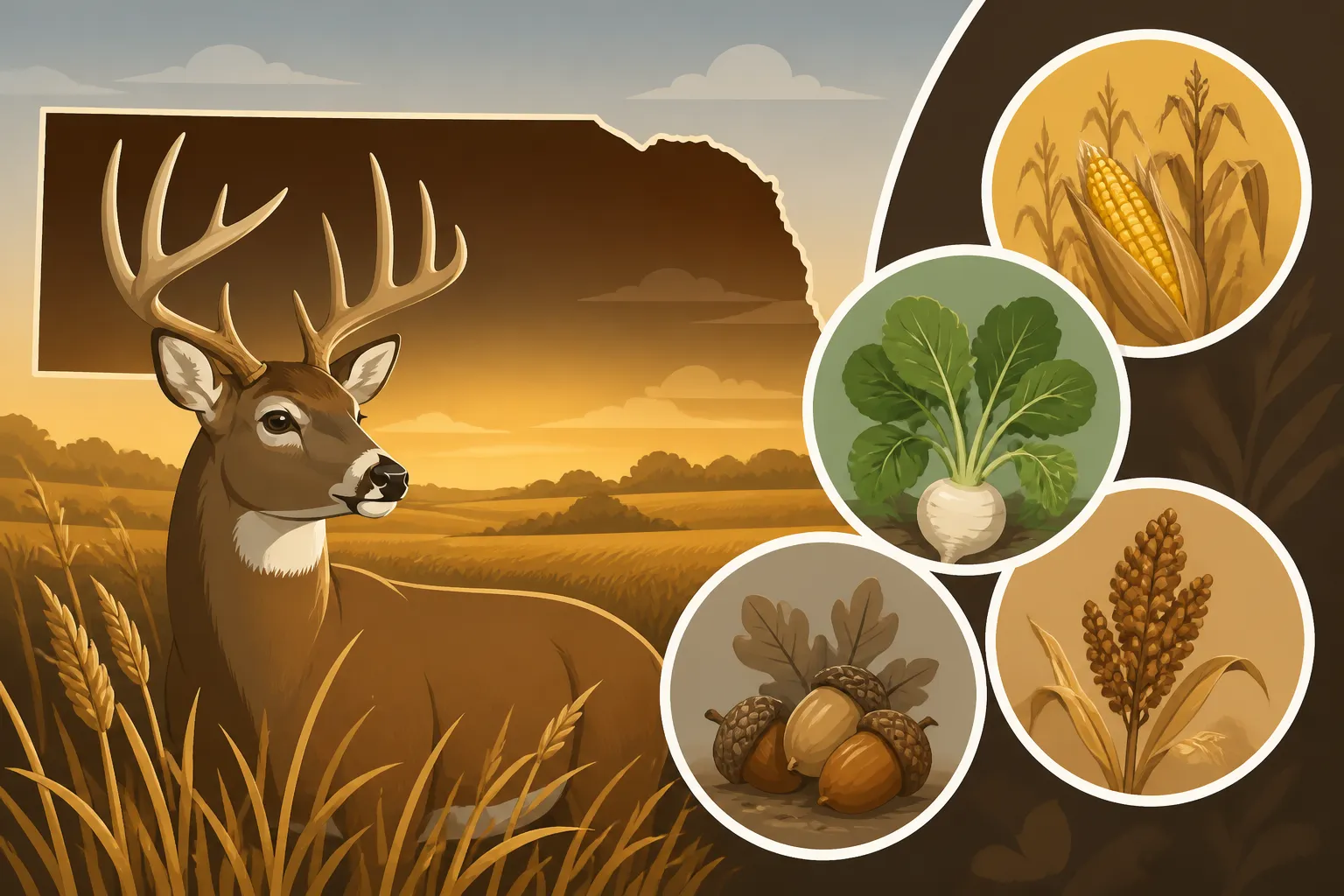
The magic words for late-season hunting in agricultural country are "standing corn," "milo," and "soybean stubble." Even after combines have rolled through, there's always some grain left behind, either dropped onto the ground or missed by the machinery. For deer, this is like finding a buffet. They’ll methodically work through harvested fields, gleaning every last kernel or bean. These fields are especially potent if they're adjacent to good bedding cover like a river bottom, a cedar thicket, or a shelterbelt.
Think about a harvested cornfield. Deer don't just walk through it; they graze it. Their noses are to the ground, hoovering up dropped ears or individual kernels. For pheasants and turkeys, these fields offer scattered feed, too, and often some residual cover from stalks. But it’s not just about what’s on the ground. Sometimes, a farmer might leave a section of corn or milo completely unharvested. This isn't just food; it's also dense, protective cover, making these plots irresistible to deer and pheasants alike when the winds howl and snow flies. When you're scouting, pay close attention to the efficiency of the harvest. Fields that look "messier" from a farmer's perspective might be goldmines for a hunter.
Standing Corn and Milo as Cover and Food
There’s nothing quite like a standing cornfield in December or January. It’s a literal fortress, offering thermal cover, visual security, and an abundant food source all in one. Deer will often bed right within these fields, emerging only to feed a few rows deeper or move to an adjacent patch. For pheasants, it's their sanctuary. A block of standing corn, especially if it's thick and has some weed growth underneath, will hold birds like glue.
Hunting standing corn or milo requires a different approach than typical open-field hunting. It’s slow, methodical work, often involving strategic pushes with multiple hunters or, for a solo hunter, still-hunting into the wind along the edges. The key is knowing how animals utilize the internal structure of the field. Deer will often create trails and travel corridors within the rows, leading from deeper cover to feeding areas or adjacent timber. Keep an eye out for these subtle paths. A mapping tool like GoHunt can be invaluable here, helping you visualize field boundaries and plan your approach, identifying potential escape routes and travel corridors that might not be obvious from the ground. Understanding What Changes in Nebraska After the Corn Comes Off will really help you adapt your tactics.
Alfalfa and Winter Wheat Fields
While grains provide concentrated energy, green forage still plays a role, especially in milder late seasons or during warm spells. Alfalfa fields, even if grazed down, can offer some nutritional value. Deer will browse the tender new growth if conditions allow. Similarly, winter wheat fields, planted in the fall, provide a green carpet that deer will often graze, especially at dawn and dusk.
These fields tend to be more attractive earlier in the late season, before deep freezes make the plants less palatable or accessible. They're often high-traffic areas because they draw deer from surrounding timber or CRP grounds. When scouting, look for fresh tracks along the edges, especially where a field borders a woodlot. Turkeys also love to hit winter wheat fields, scratching for residual seeds and grabbing green forage. If you're looking for Late-Season Antlerless Hunting in Nebraska opportunities, these green fields can be excellent spots as does and fawns will flock to them.
Natural Forage: Finding Sustenance Beyond the Rows
While agricultural fields dominate much of the discussion, Nebraska still offers vast tracts of natural habitat, especially in the Sandhills, along river corridors, and in the Pine Ridge. Here, game animals rely on different, often harder-to-find, food sources that require a keen eye and a bit more detective work to locate.
Browse Species in Timber and River Bottoms
In areas where row crops are less prevalent or simply not available, deer turn to woody browse. Think about the extensive river bottoms of the Platte, Loup, and Niobrara rivers, or the timbered draws of the Sandhills and the Pine Ridge. Here, species like dogwood, sumac, cedar, and even the tender new growth of various shrubs and young trees become vital. Deer will meticulously browse twigs and buds, stripping bark from certain species for nutrients.
These areas are often high-traffic corridors for deer moving between bedding and feeding, or simply moving through their winter range. Look for "browse lines" – areas where preferred vegetation has been nipped off at a consistent height by deer. Focus on south-facing slopes in timbered areas, as these spots receive more sunlight, which can encourage more palatable growth and provide warmer bedding. Learning to identify these key browse species and their palatability to deer is a skill that comes with time, but it’s invaluable for finding animals in natural settings. When you are Hunting a Frozen Nebraska River Bottom, browse becomes even more important as other food sources might be locked under ice or snow.
Hard Mast and Persistent Soft Mast
While acorns and other hard mast are usually thought of as a fall food source, they can persist into the late season if there’s a good crop. Bur oaks and other oaks drop acorns that, if not consumed immediately, can remain under leaf litter or snow, providing a high-energy meal for deer, turkeys, and even pheasants that scratch for them. A productive oak ridge, especially one with south-facing exposure to help melt snow, can be a late-season hotspot.
Similarly, some "soft mast" can hang on. Think about wild crabapples or persistent wild grapes that remain on the vine or tree branches. While these might not be as calorie-dense as corn, they provide crucial moisture and sugars. I’ve seen deer absolutely clean out a patch of wild crabapples that were still clinging to the branches well into December. These are often isolated pockets, so scouting is paramount. Use aerial maps on platforms like GoHunt to identify potential mast-producing trees or thickets near traditional deer travel routes.
Native Grasslands and Weed Patches
In the vast expanse of the Nebraska Sandhills or other large grassland regions, food sources can seem scarce. However, native grasses, especially certain cool-season varieties, can still offer some grazing opportunities. More importantly, don't overlook weed patches. Thickets of smartweed, ragweed, or other persistent weeds often hold seeds that pheasants, quail, and turkeys will scratch for. The seeds, combined with the often-dense cover of a weed patch, make them ideal wintering grounds.
For mule deer and pronghorn in western Nebraska, areas with sagebrush, winterfat, and other browse found in the shortgrass prairie become important. These hardy plants can withstand cold and offer some nutritional value when other options are covered or dormant. Focus on sunny slopes or areas where wind has blown snow clear, exposing these vital plants. When you're Reading Sign on a Nebraska Sandhills Two-Track, you'll often see tracks leading into these natural pockets.
Effective Strategies for Pinpointing Late-Season Food Sources
Finding these critical food sources isn't always easy, especially when the landscape is covered in snow or conditions are harsh. It takes a combination of good scouting, technological tools, and an understanding of animal behavior. This is where diligent effort truly pays off.
Utilizing Aerial Maps and On-the-Ground Scouting
Before you even step foot in the field, spend time poring over aerial maps. Tools like GoHunt or other mapping apps are indispensable. Look for:
- Field edges bordering timber or thick cover.
- Areas of unharvested crops (sometimes visible even on older imagery if they tend to be consistent year after year, but current satellite imagery is best).
- Brushy draws, shelterbelts, and heavy timber that can provide browse and thermal cover.
- South-facing slopes in wooded areas.
- Water sources, which, while not food, are always critical and often near food.
Once you have some potential spots identified, hit the ground. Don't be afraid to walk. Look for tracks, scat, and browse lines. Pay attention to fence crossings and natural funnels that lead to and from potential food sources. In late season, fresh sign around food is a clear indicator that animals are actively using that area. Remember that Muzzleloader Deer Hunting in Nebraska in December often means you're operating in these challenging, food-focused conditions.
Reading Sign and Understanding Movement Patterns
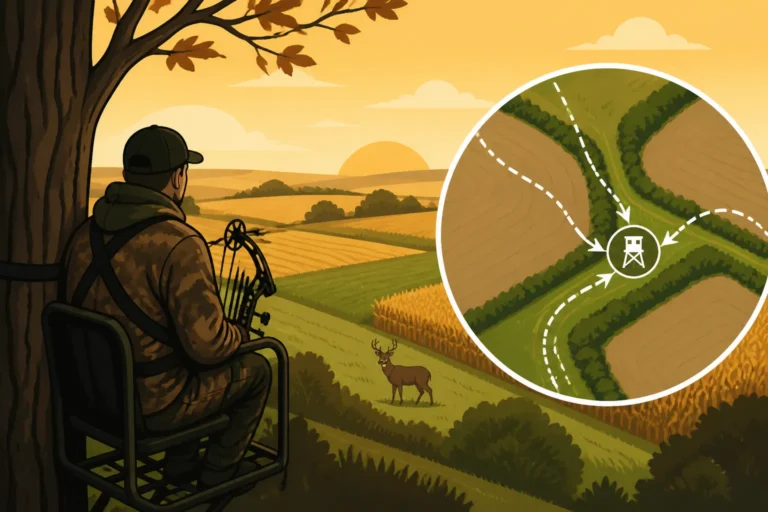
Late season is all about reading the very distinct language of the land. Fresh tracks in the snow leading into a standing cornfield, or heavily browsed sumac along a creek bottom, tell a story. Deer especially become incredibly patternable around food. They’ll establish distinct travel routes between their preferred bedding areas (often thick cover, warm slopes, or even inside those standing crops) and their most attractive food sources.
Focus your attention on understanding these daily circuits. Where are they bedding? Where are they eating? And most importantly, what path are they taking between the two? This often means finding subtle trails that might be barely visible in other seasons but stand out in snow or mud. Think about prevailing wind directions too – deer will almost always approach a food source with the wind in their favor, or at least quartering to them, to detect danger. Setting up near these well-used trails, especially in the afternoon as deer move to feed, can be incredibly effective. Consider your own entry and exit too, so you don't blow out the area you're trying to hunt. If you're planning a Cold Weather Sitting Strategy, knowing these specific movement patterns to and from food is absolutely paramount.
The Role of Technology in Food Source Discovery
Modern hunting technology has revolutionized late-season scouting. Beyond aerial maps, trail cameras become even more powerful tools. Place cellular trail cameras overlooking promising food sources, especially those pockets of unharvested grain, active browse lines, or persistent mast. They can tell you not only what animals are using the area but also when they are using it, helping you fine-tune your hunting times.
GPS units and hunting apps like GoHunt are also critical for marking exact locations of rubs, scrapes (though less active in late season), heavily browsed areas, or fresh tracks near food. They help you stay oriented in unfamiliar territory, particularly in large tracts of public land or dense cover. You can mark specific oak trees still holding acorns, or a hidden patch of standing milo, and return to them with precision. The more data you collect, the clearer the picture of late-season animal movements around these vital food sources becomes.
Late-Season Food Sources in Nebraska: A Quick Guide
Here’s a snapshot of common late-season food sources and the game animals that utilize them:
| Food Source Category | Specific Examples | Primary Game Species | Key Characteristics for Hunters |
|---|---|---|---|
| Agricultural Leftovers | Standing Corn, Milo, Soybeans | Deer, Pheasants, Turkeys | High-calorie, concentrated energy. Provides excellent thermal/visual cover. Look for unharvested sections or fields with significant dropped grain. Often found near dense bedding areas. |
| Green Forage | Winter Wheat, Alfalfa, Clover | Deer, Turkeys, Geese | Important early in late season or during mild spells. Offers nutrition and moisture. Look for fresh growth in open fields, especially those bordering timber. Deer often visit at dawn/dusk. |
| Woody Browse | Sumac, Dogwood, Cedar, Young Trees | Deer, Rabbit, Grouse (some) | Crucial in timbered areas, river bottoms, and draws where crops are absent. Look for fresh browse lines on twigs and buds. South-facing slopes are often preferred. |
| Hard Mast | Acorns (especially Bur Oak) | Deer, Turkeys, Squirrels | Can persist under leaf litter or snow. High-energy food. Focus on productive oak ridges, particularly those with good cover nearby. May be found in isolated pockets. |
| Persistent Soft Mast | Wild Crabapples, Wild Grapes | Deer, Turkeys, Songbirds | Provides sugars and moisture. Often found in specific, localized thickets or along fencelines. Very attractive when other food is scarce. |
| Native Grasses & Weeds | Certain cool-season grasses, Seeds | Mule Deer, Pronghorn, Pheasants, Quail | Important in rangeland environments. Weed patches offer seeds and cover. Focus on areas where snow has blown clear or higher-quality browse is present. Pheasants and quail will heavily utilize dense weed patches. |
Disclaimer
Hunting involves inherent risks, and it is the responsibility of each individual to hunt safely, ethically, and in accordance with all applicable laws and regulations. The information provided in this guide is for informational purposes only and should not be considered a substitute for professional instruction, local knowledge, or official state hunting regulations. Always verify seasons, bag limits, and specific rules with the Nebraska Game and Parks Commission before hunting.