Getting Venison Home From Nebraska
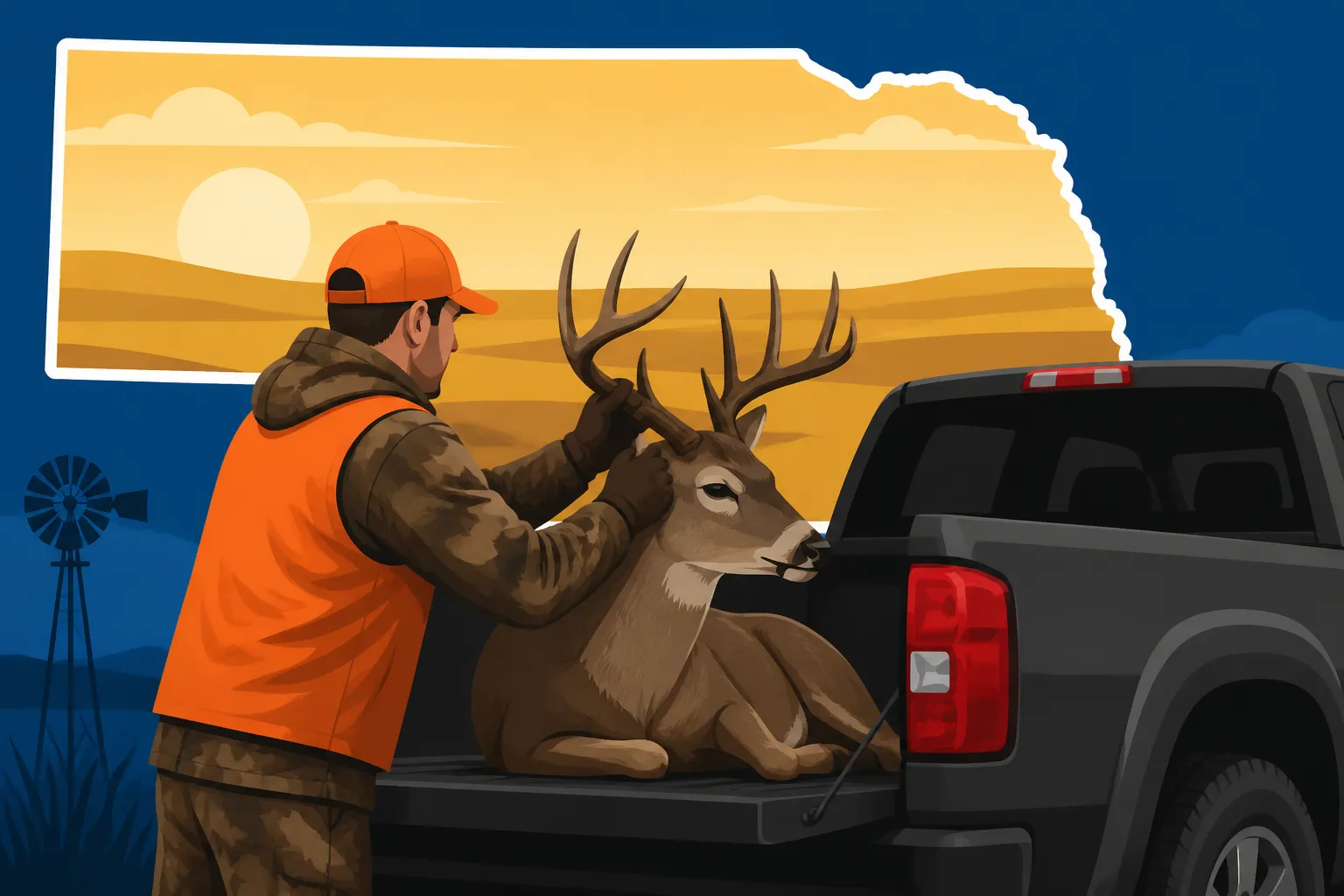
After you’ve put in the hard work, made the shot, and celebrated your success in the field, there’s one more crucial step that can often feel like a whole new challenge: getting your venison home from Nebraska. Whether you’re an out-of-state hunter trekking across state lines or a resident with a long drive home after a successful hunt in the Sandhills or the Pine Ridge, properly handling and transporting your hard-earned deer meat is absolutely essential to ensure it arrives in prime condition. This guide will walk you through the practical steps, regulations, and best practices for protecting your venison every step of the way.
Immediate Field Care: The First Crucial Steps
The journey of your venison truly begins the moment the animal hits the ground. Improper initial field care can quickly compromise the quality of your meat, no matter how well you package it later. This is especially true if you're hunting during Nebraska's warmer early archery seasons or even during a mild November firearm opener.
Gutting and Cleaning in the Field
The absolute first step is to field dress your deer as quickly and cleanly as possible. This removes the internal organs, which are a major source of heat and bacteria. You want to get that heat out of the carcass as fast as you can. For many, this means the traditional gutting method, opening the cavity from sternum to pelvis and removing all organs. Make sure to use clean tools and avoid contaminating the meat with gut contents. Some hunters prefer the "gutless method," especially for larger animals or when hiking out from remote areas, but for most deer in Nebraska, a thorough traditional field dress is usually sufficient and often quicker if you're familiar with it.
Once gutted, wipe out the cavity with paper towels or a clean cloth to remove any excess blood or debris. If you have access to potable water, a quick rinse can be beneficial, but make sure to dry the cavity thoroughly afterward to prevent bacterial growth. Moisture is the enemy here.
Rapid Cooling and Air Circulation
Once field dressed, your primary goal is to cool the carcass down rapidly. Nebraska can have some surprisingly warm days even into early fall, and that internal body heat will ruin meat quickly.
- Prop it Open: Prop the body cavity open with a stick or spreader to allow air to circulate. This simple act can make a huge difference in cooling.
- Elevate Off the Ground: Get the deer off the hot ground if possible. Lay it on a tarp, logs, or even hang it. Any contact with the warm earth will slow the cooling process.
- Shade is Your Friend: Move the deer to the deepest shade you can find immediately. Even a few degrees difference in ambient temperature can help. If you're out in the open Sandhills, this might mean using a vehicle or a portable canopy for shade.
- Ice the Cavity (If Possible): If you're near your vehicle and have coolers, filling the body cavity with ice can dramatically speed up cooling. Place ice bags directly into the cavity. Some hunters use frozen water bottles that can be reused. Just make sure to drain any melted water periodically to keep the cavity dry. For more on this, check out Field Dressing and Cooling Game in Warm Weather.
Many hunters underestimate the importance of this initial cooling, especially for those longer drives. Think of it like a chain: if the first link is weak, the whole thing can break. Using a game bag to protect the carcass from flies and dirt while allowing air circulation is also a smart move, particularly if the deer will be hanging for any length of time before further processing.
Navigating Nebraska Regulations for Deer Transport
Moving your deer, whether it's just across the county or across the state, involves adherence to Nebraska's specific game laws. Ignoring these rules can lead to fines and a ruined hunt.
Tagging and Harvest Reporting
Immediately after taking your deer, you must attach your permit tag to the carcass. This is non-negotiable and must be done before moving the deer from the kill site. The tag should be securely affixed and visible. In Nebraska, you also have a legal obligation to report your harvest. This can typically be done online or via telephone. Make sure you understand the specific deadline for reporting, as failure to do so is a violation. This process ensures the state can accurately track harvest numbers and manage deer populations effectively. Knowing how these steps fit into the bigger picture of Nebraska Deer Tagging and Checking Rules is crucial.
Carcass Movement and CWD Rules
Nebraska has specific rules regarding the transportation of deer carcasses, primarily aimed at preventing the spread of Chronic Wasting Disease (CWD). These rules are critically important for all hunters, but especially for non-residents or those moving deer out of CWD management zones.
- Whole Carcasses: Generally, you can transport a whole deer carcass within Nebraska, as long as it's properly tagged. However, if you harvest a deer in a CWD management unit, you cannot take the whole carcass out of that unit across state lines or into a different CWD unit without adhering to specific deboning requirements. Always check the current regulations map and unit definitions, which you can often find easily through resources like GoHunt's state-specific information.
- Deboning is Key for CWD Zones/Interstate: If you're planning to take your deer across state lines, or if you've harvested it from a CWD management zone and are moving it to a non-CWD zone within Nebraska, you will almost certainly need to debone the meat. This means removing all bones, spinal cord, and brain material. These tissues are where CWD prions are most concentrated. The hide, skull plate with antlers (cleaned of all tissue), and cleaned teeth can usually be transported. Always verify the current Carcass Transport Rules Out of Nebraska before you hit the road.
- CWD Testing: Nebraska offers voluntary CWD testing for harvested deer. If you want your deer tested, you’ll need to follow specific instructions for sample collection or find a drop-off location. This is often a good idea, especially if you plan to share the meat widely or have concerns. You can learn more about this process in Getting a Nebraska Deer Tested for CWD.
The bottom line here is to plan ahead. Know the CWD zones you'll be hunting in and understand the transport restrictions before you even pull the trigger.
Preparing for the Long Haul: Processing and Packaging
Once the initial cooling is done and you're aware of the regulations, the next step is processing and packaging your venison for transport. This is where most hunters make decisions based on their resources and travel plans.
Professional Processing vs. DIY
You have a couple of main options for processing your deer:
- Local Processor: Many Nebraska towns have local meat processors who specialize in wild game. This is often the easiest option, especially for out-of-state hunters. They handle everything from skinning and butchering to packaging and freezing. They're also typically well-versed in CWD regulations and can ensure your meat is compliant for interstate travel. The downside is the cost and potential wait times, especially during the peak of firearm season. Make sure to call ahead and confirm their services and turnaround times. They can be invaluable if you're looking for guidance on Getting Venison Home From Nebraska efficiently.
- Do-It-Yourself (DIY): If you're confident in your butchering skills and have the facilities, you can process the deer yourself. This gives you complete control over the cuts and packaging. If you go this route, you'll need a clean workspace, sharp knives, and appropriate packaging materials. This is often preferred by those who want specific cuts or who enjoy the process. Remember, if you're taking the meat across state lines, you'll still need to follow deboning rules.
Proper Packaging for Preservation
Regardless of who processes your deer, proper packaging is critical for maintaining quality during transport and for long-term freezer storage.
- Vacuum Sealing: This is hands-down the best method for preserving venison. Vacuum-sealed meat removes all air, preventing freezer burn and extending shelf life significantly. It also makes for compact, leak-proof packages that are ideal for transport.
- Freezer Paper/Plastic Wrap: If vacuum sealing isn't an option, wrap meat tightly in plastic wrap, pressing out as much air as possible, then overwrap with sturdy freezer paper. Label each package with the cut and date.
- Deboned and Packaged: For interstate travel, remember that regulations often require meat to be deboned and packaged, with no brain or spinal material attached. This means you'll usually be transporting neatly wrapped packages of venison, not a whole carcass.
Cooler Selection and Thermal Management
Choosing the right coolers and managing their temperature is paramount for a successful journey home, especially if you're driving long distances or through warmer climates.
Choosing the Right Coolers
Not all coolers are created equal. For transporting venison, especially across long distances, you need quality that can hold ice for days.
- High-Performance Coolers: Brands like Yeti, RTIC, Orca, and others are designed for extreme ice retention. They're an investment, but they can pay dividends in peace of mind, knowing your meat is staying cold. They feature thick insulation and tight-sealing lids.
- Standard Coolers: If high-performance coolers aren't in your budget, good quality standard coolers can work, but you'll need more ice and more frequent ice checks. Make sure they have a good seal and are durable enough to handle being moved around. You'll likely need to plan for more ice stops.
- Size Matters: Bring enough cooler capacity for your anticipated harvest. A large deer can yield a significant amount of meat. Overstuffing a cooler with too little ice is a recipe for disaster.
Ice, Dry Ice, and Freezing
Maintaining temperature inside your coolers is the most important aspect of transport.
- Regular Ice: Good for keeping already cold or slightly chilled meat cold. Use block ice if possible, as it lasts longer than cubed ice. Pack it densely around your meat packages. Drain water periodically, but leave some slush to help keep things cold if you're going to replenish.
- Dry Ice: The gold standard for freezing meat on the go. Dry ice is much colder than regular ice and will keep frozen meat solidly frozen for days.
- Handling: Always handle dry ice with heavy gloves; it can cause severe frostbite.
- Placement: Place dry ice on top of your meat packages. Cold air sinks, so this is the most efficient placement.
- Ventilation: Do not seal coolers with dry ice in an airtight vehicle compartment. Dry ice sublimates (turns directly into gas), and in an unvented space, the buildup of CO2 can be dangerous. Keep a window cracked or ensure good airflow.
- Freezing Strategy: If you have the luxury of a few days, getting your venison completely frozen before you leave is ideal. A fully frozen cooler with dry ice can maintain temperature for a very long time.
Here's a quick comparison of ice types for transport:
| Feature | Regular Ice (Block/Cubed) | Dry Ice (Solid CO2) |
|---|---|---|
| Temperature | 32°F (0°C) | -109.3°F (-78.5°C) |
| Primary Use | Keeping already cold items chilled; short-term cooling | Keeping items deeply frozen; long-term freezing |
| Longevity | Melts into water; requires draining; lasts 1-3 days | Sublimates into gas; no water; lasts 2-5 days |
| Safety | Relatively safe to handle | Requires gloves; proper ventilation crucial |
| Availability | Widely available at gas stations, grocery stores | Less common; found at specialty ice shops, some groceries |
| Cost | Lower per pound | Higher per pound |
| Best For | Short trips, keeping meat fresh if not yet frozen | Long trips, keeping meat frozen solid, especially across states |
For extended trips, especially if you're hauling a lot of meat, combining both can be a solid strategy: regular ice to chill the carcass immediately, then dry ice for the journey home once the meat is packaged and ideally, partially frozen. Don't forget to factor in the Ice Requirements for Hauling a Deer.
Logistics for Out-of-State Hunters
For those visiting Nebraska from another state, the process has a few extra considerations. Planning ahead is even more critical.
Understanding Your Home State's Rules
Just as important as Nebraska's rules are your own state's regulations for importing wild game. Some states have specific CWD testing requirements or restrictions on certain carcass parts, even if Nebraska allows their export. Do your homework before you leave home. A quick call to your state's fish and wildlife agency or a visit to their website can save you a lot of headache at a state line check. Websites like GoHunt often compile information on various state regulations, which can be a helpful starting point for your research.
Required Documentation
Always carry all your hunting permits and licenses with you, along with proof of harvest. While rarely requested, having these documents readily available can smooth over any questions from law enforcement or wildlife officials. If you've had your deer professionally processed, the processor will usually provide a receipt detailing the cuts and confirming it's legal for transport.
Planning Your Route and Stops
Consider your drive time. If it's a multi-day trip, plan for stops where you can replenish ice or potentially find a place to re-freeze your meat if needed. Gas stations are usually reliable for ice, but dry ice might require a stop at a larger grocery store or a specific vendor. Having a reliable GPS or a phone app like GoHunt's mapping features can help you locate these resources along your planned route.
A final word of advice: don't skimp on quality when it comes to preserving your meat. You've invested time, money, and effort into your hunt. The last thing you want is for that hard work to be spoiled by poor transport practices. By paying attention to field care, understanding regulations, and preparing your venison correctly, you'll ensure delicious memories long after your Nebraska hunt is over. If you're looking for gear specifically designed for this purpose, consider items like Coolers for a Warm Nebraska Opener and Game Bags for Early Archery Heat.
Disclaimer
This article is for general informational purposes only and does not constitute professional advice. Laws, prices and regulations vary by location and change over time. Consult a qualified professional for guidance on your specific situation.