Slings That Stay Put on a Long Walk
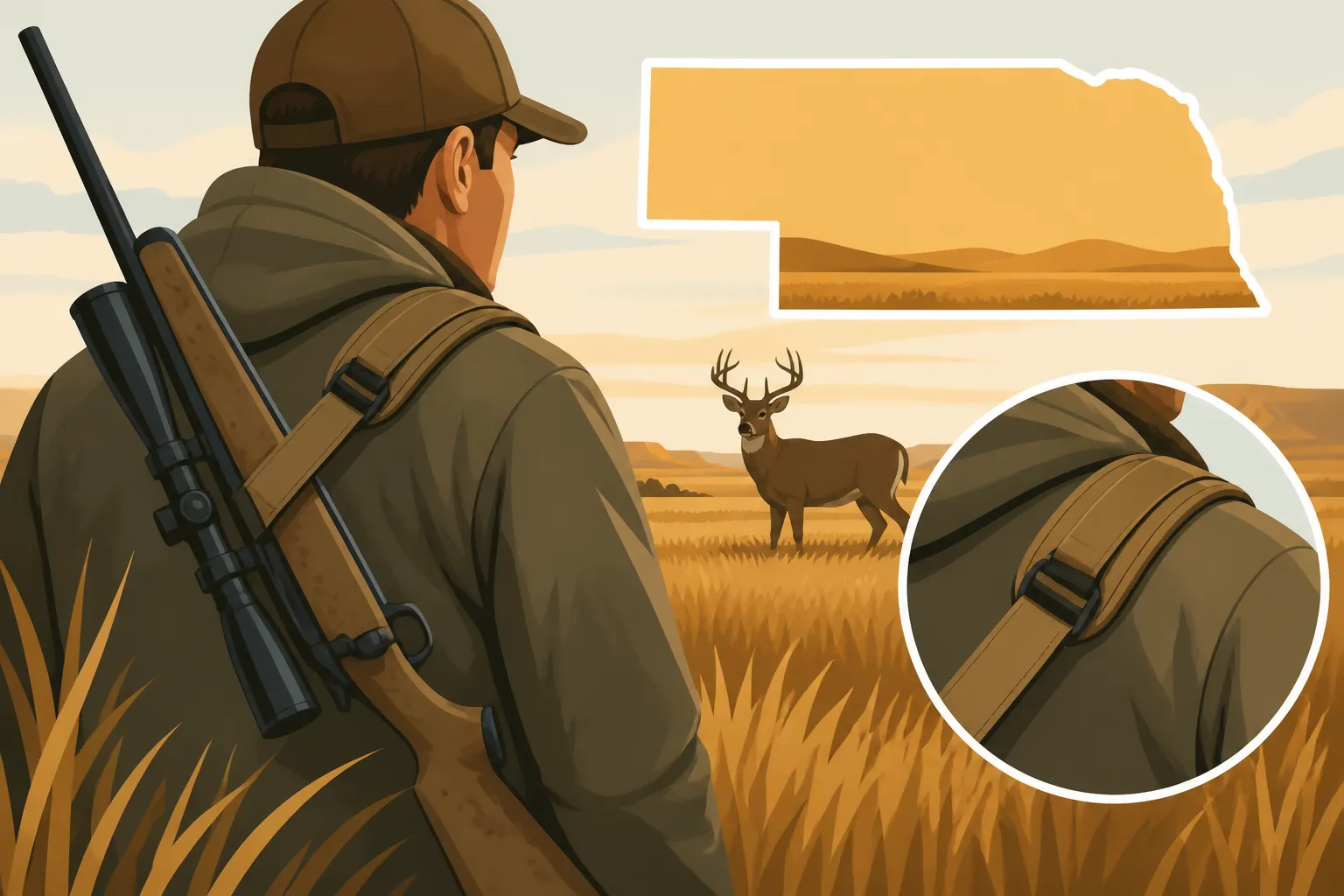
There’s nothing quite as frustrating as embarking on a long walk across a frosty Nebraska cornfield or through the rolling Sandhills, rifle in hand, only to have your sling constantly slip off your shoulder. This annoying dance of re-shouldering your firearm isn’t just inconvenient; it can be downright dangerous and certainly impacts your focus when you should be scanning for game. This guide will dive deep into the world of rifle slings, helping you identify and choose slings that truly stay put, ensuring your firearm is secure and ready when you are.
The Agony of the Slipping Sling: More Than Just an Annoyance
Every hunter who’s spent significant time hoofing it through Nebraska’s varied landscapes knows the drill: you adjust your rifle, take a few steps, and slip. Down it goes, clanking against your hip or forcing you to awkwardly catch it. This isn't just a minor irritation; it's a legitimate problem that can have several real-world consequences, especially when you’re miles from the truck or closing in on a target.
When Your Focus Shifts from Hunting to Holding
Think about still-hunting a snow-covered river bottom in December, every step calculated, eyes constantly searching for a flicker of movement. Or perhaps you're Walking Milo and Corn Stubble for Pheasants, trying to keep your head up and your dog in sight. If you're continually preoccupied with keeping your rifle on your shoulder, your attention is diverted from the primary task: hunting. This lost focus can mean missing crucial deer sign, spooking a covey of quail, or simply not being ready for a quick shot opportunity. It breaks your rhythm and concentration, which are vital components of a successful hunt.
Safety Concerns and Damage Risks
A slipping rifle isn't just a minor nuisance; it can create serious safety issues. A sudden shift can cause you to stumble, potentially pointing the muzzle in an unsafe direction. If you’re climbing over a fence line or navigating tricky terrain, two hands on your rifle are infinitely better than one trying to keep it from hitting the ground. Moreover, repeated drops or impacts from a slipping sling can damage your rifle's scope, stock, or action, leading to costly repairs or a compromised hunt. Imagine dropping your rifle just as you're trying to Close the Last Hundred Yards on Sand to a trophy mule deer. It's a hunter's nightmare.
Deconstructing the "Stay-Put" Sling: Materials and Design
What separates a sling that consistently stays put from one that's a constant battle? It largely comes down to the materials used and the thoughtful design features implemented to create friction and stability. It's not just about a fancy brand name; it's about practical engineering for real-world hunting conditions.
The Science of Grip: Material Matters
The primary factor in a sling's ability to stay on your shoulder is the material that makes contact with your clothing. Smooth, slick materials like plain nylon webbing or untreated leather often struggle to maintain purchase, especially over outer layers like a rain jacket or a heavy winter coat. The best slings incorporate materials designed to maximize friction.
- Neoprene: Often found in slings, neoprene provides a comfortable, somewhat stretchy feel that also has a decent amount of grip, particularly when it has a slightly textured surface. It's great for damp conditions as it doesn't absorb water like some other materials. However, some hunters find it can get a bit warm on warmer days.
- Rubberized Grips: Many top-tier slings integrate rubberized or high-friction synthetic panels directly onto the shoulder pad. These sections are specifically engineered to grab onto clothing without being abrasive. This is often the most effective solution for preventing slips, as the rubber essentially "sticks" to your fabric, even when you're moving vigorously or wearing slick synthetics.
- Suede or Rough Leather: While traditional, genuine leather slings can be beautiful, a smooth leather sling often slips. However, slings with a rough-out suede backing or those made from un-tanned, grippier leather can offer surprising stability. The natural texture and porosity of these materials create friction. They can be heavier and might absorb moisture more readily than synthetics, but they are durable and quiet.
- Textured Synthetics: Beyond rubber, some synthetic slings use woven patterns or raised textures in their fabric to increase friction. These are lightweight and durable, often a good middle-ground solution.
Here’s a quick comparison of common sling materials and their "stay-put" properties:
| Material Type | "Stay-Put" Property | Comfort | Durability | Weather Resistance | Noise Factor |
|---|---|---|---|---|---|
| Plain Nylon Webbing | Poor (Very slick) | Good | Excellent | Excellent | Low |
| Smooth Leather | Poor (Slippery) | Excellent | Excellent | Moderate | Low |
| Neoprene | Fair to Good | Excellent | Good | Good | Low |
| Rubberized Synthetic | Excellent | Good | Excellent | Excellent | Low |
| Rough-Out Suede | Good | Good | Good | Fair | Low |
| Textured Synthetic | Fair to Good | Good | Excellent | Good | Low |
Design Features Beyond the Material
Beyond the primary contact material, a sling's overall design plays a crucial role.
- Width and Padding: A wider shoulder pad distributes weight more effectively, making the sling more comfortable for long walks on Nebraska grass and sand. This comfort also helps reduce the tendency to constantly shift the rifle, which can lead to slipping. Padding, especially dense, non-compressible foam, adds to comfort without compromising stability. A narrow, unpadded sling will dig into your shoulder and encourage fidgeting, making it more likely to slip.
- Non-Slip Backing: Many modern slings feature a dedicated non-slip backing material, often a rubber-like texture, on the underside of the shoulder pad. This is distinct from the primary material and is specifically engineered to grip clothing. Brands often highlight this feature.
- Thumb Loops and QD Swivels: While not directly contributing to "stay-put" qualities, these features enhance the overall user experience, which in turn reduces fidgeting. A thumb loop allows you to maintain better control and stability with your off-hand while walking. Quick-detach (QD) swivels allow for easy attachment and removal, which is great for switching between carrying modes or quickly detaching your rifle when in a stand or blind.
Key Features for Nebraska Hunting Terrain
Nebraska’s hunting grounds are incredibly diverse, from the wide-open expanse of the Sandhills to the dense river bottoms of the Platte and Missouri. A sling that works well in one environment might not be ideal for another. When you're considering your next sling purchase, think about the specific challenges you face here in the Cornhusker State.
Open Country and Long Hauls
If you spend your seasons Glassing the Nebraska Sandhills for Mule Deer or Stalking Pronghorn Across Open Nebraska Ground, you know what long walks truly mean. You're covering miles, often in challenging conditions like loose sand or uneven prairie grass. For these hunts, comfort and stability are paramount.
- Wider Shoulder Pads with Max Grip: Look for slings with extra-wide, well-padded shoulder sections that incorporate aggressive rubberized or textured synthetic grip panels. This combination ensures the rifle stays put, distributes weight to prevent fatigue, and allows you to keep your hands free for binoculars or trekking poles. When you're carrying a pack for a day on public ground, a good sling will integrate seamlessly without adding bulk or more slip points.
- Quick Adjustability: Being able to quickly tighten or loosen your sling can be a game-changer. Imagine you've spotted a buck and need to transition from carrying to shooting quickly. A sling with an intuitive, one-hand adjustment mechanism allows you to cinch it down for a secure carry or loosen it for a fast presentation. Brands like Vero Vellini or Butler Creek often incorporate these types of grips and quick-adjust features.
- Durable and Weather-Resistant Materials: The open prairie can throw anything at you, from scorching sun to sudden downpours. Choose materials that won't degrade under UV exposure and can handle moisture without becoming slimy or heavy. Neoprene and high-quality synthetics excel here.
River Bottoms and Thick Cover
Hunting eastern Nebraska's river bottom whitetails, or still-hunting through Nebraska Cedar Draws means navigating dense timber, thick brush, and often muddy terrain. Here, a snag-free design and quiet operation are just as important as the sling staying put.
- Low Profile and Snag-Resistant: While a wide, grippy pad is good, a sling that's excessively bulky can catch on branches and brush, making noise or even pulling the rifle off your shoulder unexpectedly. Look for designs that prioritize grip without adding unnecessary bulk. Smooth edges and durable, tightly woven materials are key.
- Quiet Materials: Every sound is amplified in the quiet woods. Avoid slings with noisy buckles or any metallic components that can clank against your rifle or other gear. Synthetic fabrics, especially those with a soft exterior, tend to be quieter than stiff leathers or loud nylon.
- Mud and Water Resistance: River bottoms are often damp, if not outright wet. Materials that can shed water and mud easily, or at least clean up well, are a must. You don't want a sling that becomes a sponge or accumulates grit.
Proper Sling Adjustment and Carrying Techniques
Even the best "stay-put" sling won't perform optimally if it's not adjusted correctly or if you're using a less-than-ideal carrying method. It's a system, after all, and your technique matters just as much as the gear itself.
Finding the Sweet Spot: Length Adjustment
The most common mistake hunters make is having their sling too long. A sling that's too loose allows the rifle to bounce and swing, which actively promotes slipping.
- Start Snug: When carrying your rifle over your shoulder, adjust the sling so that the buttstock of the rifle is just above your hip, or even slightly higher, preventing it from swinging down. The rifle should feel secure against your back or side, not hanging freely.
- Test Movement: Take a few brisk steps, bend over, and move naturally. The rifle should stay in position without needing constant adjustment from your hand. If it still slides, shorten the sling slightly.
- Consider Your Clothing: Remember that your clothing layers change throughout the season. What feels right over a t-shirt in September for When Nebraska's Archery Deer Season Opens will be too long over a heavy parka in December. Always adjust your sling while wearing the same layers you'll be hunting in.
- Hands-Free Test: The ultimate test is whether you can walk comfortably, hands-free, for an extended period without the rifle moving. This is especially important when you’re navigating gates, climbing into a treestand, or Tracking a Deer in Sandhills Grass.
Carrying Methods for Optimal Stability
While the classic "one-shoulder carry" is popular, it's often the culprit for slipping. Consider these alternatives for more stability:
- "African Carry" or Weak-Side Shoulder Carry: This involves carrying the rifle sling over your weak-side shoulder (opposite your shooting shoulder), with the barrel pointing downwards and forward. The rifle's buttstock rests in the crook of your arm or against your hip, creating a natural point of leverage. This method is incredibly stable, keeps the rifle relatively clear of snags, and allows for a quicker presentation. It's fantastic for those long walks where you need your hands free but want instant access to your rifle. Many seasoned plains hunters swear by this method for covering open country.
- Cross-Body Carry: Draping the sling across your chest with the rifle resting against your back or side is another secure method. This is often seen with tactical-style slings but can be adapted for hunting rifles. It keeps the rifle very stable, even when bending or climbing, though it might not be the quickest for a shot unless you practice getting it into position. This method also works well if you're hauling a pack and need the rifle to ride high and tight.
- Two-Point vs. One-Point Slings: Most hunting slings are two-point, attaching at two spots on the rifle. This offers great stability. One-point slings, often preferred for very rapid transitions in tactical scenarios, are rarely ideal for long, stable carries in hunting situations due to the rifle's tendency to swing freely.
- Using a Pack: If you're wearing a good hunting pack (like those you'd use for Packs for a Day on Public Ground), sometimes the hip belt or shoulder straps can interfere with a sling. Many modern packs have built-in rifle carrying systems or compression straps that can secure your rifle to the pack, freeing up your shoulder entirely. This is often the most comfortable option for truly epic treks.
Remember, a good sling, properly adjusted and paired with a smart carrying technique, is an investment in your comfort, safety, and ultimately, your success in the field. Don’t let a flimsy or ill-fitting sling distract you from enjoying everything Nebraska hunting has to offer. When you're getting ready for your next adventure, whether it's scouting new spots or heading out for opening day, make sure your rifle sling is up to the task.
Disclaimer
This article is for general informational purposes only and does not constitute professional advice. Laws, prices and regulations vary by location and change over time. Consult a qualified professional for guidance on your specific situation.