Waterfowl Gear for Nebraska Fields and Wetlands
Nebraska offers incredible waterfowl hunting opportunities, from widespread wetlands to sprawling fields of harvested corn and milo. But anyone who's spent a chilly morning shivering in a blind or struggled to get birds to commit to a stale decoy spread knows that having the right gear isn't just a luxury – it's absolutely essential for both success and comfort. This comprehensive guide will walk you through the specialized waterfowl gear you need to conquer Nebraska's diverse hunting environments, ensuring you're well-prepared for whatever the weather and the birds throw your way.
Decoy Spreads for Nebraska Waterfowl
One of the most critical components of any successful waterfowl hunt in Nebraska is your decoy spread. The vast, open landscapes and varied water bodies demand different approaches depending on the species you're targeting and the specific environment you're hunting. Getting your spread right can mean the difference between watching birds fly by and having them cup their wings right into your lap.
Field Decoy Strategies for Geese
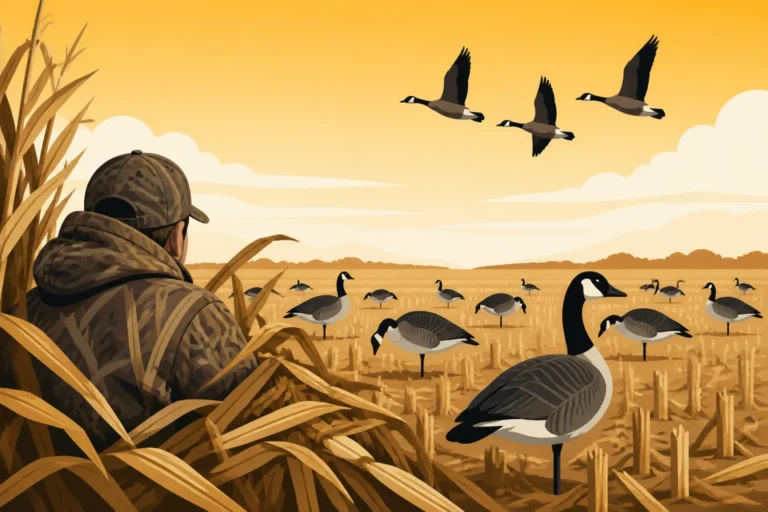
Hunting geese in Nebraska's expansive agricultural fields is a classic experience, but it requires a specialized decoy spread to fool wary birds. Geese are highly intelligent and often fly in large flocks, making them acutely aware of anything that looks out of place. Your primary goal is to create a realistic feeding or resting scenario that convinces incoming birds they're landing among their own kind in a safe, productive area.
This often means investing in a significant number of full-body decoys. While shells and silhouettes have their place, full-bodies offer the most lifelike appearance, especially on clear, calm days when geese can get a good look. Spreading them out in family groups or loose feeding patterns can mimic natural behavior, giving the impression of contentment and safety. Consider creating a "landing zone" – a clear area free of decoys right in front of your blinds – where you want the geese to finish their approach. Remember, it's not just about quantity; it's about quality and realistic placement. For specific tactics, read up on Setting a Goose Spread in Harvested Corn.
Another key aspect of field decoying is variety. While Canada geese are a primary target, snow geese and white-fronted geese also frequent Nebraska's fields, especially during migration. Incorporating a few snow goose or specklebelly decoys into a Canada spread can sometimes add a layer of realism, particularly if these species are migrating through the area. Motion decoys, such as fliers or spinners, can also be highly effective at attracting attention from afar, especially on low-wind days, mimicking the subtle movements of feeding birds. Just be mindful of local regulations regarding motion decoys, as rules can vary.
When selecting your field decoys, durability is paramount. These decoys will be handled, set up, and picked up repeatedly, often in cold, wet, or muddy conditions. Look for decoys with robust stakes or bases that can withstand Nebraska's winds without blowing over. Brands that offer realistic paint schemes and flocked heads are often preferred, as they reduce glare that can spook birds. Transportation is also a consideration; large numbers of full-body decoys can be cumbersome, so efficient bags or trailers become essential. A good system, like one you might organize with the help of a detailed hunting planner such as those from GoHunt, can save you a lot of time and effort in the field.
Duck Decoy Spreads for Wetlands and Rivers
Duck hunting in Nebraska takes you to a different type of environment, from the shallow, marshy Rainwater Basin Waterfowl Numbers wetlands to the deeper, flowing waters of the Platte or Missouri Rivers. Each setting requires a unique decoy strategy to draw in species like mallards, pintails, and teal. Unlike geese, ducks often respond well to tighter, more concentrated spreads that simulate a group of birds loafing or feeding in a particular area.
In shallower wetlands, a common tactic is to create a J-hook or U-shaped spread, leaving an open landing zone in front of your blind. This funnels incoming birds directly into your shooting range. Using a mix of dabbler (mallards, pintails, wigeon) and diver (canvasbacks, redheads, bluebills) decoys can be effective, especially during peak migration when various species are present. Motion decoys, like spinning-wing decoys or jerk strings, are exceptionally effective for ducks, creating ripples and flashing wings that grab attention. Just be aware that spinning wing decoys have specific rules and restrictions in Nebraska, so always check the latest regulations.
For river hunting, current is your primary factor. Decoys need to be weighted properly to stay in place or set on long lines that allow them to drift naturally with the flow. Creating a main blob of decoys in the current, with a few "loafers" off to the side in calmer water, can be very convincing. Consider using more diver decoys in faster, deeper river sections, as these are often favored by diving ducks. The natural movement of decoys in current often means you might not need as many motion decoys, as the water itself provides realism. Again, durable decoys that can withstand the rigors of river currents and potential snags are a must. Explore the various strategies for Decoy Spreads for Rainwater Basin Geese when hunting those specific wetlands.
Regardless of the specific water body, remember that realism is key. Use decoys that accurately represent the species you expect to encounter. Dirty, faded, or unnatural-looking decoys will often do more harm than good. Keep them clean, and touch up paint as needed. Investing in quality decoys that last will pay dividends over many seasons. A well-maintained spread, combined with effective calling, is a powerful combination for Nebraska duck hunting.
| Decoy Type | Best Use Cases | Advantages | Disadvantages |
|---|---|---|---|
| Full-Body | Field geese, open water ducks, wary birds | Most realistic, good visibility, motion options | Bulky, expensive, heavy to transport |
| Shells | Field geese (large numbers), static spreads | Lighter than full-bodies, stackable, cheaper | Less realistic profile, can blow over easily |
| Silhouettes | Field geese (high numbers, long distances) | Very lightweight, stackable, affordable | Least realistic profile, two-dimensional |
| Floating | Ducks in water, water geese | Realistic on water, easy to deploy/retrieve | Can tangle, affected by wind/current, require weights |
| Motion | Ducks (spinners), geese (fliers, flags) | Attracts attention from afar, adds realism | Batteries, mechanical issues, can be regulated |
Blinds and Concealment
Once you have your decoy spread in place, your ability to disappear into the landscape is the next crucial step. Nebraska waterfowl are notoriously sharp-eyed, and a single glint of light off your face or an unnatural silhouette can send an entire flock veering away. Effective concealment is paramount, whether you're tucked into a cut cornfield or hidden along a marsh edge.
Layout Blinds for Field Hunting
For hunting geese or ducks in open fields – think expansive stubble fields of corn, milo, or soybeans – layout blinds are almost always the go-to solution. These low-profile blinds allow you to lie down flat, becoming virtually invisible within the field. The best layout blinds are designed to blend seamlessly with the surrounding environment, offering maximum concealment while providing comfort during long waits.
When choosing a layout blind, consider its construction and how well it brushes in. A sturdy frame is essential to withstand Nebraska's often strong winds, and durable, waterproof fabric will keep you dry through morning dew or unexpected rain. Look for blinds with plenty of stubble straps or pockets where you can easily add natural vegetation from the field – cornstalks, milo heads, or dry grass – to break up the outline. The goal is to make the blind look like another part of the field, not an obvious lump. Positioning your blind correctly, often with the head end facing away from where you expect birds to approach, helps to further minimize your profile. Many hunters use the GoHunt platform to identify prime field locations, which then informs blind placement.
Comfort is also a factor, especially when you're spending hours waiting for birds. Adjustable backrests, padded seats, and easy-access storage pockets for calls, shells, and snacks can make a huge difference in your hunting experience. Deploying and retrieving a layout blind should be quick and efficient, as you might move locations several times in a day to stay on feeding birds. Practice setting it up and brushing it in at home before your first hunt to iron out any kinks. An often-overlooked feature is the flag port, allowing you to easily use a flag to catch the attention of distant geese without revealing yourself.
Stationary Blinds for Waterfowl Hunting
When you're hunting ducks or geese from a fixed location, such as a permanent pit blind, a marsh edge, or along a river, stationary blinds offer excellent concealment. These can range from natural hides built into the existing cover to portable A-frame blinds or even boat blinds. The key is to match your blind type to the environment and to ensure it provides a truly invisible vantage point.
Natural blinds are often the most effective, as they are literally part of the landscape. Using cattails, willow branches, or other native vegetation to create a hide along a wetland edge can be incredibly convincing to incoming birds. However, building these takes time and effort, and they might not be suitable for every location. Portable A-frame blinds offer a quick and versatile option, providing ample space for multiple hunters and gear. They are great for setting up on field edges, near water, or in sparse cover where a layout blind might be too exposed. Just like with layout blinds, brushing them in with local vegetation is absolutely crucial to break up their geometric outline. This is especially true when setting up on a Setting Up on a Nebraska Cornfield Edge.
Boat blinds are indispensable for hunting larger bodies of water, rivers, or lakes where you need to navigate to inaccessible areas. These blinds attach to your boat, transforming it into a mobile, camouflaged hide. They are particularly useful for chasing divers on big water or for accessing remote portions of the Rainwater Basin Wetland Access. Look for models that are easy to deploy and collapse, and that offer good visibility and shooting lanes. No matter which type of stationary blind you use, remember to think about the sun's position throughout the day. A poorly positioned blind that casts a long shadow or reflects light can quickly ruin your hunt. Always consider your entry and exit routes to the blind to avoid flaring birds before you even get set up.
Shotguns and Ammunition
Your shotgun is your primary tool for bringing down waterfowl, and choosing the right one, along with appropriate ammunition, is critical for consistent success. Nebraska's waterfowl hunting involves everything from close-range decoying over water to longer shots at high-flying geese in the fields, so versatility and reliability are key.
Choosing the Right Waterfowl Shotgun
For serious waterfowl hunting in Nebraska, most hunters gravitate towards 12-gauge shotguns. The 12-gauge offers the widest range of ammunition choices, from standard 2 ¾-inch shells to hard-hitting 3-inch and even 3 ½-inch magnums, providing ample power and pellet count for all waterfowl species. While 20-gauge shotguns are popular for upland birds and can certainly be effective for ducks at closer ranges, the added payload and versatility of the 12-gauge make it the preferred choice for most waterfowl scenarios. The recoil of a 3-inch or 3.5-inch shell can be stout, but the added knockdown power on tough birds like Canada geese is often worth it.
When it comes to action type, semi-automatic shotguns are a perennial favorite among waterfowl hunters. Their ability to quickly cycle follow-up shots is a significant advantage when a flock is working or when multiple birds flush. Pump-action shotguns are also highly reliable and effective, often favored for their ruggedness and lower cost, though they require more manual manipulation between shots. Over/under or side-by-side shotguns are less common in waterfowl blinds, mainly due to their two-shot capacity, but some hunters prefer their classic feel and aesthetics. Reliability in harsh conditions – cold, wet, muddy – is paramount, so choose a firearm known for its robust construction.
Consider barrel length; most waterfowl shotguns feature barrels between 26 and 28 inches. This length provides a good balance between swing speed for fast-moving birds and sufficient sight radius for accurate shooting. A shorter barrel (24 inches) can be more maneuverable in tight blinds or thick cover, while a longer barrel (30 inches) might offer a slightly smoother swing on long crossers. Ultimately, the best shotgun is one that fits you well, allowing for quick, natural pointing and consistent shooting. Look for models with durable finishes, like synthetic stocks and corrosion-resistant coatings, that can stand up to the abuse of a Nebraska waterfowl season.
Nontoxic Shot and Ammunition Considerations
This is non-negotiable: All waterfowl hunting in Nebraska, as across the entire United States, requires the use of nontoxic shot. Lead shot is prohibited for all migratory bird hunting due to its harmful effects on waterfowl that ingest it. This means you'll be choosing from materials like steel, bismuth, or tungsten alloys. Each has its own characteristics regarding density, pattern, and cost, which you should consider when stocking up on your Waterfowl Loads for Nebraska Geese.
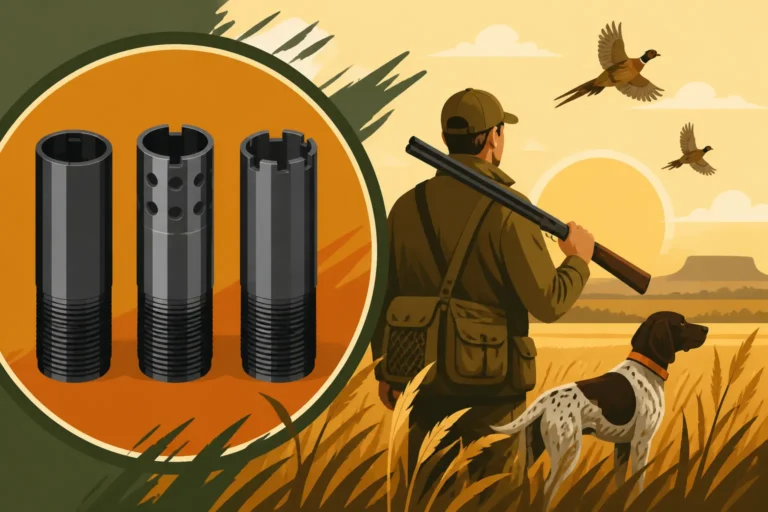
Steel shot is the most common and generally most affordable nontoxic option. It's lighter than lead, which means a given pellet size will have less energy and lose velocity faster. To compensate, many hunters opt for larger steel shot sizes (e.g., #2 or BB for geese, #3 or #4 for ducks) than they would with lead, and often faster velocities. Steel also patterns tighter than lead, so open chokes (Improved Cylinder or Light Modified) are frequently recommended to achieve a wider, more forgiving pattern. However, because steel is harder, you should only use it in shotguns rated for steel shot, and avoid older guns or tighter chokes that could be damaged.
Bismuth and tungsten alloys are denser than steel, performing much closer to traditional lead shot. This means you can often use smaller shot sizes and still achieve excellent knockdown power and penetration, even at longer ranges. These materials are also softer than steel, making them safer for older shotguns or those with fixed, tighter chokes. The trade-off, however, is cost; bismuth and tungsten loads are significantly more expensive than steel. Many hunters reserve these premium loads for wary geese, late-season ducks, or situations where maximum range and effectiveness are critical. Always pattern your chosen ammunition with your specific shotgun and chokes before hitting the field. Understanding the various Nebraska Duck Daily Bag Limit and how to effectively achieve them requires confidence in your chosen ammunition.
Waders and Footwear
Staying dry and warm is not just about comfort; it's about safety and endurance during a long day of waterfowl hunting in Nebraska's often chilly and wet environments. Your waders and footwear are your first line of defense against the elements, protecting you from icy water and muddy terrain.
Selecting Waders for Nebraska's Waters
Waders are an absolute must for many Nebraska waterfowl hunts, allowing you to wade into shallow marshes, retrieve birds from ponds, or set decoys in flooded timber. The choice between chest waders and hip waders depends entirely on the depth of the water you expect to encounter. For most waterfowl hunting, chest waders are the safer bet, providing maximum protection against deeper water and colder temperatures. Hip waders are only suitable for very shallow, calm water.
When selecting chest waders, there are two main categories: neoprene and breathable. Neoprene waders (typically 3mm or 5mm thick) offer excellent insulation, making them ideal for bitter cold mornings or late-season hunts where you'll be standing in frigid water for extended periods. They are durable but can be bulky and less comfortable for long walks or warmer weather. Breathable waders, made from materials like Gore-Tex or similar waterproof-breathable fabrics, are much lighter and more comfortable, especially if you're doing a lot of walking or hunting in milder conditions. They don't offer much insulation on their own, so you'll need to layer heavily underneath them in cold weather. Many Nebraska hunters own both types or prefer breathable waders for their versatility, layering up as needed. Check out specific options for Waders for Rainwater Basin Wetlands.
Look for waders with reinforced knees and seat areas, as these are common wear points. Durable, high-quality boot attachments are also critical, whether integrated rubber boots or separate wading boots designed to be worn over neoprene socks. Boots should have aggressive tread for traction in mud and on slippery creek bottoms. Adjustable suspenders, a waterproof chest pocket, and hand-warmer pockets are also valuable features. Always try on waders with your typical layering clothes underneath to ensure a comfortable fit that allows for movement. You never want them to be too tight or restrictive.
Footwear for Upland Waterfowl Walking
While waders handle the wet stuff, you'll still need robust footwear for walking across fields, navigating uneven terrain, or simply getting to and from your blind. Even if you plan on wearing waders for the hunt, comfortable and waterproof upland boots are essential for scouting or packing in gear, especially if you have a significant walk from your vehicle.
For upland waterfowl situations, such as walking a field edge to flush pheasants or moving from one goose spread to another, a pair of insulated, waterproof rubber boots or high-quality leather/synthetic hunting boots are indispensable. Rubber boots are excellent for muddy conditions, keeping your feet dry even when trudging through saturated fields. Look for models with good arch support and an aggressive sole for traction. Many hunters opt for knee-high rubber boots that offer extra protection when crossing shallow puddles or tall, wet grass.
If you're covering longer distances or dealing with more varied terrain, a pair of sturdy, waterproof hiking or hunting boots might be a better choice. Ensure they are well-insulated for cold weather and offer ample ankle support to prevent twists and turns on uneven ground. Breathability is a plus, but waterproofing is non-negotiable. It's often worth investing in a quality pair of wool socks to wear with any footwear; they wick away moisture and provide crucial insulation, even when damp. Never underestimate the importance of dry, warm feet – they are fundamental to a comfortable and enjoyable hunt in Nebraska.
Layering and Outerwear for Nebraska Weather
Nebraska's weather during waterfowl season can be famously unpredictable, swinging from mild, sunny days to bitter cold, driving rain, or even snowstorms in a matter of hours. The key to staying comfortable and focused is a versatile layering system that allows you to adapt to changing conditions.
Essential Base and Mid-Layers
The foundation of any effective cold-weather hunting system is your base layer. This layer sits directly against your skin and is responsible for wicking away moisture (sweat) to keep you dry. Wet skin loses heat much faster, so a good base layer is paramount. Avoid cotton at all costs; once wet, it stays wet and loses all insulating properties, making you feel colder. Instead, opt for synthetic materials like polyester or natural fibers like merino wool. Merino wool is an excellent choice as it's warm, soft, naturally odor-resistant, and continues to insulate even when damp.
After your base layer, comes your mid-layer, designed to provide insulation and trap warm air. Depending on the temperature, you might wear one or multiple mid-layers. Common mid-layer materials include fleece (polyester), down, or synthetic puff jackets. Fleece is versatile, durable, and still provides some warmth when wet, making it a great everyday option. Down offers superior warmth for its weight but loses insulating power when wet. Synthetic insulations are a good compromise, providing warmth even when damp, though often a bit bulkier than down. The beauty of layering is adjustability: on a warmer morning, you might only need a base layer and your outer shell, but as temperatures drop, you can add a fleece vest, a down jacket, or both. Think about how active you'll be; if you're walking long distances to a blind, you'll generate more heat and might start with fewer layers, adding them once you're stationary.
The beauty of a well-thought-out layering system is its flexibility. When scouting new areas using resources like GoHunt, you can adapt your layers to the predicted weather conditions, ensuring you're never over or underdressed. Always pack an extra mid-layer in your blind bag, just in case conditions change or you get wet. Keeping your core warm is critical for overall body warmth, so prioritize quality base and mid-layers for your torso, legs, and feet.
Outerwear for Wind, Rain, and Extreme Cold
Your outer shell is your final line of defense against the elements. Its primary job is to protect you from wind and precipitation while allowing moisture vapor (from your inner layers) to escape, preventing you from getting clammy from the inside out. For waterfowl hunting in Nebraska, a truly waterproof and windproof outer shell is non-negotiable.
Look for a jacket and pants (or bibs) made from durable, waterproof-breathable membranes like Gore-Tex, Pertex, or similar proprietary technologies. These fabrics keep rain and snow out while allowing sweat to evaporate, preventing that miserable, clammy feeling. Seam-sealed construction is also crucial to prevent water from seeping through stitching. Beyond waterproofing, windproofing is equally important on the open plains of Nebraska. A biting wind can cut right through lesser fabrics, stripping away your body heat quickly. A good shell will block the wind entirely, preserving the warmth generated by your mid-layers.
For extreme cold, especially during late-season hunts, you might consider an insulated outer shell or bibs. These combine the waterproof/windproof exterior with an integrated layer of synthetic or down insulation. While highly effective in bitter temperatures, they offer less versatility than a separate shell and mid-layers, as you can't easily shed insulation. Many experienced Nebraska hunters prefer uninsulated shells over their robust layering system, allowing for maximum adaptability. Features like waterproof zippers, adjustable cuffs, and a well-fitting hood are also important. The overall color and pattern of your outerwear should, of course, blend with your environment – camo patterns suitable for wetland reeds, stubble fields, or timber are essential to complete your concealment. Always remember, the coldest part of a Nebraska waterfowl hunt is usually before the sun comes up, so dress warmly, even if the forecast hints at a warmer day.
Calls and Scouting Tools
Beyond the physical gear, your ability to communicate with birds and understand their movements is paramount. Waterfowl calls are vital for drawing birds into range, and effective scouting tools help you locate them in the first place.
Mastering Waterfowl Calls for Nebraska
A well-used call can be the most effective decoy in your bag. For ducks, a good mallard call is essential, as mallards are abundant in Nebraska and their calls are easily recognized by other species. Learning to make basic quacks, feeding chuckles, and greeting calls will significantly increase your success. Beyond mallards, calls for pintails, wigeon, or teal can also be effective, especially during peak migration when these birds are more numerous. It's not about being the loudest caller; it's about being realistic and knowing when to call, and more importantly, when to shut up. Over-calling can spook wary birds faster than under-calling.
For geese, Canada goose calls are primary, and there's a wide range available, from short-reed calls (popular for their versatility and realism) to flute calls (often easier for beginners). Learning to make honks, clucks, murmurs, and greeting calls is fundamental. Just like with ducks, realism and timing are key. You'll use different calling sequences for distant birds than for those locked on a landing path. For specific strategies, look into Calling Spring Gobblers in Nebraska Timber, as some principles of strategic calling apply, even across different species.
Practice is essential. Spend time learning different calls and listening to real birds. Many experienced hunters recommend finding a mentor or attending calling seminars to hone your skills. Remember, calls are designed to enhance your decoy spread, not replace it. The combination of a realistic spread, effective calling, and excellent concealment is what truly brings birds into range. Don't be afraid to experiment with different calls and calling techniques until you find what works best for the birds in your area and the conditions you're hunting.
Optics and Scouting Tech for Success
Scouting is the unsung hero of waterfowl hunting, and optics are your eyes in the field. Before you even set a decoy, you need to know where the birds are, what they're doing, and where they want to be. A good pair of binoculars is indispensable for observing ducks and geese from a distance without disturbing them.
For most waterfowl scouting, a 10×42 or 12×50 binocular offers a great balance of magnification and field of view. Higher magnification (e.g., 15x or 20x) might be useful for pinpointing small details on distant birds, but can be harder to hold steady. Look for optics with good light gathering capabilities for those crucial dawn and dusk scouting missions. Image stabilization can be a game-changer if you're glassing from a moving vehicle or in windy conditions. Spotting scopes can be valuable for extremely long-range observation, allowing you to identify species and even discern flight patterns from miles away, especially when scouting the vast Sandhills areas. GoHunt mapping tools can integrate with this, providing valuable intelligence for your scouting efforts.
Beyond optics, modern technology offers significant advantages for scouting. GPS devices or smartphone apps with mapping capabilities (like those on the GoHunt platform) are invaluable for marking bird locations, tracking flight paths, identifying access points, and avoiding private property boundaries. Understanding where to go often begins with Scouting Nebraska Public Ground Before Opening Day. Drones, while regulated and often prohibited for direct hunting, can sometimes be used for pre-season scouting (check all local regulations carefully) to identify potential roosts or feeding areas from afar. Weather apps and radar are also crucial, as migration patterns and bird behavior are heavily influenced by fronts and precipitation. Combine traditional glassing with modern tech, and you'll have a much clearer picture of where to focus your hunting efforts.
Essential Accessories and Safety Gear
While the big-ticket items like guns and waders often get the most attention, a collection of smaller, often overlooked accessories can make or break your hunt. Furthermore, safety should always be your top priority in any hunting endeavor.
Blind Bags and Gear Organization
A well-organized blind bag is like a portable hunting cabinet, holding all the small necessities that keep your hunt running smoothly. Without one, you'll be fumbling for shells, calls, and snacks in the dark, potentially spooking birds or missing opportunities. Your blind bag should be waterproof or at least highly water-resistant, durable, and equipped with multiple pockets and compartments for easy organization.
Typical contents include extra ammunition, a thermos of coffee or hot chocolate, snacks, calls, gloves, a headlamp with spare batteries, a small first-aid kit, game straps, a knife, and any necessary permits or licenses. A separate smaller "decoy bag" might be useful for keeping extra decoy line, weights, or repair kits. Some hunters even carry a small dry bag inside their blind bag for sensitive electronics like phones or cameras. The key is to pack strategically, anticipating your needs for the duration of the hunt, and ensuring everything has a designated place so you can find it quickly, even in low light. This attention to detail is often what separates a well-prepared hunter from one who is constantly scrambling.
Consider bags with padded shoulder straps for comfortable carrying, especially if you have a long walk to your blind. Bottoms that are reinforced or waterproof are a big plus, as your bag will inevitably sit in mud or shallow water. Ultimately, your blind bag is an extension of your preparedness. A well-stocked and organized bag ensures you have quick access to everything you need, letting you focus on the hunt rather than searching for misplaced gear. This level of preparation also allows you to focus on critical aspects like When Nebraska's Canada Goose Seasons Open without distractions.
Safety First: Waterfowl Hunting Essentials
Safety in waterfowl hunting encompasses everything from firearm handling to cold weather survival. Always treat every firearm as if it's loaded, keep the muzzle pointed in a safe direction, and be absolutely certain of your target and what's beyond it. In a busy blind with multiple hunters, muzzle control is paramount to prevent accidents. When working with Unplugged Guns Under Nebraska's Spring Goose Rules, remember to still follow all basic firearm safety.
Beyond gun safety, cold weather and water present significant risks. Hypothermia is a real danger in Nebraska, especially if you fall into cold water or get thoroughly soaked. Always wear appropriate layers, and have a dry set of clothes easily accessible in your vehicle. A life vest, or PFD (personal flotation device), is crucial when hunting from a boat, navigating deep water, or retrieving birds from swift currents. Even if you're a strong swimmer, a PFD can save your life in cold water, especially when encumbered by heavy waders and clothing.
Other safety essentials include a whistle (for signaling if you get separated or need help), a fully charged cell phone (though service can be spotty in remote areas), a good headlamp, and a map of your hunting area. If hunting with others, establish clear communication protocols and designate shooting zones to avoid accidental crossfire. Inform someone reliable of your hunting plans – where you're going and when you expect to return. Never hunt alone if you can avoid it, and always be aware of your surroundings, including weather changes and potential hazards. Waterfowl hunting is an incredibly rewarding pursuit, but it demands respect for the environment and an unwavering commitment to safety.
Disclaimer
This article is for general informational purposes only and does not constitute professional advice. Laws, prices and regulations vary by location and change over time. Consult a qualified professional for guidance on your specific situation.