Crossbow Rules and Use in Nebraska
The world of hunting regulations can often feel like a tangled thicket, especially when it comes to specific equipment like crossbows. For years, many hunters felt a bit in the dark, wondering if these tools were even welcome in the Nebraska deer woods. If you’ve been navigating that confusion, trying to understand what’s legal, who can use them, and how to best integrate a crossbow into your hunting strategy here in the Cornhusker State, you’ve landed in the right spot. This comprehensive guide is designed to cut through the noise, offering clarity on all the current rules and practical advice for effective crossbow hunting in Nebraska.
Nebraska's Approach to Crossbow Hunting: Historical Context and Current Regulations
It wasn't always a straightforward "yes" to crossbows in Nebraska. Like many states, there was a period of debate and evolving policies. Understanding this journey helps us appreciate where we are today and why the regulations are structured the way they are. For some hunters, especially those with long-standing traditions, the introduction of crossbows felt like a radical shift, while for others, it represented a much-needed step towards inclusivity.
The Evolution of Crossbow Legality in Nebraska
Historically, traditional archery equipment reigned supreme in Nebraska's bowhunting seasons. Crossbows were often relegated to specific seasons or restricted to hunters with documented physical disabilities. This wasn't unique to Nebraska; many states grappled with how to classify crossbows—were they archery equipment or closer to firearms? The argument often centered on the perceived "ease of use" and whether they maintained the spirit of traditional archery.
However, as hunting populations aged and new generations sought entry into the sport, the conversation shifted. The Nebraska Game and Parks Commission (NGPC) began to recognize the benefits of crossbows in retaining existing hunters and attracting new ones, particularly those who might struggle with the physical demands of drawing and holding a traditional vertical bow. After thorough consideration and public input, Nebraska made significant changes, largely embracing crossbows for all hunters during established archery seasons. This change has allowed more individuals, including those with shoulder injuries, age-related limitations, or simply a preference for the crossbow's stability, to participate fully. This policy adjustment acknowledges that hunting participation and ethical harvest are paramount, regardless of the specific tool, as long as it adheres to responsible regulations.
Understanding the Nebraska Game and Parks Commission's Stance
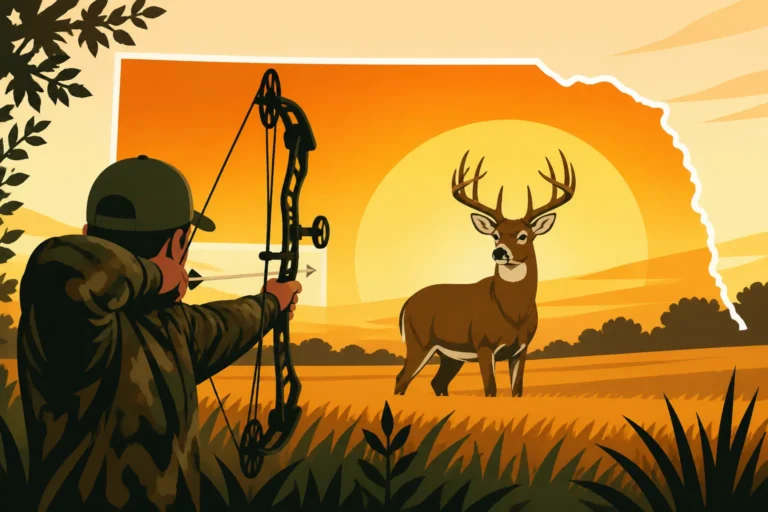
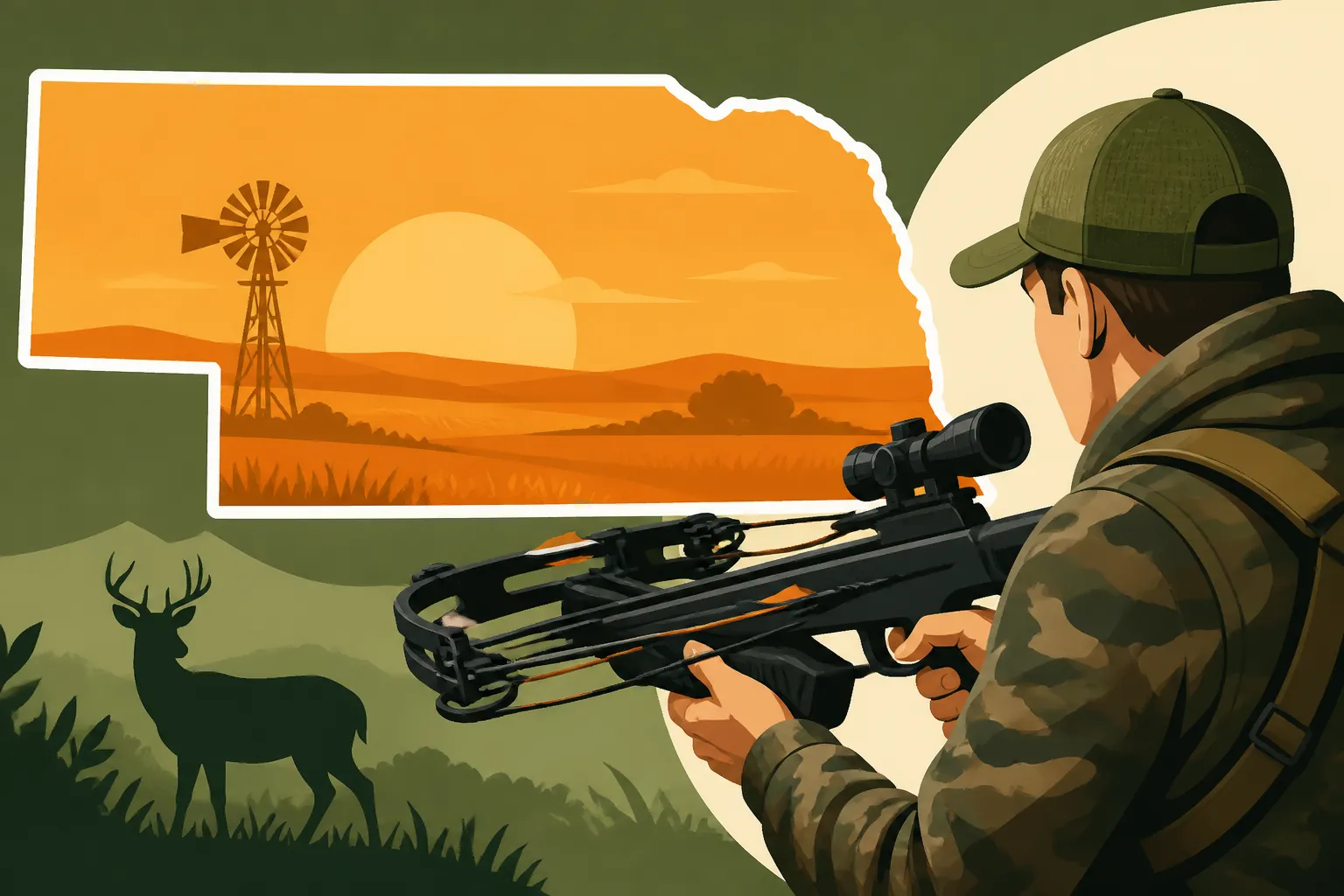
Today, the Nebraska Game and Parks Commission permits the use of crossbows during any established archery season for deer, antelope, and turkey. This is a crucial distinction: they are generally treated as legal archery equipment, not as a special category requiring separate permits or seasons for able-bodied hunters. This means if you have a valid archery permit, you can choose to hunt with either a vertical bow or a crossbow. The NGPC's current stance reflects a modern approach, focusing on expanding access while still upholding the principles of fair chase and ethical hunting. They provide clear guidelines in their annual hunting guides and online resources, which are essential reading for any hunter. It’s always a good idea to check the most current guide, as specific rules, though usually stable, can sometimes see minor tweaks year-to-year. This clear guidance helps minimize the frustration many hunters faced in the past, constantly trying to decipher conflicting information.
Who Can Hunt with a Crossbow in Nebraska?
One of the best things about the current Nebraska regulations is their inclusivity. The barriers that once existed for certain hunters have largely been removed, making crossbow hunting accessible to a much broader audience. This open approach aligns with the NGPC's goal of supporting hunting traditions for everyone.
General Archery Season Eligibility
If you hold a valid Nebraska Archery Deer Permit, Archery Antelope Permit, or Spring/Fall Turkey Permit that allows for archery equipment, you are generally eligible to hunt with a crossbow. There's no longer a need for a special "disabled hunter" permit to use a crossbow for deer or turkey during the archery season. This broad eligibility is a game-changer for many, meaning hunters who might have hung up their bows due to physical limitations can now get back into the field. Whether you're targeting a whitetail buck in the river bottoms or a Merriam's turkey in the Pine Ridge, a crossbow is a legal option during the respective archery seasons. For many, this makes the prospect of a longer season more appealing, offering more opportunities, such as during How Nebraska's Archery Deer Season Overlaps the Rut.
Specific Permits and Accessibility Programs
While the general rule is inclusive, it's still worth noting specific programs. Nebraska also offers various permit types, like youth permits, and there are provisions for apprentice hunters. These programs are designed to get new hunters, particularly younger ones, into the field safely and effectively. For a youth hunter, a crossbow can be an excellent tool, offering more stability and a shorter learning curve than a traditional bow, fostering confidence and encouraging continued participation. Remember, understanding Nebraska's Four-Month Archery Deer Season and its various permit types is crucial, and a crossbow can be used for most of them. Always refer to the official NGPC regulations for the most up-to-date information on any special accessibility programs or permit requirements, as these can occasionally shift.
Youth and Apprentice Hunter Considerations
For youth hunters, getting started with archery can be daunting. Pulling a bowstring to a sufficient draw weight requires significant strength and practice. This is where crossbows truly shine. They allow young hunters to focus on sighting, aiming, and trigger control without the added challenge of holding a bow at full draw. Nebraska's regulations support this by allowing youth hunters to use crossbows during the archery seasons, provided they meet all other permit and licensing requirements. Similarly, the Nebraska Apprentice Hunter Exemption allows new hunters, regardless of age, to hunt under the supervision of an experienced hunter without first completing hunter education for a set period. This provides a fantastic pathway for individuals to try crossbow hunting with a mentor before fully committing to the sport. It helps ensure a positive first experience, which is vital for recruitment and retention in hunting.
General Rules and Restrictions for Crossbows
Just like any other piece of hunting equipment, crossbows come with their own set of rules and restrictions designed to promote safety, fair chase, and ethical hunting. It's not just about what you can use, but how you use it. Ignoring these details can lead to fines, permit revocation, or worse, an unsafe hunting situation.
Broadhead Requirements and Prohibited Equipment
When it comes to broadheads for crossbows, Nebraska generally follows the same requirements as for vertical bows. This means you need a broadhead that is sharp, has at least two cutting edges, and has a minimum cutting diameter of 7/8 of an inch. While fixed-blade broadheads are a classic choice and widely trusted, mechanical broadheads are also legal, provided they meet the cutting diameter requirement once deployed. Many hunters appreciate the flight characteristics of mechanicals, especially when dealing with faster crossbow speeds. You can learn more about Fixed Versus Mechanical Broadheads to decide what's right for your setup.
What's definitely prohibited are any tranquilizer darts, explosive broadheads, or any broadhead that does not meet the minimum cutting diameter. It's also illegal to use any device that propels the arrow by means other than the tension of the crossbow string (e.g., gunpowder or compressed air). The spirit of the archery season is maintained by requiring projectile propulsion via string tension, just like traditional bows.
Legal Shooting Hours and Seasons
Crossbow hunting in Nebraska adheres to the same legal shooting hours as traditional archery hunting. This generally means thirty minutes before sunrise to thirty minutes after sunset. These hours are critical for ethical shot placement, ensuring that there's enough ambient light to clearly identify your target and place a shot accurately. Hunting outside these hours is illegal and unethical, as it significantly increases the risk of wounding an animal and losing it.
As mentioned earlier, crossbows are legal during established archery seasons for deer, antelope, and turkey. This includes the entire Nebraska Archery Deer Season Dates, which is incredibly generous, stretching for four months, offering ample opportunity. It's vital to know the specific season dates for the species and unit you plan to hunt, as these can vary. Don't assume; always consult the current NGPC regulations to avoid any missteps. During the November firearm season, special rules regarding hunter orange apply, and while archers can still hunt, they must adhere to Orange Requirements for Archers in November.
Transportation and Safety Protocols
Just like firearms, crossbows must be transported safely and legally. In Nebraska, a crossbow must be uncased and uncocked while being transported in a vehicle, unless you have a valid permit that allows for the transportation of loaded firearms in a vehicle. For most hunters, this means the crossbow should be discharged, the bolt removed, and ideally cased before placing it in a vehicle. This prevents accidental discharge and ensures the safety of everyone in and around the vehicle.
Safety extends beyond transportation. Always treat a crossbow as if it were loaded, keep the safety on until ready to shoot, and never point it at anything you don't intend to shoot. When cocking a crossbow, ensure it's pointed in a safe direction and use a cocking device if possible, as it makes the process safer and more consistent. Crossbow bolts (or arrows) are designed to be shot from a crossbow, and you should ensure they meet the Crossbow Bolt and Broadhead Rules requirements. Using the wrong size or weight bolt can damage your crossbow and pose a serious safety risk.
Practical Considerations for Hunting with a Crossbow in Nebraska
Once you understand the rules, the next step is getting practical. Hunting with a crossbow, especially in Nebraska's diverse landscapes—from the dense river bottoms of eastern Nebraska to the open Sandhills—requires thoughtful preparation and equipment choices.
Choosing the Right Crossbow and Accessories
The market for crossbows has exploded, offering a huge array of options. When choosing a crossbow for Nebraska hunting, consider a few key factors:
- Draw Weight and Speed: Crossbows typically have much higher "draw weights" than vertical bows, but they are cocked mechanically, so the actual physical effort is different. A faster crossbow means a flatter trajectory, which can be advantageous in open country or when judging distances is challenging. Brands like TenPoint, Ravin, and Excalibur offer models with impressive speed and accuracy. However, remember that faster speeds also demand more robust broadheads to maintain structural integrity upon impact.
- Size and Weight: If you'll be still-hunting or carrying your crossbow for long distances, a lighter, more compact model might be preferable. Conversely, if you plan to hunt primarily from a blind or a fixed position, a slightly heavier, more stable crossbow could be an advantage. The terrain in Nebraska varies wildly; a compact crossbow is often better for navigating thick shelterbelts or moving through dense cattail sloughs.
- Optics: Most crossbows come with a scope, and a good one is crucial. Look for a scope with multiple aiming points (often dots or stadia lines) calibrated for different distances. Illumination can be a helpful feature for low-light conditions at dawn and dusk.
- Cocking Device: A cocking device, whether integrated or a rope cocker, is almost essential. It makes cocking easier, more consistent (leading to better accuracy), and safer. This is particularly true if you are doing repeated practice sessions, or if you're a seasoned hunter making a move into crossbow use.
- Bolts/Arrows: Use the manufacturer's recommended bolts. Crossbows generate a lot of energy, and matching the right bolt weight and spine to your specific crossbow is critical for accuracy and safety. A lot of seasoned hunters subscribe to helpful online resources and forums, such as GoHunt, for advice on gear selection specific to different hunting scenarios.
Effective Range and Shot Placement
While crossbows offer a significant advantage in terms of stability and aiming time compared to a vertical bow, they are not rifles. It's easy to get caught up in manufacturers' claims of 400+ FPS, but ethical hunting range remains paramount.
- Practice, Practice, Practice: Know your effective range. For most hunters, this is typically between 30 and 60 yards, depending on their comfort level and practice regimen. Do not attempt shots beyond what you've rigorously practiced. Practice shooting from various positions—standing, kneeling, from a ground blind, or even from a simulated treestand—to mimic real hunting scenarios.
- Shot Placement: The vitals on a deer, antelope, or turkey are relatively small. Aim for the lung and heart area, just behind the shoulder for deer and antelope, or the base of the wing for turkeys. A well-placed shot with a sharp broadhead is key to a quick, humane harvest. Even with the increased accuracy of a crossbow, there is no substitute for precision. Wind can also affect bolt flight, so be mindful of conditions, especially when Wind Direction on Open Nebraska Prairie Stands is a factor.
- Angle Matters: Just like with a vertical bow, shot angle is critical. Avoid quartering-to shots, which present minimal vital area and a high risk of wounding. Broadside or slightly quartering-away shots offer the best opportunity for a clean pass-through and a quick kill.
Maintenance and Storage Tips
Proper maintenance ensures your crossbow performs reliably and lasts for years.
- Waxing the String and Cables: Regularly apply rail lube and string wax as recommended by the manufacturer. This protects the string and cables from wear and tear, prolonging their life and maintaining consistent performance.
- Cleaning: Keep the rail clean and free of debris. A clean rail ensures smooth bolt launch.
- Inspecting Components: Before and after each hunt, inspect the string, cables, limbs, and scope mounts for any signs of wear, fraying, cracks, or looseness. Addressing small issues early can prevent major problems in the field.
- Storage: Store your crossbow uncocked in a cool, dry place. Leaving a crossbow cocked for extended periods can weaken the limbs and string, compromising its performance and safety. Consider a padded case for protection during transport and storage.
The Pros and Cons of Crossbow Hunting in Nebraska
Like any hunting tool, crossbows come with their own set of advantages and disadvantages. It's important to consider these factors honestly to decide if a crossbow is the right choice for your hunting style and physical capabilities in Nebraska's diverse environments.
Advantages for Hunters of All Abilities
The most significant advantage of crossbows is their accessibility. They've genuinely opened doors for many individuals who might otherwise be sidelined from archery hunting.
- Accessibility for Physically Limited Hunters: For hunters with shoulder injuries, arthritis, back problems, or other physical limitations that prevent them from consistently drawing and holding a traditional bow, crossbows are a godsend. They allow these individuals to continue participating in the archery season, fostering a sense of inclusion and extending their hunting careers. This is a huge win for hunter retention.
- Easier Learning Curve for New Hunters: Learning to shoot a vertical bow accurately takes considerable practice, strength, and technique. Crossbows, with their rifle-like aiming system and trigger, offer a much faster path to proficiency. This makes them an excellent entry point for new hunters, including youth, who can gain confidence in their shooting abilities more quickly. This ease of learning can be a real boon for youth hunters pursuing Youth Deer Permits and Mentored Hunts.
- Increased Accuracy and Stability: The mechanical advantage of a crossbow allows for greater consistency in shot placement, especially at longer ethical ranges. The ability to hold the crossbow aimed for an extended period without muscle fatigue is a distinct advantage when a wary animal hesitates. This stability can also be crucial in windy conditions often encountered on the open Nebraska plains.
- Longer Holding Time: You can aim a crossbow for longer than a vertical bow, waiting for that perfect shot opportunity. This is particularly useful when an animal is slightly out of position or walking, allowing the hunter to track and wait for the ideal broadside shot.
Challenges and Ethical Debates
Despite the benefits, crossbows aren't without their challenges or the ongoing discussions surrounding their place in archery.
- Weight and Bulk: Crossbows are generally heavier and bulkier than vertical bows. This can be a disadvantage when still-hunting, walking long distances on public land, or maneuvering in thick cover. Hauling a crossbow through dense plum thickets or across miles of CRP can be physically demanding.
- Cocking in the Field: While cocking devices make the process easier, re-cocking a crossbow in the field after an initial shot can be noisy and time-consuming, making quick follow-up shots difficult or impossible. This is a significant tactical difference compared to a vertical bow, where a follow-up shot might be faster if the situation allows.
- Noise on Discharge: Crossbows can be louder than vertical bows upon discharge, which can sometimes spook other nearby game or make animals jump the string, potentially affecting shot placement. Modern crossbows are getting quieter, but it's still a factor to consider.
- Ethical Considerations and Perception: There's an ongoing debate among some traditional archers about whether crossbows truly belong in the "archery" season, with concerns about the perceived "fair chase" aspect. While Nebraska's regulations have settled this legally, the conversation persists in some hunting circles. It's important for crossbow hunters to be mindful of their actions and represent the hunting community positively. Demonstrating responsible hunting practices and respect for the game can help bridge this gap.
Beyond the Rules: Ethical Use and Hunter Responsibility
Hunting is more than just following rules; it's about upholding a code of ethics and responsibility to the game, the land, and the broader hunting community. Crossbow hunting in Nebraska is no different.
Respecting the Game and Fair Chase Principles
The principle of fair chase dictates that hunters should not have an unfair advantage over the animal. With crossbows, this means understanding their limitations and choosing your shots wisely.
- Know Your Limits: Just because your crossbow can theoretically shoot 100 yards doesn't mean you should take that shot in a hunting scenario. Wind, animal movement, and unforeseen obstacles can all affect arrow flight. Commit to shots only within your proven, ethical range. This is especially true when Glassing the Nebraska Sandhills for Mule Deer from a distance.
- Shot Placement: Always strive for a quick, clean kill. Practice until you can consistently place shots into a target's vital zone. A wounded animal is a terrible outcome for everyone. If you’re not confident in your shot, don't take it.
- Tracking and Recovery: Crossbow bolts, like arrows from vertical bows, don't always leave a blood trail as obvious as a rifle bullet might. Be prepared for thorough tracking and recovery efforts. Marking the spot of the shot, noting the animal's direction of travel, and patiently waiting before tracking are all crucial steps. Tools like GoHunt's mapping features can be invaluable for marking a shot location and planning your tracking grid on public or private land.
Public Perception and Hunter Advocacy
The hunting community is often under scrutiny from the non-hunting public. How crossbow hunters conduct themselves directly impacts the perception of all hunters.
- Positive Representation: Be a responsible and ethical hunter. Follow all laws, respect private property (always get permission!), and showcase the positive aspects of hunting—conservation, sustainable harvest, and connection to nature.
- Education: Be prepared to politely educate others about crossbows and hunting, if appropriate. Many misconceptions exist, and informed conversations can help dispel them. Highlighting the physical challenges that crossbows help overcome for many hunters can often foster understanding.
- Conservation: Support organizations that advocate for hunting rights and wildlife conservation. Your license fees and stamp purchases directly contribute to managing wildlife populations and habitats in Nebraska. Getting your Nebraska Habitat Stamp Requirements fulfilled is a direct way to support this, and learning about Nebraska Hunter Education Age Requirement for new hunters helps ensure a safe future for the sport.
Nebraska Crossbow Hunting Summary
| Aspect | Current Nebraska Rule (Generally) | Key Considerations |
|---|---|---|
| Eligibility | All licensed hunters can use crossbows during any established archery season for deer, antelope, and turkey. No disability permit required. | Opens hunting to a wider range of participants, including youth and physically limited. |
| Broadheads | Must be sharp, have at least two cutting edges, and a minimum 7/8 inch cutting diameter. | Mechanical and fixed broadheads are legal if they meet specifications. |
| Prohibited Equipment | No tranquilizer darts, explosive broadheads, or propellant other than string tension. | Ensures fair chase and ethical hunting standards. |
| Seasons | Crossbows are legal during the entirety of Nebraska's archery seasons for the respective species. | Consult current NGPC regulations for specific dates and unit restrictions. |
| Shooting Hours | 30 minutes before sunrise to 30 minutes after sunset. | Critical for ethical shot placement and target identification. |
| Transportation | Uncased and uncocked in a vehicle (unless special permit for loaded firearms applies). | Crucial for safety and avoiding accidental discharge. |
| Minimum Draw Weight | Not explicitly regulated for crossbows, but manufacturers specify minimum bolt weights for safety and performance. | Ensure your crossbow and bolts meet manufacturer recommendations for ethical hunting. |
In the end, crossbow hunting in Nebraska is a fantastic opportunity for many. The state has wisely adopted regulations that make the sport more accessible, while still maintaining high standards of ethical conduct. Whether you're a seasoned archer considering a crossbow for physical reasons, or a newcomer looking for a stable entry point into bowhunting, Nebraska offers a welcoming environment. Do your homework, practice diligently, and always prioritize ethical behavior in the field.
Disclaimer
Please note that hunting regulations, seasons, and permit requirements are subject to change. While this guide provides comprehensive information based on current understanding, it is always the hunter's responsibility to consult the most recent official Nebraska Game and Parks Commission regulations prior to engaging in any hunting activities. This content is for informational purposes only and does not constitute legal advice.