Elkhorn River Valley Access
Finding quality hunting ground in Nebraska can feel like an endless puzzle, especially when you're looking at areas with a mix of agriculture and winding river systems. The Elkhorn River Valley, a ribbon of timber and diverse habitat cutting through largely private farmland, presents both incredible opportunity and significant access challenges for hunters. This guide is here to walk you through how to navigate this unique landscape, helping you unlock its potential for deer, turkey, pheasants, and more.
Understanding the Elkhorn River Valley Landscape for Hunters
The Elkhorn River Valley isn't just another part of Nebraska; it's a distinct ecological zone that carves its way through the state, creating a haven for wildlife. For hunters, understanding this unique environment is the first step to successful access and a productive season.
The Unique Ecology of the Elkhorn River Corridor
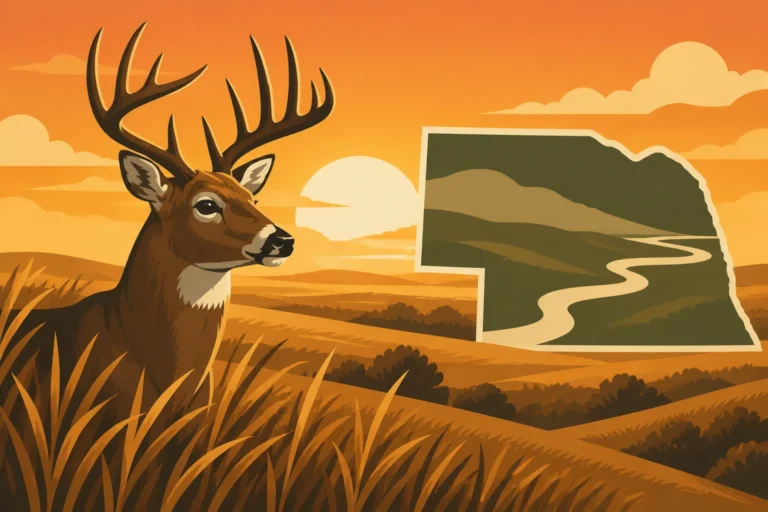
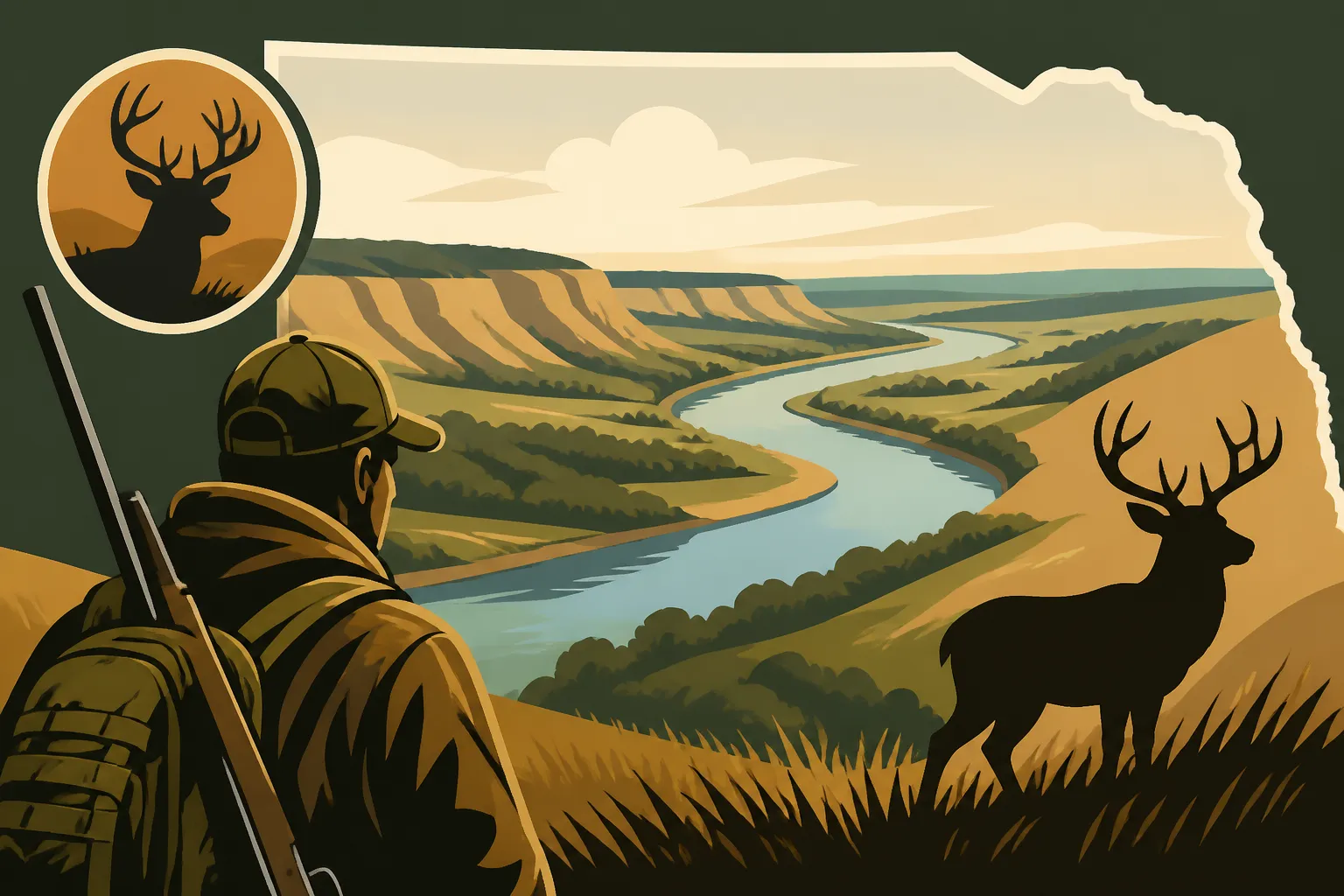
Imagine a verdant green vein stretching across the prairie, that's essentially the Elkhorn River Valley. This corridor, fed by the river, boasts a much richer and more diverse ecosystem than the surrounding agricultural fields. You'll find mature cottonwood trees, dense stands of willow, and thick underbrush along the banks, providing excellent cover and bedding areas for white-tailed deer. Further out from the main channel, there's often a mix of riparian woodlands, grasslands, and some marshy areas, especially where smaller tributaries feed into the Elkhorn. This varied habitat is a magnet for all sorts of game.
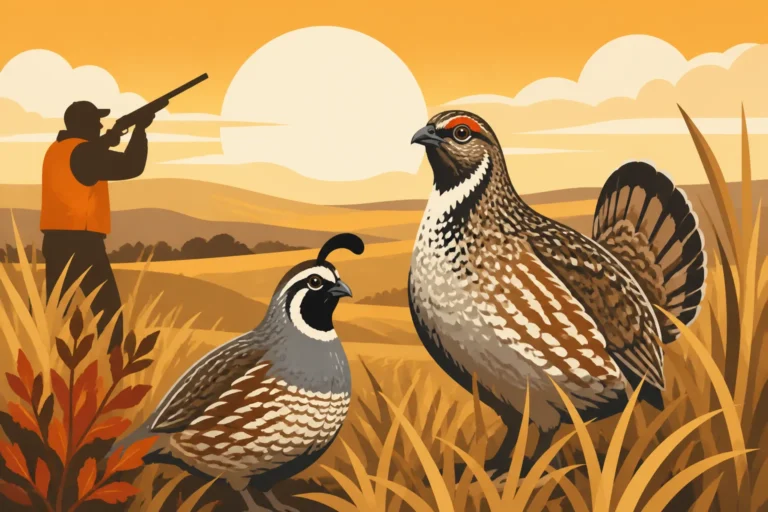
This rich mosaic of habitat supports a robust population of game animals. White-tailed deer thrive in the dense cover, using the river as a travel corridor and a natural sanctuary from pressure. Turkeys, particularly Eastern and Rio Grande subspecies, are also abundant, roosting in the tall timber and foraging in the adjacent fields. Upland birds like pheasants and quail can be found in the thicker grass and shrubby cover along the fringes of the timber, particularly where there's good nesting and escape cover close to food sources. Waterfowl also utilize the river itself and any oxbows or sloughs, though access for them can be more specialized. It's a fantastic place to hunt, but you've got to know how to get your boots on the ground.
Navigating Public and Private Land Challenges
The biggest headache for hunters in the Elkhorn River Valley often boils down to access. Most of the land surrounding the river is privately owned, primarily by farmers and ranchers who cherish their privacy and often their hunting rights. This means that while the habitat is prime, the opportunities can feel scarce if you're not prepared. Many hunters get frustrated driving past seemingly perfect cover, knowing game is there but having nowhere to go. It's a common story across Nebraska, and the Elkhorn is no exception.
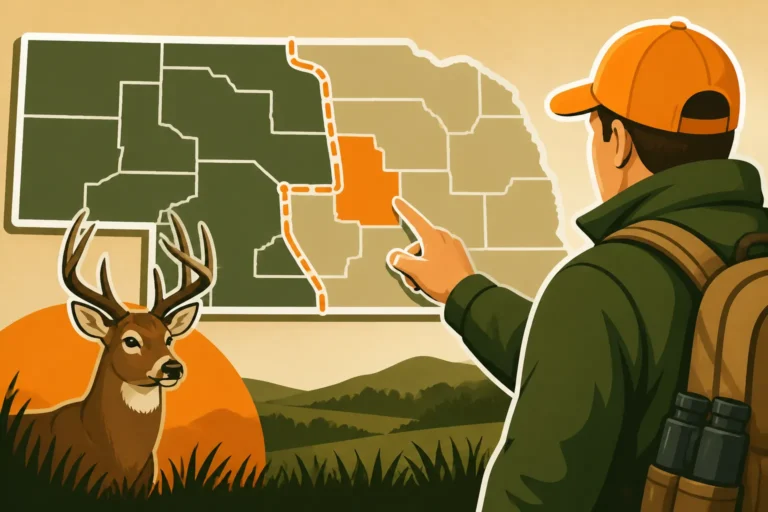
This private ownership creates a checkerboard effect: a small public tract here, a large private farm there, and the river itself potentially offering some access. This intricate patchwork makes scouting and planning crucial. You can't just show up and expect to find an open gate. Understanding the boundaries, knowing who owns what, and respecting those boundaries are paramount. Without a solid plan, you'll spend more time driving than hunting, which isn't anyone's idea of a good day afield. That's why tools and strategies for navigating this mix are so important.
Key Public Access Opportunities in the Elkhorn River Valley
Despite the prevalence of private land, there are definite opportunities for public hunting along the Elkhorn. Knowing where to look and how to use these resources effectively can make all the difference.
Wildlife Management Areas and State Recreation Areas
Nebraska's Wildlife Management Areas (WMAs) and State Recreation Areas (SRAs) are invaluable resources for hunters, and some are situated within or near the Elkhorn River Valley. These managed properties offer guaranteed public access and are specifically maintained to provide habitat for wildlife. While they might see more pressure, especially during peak seasons, they are still productive. For instance, you might find WMAs offering good timber blocks for deer and turkey, or pockets of dense grass and brush ideal for pheasants and quail. Checking the specific regulations for each WMA is vital, as some may have special rules regarding shooting hours, vehicle access, or specific hunting methods.
Always refer to the Nebraska Public Access Atlas for the most current information on these areas. It details boundaries, parking areas, and specific rules. Remember that WMAs are often managed for a variety of game, so you might find excellent waterfowl hunting in one spot and prime upland bird cover in another. Don't be afraid to explore these areas thoroughly, as even small pockets can hold hidden gems. Sometimes, walking a bit further than others are willing to go can lead you to less-pressured areas within these public grounds.
The Open Fields and Waters Program Along the Elkhorn
The Nebraska Game and Parks Commission's Open Fields and Waters (OFW) program is an absolute game-changer for accessing private land that's otherwise off-limits. Along the Elkhorn River, you'll find numerous OFW tracts that provide walk-in hunting access for various species. These are private lands where landowners have enrolled their property into the program, agreeing to allow public hunting. It's truly a win-win: landowners receive compensation, and hunters gain access to diverse habitats.
OFW tracts can range from crop stubble fields to dense river bottom timber, offering chances for deer, turkey, upland birds, and sometimes even waterfowl. The beauty of OFW is that it often opens up areas that are indistinguishable from adjacent private land, potentially leading to less pressured game. Look for the distinctive white and green OFW signs marking access points. Always remember that these are walk-in only areas unless specifically stated otherwise, and treat them with the utmost respect. The success of the program relies on hunters being good stewards of the land, ensuring landowners continue to participate. Checking the Nebraska Public Access Atlas is how you'll find these tracts, and it's updated annually.
River Access and Associated Public Lands
The Elkhorn River itself can also offer unique access opportunities, though primarily for waterfowl and sometimes as a means to reach otherwise inaccessible pockets of public land. Navigable rivers generally allow for public access below the ordinary high water mark, but rules can vary, and it's essential to understand what's legal. This often means hunting from a boat or blind set up directly on the river or its banks where legal.
Beyond just the river channel, sometimes the river creates isolated islands or strips of land that are public or unclaimed, providing unique hideouts for game. This kind of hunting requires careful planning, knowledge of water levels, and safety precautions. You might also find small federal waterfowl production areas (WPAs) or other scattered public tracts that are best accessed via the river. Always verify property lines and regulations before setting foot on any land adjacent to the river, even if it appears remote. Jump Shooting Nebraska River Ducks is a prime example of leveraging river access for hunting.
Strategies for Securing Private Land Permission
Given the predominance of private land in the Elkhorn River Valley, mastering the art of asking for permission is perhaps the most valuable skill a hunter can possess. It's not always easy, but the rewards are well worth the effort.
The Art of Asking for Permission in Elkhorn Country
Cold-calling or knocking on doors can feel daunting, but it's often the most direct route to private land access. Start by being polite, respectful, and clear about your intentions. Introduce yourself, state why you're there, and be ready to explain what species you're interested in hunting. Many landowners appreciate a hunter who is upfront and asks directly. Timing is crucial; avoid knocking during meal times or busy farming hours. A weekday afternoon or early evening is often best.
Come prepared with a map showing their property and be ready to offer references or proof of hunter education. Emphasize that you will respect their property, close gates, avoid driving in fields, and share your contact information. Sometimes, offering to help with chores or sharing some of your harvest can go a long way in building goodwill. Even if they say no, thank them for their time. A positive impression might open doors down the road, or they might even suggest someone else to ask. Remember, it's about building a relationship, not just getting a tag.
Leveraging Digital Tools for Access and Information
In today's hunting world, digital mapping tools are indispensable, especially when dealing with complex land ownership patterns like those along the Elkhorn River. Platforms like onX Hunt and GoHunt allow you to see property boundaries, landowner names, and even different land types (public, private, WMA, OFW) right on your phone or tablet. This saves countless hours of guessing and can prevent accidental trespassing, which is a sure-fire way to burn bridges with landowners.
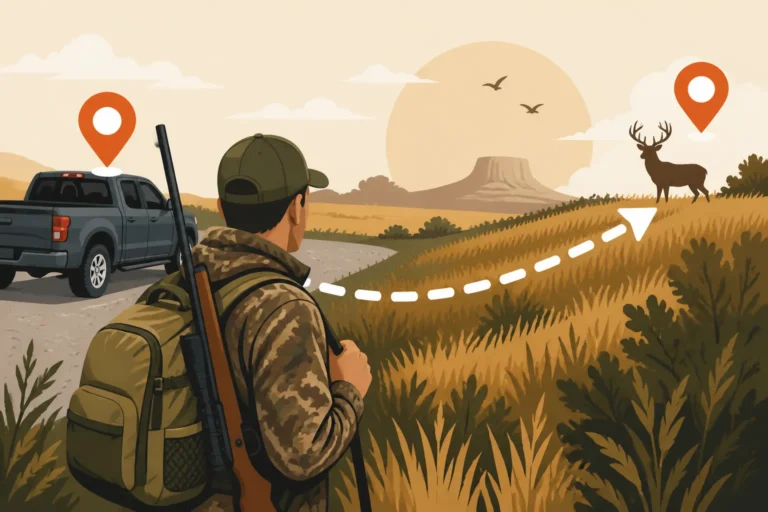
Before you even leave home, you can use these apps to identify potential landowners to contact. You can see who owns properties bordering public land, or whose land might offer good travel corridors or food sources. When you go to ask for permission, having a clear visual of their property on your phone, and being able to show them exactly where you'd like to hunt, demonstrates professionalism and respect for their boundaries. Many hunters successfully use onX Hunt to plan Entry and Exit Routes on Flat Farm Ground and to understand exactly where property lines lie.
Respecting Landowner Rights and Building Relationships
Securing permission is only the first step; maintaining it for future seasons is equally, if not more, important. Once you have permission, uphold every promise you made. Leave gates as you found them, pick up any trash, avoid disturbing livestock, and report anything unusual you notice on their property. If you harvest an animal, let the landowner know, and consider offering them some of the meat. A thoughtful thank-you note after the season can also go a long way.
Think of it as fostering a long-term partnership. A good relationship with one landowner can sometimes lead to introductions to others in the area. Word travels fast in rural communities, and a reputation as a respectful, responsible hunter is invaluable. Nebraska has specific Nebraska Trespass and Permission Law rules, and knowing them, and adhering to them, is part of being a responsible hunter. Remember, their land is their livelihood, and you are a guest.
Practical Considerations for Hunting the Elkhorn River Valley
Hunting the Elkhorn River Valley means being prepared for its specific conditions, from shifting seasons to necessary gear. A bit of foresight can greatly enhance your hunting experience.
Managing Seasonal Changes and Their Impact on Access
The Elkhorn River Valley experiences distinct seasonal changes, and these directly influence hunting opportunities and access. In early archery season, when temperatures can still be warm, deer are often concentrated closer to water sources and dense cover. However, after the corn harvest in late fall, deer patterns can shift dramatically as a major food source disappears. This is when they might move more into the river bottom for cover and remaining mast crops. What Changes in Nebraska After the Corn Comes Off is a critical piece of the puzzle.
Heavy rains can cause the Elkhorn River to swell, potentially flooding low-lying areas, making some river-bottom access difficult or impossible. In winter, snow cover can highlight game trails and push animals into thicker thermal cover, but it also makes walking more challenging. Always check weather forecasts and river levels before heading out. An area that was easily accessible in September might be a muddy, impassable mess in November. Adaptability is key, and having multiple potential access points or strategies for different conditions will serve you well.
Essential Gear for Elkhorn River Valley Hunts
Packing the right gear for an Elkhorn hunt is vital. For deer and turkey hunters working the river bottom, comfortable, quiet clothing that blends with the dense timber is a must. Good waterproof boots are non-negotiable, given the potential for mud, dew, and stream crossings. Consider lightweight tree stands or saddle hunting setups if you're targeting whitetails, as the mature cottonwoods offer excellent vantage points. A ground blind can also be effective in thick cover, especially for turkey or deer on crop field edges. Grunt Calls in Thick River Timber can be a great addition to your deer gear.
Upland bird hunters will want sturdy brush pants to deal with thorns and dense cover, along with an upland vest that can carry shells, water for a dog (if you have one), and a few birds. If you're hunting in the November firearm season, remember Nebraska's Nebraska Blaze Orange Square Inches requirement for visibility. For any hunt, reliable navigation tools like onX Hunt on your phone, a fully charged power bank, and a basic first-aid kit are essential. The terrain can be rugged, and cellular service isn't always guaranteed, so be prepared.
Comparative Access Options in the Elkhorn River Valley
Here's a quick look at the pros and cons of different access types along the Elkhorn River:
| Access Type | Pros | Cons | Typical Species |
|---|---|---|---|
| Wildlife Management Areas | Guaranteed public access, managed habitat | Can experience high hunting pressure, specific rules | Deer, Turkey, Waterfowl, Upland |
| Open Fields and Waters | Access to private land, often less pressure | Walk-in only, tracts change yearly, limited parking | Deer, Turkey, Upland, Waterfowl |
| River Access (Boat/Wade) | Unique access to remote spots, waterfowl potential | Weather dependent, safety concerns, specialized gear | Waterfowl, Deer, Turkey (via access) |
| Private Land (Permission) | Exclusive hunting rights, often prime habitat | Requires effort to obtain, depends on landowner trust | Deer, Turkey, Upland, Waterfowl |
No matter which route you take to access hunting in the Elkhorn River Valley, a respectful, prepared approach will always lead to the most rewarding experiences.
Disclaimer
This article is for general informational purposes only and does not constitute professional advice. Laws, prices and regulations vary by location and change over time. Consult a qualified professional for guidance on your specific situation.