Why Halsey Forest Was Hand-Planted
Hunting in Nebraska's vast Sandhills can often feel like an endless expanse of grass and rolling dunes, a landscape that seems to defy the very idea of a dense forest. For many newcomers, and even seasoned locals, stumbling upon the distinct, dark green blocks of the Bessey Ranger District within the Nebraska National Forest near Halsey can be quite a shock. It stands as a stark contrast to the surrounding prairie, and it immediately begs the question: how did this forest, so out of place, ever come to be? This guide will dive deep into the remarkable history and ambitious vision that led to the hand-planting of Halsey Forest, transforming a seemingly barren landscape into a unique and vibrant hunting ground that continues to thrive against all odds.
The Vision of a Forest in the Prairie Sea
Imagine a time when the Sandhills, as magnificent as they are, were largely seen as an impediment, a vast stretch of unproductive land that needed taming. The idea of planting a forest in this challenging environment wasn't just a whim; it was a grand, national experiment born from necessity and an audacious belief in human ingenuity. The very presence of a dense, managed timber stand amidst the rolling grasslands of central Nebraska tells a story of perseverance, scientific experimentation, and a long-term commitment that truly reshaped the landscape.
Early Efforts to Tame the Sandhills
Before the federal government stepped in, there were numerous local attempts to establish tree claims and plant windbreaks across the prairie. Settlers, moving west, brought with them a longing for the familiar woodlands of their former homes, and a desperate need for timber, fuel, and shelter from the relentless Nebraska winds. Many of these early attempts were met with heartbreaking failure. The delicate young trees, often unsuited to the harsh conditions, withered under scorching summer suns, succumbed to deep winter freezes, or were simply buried by shifting sands. It was a tough lesson learned over and over again: growing trees in the Sandhills was not going to be easy, and it certainly wasn't going to happen without significant, sustained effort and a deep understanding of the unique environmental challenges. These pioneers, unknowingly, laid the groundwork for the scientific approach that would eventually succeed.
The Forest Reserve Act and Federal Ambition
The broader vision for Halsey began to take shape with the Forest Reserve Act of 1891, which allowed the President to set aside forest lands. Later, the Kinkaid Act of 1904 specifically addressed the unique challenges of settling the Sandhills, allowing homesteaders larger tracts of land to make ranching viable. Crucially, it also supported the idea of forestry. President Theodore Roosevelt, known for his conservation ethic, recognized the need for a sustained timber supply and ecological stewardship. He championed the idea of establishing national forests even in areas that didn't naturally support them, particularly in the prairie states. It was under this progressive presidential administration that the Dismal River Forest Reserve, which would later become the Bessey Ranger District of the Nebraska National Forest, was officially established in 1902. This designation was not merely about conservation; it was a bold statement of national will, a commitment to creating a resource where none naturally existed, proving that the Sandhills could yield more than just grass.
Why Natural Woodlands Failed to Thrive
The Sandhills are a spectacular geological anomaly, a vast expanse of stabilized sand dunes covered by grass. While pockets of native trees like cottonwoods and hackberries can be found along river bottoms and in deep canyons, the vast majority of the landscape is treeless. This isn't by accident. The region's unique combination of sandy, fast-draining soils, erratic rainfall, frequent droughts, and persistent strong winds creates an incredibly hostile environment for most tree species. Wildfires, historically fueled by dry grasses and spread by strong winds, also played a significant role in maintaining the prairie ecosystem, regularly clearing out any nascent tree growth. Even if a seedling managed to sprout, its chances of surviving long enough to mature into a forest were incredibly slim. The federal foresters understood these challenges, which meant that any successful attempt to establish a forest would require not just planting, but a carefully planned, intensive, and sustained effort that mitigated these natural limitations.
The Herculean Task of Hand-Planting
Creating a forest where nature hadn't intended one to be was an undertaking of immense scale and difficulty. It required scientific precision, dogged determination, and a staggering amount of manual labor. This wasn't about scattering seeds from an airplane; it was about planting millions of trees, one by one, into a landscape that actively resisted them.
Battling Sand, Wind, and Drought
The primary adversaries were, and still are, the elements themselves. The fine Sandhills soil, while allowing for excellent drainage, offers little in the way of nutrient retention and dries out quickly. Constant winds, particularly from the northwest, can literally sandblast young seedlings, tearing at their delicate leaves and exposing their roots. Droughts, a perennial concern in Nebraska, could wipe out years of planting progress in a single dry spell. To combat these challenges, foresters had to innovate. They experimented with different planting techniques, depths, and orientations to protect the seedlings. Early on, they learned the critical importance of creating micro-shelters, often using native grasses or planting in specific depressions, to give the saplings a fighting chance against the relentless forces of nature. Every single tree that grew into maturity was a testament to overcoming these formidable environmental hurdles.
Species Selection for a Harsh Climate
The success of Halsey Forest hinged on choosing the right trees for the job, species that could not only survive but thrive in conditions that would kill most others. Early experiments involved a wide variety of native and non-native species, but through trial and error, a select few proved to be the workhorses of the Sandhills. Ponderosa pine, native to western Nebraska's Pine Ridge, and eastern red cedar, a hardy and ubiquitous native, quickly became the dominant species. These trees were chosen for their deep root systems, their ability to tolerate dry, sandy soils, and their inherent resilience to wind and temperature extremes. Other species, like jack pine and Scots pine, were also planted, particularly in the earlier years, contributing to the diverse conifer stands seen today. The meticulous record-keeping and scientific observation of these early foresters were instrumental in determining which species offered the best chance of long-term success, ensuring that the immense effort wasn't wasted on ill-suited varieties.
The Labor and Logistics of Tree by Tree
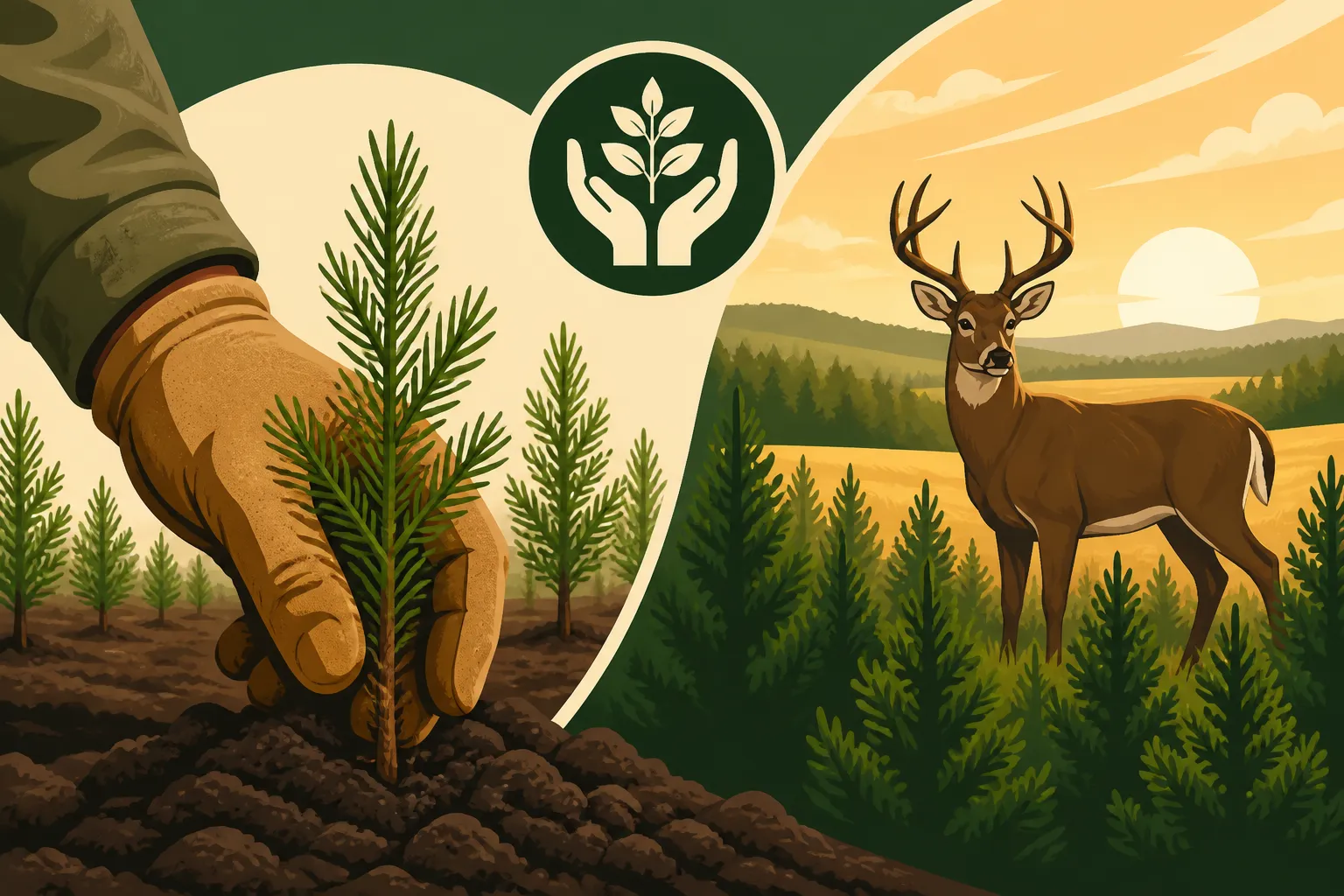
The sheer human effort involved in planting Halsey Forest is almost unfathomable today. Millions upon millions of seedlings were grown in the nursery established right there in Halsey, making it one of the largest forest nurseries in the world at its peak. From this nursery, young trees were carefully dug, bundled, and then transported by horse-drawn wagons, and later by early trucks, to the planting sites scattered across the vast reserve. Each seedling then had to be planted by hand, often by teams of workers using specialized planting tools, digging small holes in the sandy soil and carefully placing the tender roots before firming the earth around them. This was backbreaking work, often performed under the blazing sun or in biting winds, day after day, year after year. It truly was a monumental undertaking, a testament to the idea that with enough dedication and perseverance, even the most challenging landscapes can be transformed. The legacy of this intensive, tree-by-tree labor is the dense, green forest we see today, a living monument to that early vision.
A Green Oasis for Wildlife and Hunters
The transformation of barren sand into a thriving forest has had a profound impact on the local ecosystem, creating a unique habitat that draws in a variety of wildlife and, consequently, a diverse range of hunting opportunities. What was once predominantly shortgrass prairie became a patchwork of dense timber, open meadows, and planted windbreaks, fundamentally altering the landscape for game.
Habitat Creation in a Unique Ecosystem
The introduction of millions of trees fundamentally changed the local ecology of the Sandhills around Halsey. The dense canopy and understory provide cover from predators and the elements, especially during harsh Nebraska winters. This new habitat attracts species that would otherwise be scarce in the open Sandhills. White-tailed deer, in particular, thrive in the forested environment, utilizing the thick cover for bedding and browse. Birds like wild turkeys, which need roosting trees, have also found a haven here. Beyond big game, the varied cover supports a rich diversity of smaller mammals, reptiles, and numerous bird species, creating a truly unique and diverse ecosystem within the larger prairie. The forest acts as a critical refuge, a lush island in a sea of grass, enriching the biodiversity of the region and providing crucial resources for wildlife.
Hunting Opportunities in a Man-Made Forest
For hunters, Halsey Forest presents a truly unique experience within Nebraska. Unlike the typical open-country hunts for mule deer or pronghorn, hunting in Halsey feels more akin to a whitetail hunt in eastern timber. The dense stands of pine and cedar offer excellent cover for still-hunting or setting up ground blinds. Deer drives can be effective in smaller pockets of timber, and the forest provides fantastic opportunities for archery hunters who prefer the close-quarters challenges of woods hunting. Nebraska Archery and Muzzleloader Deer Permits are popular for those looking to pursue deer in this unique setting. Beyond deer, the forest and its surrounding edges provide habitat for Quail and Grouse Around Halsey, offering different wingshooting experiences than the sprawling open grasslands. It's a place where hunters can truly feel immersed in a forest, an experience that's rare in much of Nebraska.
Navigating Halsey for Recreation and Hunting
Exploring Halsey Forest requires a different approach than navigating the open Sandhills. While much of the surrounding land is accessible, the forest itself can be dense and disorienting. Many hunters rely on GPS units or mapping apps like onX Hunt to navigate the internal trail systems and ensure they know their property boundaries, especially when adjacent to private land. The Forest is crisscrossed with a network of two-track roads, but these can quickly turn sandy and challenging, so always be prepared for changing conditions. I've had more than one friend who learned the hard way about Getting Stuck in Sandhills Sand after a wet spell. You can use the Nebraska Public Access Atlas to familiarize yourself with the area before you go, and always check for any specific regulations pertaining to vehicle access or camping within the forest boundaries. When walking, make sure you have appropriate footwear, as the sandy trails and pine needle beds require different traction than prairie grass; I always recommend sturdy Boots for Walking Nebraska Grass and Sand.
Preserving a Legacy in the Sandhills
The creation of Halsey Forest was an incredible feat, but its continued existence and ecological health require ongoing management and vigilance. The very factors that made planting it so challenging—the dry climate, sandy soils, and prevalence of dry fuels—continue to pose threats, particularly from wildfire.
Ongoing Management and Fire Challenges
Maintaining a forest in the Sandhills is a continuous battle. Foresters actively manage the timber stands through thinning and prescribed burns to improve forest health, reduce fuel loads, and create diverse age classes of trees, which benefits wildlife. Despite these efforts, wildfire remains a significant concern. A major wildfire, often started by lightning or human activity, can spread rapidly through the dry pines and grasses, capable of undoing decades of growth and management in a matter of hours. The Forest Service invests heavily in fire suppression resources and works closely with local fire departments to protect this valuable, man-made resource. This ongoing management ensures that the forest remains resilient, provides optimal habitat, and continues to serve its recreational and environmental purposes for generations to come. It’s a constant dance between nurturing the forest and protecting it from the very elements it was planted to defy.
Halsey's Place in Nebraska's Hunting Landscape
Today, the Halsey National Forest stands as a testament to an ambitious vision and the power of human effort to shape the land. It’s more than just a forest; it's a unique part of Nebraska's identity, offering a distinct hunting experience you won't find anywhere else in the state. For those looking to explore public land, Halsey is a prime example of Public Hunting Land in Nebraska that offers something truly different. When you’re out there, glassing through the pines or stalking a deer through the cedar thickets, it's easy to appreciate the incredible story behind every tree. Tools like GoHunt can help you research species behavior in such unique habitats, making your scouting even more effective. It's a place where you can connect not just with nature and the game, but with a remarkable piece of history, understanding the immense effort that went into creating this unlikely green oasis in the heart of the Sandhills. Remember, understanding the land, its history, and its unique challenges, as we've discussed today, can significantly enhance your hunting success and appreciation for places like Halsey.
Disclaimer
This article is for general informational purposes only and does not constitute professional advice. Laws, prices and regulations vary by location and change over time. Consult a qualified professional for guidance on your specific situation.