Are Open Fields Tracts Public Land?
One of the biggest head-scratchers for hunters in Nebraska, especially those new to the state or traveling from out of state, is figuring out exactly what "public land" truly means here. It's not always as straightforward as it sounds, and many folks get tripped up by programs designed to increase access rather than convert private property into public land. This guide is here to untangle that knot, specifically addressing the common question: are Open Fields and Waters (OFW) tracts truly public land, or is there a crucial distinction you need to understand before you head afield?
Understanding Nebraska's Open Fields and Waters Program
Let's dive right into the heart of the matter. Nebraska's Open Fields and Waters (OFW) program is a fantastic initiative, truly a blessing for hunters and anglers looking for more places to pursue their passion. But here's the critical distinction: OFW tracts are not public land. They are privately owned lands, where the landowner has entered into a voluntary agreement with the Nebraska Game and Parks Commission to allow public hunting and/or fishing access. Think of it less as a transfer of ownership and more as a temporary, specific access agreement.
The Purpose Behind the Program
The core idea behind Open Fields and Waters is simple: boost public access where it's desperately needed. Nebraska is, after all, largely private land, especially in prime agricultural and wildlife areas. Many landowners want to help provide hunting opportunities but might be hesitant due to concerns about liability or simply managing who comes and goes. The OFW program bridges this gap. The Commission essentially leases access rights from willing landowners, often for specific seasons or types of hunting, and then clearly marks these areas for public use. It's a win-win: landowners receive compensation, and hunters gain more places to go without needing to knock on doors for individual permission slips. This program has been instrumental in How Many Acres Nebraska Opens to Hunters across the state.
How Landowners Enroll and What It Means
When a landowner enrolls their property in Open Fields and Waters, they're not selling their land or relinquishing their private property rights. Instead, they're granting an easement or license for public access under specific terms. This means that while hunters are welcome to pursue game according to state regulations and any additional rules posted for that specific tract, the land still belongs to the private owner. This is an important concept to grasp because it shapes how you should behave and what you can expect when hunting these areas. The Commission works with landowners to determine the best fit for their property, whether it's for upland birds, deer, or waterfowl. The beauty of this voluntary enrollment is that it can change, sometimes yearly, which is why it's vital to always check the most current information. Whether Open Fields Tracts Change Yearly is a question many hunters ask, and the answer is yes, they absolutely can.
Public Land vs. Public Access: The Legal Distinction
This is where things can get confusing, and it’s critical for every hunter to understand the difference. Knowing whether you're on true public land or a public access agreement like OFW changes your rights, responsibilities, and even your expectations. It’s not just semantics; it's about respecting property rights and staying on the right side of the law.
Defining "Public Land" in Nebraska
True public land in Nebraska refers to properties owned and managed by government entities—federal, state, or sometimes local—specifically for public use, often including hunting. This includes vast expanses like the Oglala National Grassland, Nebraska National Forests (like Halsey and McKelvie), Wildlife Management Areas (WMAs) managed by Nebraska Game and Parks, and certain Corps of Engineers lands along rivers like the Missouri. When you're on these lands, the ownership is public, and generally, the rules are set by the managing agency. There's a permanence to these lands; they're not going to be pulled out of the program next year (though regulations can, of course, change). These are the places where you have the most latitude, though still within regulated boundaries. Public Hunting Land in Nebraska offers a deeper dive into these dedicated public areas.
The Nuance of Open Fields and Waters Access
Open Fields and Waters offers public access on private land. The crucial difference lies in the word "ownership." With OFW, you are a guest, albeit a legally permitted one, on someone else's property. This means you must adhere not only to state hunting regulations but also to any specific rules the landowner has agreed upon with Game and Parks, which are typically posted at the access points. For example, some OFW tracts might be walk-in only, prohibit certain activities, or have specific restrictions on vehicle use. Walk-In Only Rules on Open Fields Tracts are common, and it’s important to respect them. You won't find the same blanket permissions here as you would on a National Forest. It's paramount to remember that the landowner still holds all private property rights outside the scope of the access agreement. Any damage, litter, or disrespect not only harms that specific landowner but jeopardizes the entire program for everyone.
Liability and Legal Protections
One of the great incentives for landowners to participate in the Open Fields and Waters program is the liability protection it often provides. Generally, state laws offer some level of protection to landowners who open their property for recreational use without charging a fee. When a landowner enrolls in OFW, they typically receive additional assurances that further reduce their liability should an accident occur on their property. This arrangement helps ease landowner concerns, making them more willing to allow public access. As a hunter, this means you are accepting the inherent risks of hunting and are responsible for your own safety and actions while on these tracts. It reinforces the idea that while you have access, you are not absolving the landowner of their ownership or responsibility for the basic condition of their property, but rather you are taking on personal responsibility for your hunting activities.
Navigating and Respecting Open Fields and Waters Tracts
So, you've understood the distinction – OFW is private land with public access. Now, how do you make the most of these opportunities while being a responsible, respectful hunter? It boils down to preparation, awareness, and common courtesy.
Utilizing the Public Access Atlas
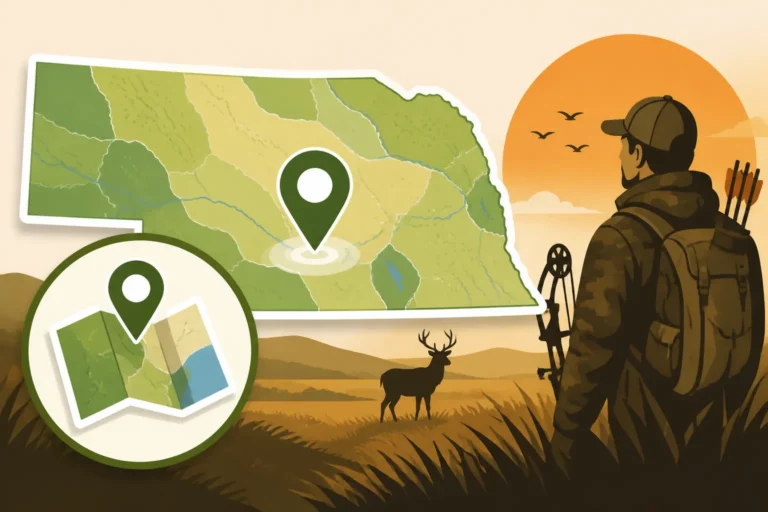
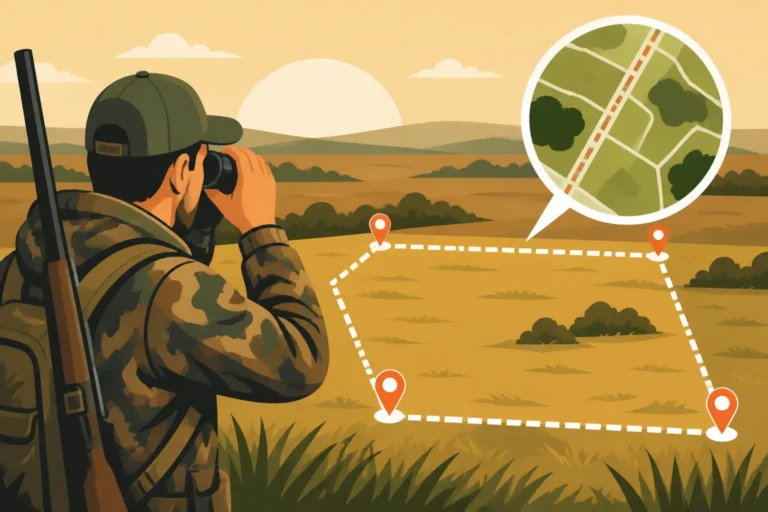
Your absolute best friend when it comes to hunting Open Fields and Waters is The Nebraska Public Access Atlas. This incredible resource, available both in print and as a mobile app, details every single WMA, State Recreation Area, and crucially, every Open Fields and Waters tract across the state. It shows the boundaries, the specific type of access (hunting, fishing, both), and any special rules for that parcel. Before you even think about setting foot on an OFW tract, get a copy of the Atlas or download the app. Use it to scout areas, understand boundaries, and plan your approach. This map is updated annually, so make sure you're always using the most current version.
Modern mapping apps are also invaluable here. Services like onX Hunt integrate the Nebraska Game and Parks public land layers, including Open Fields and Waters tracts, making it incredibly easy to see exactly where you are relative to boundaries. Having this technology in your hand can prevent accidental trespass and ensure you're on legitimate access ground. I always tell folks, don't leave home without onX Hunt if you're venturing into unfamiliar territory, especially with the mix of public and private land we have in Nebraska. This allows you to check Finding Nebraska Property Lines in real time.
Rules of Engagement on OFW Land
Because these are private lands, even with public access, there are often specific rules beyond general hunting regulations. These might include:
- Vehicle Access: Many OFW tracts are explicitly "walk-in only." This means parking your vehicle at a designated spot and proceeding on foot. Do not drive onto the property unless signs clearly indicate vehicle access is allowed. Driving on an Open Fields Tract is a privilege, not a right, and it's almost always restricted.
- Blinds and Stands: While portable blinds and stands are generally permitted, there are often rules about leaving them overnight or using screw-in steps that might damage trees. Always check the specific regulations for the tract. Remember, you can't build permanent structures or leave your equipment for extended periods. Blinds and Stands on Open Fields Ground details these considerations.
- Respecting Crops and Infrastructure: These are working farms and ranches. Stay out of standing crops unless specified. Do not damage fences, gates, or other farm equipment. Close gates behind you.
- Litter and Waste: Pack out everything you pack in. Leaving trash or spent shell casings is not just disrespectful; it’s a quick way to get landowners to pull out of the program.
- Time of Day: Legal shooting hours still apply, but be mindful of neighboring private properties.
- Signs: Pay close attention to the distinct yellow and black Open Fields and Waters signs. These are your clear indicators of where public access begins and ends. When Open Fields Signs Go Up is usually before the season, but they can be missed, so always double-check with your mapping app.
Good Stewardship: Being a Guest on the Land
The future of programs like Open Fields and Waters hinges entirely on how hunters treat the privilege of access. Every time you step onto an OFW tract, you're not just representing yourself; you're representing all hunters. If landowners have negative experiences—from litter to property damage or disrespectful behavior—they are less likely to renew their agreements. This means less access for everyone down the road.
Beyond the formal rules, practice good stewardship:
- Be courteous: If you encounter the landowner or other users, a friendly greeting goes a long way.
- Know your boundaries: Use your maps diligently. Do not cross into adjacent private land without explicit permission.
- Leave no trace: Take out more than you brought in if you can. Leave the land better than you found it.
- Report issues: If you see something concerning, like illegal activity or damage, report it to Game and Parks.
Benefits and Limitations of Open Fields and Waters for Hunters
The Open Fields and Waters program is a vital part of Nebraska's hunting landscape, but like any program, it comes with its own set of advantages and challenges. Understanding both sides will help you manage your expectations and make the most of these unique opportunities.
The Immense Benefits for Expanding Access
The most obvious and significant benefit of OFW is the sheer volume of additional hunting ground it opens up. In a state dominated by private ownership, these tracts provide crucial access, often in areas with excellent wildlife populations that would otherwise be inaccessible. For nonresident hunters, or residents who don't have private land connections, OFW can be a game-changer. It allows you to explore diverse habitats, from river bottoms for deer and turkey to rolling rangeland for upland birds, without the need for extensive scouting or seeking individual permission. This broadens hunting opportunities for species like pheasants, deer, turkeys, and even waterfowl, making Nebraska an even more appealing destination for a variety of pursuits. How Many Acres are in Open Fields and Waters has grown substantially, offering more opportunities year after year.
Here's a quick look at how OFW compares to traditional public land:
| Feature | True Public Land (e.g., WMA, National Grassland) | Open Fields and Waters (OFW) Tracts |
|---|---|---|
| Ownership | Government (Federal, State) | Private Landowner |
| Primary Goal | Resource Management & Public Recreation | Public Access on Private Land |
| Permanence of Access | Generally Permanent (barring closures) | Subject to Annual Landowner Agreement |
| Specific Rules | General agency regulations | General regulations + specific landowner rules |
| Posting | Designated by agency signs, maps | Distinctive yellow/black OFW signs |
| Liability | Managed by agency | Landowner often protected by program |
| Activities Allowed | Broader range (camping, hiking, etc.) | Hunting/fishing access, typically walk-in |
Important Limitations to Consider
While invaluable, OFW tracts do come with certain limitations that hunters need to be aware of:
- Temporary Nature: As mentioned, these agreements are often annual. A prime hunting spot you found last year might not be in the program this year. This means constant vigilance and checking the updated Public Access Atlas is necessary before each season. You can't assume continued access.
- Specific Restrictions: Because it's private land, specific tracts may have rules that are more restrictive than general state regulations. These could be related to parking, specific hunting methods, or even periods of closure. Always read the posted signs carefully.
- Habitat Variability: The quality and type of hunting can vary dramatically from one OFW tract to another. Some might be small parcels bordering private fields, while others are larger, more remote pieces of rangeland. Don't expect every tract to be a honey hole. Scouting and research are still essential.
- Pressure: With increased access can come increased hunter pressure, especially on readily accessible or well-known tracts. While programs like OFW help spread hunters out, popular areas can still see significant activity, particularly during opening weekends.
- No Permanent Structures: You generally cannot build permanent blinds, tree stands, or make modifications to the land. Any equipment you use must be removed daily or adhere to specific temporary placement rules. Camping on an Open Fields Tract is typically not allowed unless specifically indicated by the Commission.
Despite these limitations, Open Fields and Waters remains an incredible resource for Nebraska hunters. It requires a bit more homework and a strong sense of personal responsibility, but the rewards of exploring new ground and finding game are well worth the effort. Always remember you are a guest, and treat the land, and the landowner, with the utmost respect.
Disclaimer
This article is for general informational purposes only and does not constitute professional advice. Laws, prices and regulations vary by location and change over time. Consult a qualified professional for guidance on your specific situation.