How Many Landowners Enrol in Open Fields
Finding good hunting land in Nebraska can feel like cracking a secret code, especially for those of us without private land connections or inherited leases. It's a common frustration to stare at maps, wondering where you can actually stretch your legs and pursue game. This guide is here to shed light on a crucial aspect of public access: the dedicated landowners who partner with the state's Open Fields and Waters (OFW) program, offering invaluable hunting opportunities to us all.
The Heart of the Open Fields and Waters Program: Landowner Participation
When we talk about public access in Nebraska, especially beyond the established Wildlife Management Areas, the Open Fields and Waters program is often the unsung hero. It's not just about the thousands of acres enrolled; it's fundamentally about the willingness of private landowners to open their gates and allow hunters onto their property. The sheer number of landowners participating is a testament to the program's success and the collaborative spirit that makes hunting possible for so many. These individuals are directly contributing to the broader goal of conservation and recreation, and their participation shapes the quality and distribution of hunting experiences across the state.
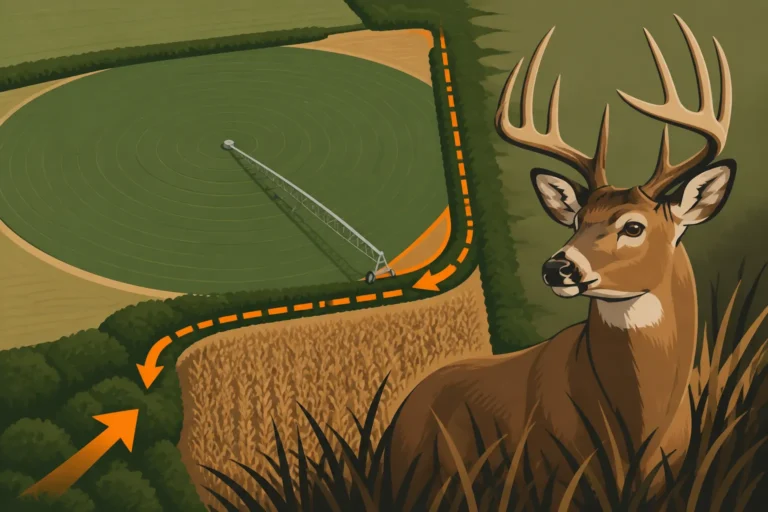
Think about it: each landowner brings a unique parcel to the table. Some might enroll a crucial shelterbelt between vast cornfields, others a sprawling piece of Sandhills pasture, and still others a sliver of timber along a creek bottom. This diversity in land types, made accessible by a multitude of individual decisions, is what truly enriches the public hunting landscape. Without these willing participants, countless acres that might otherwise be locked away become viable hunting spots, allowing us to chase everything from pheasants to deer.
Why Landowners Join: More Than Just the Money
While there's certainly a financial incentive that comes with enrolling land in the Open Fields and Waters program, it's often far from the only reason — or even the primary one — for landowners to participate. Many farmers and ranchers are deeply connected to the land and its wildlife, and they see the program as a way to give back to the hunting community. They understand the challenges of finding access, and they often appreciate seeing their land used responsibly by ethical hunters.
Consider the benefits from their perspective: the program offers a degree of Liability Protection for Enrolled Landowners, which is a significant factor in today's litigious society. Knowing that the state has measures in place to shield them from potential lawsuits related to recreational use can ease a lot of worries. Beyond that, the program can align with their own wildlife management goals. By collaborating with wildlife biologists, they might learn better ways to enhance habitat on their property, attracting more game birds or deer, which then benefits hunters. For some, it's simply a matter of community spirit, wanting to share the outdoor heritage they cherish. It’s a way for them to actively support the hunting tradition and ensure future generations have places to hunt, even if they don't hunt themselves.
How Landowner Numbers Reflect the Program's Reach
The raw acreage numbers of the Open Fields and Waters program are impressive, but looking at the number of enrolled landowners offers a deeper insight into the program's impact. A high number of individual landowners signifies a broad acceptance and understanding of the program across the state. It means that access isn't concentrated in just a few massive tracts, but rather spread out, often in smaller, more manageable parcels that might be closer to population centers or strategically located to offer diverse hunting opportunities.
This widespread participation creates a mosaic of hunting grounds, breaking up large swaths of private land and providing critical access points, travel corridors, and diverse habitats. Imagine trying to hunt pheasants in an area where only one or two landowners participated over thousands of acres; access would be limited and highly pressured. Now, envision an area with dozens of landowners opening up smaller fields, shelterbelts, and creek bottoms. This distributed access reduces hunter crowding in any single spot and increases the chances of finding unpressured game. It also means that even if a few landowners decide not to re-enroll in a given year, the overall program remains robust due to the large base of other participants. This resilience is a direct result of having many hands on deck, all contributing to the greater good of Public Hunting Land in Nebraska.
Understanding the Fluctuations in Landowner Enrollment
The Open Fields and Waters program, while generally stable, isn't static. The number of participating landowners can, and does, fluctuate year to year. This isn't necessarily a sign of trouble, but rather a reflection of the dynamic nature of land ownership, agricultural practices, and individual circumstances in a rural state like Nebraska. Understanding these ebb and flow patterns helps us appreciate the constant effort required to maintain and expand public access. Each year, the Nebraska Game and Parks Commission works hard to engage existing landowners and recruit new ones, ensuring that we continue to have diverse places to hunt.
It's not uncommon for tracts to change hands, for farming operations to shift, or for a landowner's personal situation to evolve. These real-world factors mean that the exact number of landowners enrolled in the OFW program is a moving target, updated annually. While there's no specific, fixed number, the general trend has been towards sustained, significant participation, indicating the program's value to both hunters and landowners. You can usually find updated figures on Nebraska Open Fields Acres and Enrolled Landowners directly from the state's game and parks agency, typically presented with the new Public Access Atlas each fall.
Factors Influencing Landowner Decisions Year to Year
A multitude of factors can sway a landowner's decision to enroll, re-enroll, or withdraw from the Open Fields and Waters program. Agricultural cycles, for instance, play a huge role. A farmer might enroll a particular field one year if it's going to be in an easily accessible crop or left fallow, but then decide against it the next year if it's planted in something like alfalfa that might be sensitive to foot traffic, or if they plan to graze cattle heavily. Changes in commodity prices can also influence planting decisions, which in turn affect available habitat and a landowner's willingness to host hunters.
Beyond agriculture, personal circumstances are incredibly important. A landowner might pass away, and new heirs might have different ideas about land use. Or, a family member might take up hunting, leading the landowner to reserve the property for private use. Program incentives also evolve. While the core structure remains, What Nebraska Pays Open Fields Landowners can be reviewed periodically to ensure it remains competitive and attractive. Extreme weather events, like severe droughts or flooding, can also impact habitat quality, potentially leading some landowners to reconsider their participation if the hunting prospects for a given year look bleak, or if damage to their land makes it unsuitable for public access. These are all very human and practical considerations that affect the landscape of public access.
The Importance of Sustained Landowner Engagement
Maintaining a strong, consistent base of participating landowners is absolutely crucial for the long-term health of the Open Fields and Waters program and, by extension, for public hunting access in Nebraska. It's not just about getting new landowners to sign up; it's about fostering relationships and trust so that existing participants continue their enrollment year after year. Every time a landowner renews their agreement, it reinforces a stable foundation for hunters. This kind of consistency allows hunters to plan their seasons with greater confidence, knowing that certain areas will likely remain open. Whether Open Fields Tracts Change Yearly is a common question, and while some turnover is inevitable, broad landowner support helps mitigate drastic shifts.
Hunter behavior plays a significant role here too. When hunters consistently demonstrate respect for private property, follow all rules, close gates, pick up trash, and leave the land as they found it – or better – it builds positive experiences for landowners. This, in turn, makes them more likely to continue their enrollment and even encourage neighbors to join. Conversely, incidents of disrespect or misuse can quickly erode trust and lead landowners to withdraw their land from the program. It's a symbiotic relationship: the more we respect the opportunity, the more opportunities are likely to be available. This is why following guidelines, like those regarding Walk-In Only Rules on Open Fields Tracts, is so vital.
| Benefit for Landowners | Benefit for Hunters |
|---|---|
| Financial Compensation | Increased Public Hunting Access |
| Liability Protection | Diverse Hunting Opportunities (habitat types) |
| Habitat Improvement Assistance | Reduced Crowding on Traditional Public Lands |
| Management Flexibility | Access to Productive Private Land |
| Community & Conservation Contribution | Ability to Scout and Plan Hunts Annually |
| Reduced Trespass Issues | Support for Wildlife Conservation Efforts |
Navigating Open Fields and Waters with Landowner Data in Mind
As hunters, our responsibility doesn't end with buying a permit. It extends to understanding the landscape of access and respecting the agreements that make it possible. The Open Fields and Waters program is an incredible asset, but it requires us to be informed and proactive. Knowing that many individual landowners are the backbone of this program should instill in us an even greater sense of stewardship when utilizing these areas. Each piece of enrolled land is a personal commitment from a private citizen to open their property for our enjoyment.
This commitment is reflected in resources designed to help us navigate these opportunities. The Public Access Atlas is your best friend in this regard, providing the latest information on what's open and where. Using tools that integrate this data, like mapping apps, can further enhance your ability to find and utilize these tracts responsibly. Remember, every hunter's actions contribute to the program's reputation, directly influencing whether landowners continue to participate.
Using the Public Access Atlas to Find Open Tracts
The Nebraska Public Access Atlas is an absolutely indispensable tool for anyone looking to hunt Open Fields and Waters tracts. It's published annually and available both in print and digitally, detailing all the lands enrolled in OFW, as well as Wildlife Management Areas and other public access points. Think of it as your yearly treasure map. Reading the Nebraska Public Access Atlas is a skill every hunter in the state should develop, as it provides crucial information on boundaries, allowed activities, and specific rules for each tract.
Beyond the physical atlas, digital mapping tools have revolutionized how we find and utilize these areas. Brands like onX Hunt offer powerful apps that allow you to layer public land data directly onto satellite imagery, making it incredibly easy to see not just the boundaries of an OFW tract, but also the surrounding terrain, potential access points, and even property lines. This is particularly useful for identifying onX Layers for Nebraska Land Status, ensuring you always know exactly where you are and whose land you're on. You can pinpoint specific fields or timber blocks, plan your approach, and even mark potential game sign, all before you ever set foot in the field. This blend of readily available information and advanced technology makes leveraging the generosity of participating landowners much simpler and more effective.
Respecting Private Land and Landowners
This cannot be stressed enough: when you're hunting an Open Fields and Waters tract, you are a guest on private land. Even though the land is enrolled in a public access program, it still belongs to a private individual or family. Your behavior reflects not just on you, but on all hunters. Adhering strictly to the rules posted at the site, which often go up around When Open Fields Signs Go Up each year, is paramount. This includes understanding what specific activities are allowed, if certain areas are off-limits, and whether vehicles are permitted beyond designated parking areas.
It also means being hyper-aware of your surroundings and respecting adjacent private properties that might not be enrolled in the program. Carrying a reliable mapping tool like onX Hunt is essential to avoid accidental trespass. Nebraska's Posted-Land and Trespass Rules are clear, and ignorance is no excuse. If you find a downed animal just across a boundary onto non-OFW land, you absolutely must obtain permission from that landowner before retrieving it. Asking a Nebraska Farmer for Permission can sometimes feel daunting, but it's a critical ethical step. By acting as responsible, courteous, and ethical stewards of the land, we build goodwill, reinforce the value of the OFW program, and encourage more landowners to continue sharing their ground, ensuring that this fantastic resource remains available for years to come.
Disclaimer
This article is for general informational purposes only and does not constitute professional advice. Laws, prices and regulations vary by location and change over time. Consult a qualified professional for guidance on your specific situation.