When Sandhill Cranes Arrive in Nebraska
For anyone who lives for the subtle shift in the air, the promise of spring, and the unforgettable spectacle of Nebraska's wildlife, few things stir the soul quite like the return of the Sandhill Cranes. It's a rite of passage each year, and knowing when these magnificent birds will grace our Platte River is often the first question on everyone's mind. This guide will walk you through the typical arrival patterns, the factors that nudge those dates, and how you can best experience this natural wonder.
Understanding the Sandhill Crane Migration Pattern in Nebraska
The annual migration of Sandhill Cranes through Nebraska isn't just a local event; it's a global phenomenon. For a few precious weeks, our stretch of the Platte River becomes the world's most vital staging ground for these ancient birds. It’s a journey that spans continents, driven by instinct and the changing seasons.
The Grand Journey to Nebraska's Platte River
Imagine a bird, having spent its winter in the sun-drenched fields of Texas, New Mexico, or even Mexico, feeling the subtle call of spring. That call initiates a northward trek, a long and arduous flight that culminates in Nebraska. The Platte River, with its wide, shallow, braided channels, offers exactly what these cranes need: safe roosting sites to escape predators at night, and abundant cornfields nearby to refuel for the rest of their journey to breeding grounds in the far north. This isn't just a pit stop; it's a critical lifeline, a place where they replenish energy, find mates, and perform their elaborate courtship dances. The sheer volume of birds, often numbering in the hundreds of thousands, transforms the river corridor into a living, breathing tapestry of sound and motion. It's a moment when Sandhill Cranes on the Platte River truly come alive.
Factors Influencing Early and Late Arrivals
While we all yearn for a precise date, Mother Nature, as always, keeps us on our toes. Several factors play a significant role in when the cranes decide to show up. Primarily, it's about weather. Milder winters in their southern wintering grounds can prompt an earlier departure, sending the first wave of cranes our way as early as late January or early February. Conversely, a prolonged cold snap or significant snow events further south can delay their journey. Here in Nebraska, an early spring thaw, with open water and accessible corn stubble, acts like a welcoming beacon. A late blizzard, however, might put the brakes on new arrivals or even push some early birds further south again. Food availability along their route and in our fields is another crucial element. A particularly good harvest means plenty of leftover grain for them to forage, making Nebraska an even more appealing destination. Staying informed about these environmental cues can feel like a full-time job, but resources like GoHunt often share general updates that help predict trends.
Typical Arrival Windows and Peak Viewing Periods
While there's no exact date etched in stone, years of observation provide us with reliable windows for when to expect the cranes and when their numbers truly swell. This knowledge is invaluable, whether you're planning a trip specifically to see them or just hoping to catch a glimpse from your backyard.
The First Harbingers: Early to Mid-February
The first signs of crane migration are often subtle, a quiet herald of the spectacular to come. Typically, by early to mid-February, the most eager, or perhaps the hardiest, cranes begin to trickle into Nebraska. These aren't the massive flocks yet; you might spot smaller groups, perhaps a few dozen or a few hundred, cautiously testing the waters, so to speak. They're looking for open water on the Platte and accessible, unfrozen cornfields. If you're out Scouting Nebraska Public Ground Before Opening Day for other species, keep an eye—and ear—out. The appearance of these early birds is a thrilling moment, a true signal that winter's grip is loosening, and spring is genuinely on its way. They often arrive just as ice is breaking up on the river, making those first stretches of open water a magnet.
The Main Event: March's Massive Influx
As February gives way to March, the trickle turns into a torrent. This is when the migration truly hits its stride, and Nebraska becomes a global hotspot. From the first week of March through about the third week, the numbers of Sandhill Cranes can swell dramatically, reaching their peak. You’re not just seeing hundreds or thousands; you're witnessing hundreds of thousands of birds, sometimes upwards of half a million, congregating on the Platte. The air buzzes with their ancient, rolling calls, and the sight of them lifting off the river at dawn or returning at dusk is nothing short of breathtaking. They spend their days feeding in harvested cornfields, bulking up on energy, and performing their iconic, sometimes clumsy, sometimes elegant, courtship dances. This is the prime time for viewing, when the river channels and surrounding fields are simply packed with birds. Many visitors plan their trips for this precise window to ensure they catch the grandest part of the spectacle. When people talk about When Sandhill Cranes Arrive in Nebraska, this peak time is what they usually have in mind.
Lingering Birds: Late March into Early April
While the peak of the migration is undeniably in March, not all cranes pack up and leave at the same time. As late March transitions into early April, the numbers begin to gradually decline, but a significant population of cranes often remains. These lingering birds might be individuals or pairs taking a bit more time to feed, or perhaps waiting for more favorable conditions further north to begin their final leg of the journey to the breeding grounds. You might notice more pairs displaying, as many birds have now cemented their bonds. The intensity of the crowds at viewing areas often lessens during this period, offering a more serene experience for those still wishing to observe them. However, by mid-April, most of the Sandhill Cranes have departed, leaving only the quiet echoes of their calls and the anticipation for their return next year. It's a clear signal that When Ducks Migrate Through Nebraska is also in full swing for other species making their way north.
Here’s a general overview of the Sandhill Crane migration timeline in Nebraska:
| Period | General Timing | Crane Activity | Influencing Factors |
|---|---|---|---|
| Early Arrivals | Mid-February | Small groups, scouts, first sightings | Mild winter south, early thaw/open water in NE |
| Main Influx | Early to Mid-March | Numbers rapidly increase, peak concentrations reached | Consistent warm weather, accessible food sources |
| Peak Viewing | Mid-March | Highest density of birds, active feeding & courtship | Favorable weather, ample food, critical staging period |
| Lingering Birds | Late March to Early April | Numbers gradually decline, some pairs still present | Waiting for northern breeding grounds to thaw |
| Departure | Mid-April | Most cranes have left Nebraska | Completion of refueling, push to breeding grounds |
Observing Sandhill Cranes: Beyond Just Arrival Dates
While the "when" is crucial, understanding the "where" and "how" can elevate your crane viewing experience from a mere sighting to a profound connection with nature. It’s about appreciating the unique role Nebraska plays in their lifecycle.
Best Places for Viewing and Experiencing the Cranes
To truly appreciate the Sandhill Crane migration, you need to be in the right place at the right time. The central Platte River valley, particularly the stretch between Grand Island and Kearney, is the epicenter of this incredible phenomenon. Places like Rowe Sanctuary and the Fort Kearny State Recreation Area offer excellent public viewing opportunities, often with blinds or platforms designed to minimize disturbance to the birds. You'll find specific viewing decks near Alda, too, where you can watch them from a distance. Many local organizations, including some that might partner with information providers like GoHunt, offer guided tours and interpretive programs, which can enrich your understanding of the cranes' behavior and the importance of this unique ecosystem. Even if you're not specifically hunting, understanding Platte River and Rainwater Basin Access can point you to areas where you might glimpse these birds and truly appreciate the vastness of Nebraska's natural heritage.
Daily Rhythms and Optimal Viewing Times
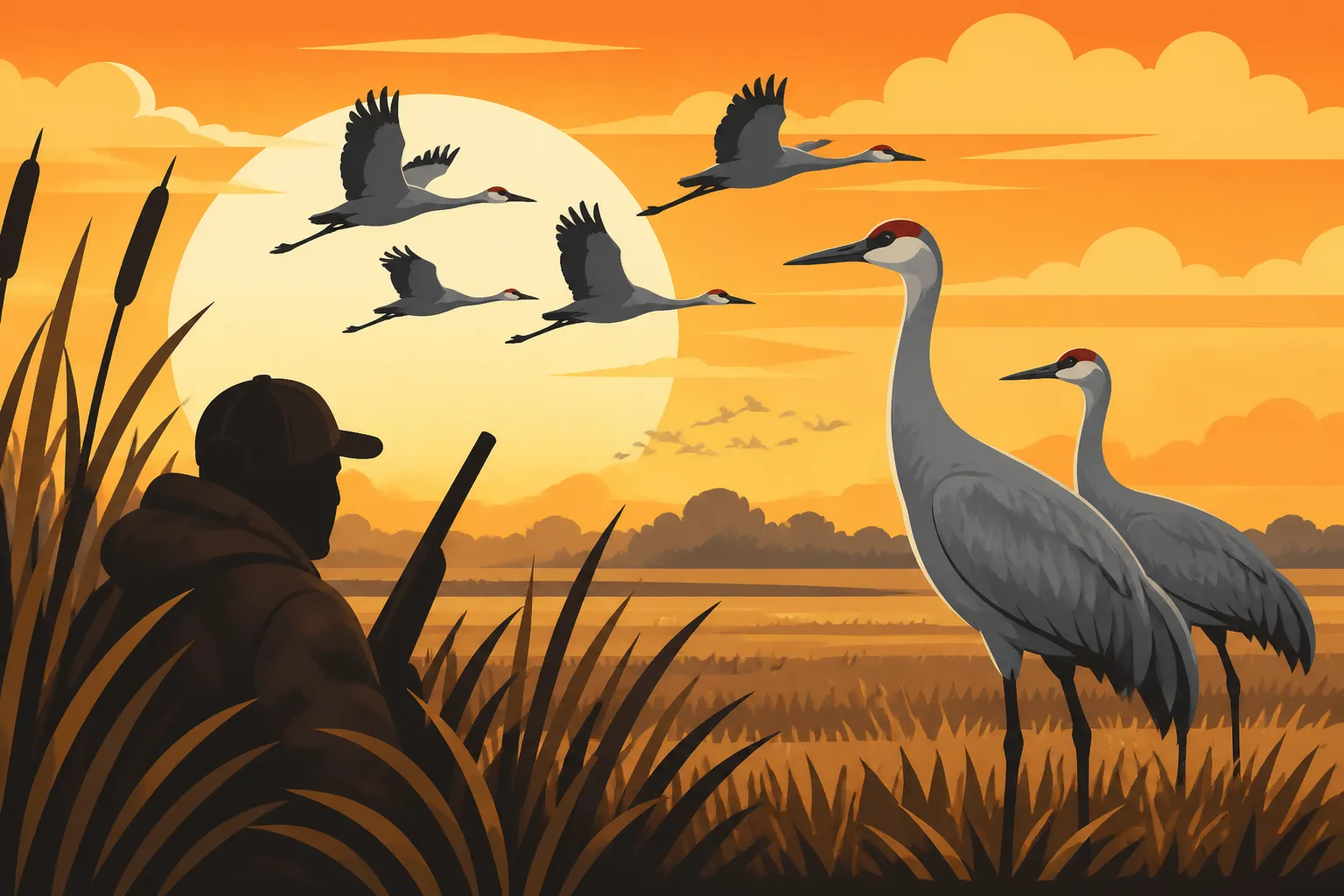
Cranes are creatures of habit, and understanding their daily rhythm is key to optimal viewing. The most magical times are typically dawn and dusk. At first light, hundreds of thousands of cranes lift off from their river roosts, filling the sky with their ancient calls as they head to nearby cornfields to feed. This "liftoff" is an experience that stays with you forever. Throughout the day, they spend their time foraging for waste grain in harvested fields, which helps them pack on crucial fat reserves for the remainder of their journey. As the sun begins to dip below the horizon, they return to the safety of the shallow river channels, creating another spectacular aerial display as they descend to roost for the night. This "return to roost" is equally captivating, often accompanied by breathtaking sunsets. You can often see them along county roads, but remember to always respect private property and give the birds ample space.
Why Nebraska Doesn't Hunt Sandhill Cranes
It's a common question, especially for those familiar with hunting regulations in other states: why can't you hunt Sandhill Cranes in Nebraska? The simple answer is that Nebraska has chosen a different path for these iconic birds. While some states in the Central Flyway do offer limited Sandhill Crane hunting seasons, Nebraska places a high value on the cranes as a non-game species, recognizing their immense importance for conservation, tourism, and their cultural significance. The sheer spectacle of their migration draws visitors from around the globe, pumping considerable revenue into local economies. This decision to not allow hunting underscores the state's commitment to preserving this unique natural wonder for observation and study, making it a critical hub for birdwatchers and nature enthusiasts. You can delve deeper into this by looking at Nebraska Is the Only Flyway State Without a Crane Season and What Crane Tourism Is Worth to Nebraska. The focus here is entirely on appreciation and conservation.
Planning Your Trip to See the Cranes
Experiencing the Sandhill Crane migration is something everyone should do at least once. While it’s not a hunting trip, the same preparation and respect for the outdoors that we apply to hunting apply here. Planning ahead ensures a more rewarding and impactful visit.
Accommodations and Local Services
If you're planning to visit during the peak migration in March, booking accommodations well in advance is absolutely essential. Towns like Kearney, Alda, and Grand Island become bustling hubs, and hotels and bed-and-breakfasts fill up quickly. Many local businesses, from restaurants to gas stations, cater to the influx of visitors, but don't assume you can just show up and find a place to stay, especially on weekends. Consider researching local outfitters or tour operators if you want a guided experience, as they often have access to prime viewing locations and expert knowledge. Even checking platforms like GoHunt might give you a sense of local popularity and potential services. Remember that good planning for any outdoor adventure, even one focused purely on observation, makes all the difference.
Respecting the Birds and Their Habitat
When you're out observing the cranes, remember that you are a guest in their temporary home. Ethical viewing practices are paramount to ensure these birds continue to use the Platte River for generations to come. This means maintaining a respectful distance, especially from river roosts, and avoiding any actions that might disturb or flush the birds. Use binoculars or a spotting scope for close-up views rather than trying to get physically closer. Keep noise to a minimum, and always stay on designated roads, trails, or viewing areas. Never enter private property without explicit permission. The Sandhill Cranes are a sensitive species, and their continued use of the Platte relies on us being good stewards of their habitat. You might also want to explore topics like Wetland Loss in the Rainwater Basin to understand the broader conservation challenges facing waterfowl and wetland-dependent species in Nebraska.
Photography and Memories
Capturing the essence of the Sandhill Crane migration through photography can be incredibly rewarding, but always prioritize the birds' well-being over getting the perfect shot. Use long lenses and avoid flash photography near the roosting areas. Dawn and dusk offer stunning lighting for photographs, but also remember these are crucial times for the cranes' daily movements. Take time to simply watch and listen, allowing the experience to wash over you without constantly looking through a lens. These birds are a true marvel, and the memories you make witnessing their presence on the Platte will last a lifetime. Whether you're a hunter, a birdwatcher, or just someone who appreciates nature, the Sandhill Crane migration is a powerful reminder of the incredible Game Species: Waterfowl of the Central Flyway in Nebraska that pass through our great state each year.
Disclaimer
This article is for general informational purposes only and does not constitute professional advice. Laws, prices and regulations vary by location and change over time. Consult a qualified professional for guidance on your specific situation.